
Nvidia Patents an AI That Reads Emotion in Your Voice to Animate a Face
Nvidia is building an AI that listens to how you speak, not just what you say, and uses the emotion it detects to make a digital face move and react accordingly. It's the difference between a talking mannequin and something that actually feels alive.
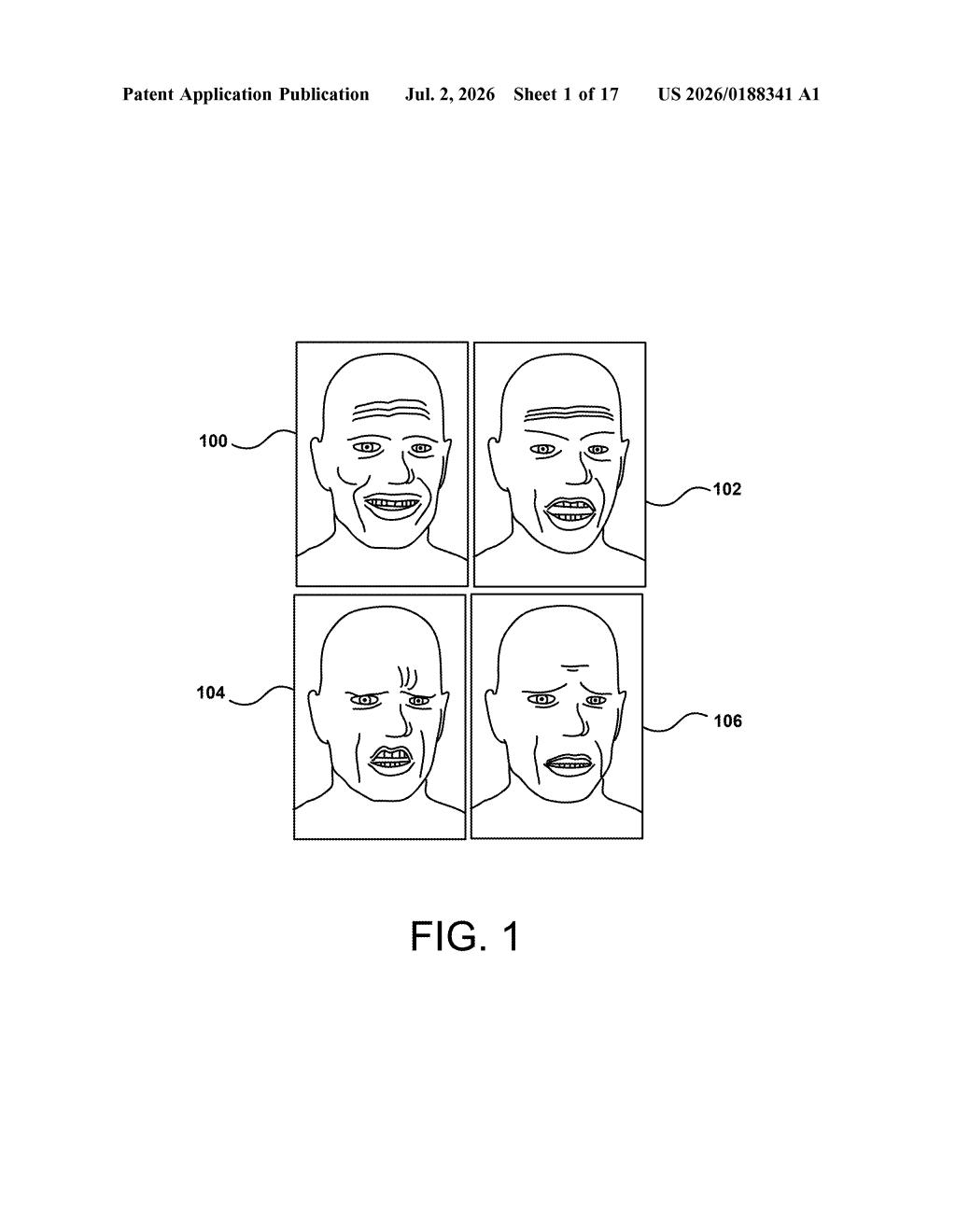
How Nvidia's emotion-from-speech animation system works
Imagine watching a virtual character speak and noticing its face looks bored even though the voice sounds excited. That mismatch is a common problem in animated avatars and AI-generated video. Nvidia's patent describes a way to fix it automatically.
The system listens to recorded or live speech and uses an AI model to figure out which emotions are present and how strongly. It doesn't just pick one emotion; it assigns probability scores to a whole set of them. If anger and surprise both register above a certain threshold, both get factored in.
Those emotion signals are then fed into a second AI that drives a facial animation. The result is a digital face that reacts to the emotional tone of the voice in real time, not just the words being spoken. Users can also manually adjust the emotion readings or blend in their own values if the AI gets something wrong.
How the two neural networks split the animation workload
The patent describes a two-stage pipeline for turning spoken audio into emotionally expressive facial animation.
Stage one is a transformer-based neural network (a type of AI architecture that excels at processing sequences, like sentences or streams of audio) that takes speech audio as input and outputs probability scores across a set of emotion categories. Rather than committing to a single emotion label, the model produces a distribution, so it might say a clip is 60% sad, 30% neutral, and 10% surprised.
Stage two uses those emotion scores alongside the raw audio as inputs to a second neural network that renders facial animation. The face moves in sync with the speech, but its expression is shaped by whichever emotions cleared a set confidence threshold.
The system also includes several practical controls:
- A smoothing heuristic that prevents emotions from flickering wildly frame to frame
- A user interface where an operator can override or adjust the detected emotion values
- A blending mechanism that lets users supply their own "prior" emotion values to mix with what the AI infers
The patent explicitly ties all of this to audio-driven speech animation, meaning the primary intended output is a moving, expressive face driven entirely by a voice recording.
What this means for AI avatars and real-time animation
For anyone building AI avatars, virtual assistants, game characters, or synthetic media, getting a face to express the right emotion at the right moment is genuinely hard. Most systems either ignore emotion entirely or require manual keyframing. A pipeline that infers emotion automatically from audio and feeds it directly into animation removes a significant production bottleneck.
Nvidia is well positioned to ship this kind of technology inside its Omniverse platform or its Audio2Face tool, which already animates 3D faces from audio. Adding automatic emotion inference would be a meaningful upgrade to that existing product line, and it fits neatly into the growing market for real-time AI-generated avatars in games, customer service, and virtual production.
This is a focused, practical patent rather than a moonshot. Nvidia already ships Audio2Face, so the infrastructure for audio-driven facial animation exists. Adding an emotion-inference layer on top of it is a logical next step, and the inclusion of user overrides and blending controls shows the engineers are thinking about real production workflows, not just demo reels. Worth watching if you follow AI-generated media or virtual humans.
Get our take in your Top Stories
Liked this breakdown? Add Patentlyze as a preferred source on Google, and our plain-English take shows up more often in your Top Stories the next time Nvidia patent news breaks.
There are more where this came from
We read every patent application Big Tech publishes and send you the ones worth knowing. Plain English, free, every week.
Want this weekly breakdown for a company we don't cover? Patentlyze Pro →