What the filings show
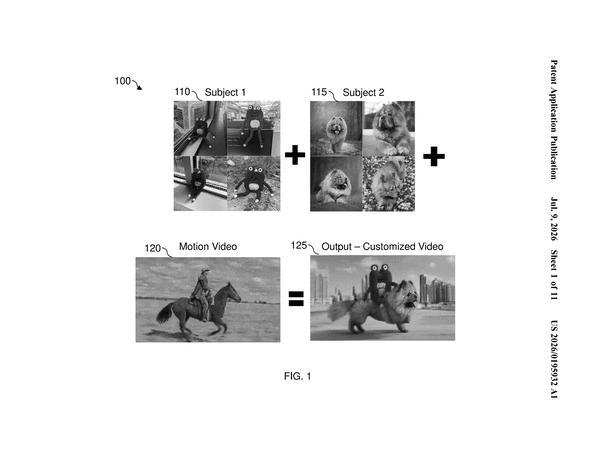
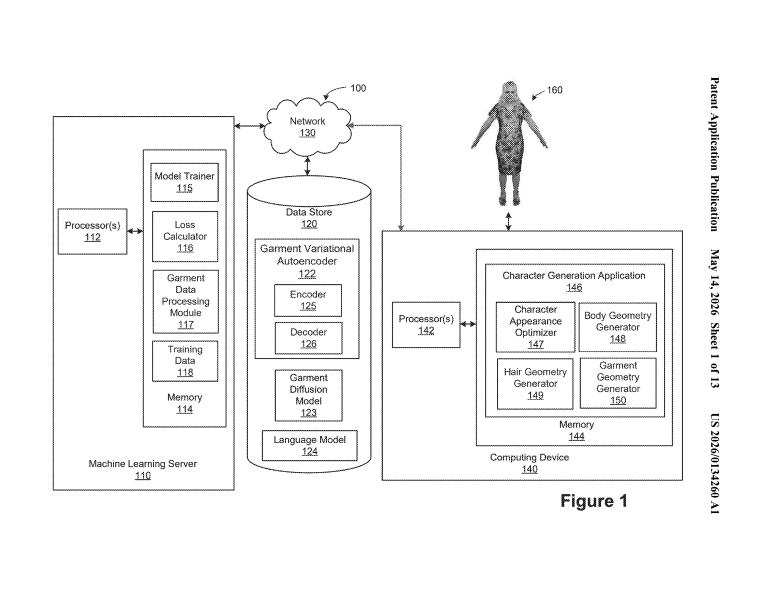
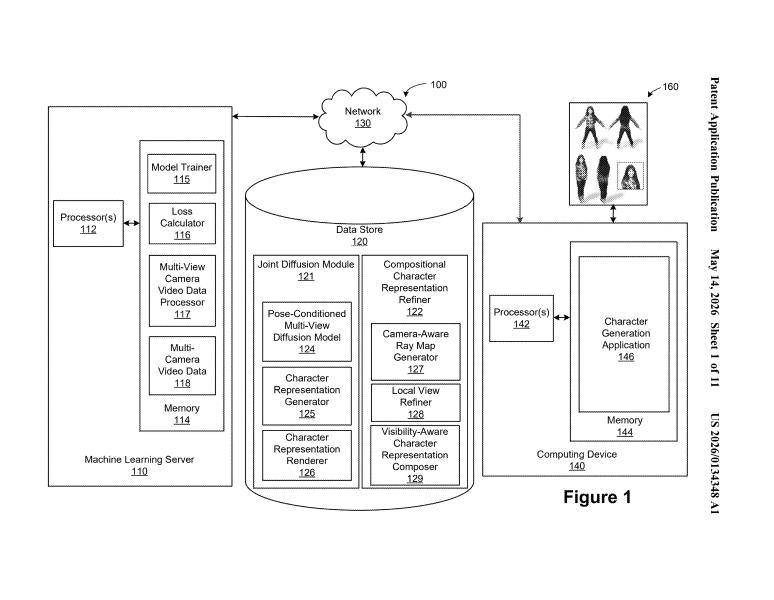
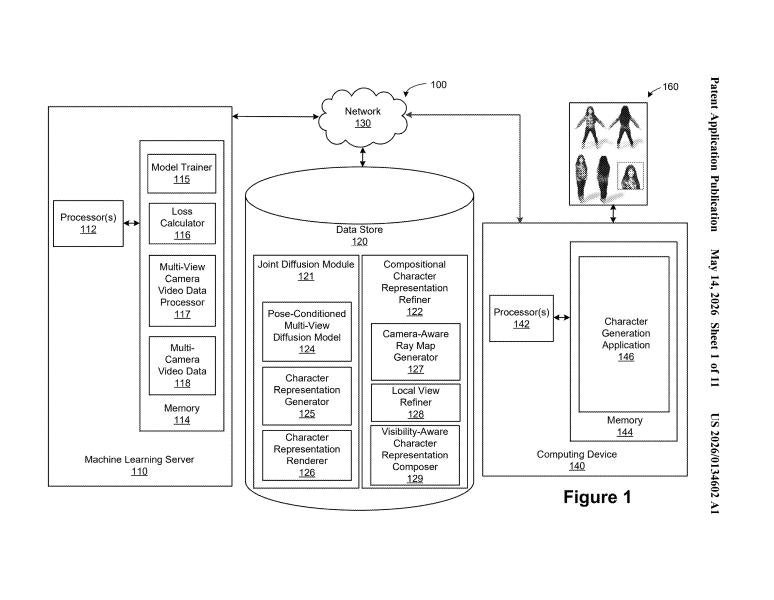
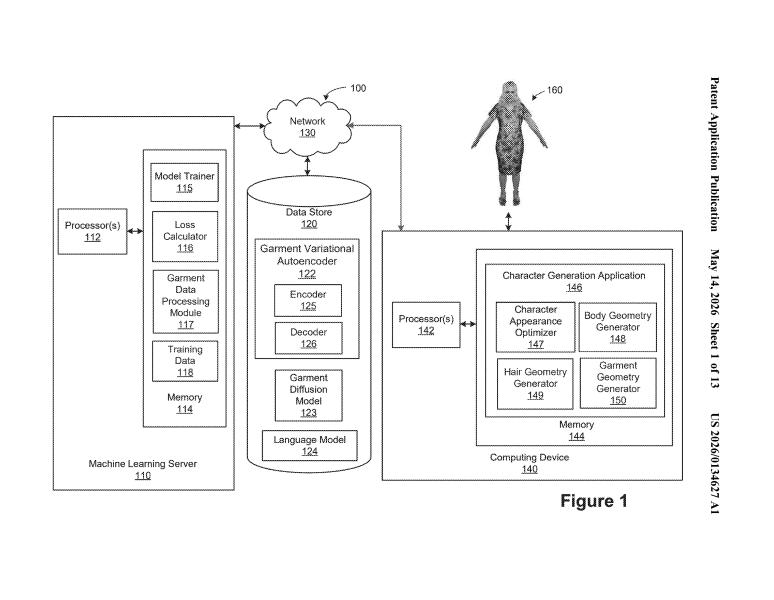
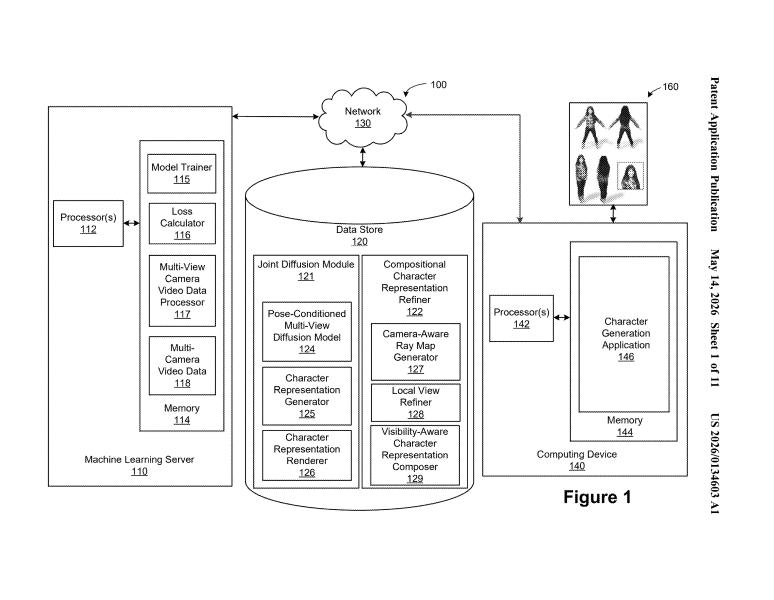
Several filings in this storyline describe pipelines that turn a plain-text description, like 'a flowing medieval tunic,' into a fully rigged, simulation-ready 3D character. Other filings apply the same goal to video footage, training a model to reconstruct an animatable character from ordinary footage instead of a studio capture rig. The repeated appearance of near-identical titles and pipeline descriptions across multiple filings suggests Nvidia is filing overlapping claims around the same core idea, protecting different angles of the same text-to-character and video-to-character workflow.
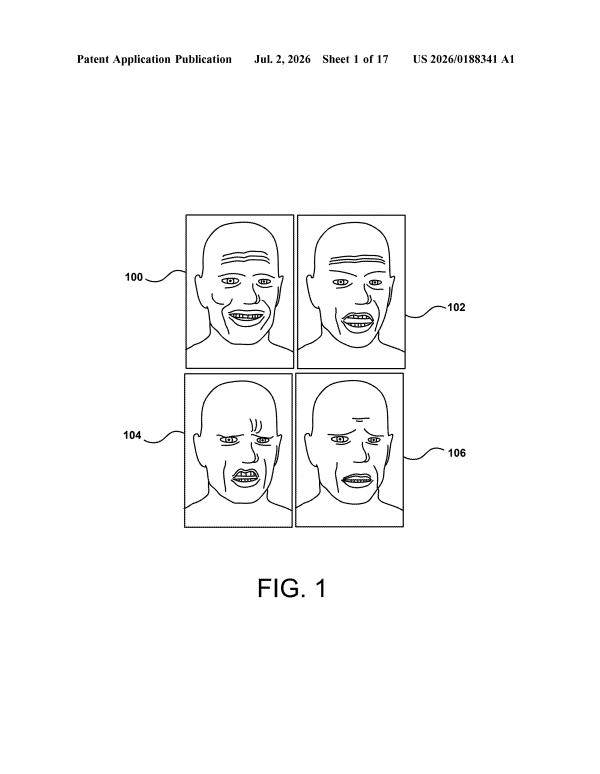
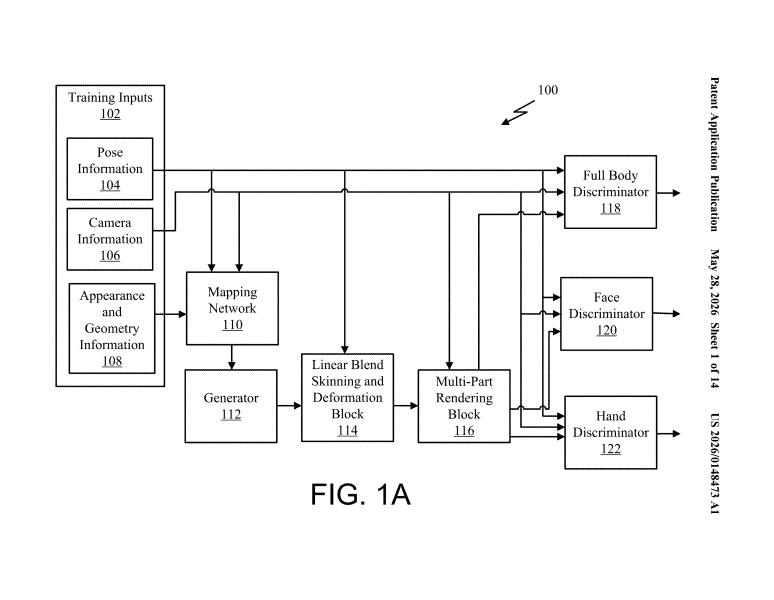
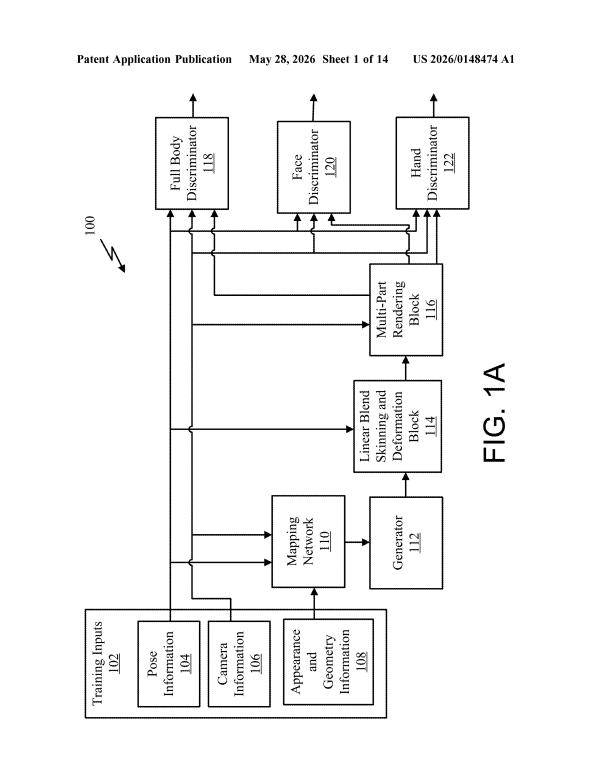
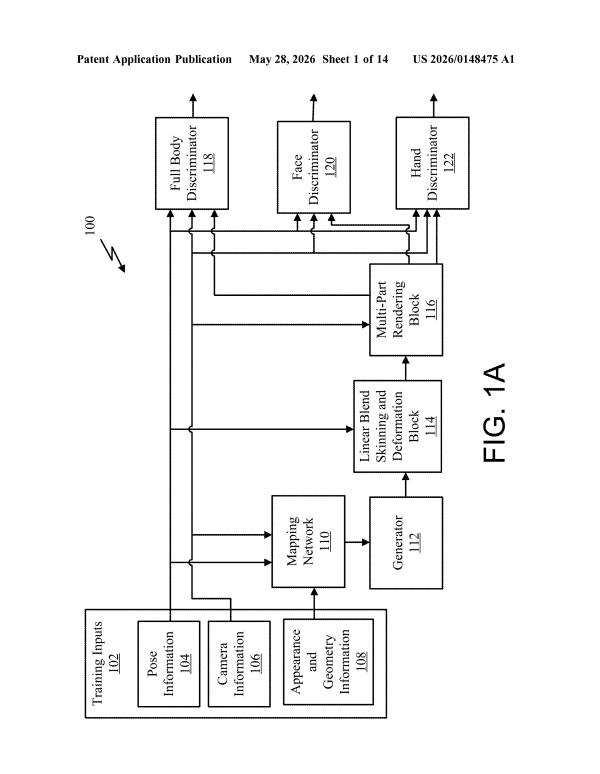
A second cluster of filings shifts from character generation to full digital humans. These describe a foundation model that generates a complete, photorealistic 3D human, including face, hands, and body, plus a related pipeline that trains this kind of model from ordinary 2D photos scraped from the internet rather than controlled studio capture. The engineering effort here concentrates on removing expensive capture setups from training while still producing a rigged, simulation-ready result.
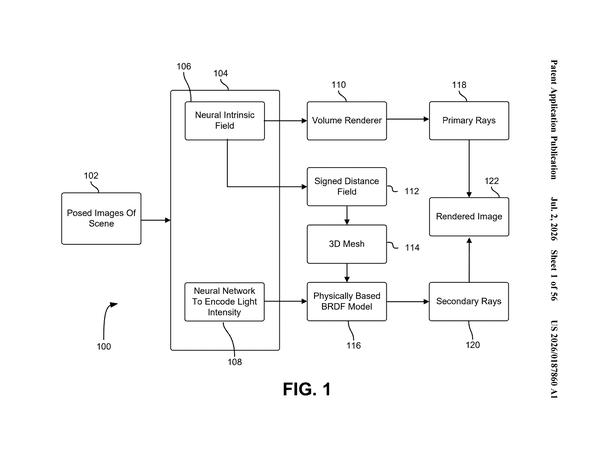
Across the batch, the same problem keeps resurfacing: getting from a rough input, whether text, a photo, or a video clip, to a character ready to animate and simulate without manual rigging by an artist. Readers tracking this storyline should watch for new filings that swap out the input type again, or that narrow in on a specific body part, like hands or faces, since that pattern has already shown up once in this set.
Questions readers ask
What problem is Nvidia trying to solve with these patents?
Across the filings, Nvidia is trying to replace manual 3D modeling and rigging with an AI pipeline that starts from a text prompt, a photo, or video footage and outputs a character ready to animate and simulate. The filings describe research direction, not a shipped product, so the exact workflow may change before anything reaches users.
Is this about generating game characters or something else?
The filings describe simulation-ready 3D characters and full digital humans generally, without naming a specific game or product. The same pipeline could apply to games, film, or other 3D content, but the patents themselves stay focused on the underlying generation method rather than a named use case.
How is this different from existing 3D character tools?
Existing tools generally need a trained artist to build and rig a character by hand, or a controlled capture studio to scan a real person. Nvidia's filings describe skipping both steps, generating a rigged, animatable character directly from a text description, ordinary video, or uncontrolled 2D photos instead.
Will these patents turn into real Nvidia products?
Patents describe what a company is exploring, not what it has committed to ship. This storyline shows Nvidia filing multiple related pipelines around text-to-3D and photo-to-3D characters, which signals sustained research interest, but there is no guarantee any of it becomes an announced product.