
Samsung Patents a Way to Turn Your Phone Into a Touch Controller for Games on Another Screen
Samsung is patenting a system that lets one device, say a phone, act as a dedicated touch controller for a game running on a second device, like a tablet or TV. It's a software-only solution to a problem anyone who has gamed on a big screen knows well: the screen is great, but tapping on it is awkward.
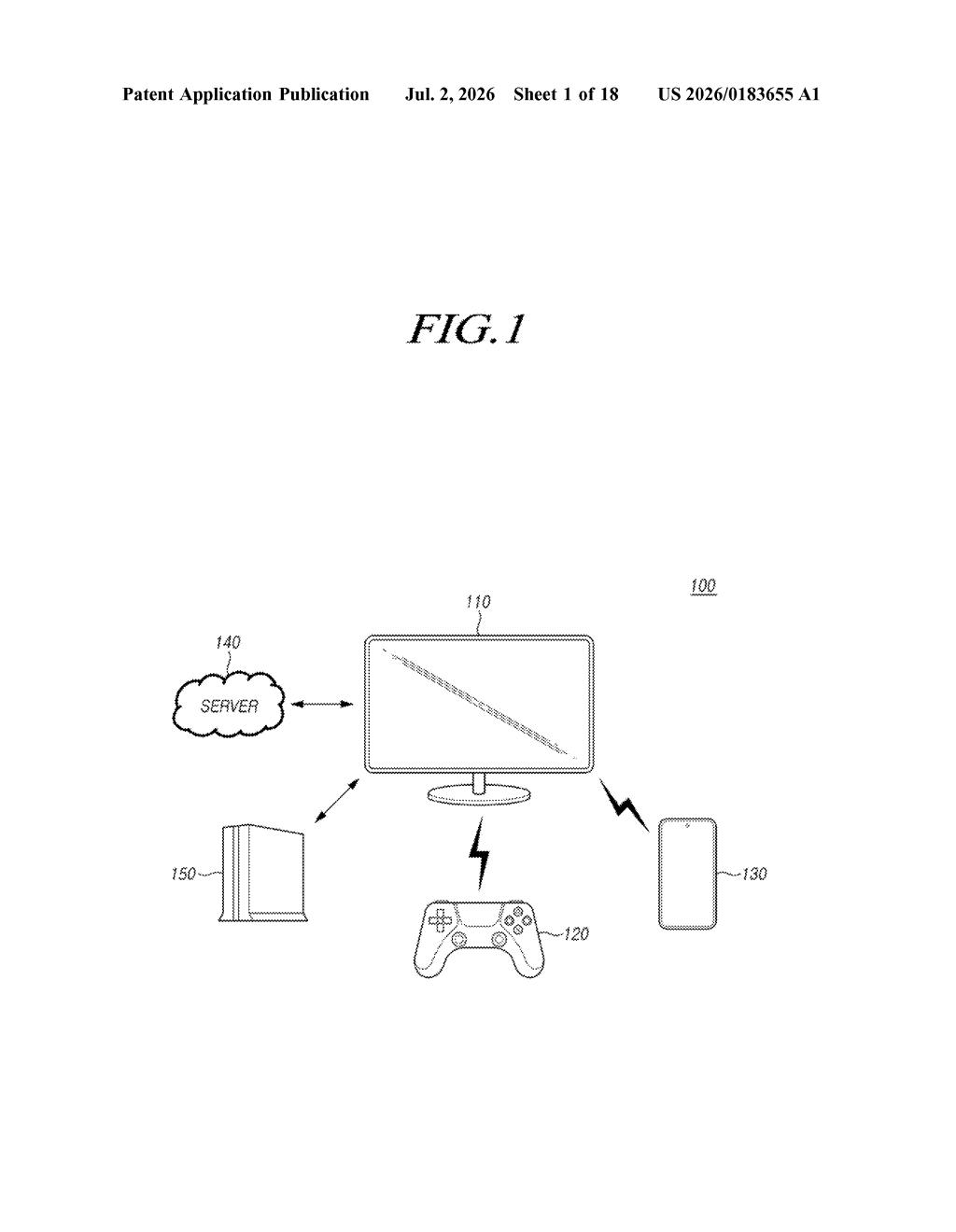
What Samsung's two-device game control setup actually does
Imagine you're playing a game on your Samsung tablet propped up on a stand. The game is beautiful on that big screen, but reaching across to tap the controls feels clumsy and blocks your view. This patent describes a fix: your phone automatically mirrors just the game's on-screen controls, and your taps on the phone are sent over to the tablet to actually play the game.
The tablet stays as your display, while your phone becomes your controller. No physical gamepad required, no Bluetooth pairing with a separate accessory. The control layout lives on your phone's touchscreen, and the game responds as if you had tapped the tablet directly.
The system works by detecting when a game asks for a touch-based control interface, then sending a mirrored copy of that control overlay to a second device. That second device captures your taps and passes the input signals back. Both devices are doing their job: one shows the game, the other captures your hands.
How the mirrored control interface handles touch inputs
The patent describes a three-step process that kicks in when a game running on a primary device (the "first electronic device") requests a touch control interface.
- Request detection: The primary device recognizes that the game needs a touch control layer, such as virtual buttons or a D-pad overlay.
- Screen mirroring of controls: Instead of showing those controls on top of the game itself, the system mirrors just the game control interface screen to a secondary device (the "second electronic device"), like a phone.
- Input relay: When the user taps the controls on the secondary device, those touch inputs are converted into input signals and sent back to the primary device to control the game, as if the input had happened locally.
The key distinction here is that what gets mirrored is not the full game screen but specifically the control interface layer. This keeps the game display clean on the primary screen while offloading finger placement to a device that's easier to hold.
The patent frames this as a response to a specific request, meaning the game or the user triggers the handoff deliberately, rather than it happening automatically all the time.
What this means for Samsung's gaming and device ecosystem
For anyone playing games on a large Samsung screen, whether a tablet, a foldable in tablet mode, or a TV with a connected Galaxy device, this removes one of the main reasons people still buy physical gamepads. Your phone becomes the controller, with a layout that can change per game rather than being fixed in hardware.
From a product strategy angle, Samsung makes both the phones and the larger displays, so a feature like this reinforces the value of staying inside the Galaxy ecosystem. It also fits neatly alongside Samsung DeX and existing screen-mirroring features, suggesting this could be a relatively low-lift addition to existing software rather than a new standalone product.
This is a sensible, practical idea that Samsung is well-positioned to ship, given it already sells both ends of the two-device setup. It's not a technical leap, but it fills a real gap for tablet gamers who don't want to carry a gamepad. The bigger question is whether game developers would need to do any extra work to make their control interfaces mirror correctly, which the patent doesn't fully address.
There are more where this came from
We read every patent application Big Tech publishes and send you the ones worth knowing. Plain English, free, every week.
Want this weekly breakdown for a company we don't cover? Patentlyze Pro →
Be the first to weigh in