
Samsung Patents a System That Tracks Battery Wear and Adjusts Every Charge
Every time you plug in your Samsung phone, its battery ages a little. This patent describes a system that notices that aging in real time and corrects for it before the next charge is done.
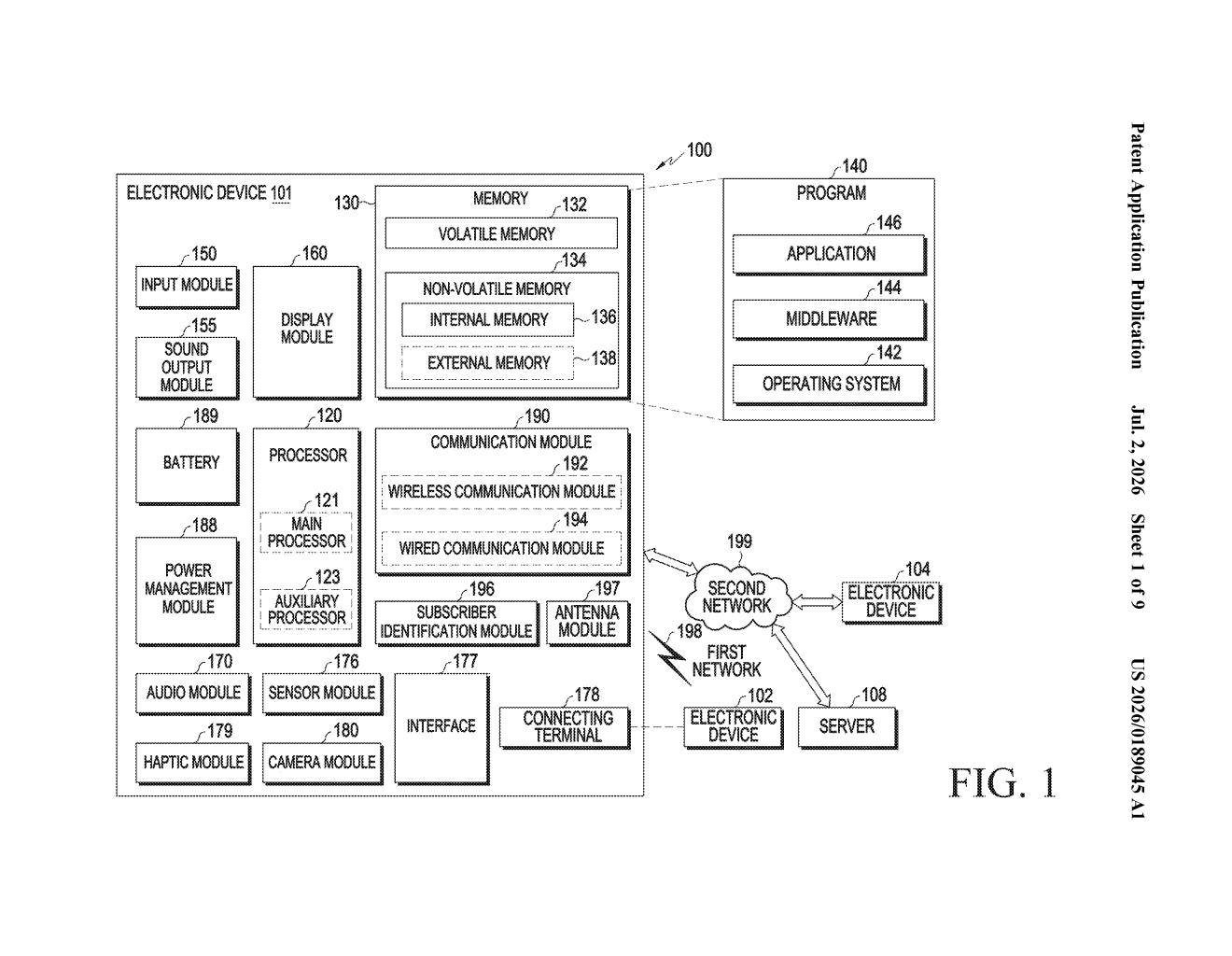
What Samsung's per-charge battery health system actually does
Imagine your phone secretly keeping a health diary for its battery. Each time you plug it in, it notes how depleted the battery was at the start and how full it got by the end. Over time, those entries tell a story about how much the battery has worn down.
That's roughly what this Samsung patent describes. The device tracks the state of the battery at the beginning and end of each charging session, uses that data to assess how degraded the battery has become, and then applies a compensation adjustment during future charges to account for that wear.
In practice, this could mean your phone charges in a way that accounts for its real-world battery condition rather than assuming the battery is still brand new. The goal is to keep charging accurate and safe even as the battery ages over months and years of daily use.
How the device logs charge sessions and acts on the data
When charging begins, the device identifies which external charger or device is supplying power (via connection information). It then records the battery's condition at that moment as charging start state information and stores it in memory.
Once the battery reaches a fully charged end state, the device records a second snapshot: charging end state information. By comparing the two snapshots, the processor can assess the current degradation level of the battery, essentially calculating how much capacity the battery has lost compared to when it was new.
Based on that measured degradation, the device performs a compensation operation during the next or ongoing charge. The patent doesn't specify the exact correction (voltage curve adjustments, charge rate throttling, and top-off behavior are common candidates in this space), but the system is designed to adapt charging behavior to match the battery's actual condition.
- Logs charger identity and battery state at charge start
- Logs battery state at charge completion
- Computes degradation level from the two data points
- Applies a correction to the charging process based on that result
What this means for long-term phone battery life
Most phones today charge as if their battery is the same on day one and day 500. In reality, battery cells lose capacity and change their internal resistance over time, which means the same charging routine that was safe and efficient when the phone was new can become less accurate and potentially more stressful to the battery later on.
A system like this one, if it ships in a Samsung device, could extend your phone's overall battery lifespan by making sure the charging logic stays calibrated to the battery's actual condition. That's particularly relevant now that regulators in the EU and elsewhere are pushing for phones to maintain higher battery health over longer ownership periods.
This is the kind of unglamorous engineering that actually makes a difference to how long your phone stays usable. Battery health management is a real pain point for consumers, and a feedback loop that adjusts charging based on measured wear is a meaningful step beyond what most phones do today. Whether Samsung ships this as described, or whether it ends up buried in a software layer nobody can see, is the real question.
Get our take in your Top Stories
Liked this breakdown? Add Patentlyze as a preferred source on Google, and our plain-English take shows up more often in your Top Stories the next time Samsung patent news breaks.
There are more where this came from
We read every patent application Big Tech publishes and send you the ones worth knowing. Plain English, free, every week.
Want this weekly breakdown for a company we don't cover? Patentlyze Pro →