
Samsung Patents a Foldable Phone Display That Also Works as an Antenna
Samsung wants to stop wasting space on a dedicated antenna strip by turning a conductive layer already built into the flexible display into the antenna itself. It's a two-for-one that could make foldable phones thinner and better at holding a signal.
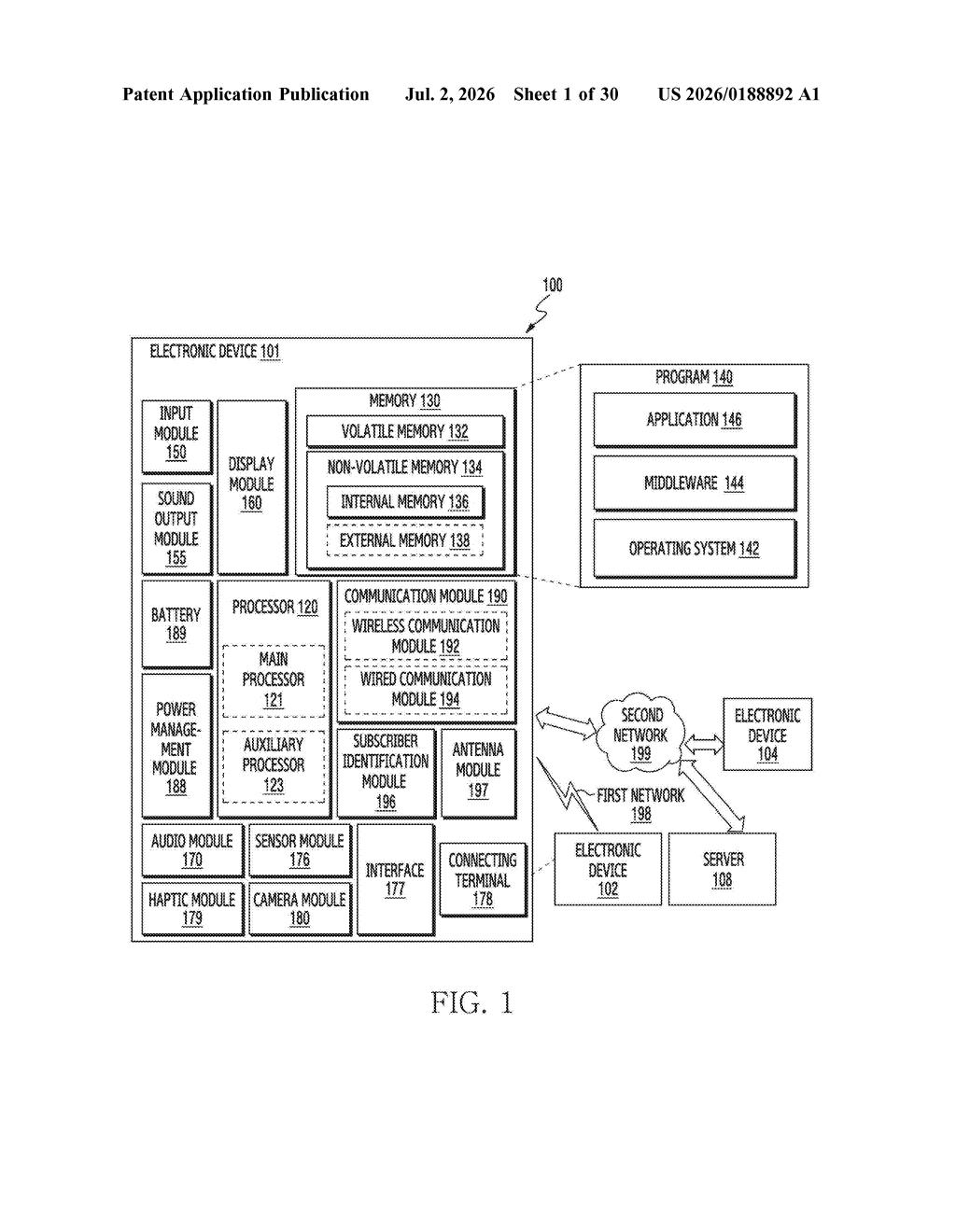
How Samsung hides an antenna inside a folding screen
Phones have antennas hidden somewhere inside the body, usually thin metal strips tucked near the edges. In a foldable phone, finding room for those strips is a genuine puzzle because the hinge, the folding screen, and the battery are all competing for the same tight space.
Samsung's patent describes a different approach: take the conductive (electrically active) layer that already exists inside the flexible display stack, and connect it directly to the phone's wireless radio. The part of that layer sitting in the visible screen area stays as-is, just doing its normal screen job. The part that extends into the hidden, non-moving section of the housing gets wired up as an actual antenna, with a feed point (where the radio signal enters) and a ground point (where the electrical circuit completes).
The result is that one physical layer does two jobs at once. You get your screen and your antenna from the same piece of material, without carving out extra room for a separate antenna component.
How the conductive sheet layer doubles as a radio antenna
The patent describes a sliding or foldable device with two housing sections that move relative to each other. The flexible display spans across both sections but has two distinct zones: an active area (the visible screen that shows content) and a non-active area (a portion permanently hidden inside the fixed part of the housing, regardless of how you open or extend the device).
Built into the display's layered construction is a conductive sheet, essentially a thin metallic or metallized film. The patent splits this sheet into two functional parts:
- First part: sits inside the visible screen area and supports normal display operation.
- Second part: sits inside the non-active, always-hidden zone and is wired to the phone's wireless radio circuitry via a feed point and to the device's electrical ground via a ground point.
By connecting those two electrical contacts, Samsung turns the second part of the conductive sheet into a working antenna. The wireless circuitry (handling cellular, Wi-Fi, Bluetooth, or similar) then uses that section of the display layer to transmit and receive signals, rather than relying on a separate dedicated antenna element.
Because the non-active zone never moves (it stays fixed inside the stationary housing section), the feed and ground connections stay stable even as the user opens and closes the device.
What this means for thinner foldable Samsung phones
Foldable and rollable phones already sacrifice internal volume to the mechanical hinge and the extra display material that folds away. Fitting traditional antenna bands into that geometry forces engineers into painful tradeoffs between signal performance, battery size, and overall thinness. By drafting a layer that was going inside the display anyway, Samsung potentially gets a usable antenna without adding any new components or cutting into that limited space.
For Galaxy Z Fold and Galaxy Z Flip class devices (or any future sliding-screen Samsung phone), this could translate into either slimmer bodies or more room for a bigger battery. It also reduces the number of separate parts in the assembly, which generally makes manufacturing more reliable. Signal quality would depend entirely on how well the conductive sheet performs as a radiating element, but the core engineering bet here is sound.
This is a genuinely clever piece of antenna engineering, not a vague future-concept filing. The non-active display zone is dead real estate that every foldable phone already has, so repurposing it as an antenna is the kind of practical, space-saving idea that tends to actually ship. Watch for this pattern to show up across Samsung's foldable lineup over the next few generations.
Get our take in your Top Stories
Liked this breakdown? Add Patentlyze as a preferred source on Google, and our plain-English take shows up more often in your Top Stories the next time Samsung patent news breaks.
There are more where this came from
We read every patent application Big Tech publishes and send you the ones worth knowing. Plain English, free, every week.
Want this weekly breakdown for a company we don't cover? Patentlyze Pro →