
Samsung Patents a Fix for AI Text That Keeps Repeating the Same Words
Anyone who has used an AI writing tool has seen it go in circles, using the same word three times in a row. Samsung's new patent targets exactly that problem, with a twist that keeps the AI's ability to end a sentence or stop generating text completely intact.
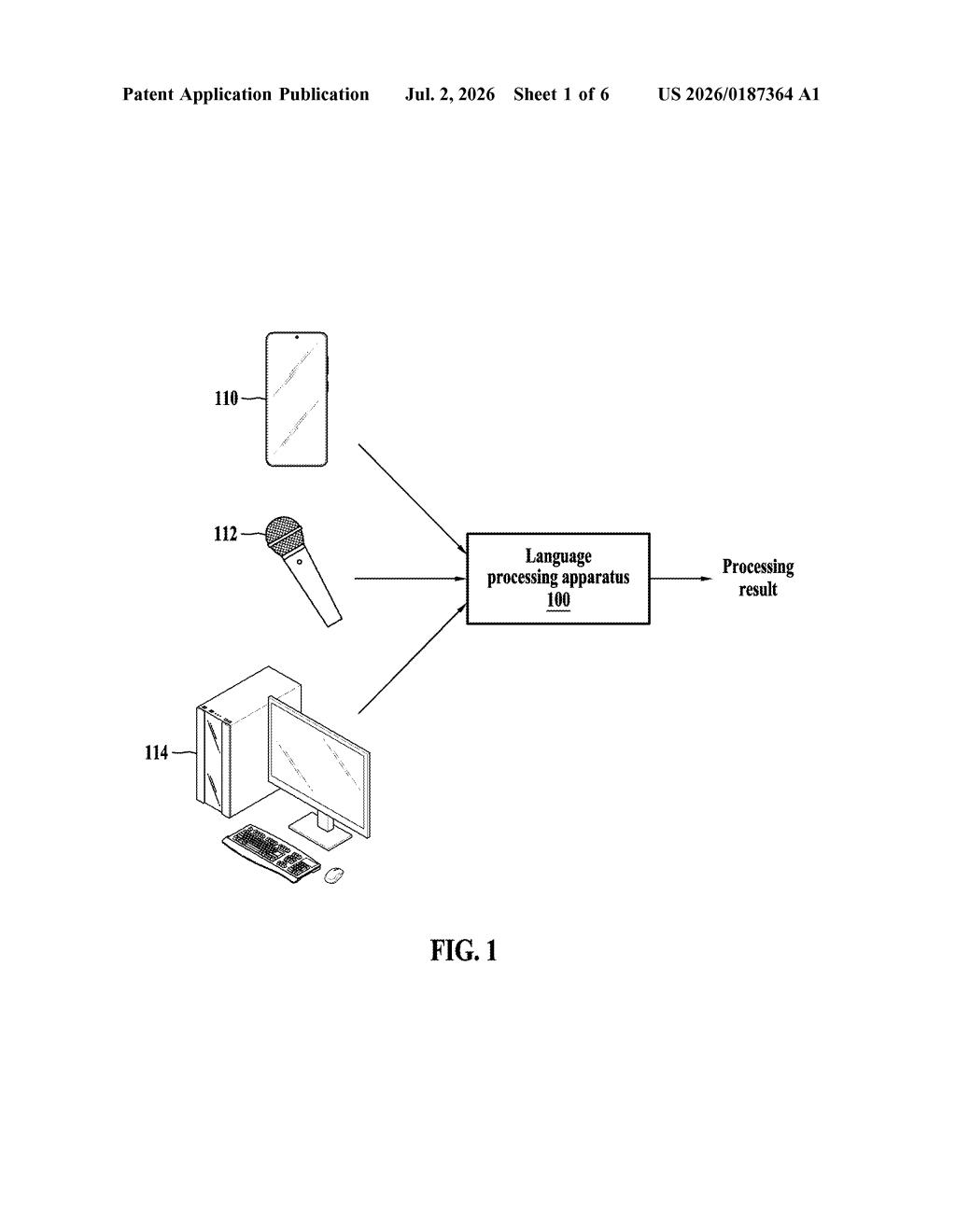
What Samsung's word-repetition fix actually does
Imagine you're using a keyboard that tries to predict your next word. The AI powering it has read billions of sentences, but it still has a bad habit: once it picks a word, it tends to keep picking that same word over and over. The result is text that sounds stuck.
Samsung's patent describes a system that watches which words you've already typed and dials down the chances that the AI will suggest those same words again. If "great" has already appeared twice, the system nudges the AI toward something else.
The clever part is what the system deliberately leaves alone. There are special signals inside these AI models that mean things like "stop here" or "end the sentence." Samsung's method keeps those signals untouched, so the AI can still wrap up a thought naturally instead of rambling forever.
How the token probability adjustment skips special signals
The patent describes a pipeline with four main steps:
- Tokenization: The input text is broken into tokens (small units, roughly words or word-pieces) to form a sequence the model can read.
- First probability pass: A generative language model (a text-prediction AI, similar to the kind that powers autocomplete or chatbots) scores every possible next token, producing what the patent calls "first probability data."
- Frequency-based adjustment: The system counts how often each token already appears in the current sequence. Tokens that show up frequently get their probability scores lowered, making repetition less likely. This produces "second probability data."
- Token selection: The system picks the next token based on the adjusted scores.
The special token exception is the key detail. Special tokens are control signals inside the model, things like end-of-sequence markers that tell the AI when to stop generating. Because these tokens don't represent real words, penalizing them for "frequency" would accidentally make the AI unable to finish a sentence. Samsung's method explicitly excludes them from the frequency penalty, so their probability scores pass through unchanged.
What this means for on-device AI keyboards and assistants
Repetition in AI-generated text is a well-known problem, and fixing it without breaking the model's ability to terminate cleanly is trickier than it sounds. This patent suggests Samsung is doing that work at a low level, inside the inference pipeline itself, rather than patching it with post-processing filters after the text is already generated. That approach tends to be faster and more power-efficient, which matters for on-device AI running on a phone with a limited battery.
For users, the practical payoff is autocomplete, on-device assistants, and keyboard suggestions that sound less robotic. Samsung ships AI writing features on its Galaxy devices, so this kind of improvement could find its way into products many people already own.
This is a narrow but real engineering problem, and the solution here is clean. Excluding special tokens from the repetition penalty is the kind of detail that separates a working product from a demo. It's not a headline AI capability, but it's exactly the unglamorous work that makes AI text feel less annoying to use every day.
Get our take in your Top Stories
Liked this breakdown? Add Patentlyze as a preferred source on Google, and our plain-English take shows up more often in your Top Stories the next time Samsung patent news breaks.
There are more where this came from
We read every patent application Big Tech publishes and send you the ones worth knowing. Plain English, free, every week.
Want this weekly breakdown for a company we don't cover? Patentlyze Pro →