
IBM Patents a System That Automatically Checks Web Page Layouts for Broken Designs
Anyone who has ever opened a website on their phone only to find buttons overlapping or text spilling off the screen knows the problem IBM is trying to fix here. This patent describes a way to catch those layout errors automatically, before users ever see them.
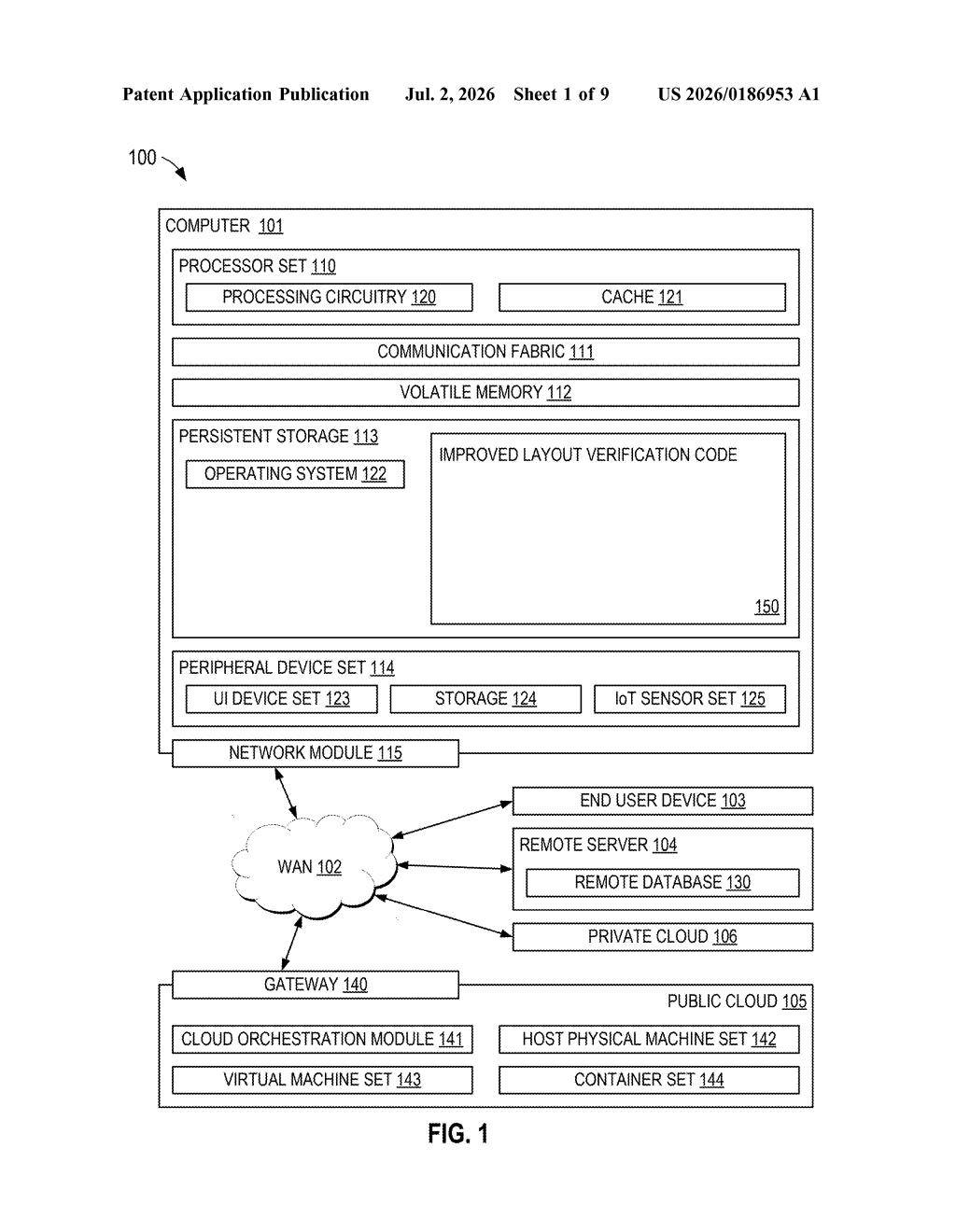
What IBM's automated layout checker actually does
Imagine you build a website that looks perfect on your laptop, but when someone opens it on a smaller phone or a large tablet, buttons start overlapping, images get clipped, and the whole page looks broken. Catching those problems today usually means someone manually checking the site on dozens of different devices, which takes time and is easy to miss.
IBM's patent describes a method that takes a screenshot of a web page on one device, maps out where every button, image, and block of text sits, and records their exact sizes and the spaces between them. That baseline snapshot can then be compared against what the page looks like on other screen sizes.
The goal is to let software do the tedious inspection work automatically, flagging anything that has shifted, shrunk, or disappeared in a way it shouldn't. It's essentially a measuring tape for web pages, built into a testing tool.
How the system measures margins, borders, and element positions
The patent describes a method that starts by taking a screenshot of a web page as it appears on a reference device (called the "base device"). From that image, the system identifies every visible UI element (buttons, images, text blocks, navigation bars) and draws a bounding box around each one.
Once those boxes are drawn, the system records three things:
- The distribution of elements (where each one sits on the page relative to the others)
- The area each element occupies inside its bounding box
- The margin sizes between elements and the edges of the screen
Think of it like a blueprint: the system is creating a precise spatial record of the original layout. That record can later be compared against screenshots taken on different devices or browsers to detect layout regressions (places where the design broke when the screen size changed).
The claim as filed covers just the measurement and recording stage. Presumably a full implementation would add a comparison and reporting step, though those aren't detailed in the first independent claim.
What this means for web developers and quality testing
Web developers already use tools like Selenium or Playwright to run automated tests, but those tools are mostly focused on whether a page functions correctly, not whether it looks correct. Catching visual layout bugs still relies heavily on manual review. A system that can automatically snapshot and measure layouts could slot into existing testing pipelines and catch broken designs before they reach users.
For IBM, this fits its broader push into enterprise software quality tooling. The practical beneficiary would be any organization running large websites across many device types, where manual visual review doesn't scale.
This is incremental but genuinely useful work. Automated visual regression testing is a real gap in web development workflows, and encoding it as a formal, measurable method is a reasonable way to approach it. That said, the first independent claim covers only the measurement setup, not the comparison logic that would make it actionable, so the patent as published describes a foundation more than a finished system.
There are more where this came from
We read every patent application Big Tech publishes and send you the ones worth knowing. Plain English, free, every week.
Want this weekly breakdown for a company we don't cover? Patentlyze Pro →
Be the first to weigh in