
Samsung Patents Split-Screen Display Technology Designed for Artificial Intelligence Image Output
Samsung Display has patented a screen that can electrically divide itself into two separate halves the moment an AI feature kicks in, letting each zone operate on its own timing and signals.
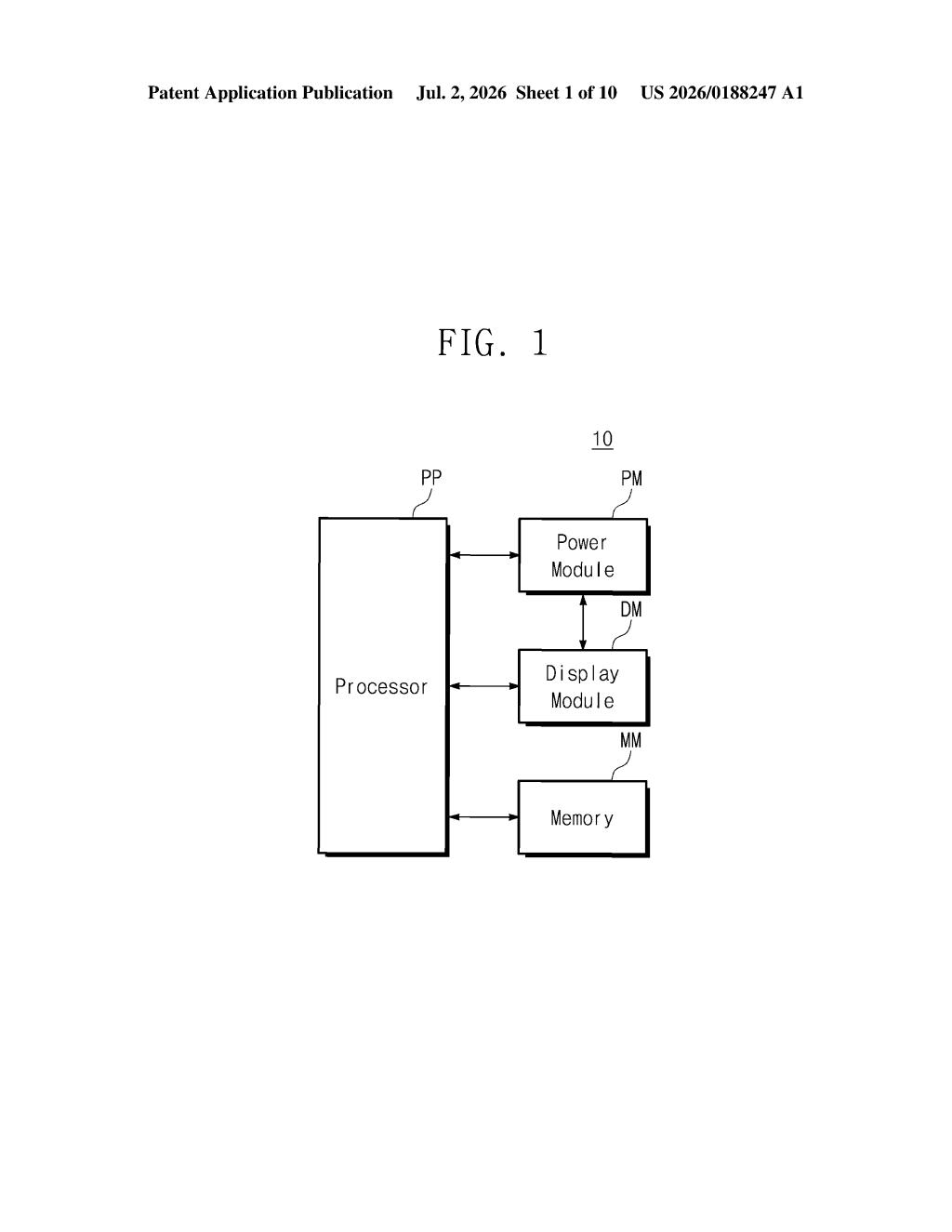
What Samsung's AI display split actually does
Imagine your phone screen as a single road with all the traffic lights controlled by one system. Now imagine you want one half of the screen to show an AI assistant's response while the other half keeps displaying whatever you were doing. If both halves are still linked together electrically, they have to follow the same rules at the same time, which can cause conflicts.
Samsung's patent describes a display that solves this by having tiny electronic switches built into the screen itself. When the device detects that an AI mode is active, those switches open and the screen becomes two independent zones, each driven by its own set of signals.
The practical upside: the AI panel can refresh, dim, or update on its own schedule without disturbing what's happening on the rest of the screen. Think of it like giving the AI its own dedicated lane on that road.
How the switching transistors separate the two screen zones
The patent describes a display panel divided into two areas, a first display area and a second display area, each with its own set of scan lines (the horizontal wires that tell pixels when to update). Normally, these two sets of scan lines are electrically linked together through switching transistors, essentially tiny on/off gates, so the whole screen behaves as one unit.
A driving controller monitors a "mode signal" sent by the device's processor. When that signal flags an AI mode, the controller sends a switching signal that opens those transistors, cutting the electrical connection between the two areas. From that point on, a dedicated scan driving circuit handles each zone independently.
Key components in the system:
- First scan driving circuit: handles scan signals for the main display area
- Second scan driving circuit: handles scan signals for the AI display area
- Data driving circuit: feeds pixel-level image data to the whole panel
- Switching transistors: the physical gates that link or separate the two zones on demand
When AI mode ends, the controller can close those transistors again and the screen returns to unified operation. The whole handoff is managed in hardware, not just in software, which in principle makes it faster and more reliable.
What this means for AI-assisted device screens
Phones and tablets are increasingly expected to show an AI panel alongside regular content, whether that's a summarizer, a chat assistant, or an image generator. Today's displays aren't really built for that: the whole screen runs off one timing system, so mixing AI content with regular content can create flicker, tearing, or refresh-rate mismatches that are hard to fix in software alone. Samsung's approach bakes the split into the hardware, giving each zone its own electrical path.
For you as a user, this could mean an AI assistant panel that updates at its own pace without causing your video or game to stutter. It also suggests Samsung Display is thinking about AI as a persistent, dedicated screen region rather than just another app window, which is a meaningful design bet for whatever devices this technology eventually lands in.
This is a genuinely thoughtful piece of display engineering rather than a marketing checkbox. Splitting a screen electrically rather than just logically in software is the kind of low-level work that tends to show up in products years before anyone notices it. Whether Samsung ends up using this in phones, tablets, or something else, the underlying idea of giving AI its own display zone in hardware is worth taking seriously.
Get our take in your Top Stories
Liked this breakdown? Add Patentlyze as a preferred source on Google, and our plain-English take shows up more often in your Top Stories the next time Samsung patent news breaks.
There are more where this came from
We read every patent application Big Tech publishes and send you the ones worth knowing. Plain English, free, every week.
Want this weekly breakdown for a company we don't cover? Patentlyze Pro →