
IBM Patents a System for Erasing Private Data From AI Models on Demand
Once an AI model learns something, making it forget is notoriously hard. IBM has filed a patent for a structured training approach that makes targeted forgetting a lot more practical.
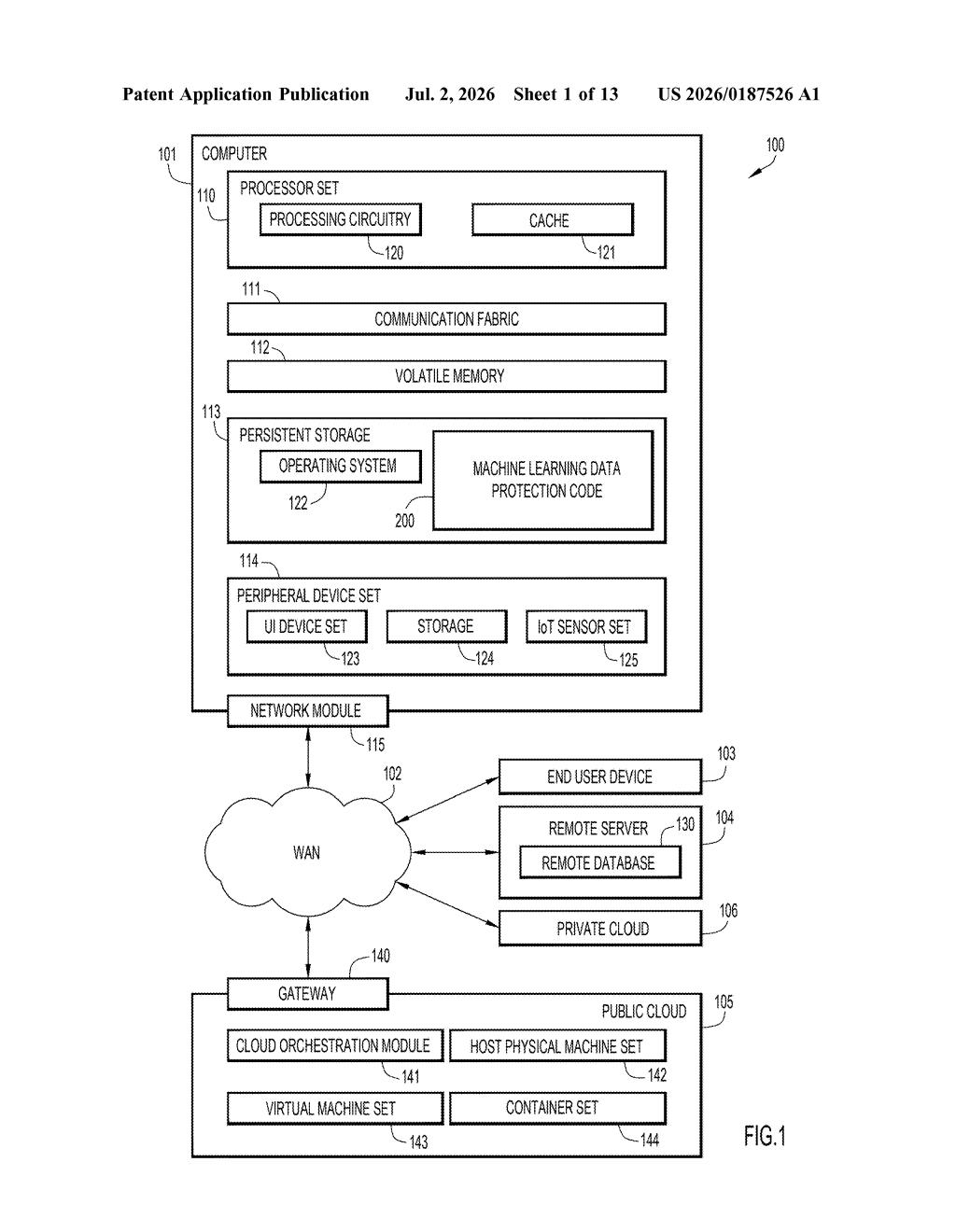
What IBM's AI data-erasure system actually does
Imagine a company trains an AI on thousands of customer records, then one customer exercises their legal right to have their data deleted. With most AI systems today, the only clean fix is to throw out the model and retrain it from scratch without that person's data, an expensive, time-consuming process.
IBM's patented approach tries to sidestep that problem by organizing training data into labeled groups and smaller blocks before training even begins. The system sorts data by how densely packed similar records are, and then assigns each block a built-in "likelihood of needing deletion." The AI is then trained in stages, block by block, rather than all at once.
When a deletion request comes in, the system doesn't have to start over. It just retrains the model on the replacement data within the specific block that contained the sensitive information. Think of it like updating a single chapter in a book rather than rewriting the whole thing.
How IBM's block-training method targets data for removal
The patent describes a multi-step pipeline designed to make AI models easier to selectively "unlearn" specific data.
- Partitioning: The training dataset is first split into categories based on the nature of the data.
- Density-based extraction: Data is sampled from those categories based on how densely clustered similar records are (dense clusters tend to have more representative examples, so the system can afford to be selective).
- Block division: The resulting filtered dataset is carved into discrete blocks. Each block is assigned a probability of deletion, meaning the system anticipates which chunks of data are most likely to need to be removed later.
- Incremental training: The model is trained segment by segment across those blocks, not all at once.
When removal is needed, the system retrains the model using only the subsequent data within the corresponding block that held the sensitive record. This targeted retraining overwrites what the model learned from the flagged data without touching the rest of its knowledge. The approach is sometimes called "machine unlearning" in AI research.
What this means for AI privacy rules like GDPR
Privacy regulations like GDPR in Europe and CCPA in California give individuals the right to request deletion of their personal data, including data used to train commercial AI systems. For most companies today, honoring those requests inside a deployed AI model is either technically impossible or prohibitively expensive.
IBM's approach, if it works as described, could make compliance with data-deletion laws much more tractable for enterprise AI deployments. Your data doesn't have to be permanently baked into a model just because it was used in training. That has real implications for any organization using AI on sensitive data: healthcare records, financial history, or personal communications.
Machine unlearning is a genuinely hard problem, and IBM is one of a handful of large tech companies filing serious patents in this space. The approach here, pre-structuring training data with deletion in mind, is sensible engineering rather than a workaround. Whether it scales to the size of models companies actually deploy in production is the real question, and the patent doesn't answer that.
Get our take in your Top Stories
Liked this breakdown? Add Patentlyze as a preferred source on Google, and our plain-English take shows up more often in your Top Stories the next time IBM patent news breaks.
There are more where this came from
We read every patent application Big Tech publishes and send you the ones worth knowing. Plain English, free, every week.
Want this weekly breakdown for a company we don't cover? Patentlyze Pro →