
Sony Patent Puts Tiny Ear Cup Fans Into VR Headsets
Sony Interactive Entertainment has patented headphones that don't just play sound into your ears, they blow air into them too, with fans built into each ear cup that can be controlled by whatever game or app you're running.
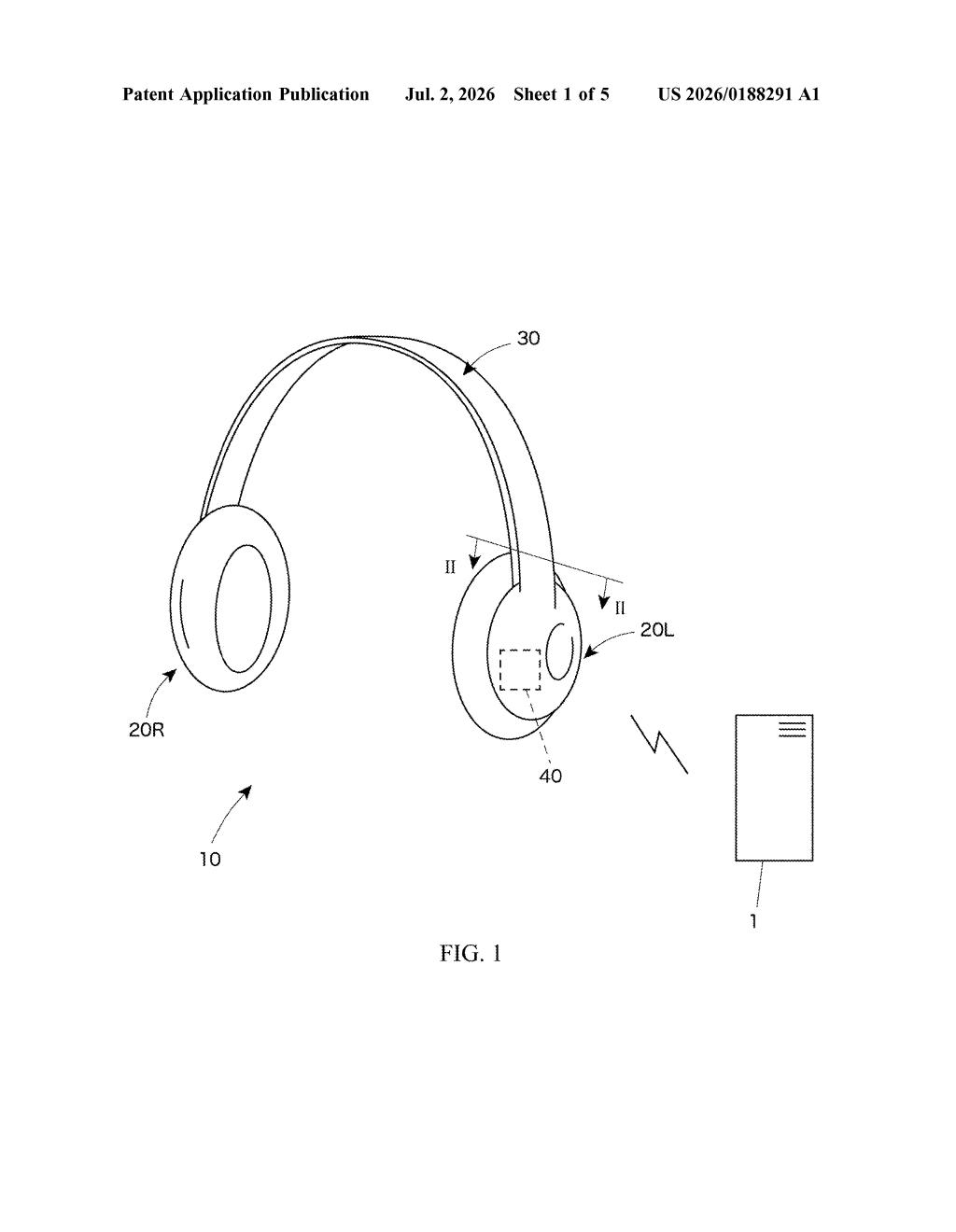
What Sony's ear-airflow headphone patent actually does
Imagine playing a horror game and feeling a cold breeze hit your ear the moment a ghost appears on screen. That's the general idea behind this Sony patent.
The filing describes headphones with a small fan unit inside each ear cup. The cushioned ear pad seals around your ear to create a little air chamber, and then the fan pushes or moves air around inside that space. A connected device, like a game console or phone, sends instructions telling the fans when and how to blow.
The goal is to make you feel something, not just hear it. Wind from an in-game storm, the rush of air as a car speeds past you, or simply a cooling breeze during a long gaming session could all theoretically be delivered straight to your ears.
How the air chamber and fan unit work together
The patent describes a headphone design where each ear cup (called a "housing unit") contains three key components working together:
- An ear pad that wraps around the ear and creates a sealed air chamber, similar to how noise-canceling headphones block outside sound today.
- A speaker unit sitting inside that chamber, delivering audio as normal.
- An airflow control unit, essentially a small fan or similar mechanism, that moves air within that sealed space.
The airflow is not random. According to the patent, an external information processing device (a game console, PC, or phone) sends specific "airflow control instructions" to the headphones. That means software can trigger, time, and vary the airflow in sync with whatever is happening on screen or in an audio track.
A companion claim covers a standalone "wearable device" version of the same concept, suggesting Sony may be thinking beyond traditional over-ear headphones toward something closer to a VR headset accessory.
What this could mean for PlayStation VR and gaming audio
For Sony, which makes both the PlayStation console and the PlayStation VR2 headset, adding tactile air sensation to audio is a logical next step. The company already ships the DualSense controller, which uses haptic feedback and adaptive triggers to make players feel in-game events. Bringing that same philosophy to headphones, where your ears could sense wind, heat, or pressure changes alongside sound, would extend that immersion to a new part of your body.
There are also practical uses beyond gaming. Cooling airflow during long listening sessions is a common complaint about over-ear headphones, and a controlled in-ear breeze could address comfort as much as immersion. Whether this ever ships as a real product is another question entirely, but the underlying idea is genuinely different from anything on the market today.
This is one of the more creative sensory patents to come out of the gaming space in a while. Sony has a real track record of following through on haptic-feedback ideas (the DualSense is proof), so it would be wrong to dismiss this as a novelty. That said, fitting a working fan into an ear cup without making the headphones enormous, loud, or uncomfortable is a real engineering challenge Sony hasn't addressed here.
Get our take in your Top Stories
Liked this breakdown? Add Patentlyze as a preferred source on Google, and our plain-English take shows up more often in your Top Stories the next time Sony patent news breaks.
There are more where this came from
We read every patent application Big Tech publishes and send you the ones worth knowing. Plain English, free, every week.
Want this weekly breakdown for a company we don't cover? Patentlyze Pro →