
Meta Patent Lets Pinch-and-Twist Wrist Gestures Control Smart Glasses Volume
Meta wants you to turn up the volume on your smart glasses the same way you'd adjust an invisible dial, pinch your fingers together, twist your wrist, and the sound goes up. No buttons, no voice commands, no phone required.
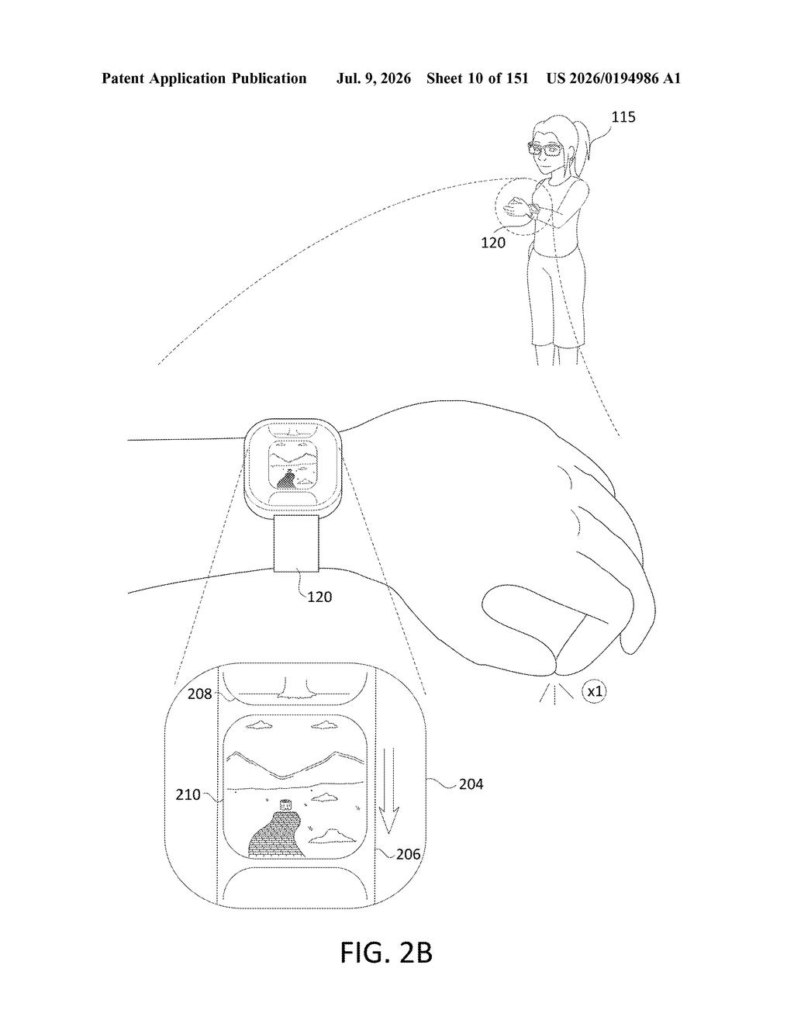
How Meta's pinch-and-twist gesture controls your glasses
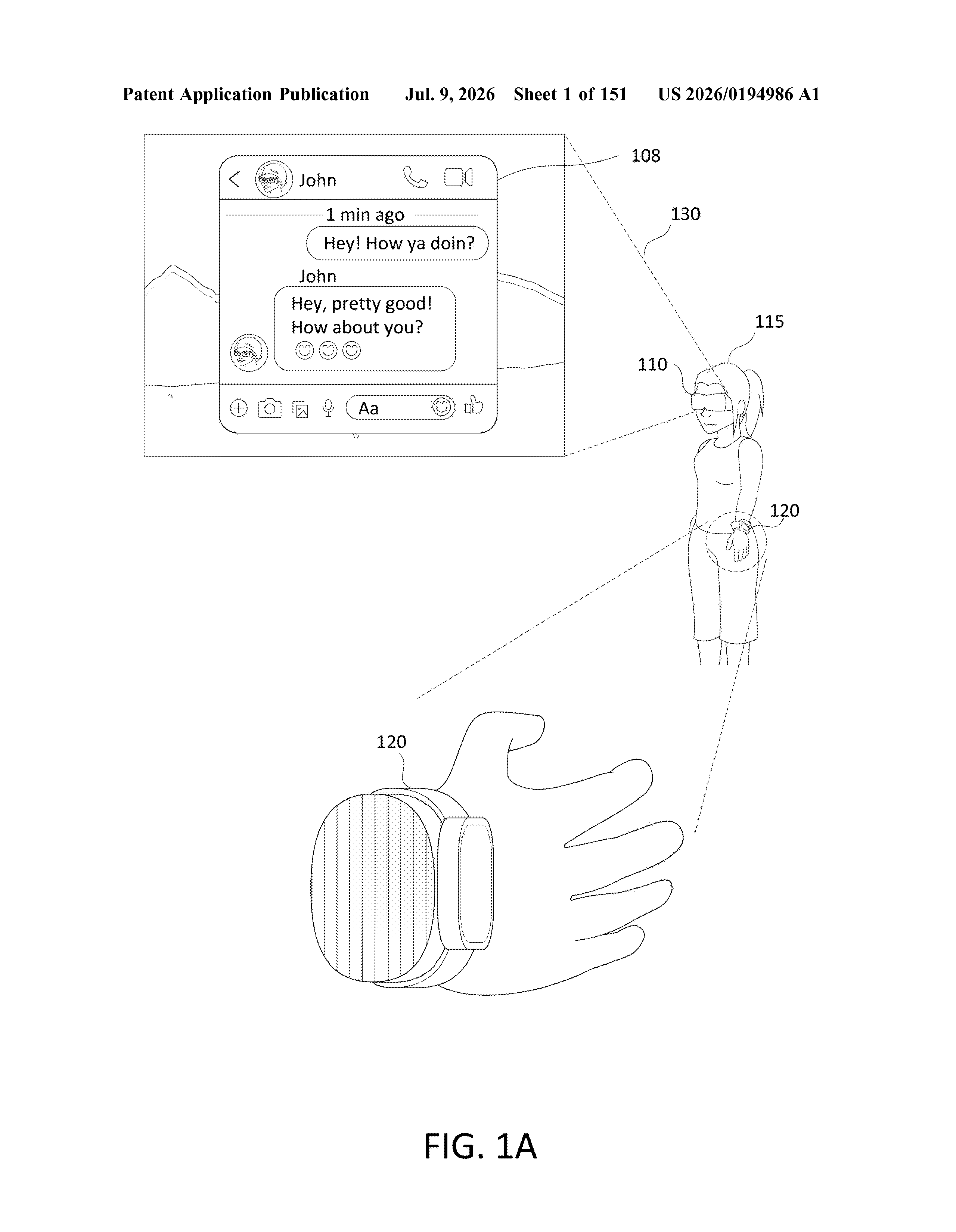
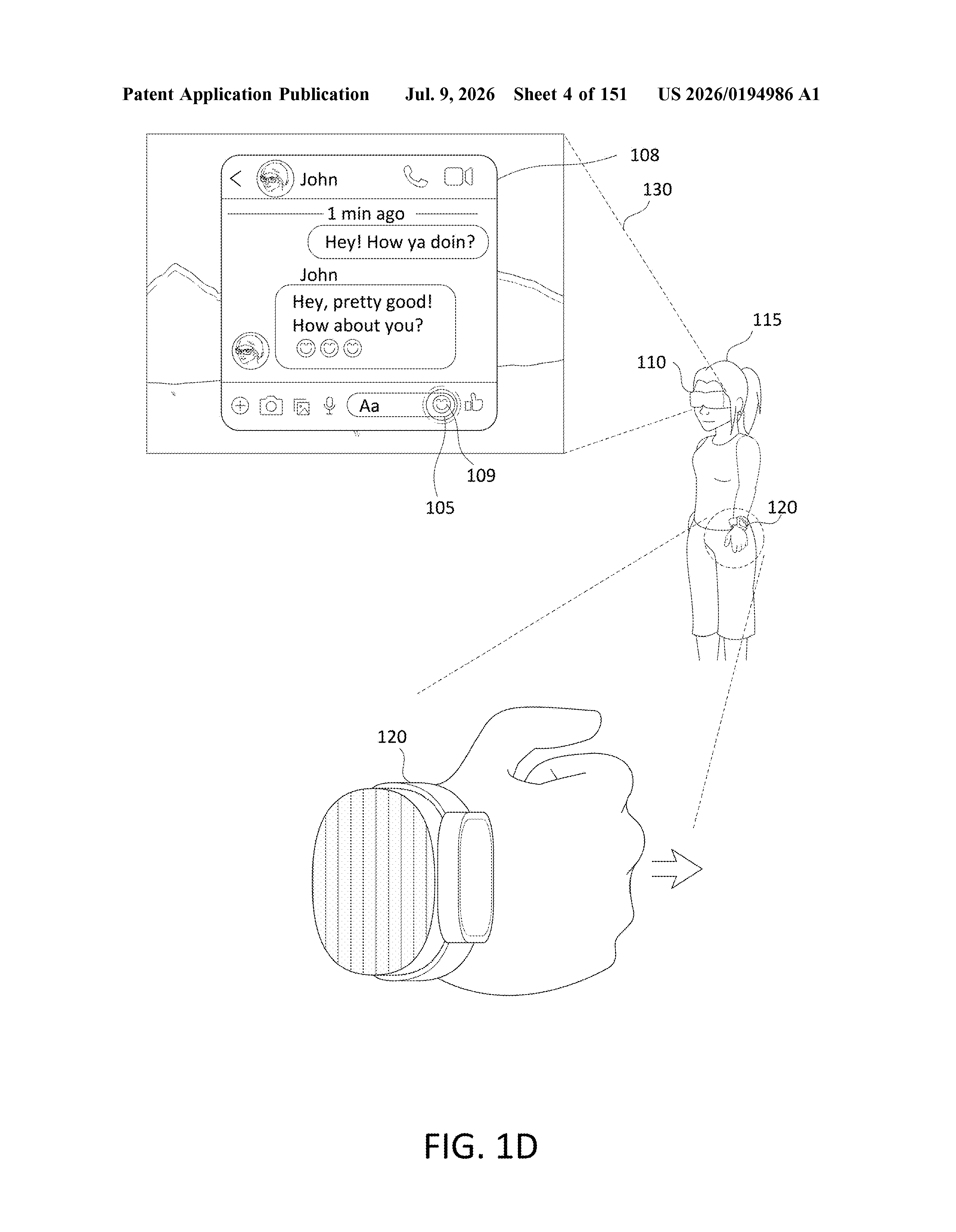
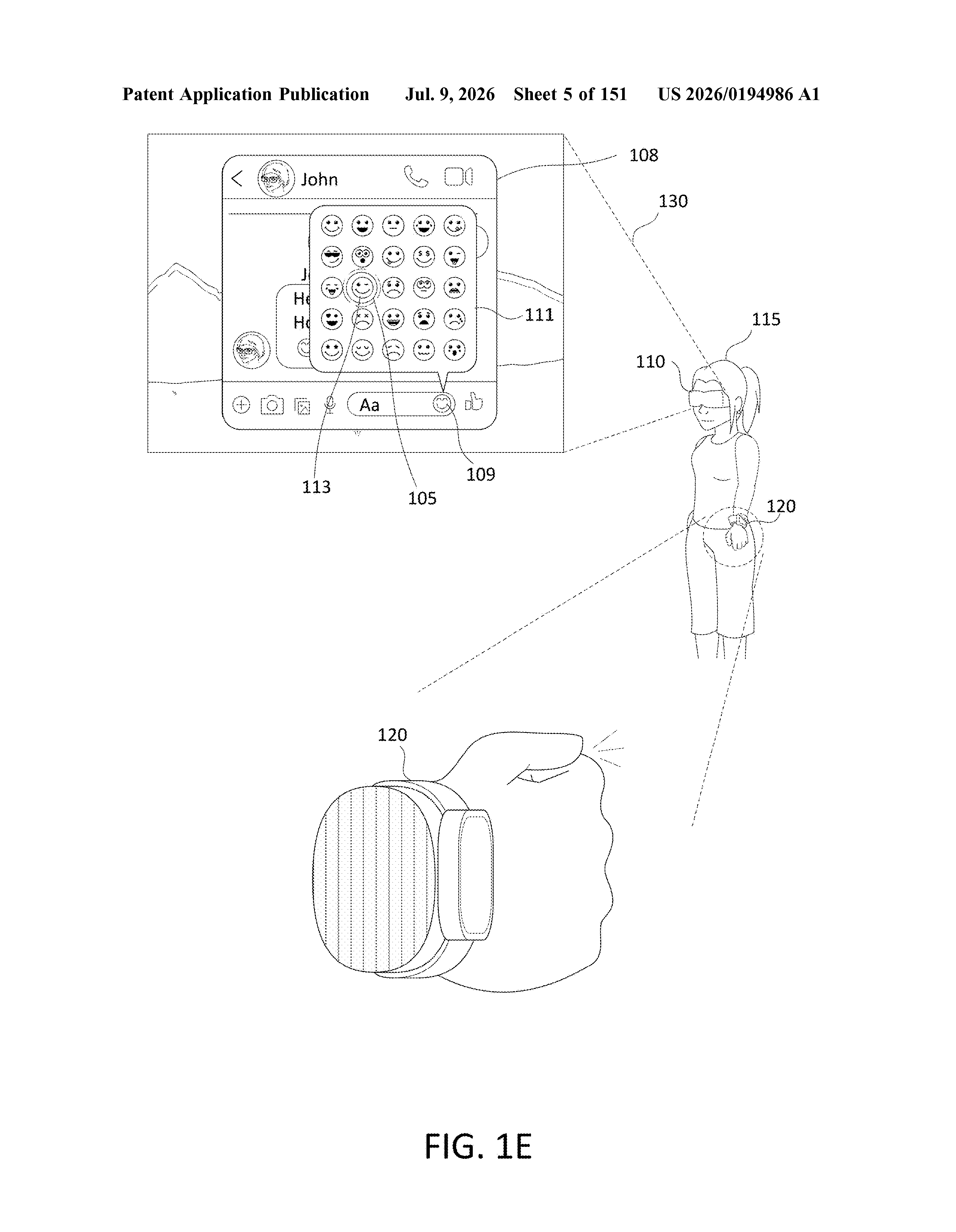
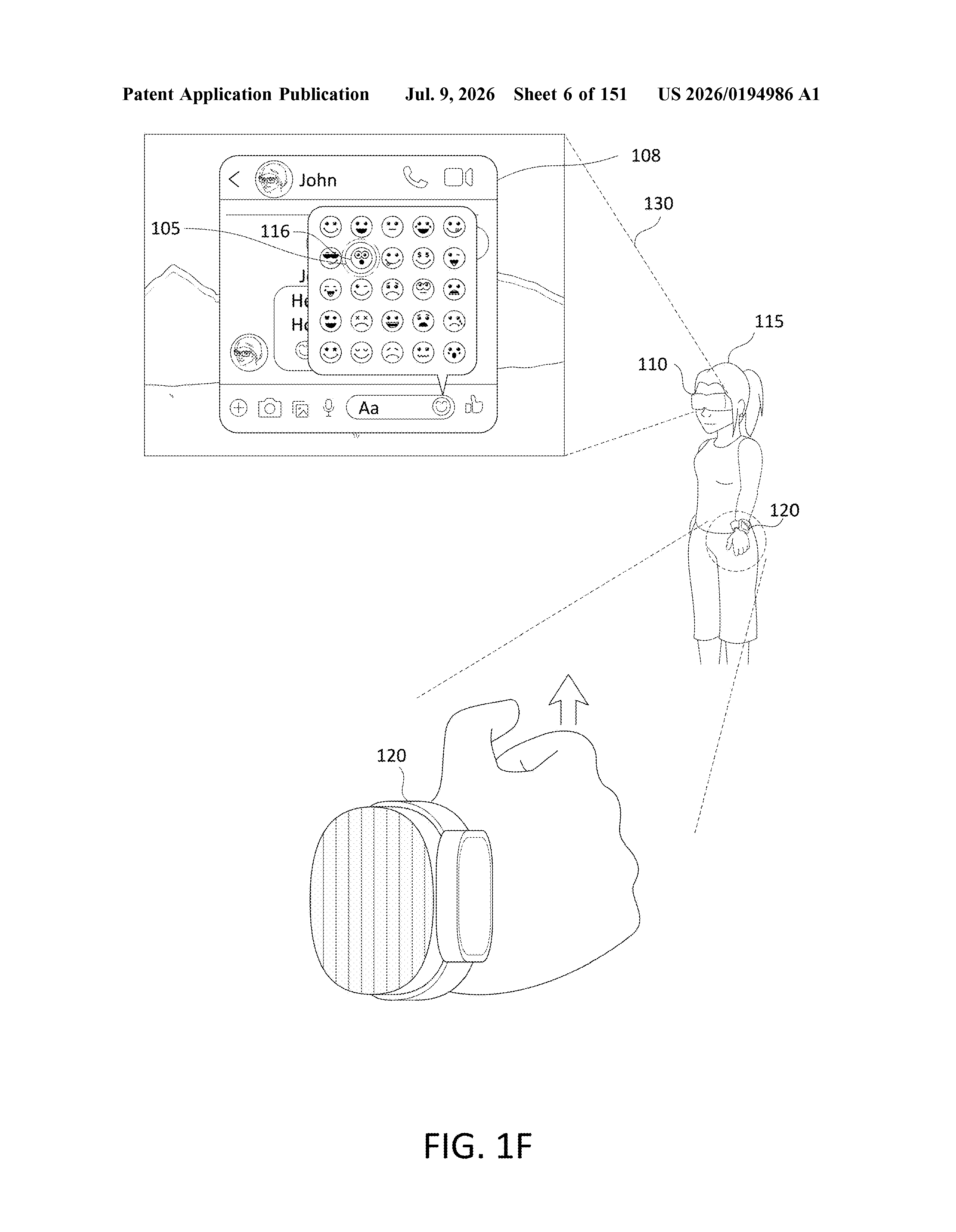
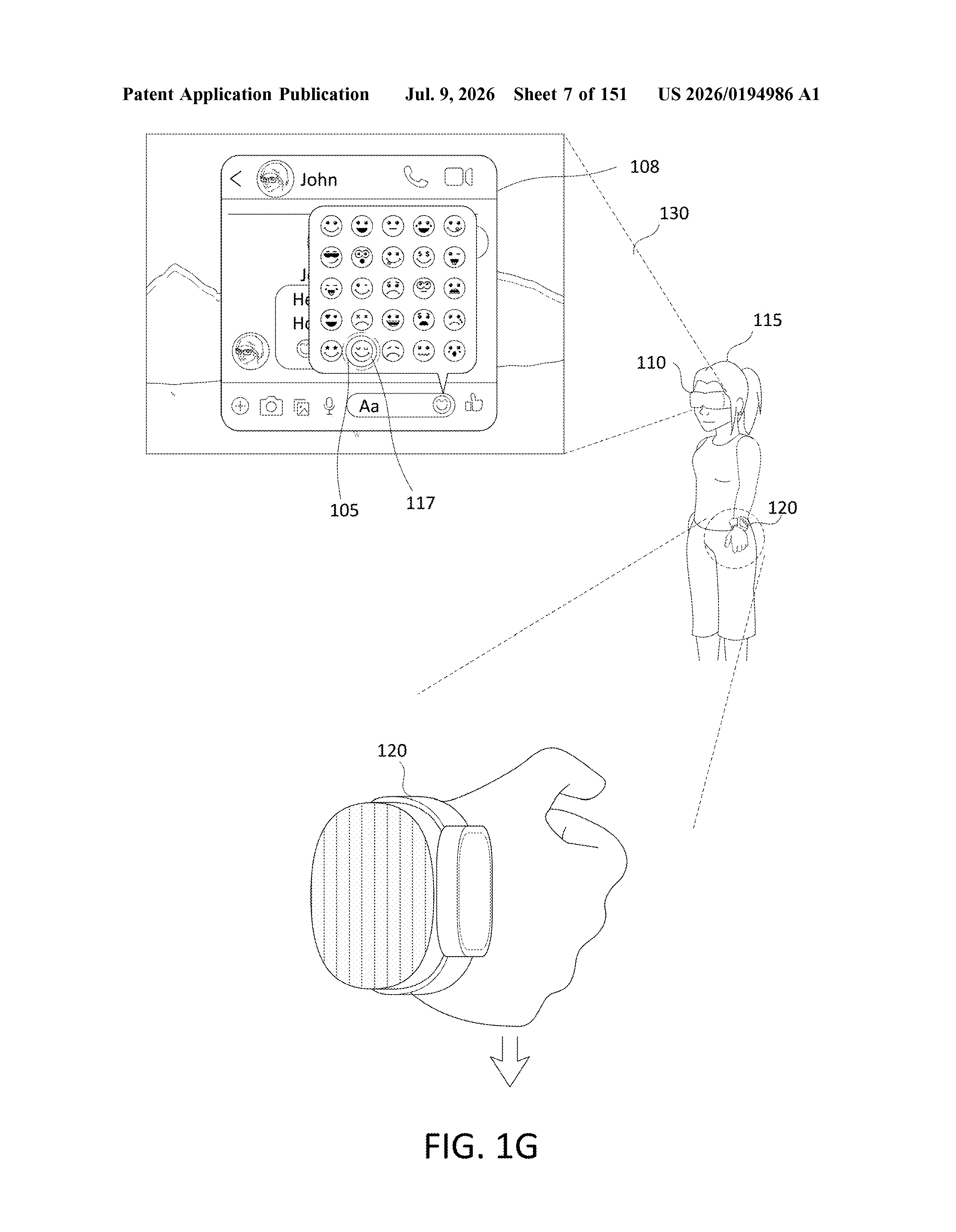
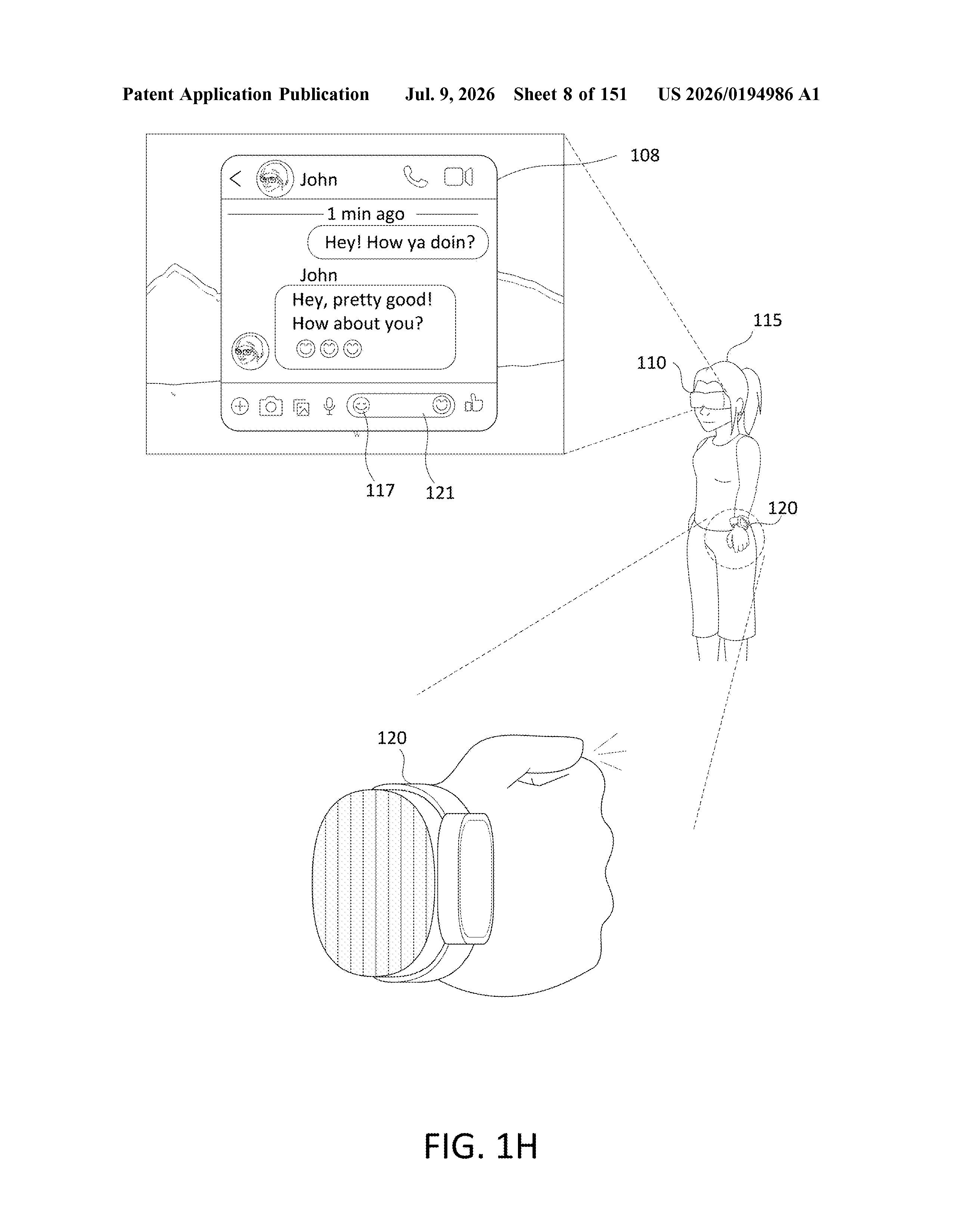
Imagine you're wearing smart glasses and a song comes on that's too quiet. With this system, you pinch your thumb and index finger together and hold them there for a moment, then rotate your wrist like you're turning a knob. The glasses recognize that combination as a volume command and turn the sound up.
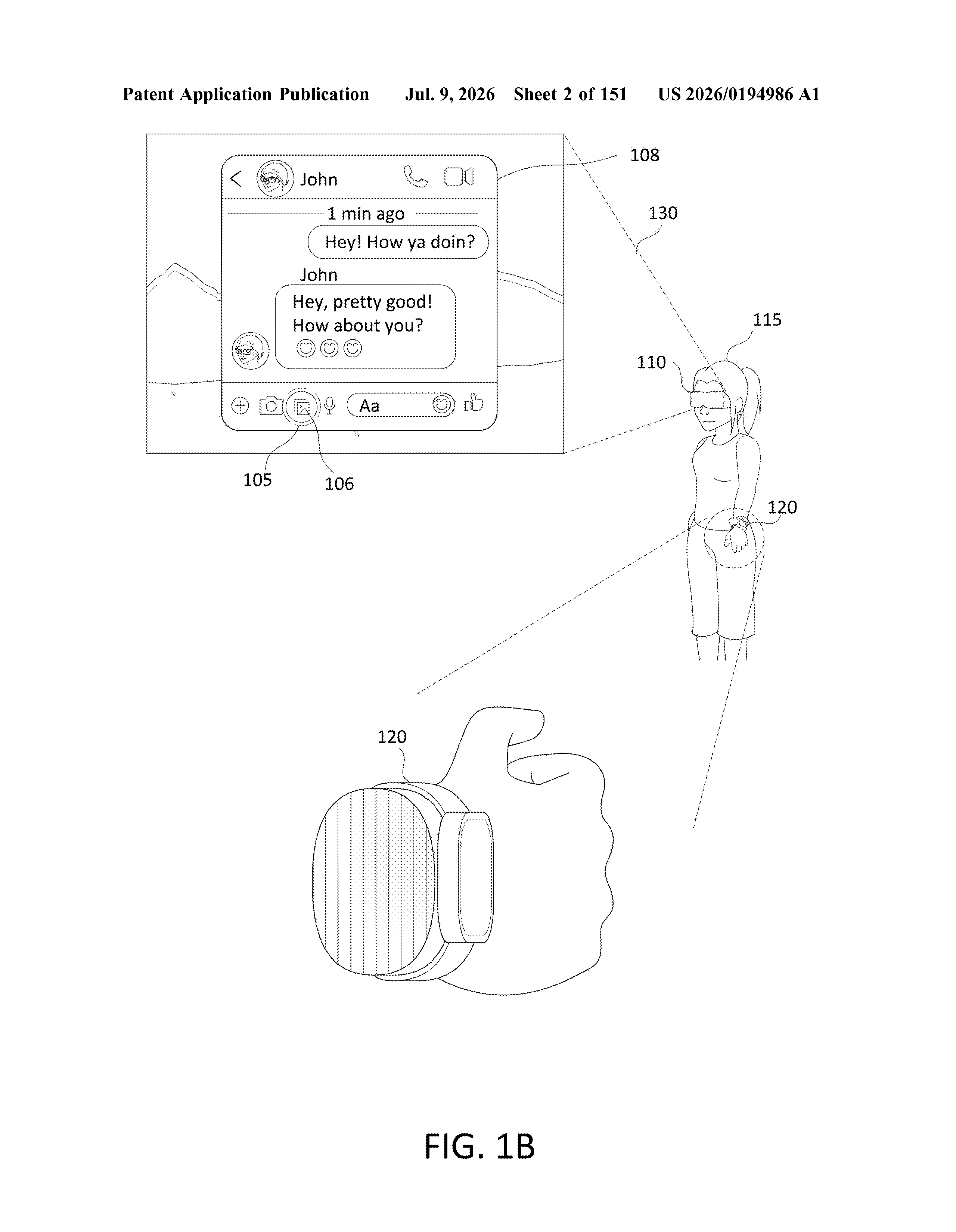
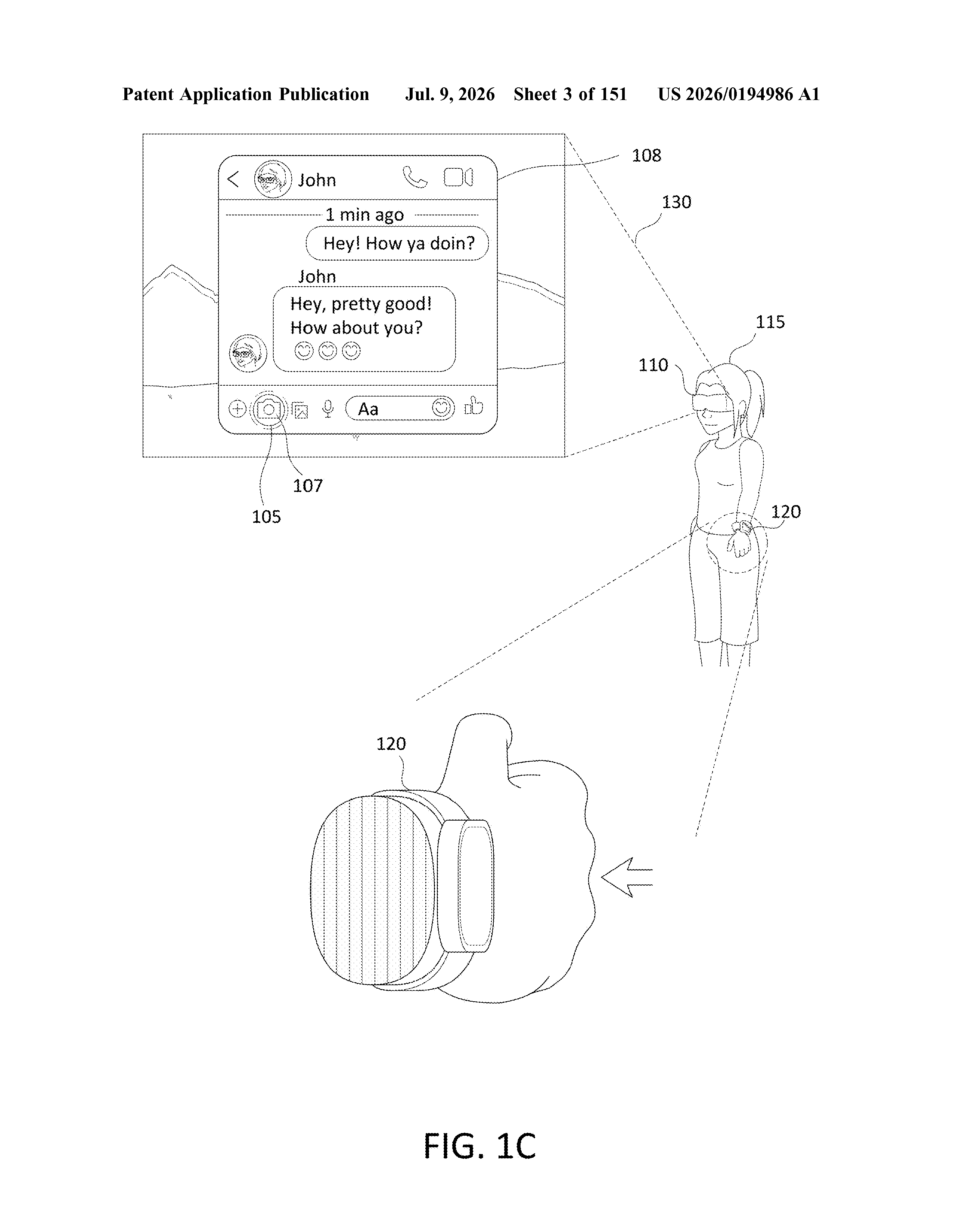
The key is a two-stage gesture detected by a wristband you're also wearing. Hold the pinch long enough, and the device enters "volume mode." Rotate your wrist one direction and volume goes up; rotate the other way and it goes down. A quick, short pinch (shorter than that time threshold) does something different entirely, like tapping a button on screen.
That distinction between a long pinch and a short pinch is what makes this interesting. The same gesture does two different jobs depending on how long you hold it, so your glasses don't accidentally change volume every time you interact with an app.
How the wristband tells a long pinch from a short one
The system pairs Meta smart glasses with a wrist-wearable device (think a band with motion sensors) to read hand gestures without any camera or touchpad.
The gesture is broken into two stages:
- Stage 1, the pinch hold: The user pinches thumb and index finger together and keeps them touching past a set time threshold. This signals that what follows is a volume command, not a regular tap.
- Stage 2, the wrist rotation: While still pinching, the user rotates their wrist. Clockwise raises volume; counterclockwise lowers it. The rotation is detected by the sensors in the wristband, likely accelerometers or EMG sensors reading muscle movement.
- Short pinch override: A quick pinch (below the time threshold) at any point triggers a UI action, like selecting an item on screen, without touching the volume level.
This multi-stage detection (using duration as a differentiator) is the core design choice. By gating the volume control behind a timed hold, the patent tries to prevent accidental volume changes during normal app interactions. The wristband does the gesture detection; the glasses display the interface and produce audio output.
What this means for hands-free AR glasses control
Smart glasses have a persistent input problem: they sit on your face but your hands are busy doing other things. Touchpads on the frame are fiddly; voice commands feel awkward in public. A wrist gesture system that works in the air, with no surface to touch, is one of the more practical paths forward for everyday use.
Meta's Ray-Ban smart glasses already exist and already sell, so this isn't purely theoretical. If gesture wristbands become a companion accessory for that product line, volume control is exactly the kind of friction point that needs solving. The short-pinch-versus-long-pinch distinction also shows the engineering challenge: the more gestures you add, the more the device has to decide which one you meant.
This is unglamorous but genuinely useful work. The problem it solves, accidentally triggering volume changes while trying to tap through a menu, is exactly the kind of thing that makes wearable tech annoying to use day-to-day. The time-threshold trick is a clean solution, not a flashy one, and that's a good sign Meta is thinking about real usability rather than demo-day theatrics.
Get our take in your Top Stories
Liked this breakdown? Add Patentlyze as a preferred source on Google, and our plain-English take shows up more often in your Top Stories the next time Meta patent news breaks.
There are more where this came from
We read every patent application Big Tech publishes and send you the ones worth knowing. Plain English, free, every week.
The drawings
151 drawing sheets from US 2026/0194986 A1 · click any drawing to enlarge
Want this weekly breakdown for a company we don't cover? Patentlyze Pro →