
Qualcomm Patents a Display Tool That Shifts Colors Into Range for Color-Blind Users
About 300 million people worldwide have some form of color vision deficiency, and most displays do nothing about it. Qualcomm's new patent describes a system that lets users personally tune which colors get swapped out so the screen finally makes sense to their eyes.
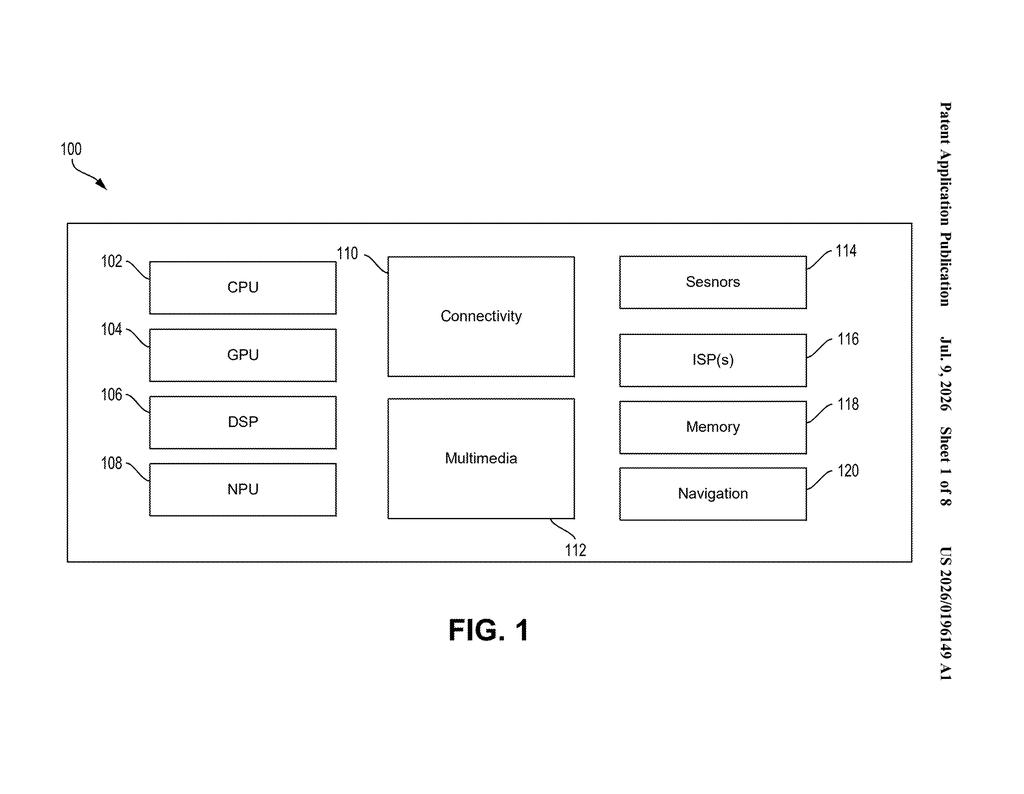
How Qualcomm's color-blindness fix actually works
Imagine you have red-green color blindness and a traffic map on your phone uses red and green lines that look almost identical to you. Right now, most phones offer little more than a generic filter that shifts the whole screen, which often makes other colors look worse.
Qualcomm's patent describes a different approach: you see a full color wheel or spectrum on screen, and you draw boundaries around the range of colors you can distinguish. The system then takes any color that falls outside your comfortable zone and automatically shifts it into a color you can actually see, before the image ever reaches your eyes.
This is personal and targeted, not a blunt one-size-fits-all filter. Every color-blind person sees things differently, so letting you draw your own boundaries means the correction is tuned to your specific vision, not a textbook average.
How the sector-mapping engine reassigns display colors
The system works in three steps that happen on the device's display pipeline.
- Show the spectrum: The device renders a visual color spectrum or wheel so the user can see all possible display colors at once.
- Set your boundaries: The user marks a "sector" (a slice or band within a broader color range) that represents the colors they can comfortably distinguish. The broader "color band" represents what someone with normal vision would perceive as a single coherent color, like "red" or "green."
- Remap and render: Any color in the original image that falls inside the full band but outside the user's chosen sector gets reassigned to a color that sits inside that sector. The final image is then rendered with the substituted colors.
The key technical idea is that the mapping is defined by the user's own input, not by a predetermined lookup table. The processor stores the mapping in memory and applies it at render time, meaning the correction can work across any app or content without each developer having to build their own accessibility feature.
What this means for color-blind users on Qualcomm devices
Color blindness accessibility on phones and computers has been stuck at a low bar for years. Most operating systems offer a handful of preset filters, but those are designed around statistical averages and often introduce new color confusion while fixing others. A system that lets you define the correction boundary is a meaningful step up, especially for the roughly 8 percent of men and 0.5 percent of women who have some form of red-green deficiency.
Because Qualcomm makes the chips inside Android phones from Samsung, OnePlus, and others, a feature like this baked into the display driver could reach hundreds of millions of devices without requiring app developers to do anything. That's a very different reach than an app-level accessibility tool.
This is a genuinely useful patent in an area where the industry has been lazy. Accessibility features for color-blind users have barely moved in a decade, and a chip-level, user-defined remapping system is a real improvement over the generic filters that exist today. Whether Qualcomm turns this into a shipping feature or lets it sit in a patent drawer is the actual question worth watching.
Get our take in your Top Stories
Liked this breakdown? Add Patentlyze as a preferred source on Google, and our plain-English take shows up more often in your Top Stories the next time Qualcomm patent news breaks.
There are more where this came from
We read every patent application Big Tech publishes and send you the ones worth knowing. Plain English, free, every week.
Want this weekly breakdown for a company we don't cover? Patentlyze Pro →