
Sony Patent Links Camera Frames to Cut Junk Data in 3D Scanning
Every time a camera builds a 3D model of an object, it tends to pick up a bunch of noise and floating points that have nothing to do with the actual subject. Sony's new patent describes a way to automatically tell each successive camera frame where to focus, so those stray points never build up in the first place.
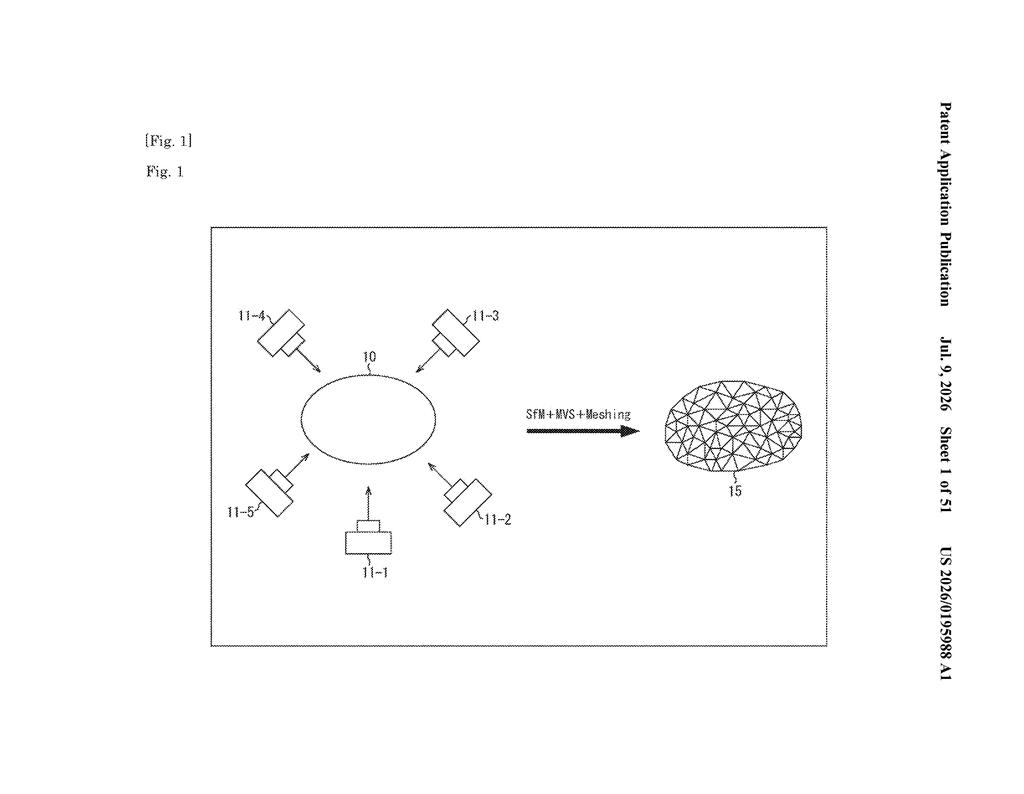
How Sony's camera-to-camera 3D cleanup actually works
Imagine scanning a coffee mug with your phone to get a 3D model of it. As you move the camera around, the software is constantly guessing which parts of the scene matter and which are just background clutter. Get that wrong, and your final 3D model is full of ghost points and floating blobs that have to be cleaned up by hand.
Sony's approach is to make each snapshot teach the next one. After the first camera angle builds an initial 3D shape, the system figures out which part of that shape is actually the object you care about. It then tells the second camera angle to concentrate on that same zone, so it never wastes effort capturing noise outside it.
The result is a 3D model that stays clean throughout the scanning process, rather than one you have to scrub after the fact. Sony says the system could show up in imaging devices, electronic devices, or broader information processing systems.
How each scan frame sets the focus zone for the next
The patent describes a device with a region of interest setting unit, which is essentially a piece of software that tracks which part of a 3D scene is worth keeping.
Here is the basic sequence:
- A first camera shot (first captured image) is processed to produce an initial 3D shape, called first three-dimensional shape information.
- The system analyzes that shape and estimates a first region of interest (the bounding zone around the object that actually matters).
- Before the second camera shot is taken, the system uses that estimated zone to define a second region of interest, effectively telling the second imaging pass where to look.
- The second shot is then processed with that focused zone in mind, so the resulting 3D shape excludes most of the surrounding noise from the start.
The key idea is that the second imaging step is informed by the first one. Instead of each camera frame starting from scratch and capturing everything, each frame inherits knowledge from the previous frame about where the real object is. That inheritance is what prevents unnecessary point clouds (the technical term for those floating blobs of bad data) from accumulating across frames.
What this means for 3D scanning in cameras and devices
3D scanning is increasingly relevant beyond specialized studios. Phone cameras, AR headsets, and consumer devices are all being used to capture real-world objects as 3D models, whether for gaming assets, shopping apps, or design tools. The more noise those scans contain, the more manual cleanup work is required, which limits how automatic and instant the experience can feel.
If Sony builds this into an imaging device or camera system, it could mean cleaner 3D captures without post-processing. That is particularly useful in contexts where you are the one doing the scanning and have no interest in editing point cloud data afterward.
This is a focused, incremental improvement to a real problem in 3D scanning rather than a sweeping new capability. Sony is not reinventing how 3D models are built; it is making the process tidier by passing context between frames. That is useful, but it is the kind of patent that shows up in firmware rather than in a product announcement.
Get our take in your Top Stories
Liked this breakdown? Add Patentlyze as a preferred source on Google, and our plain-English take shows up more often in your Top Stories the next time Sony patent news breaks.
There are more where this came from
We read every patent application Big Tech publishes and send you the ones worth knowing. Plain English, free, every week.
Want this weekly breakdown for a company we don't cover? Patentlyze Pro →