
IBM Patent Would Let Self-Driving Cars Film and Upload Viral Road Incidents
IBM has filed a patent that would let autonomous vehicles automatically film roadside events, judge whether the footage has viral potential, and publish it online without any human deciding to press record.
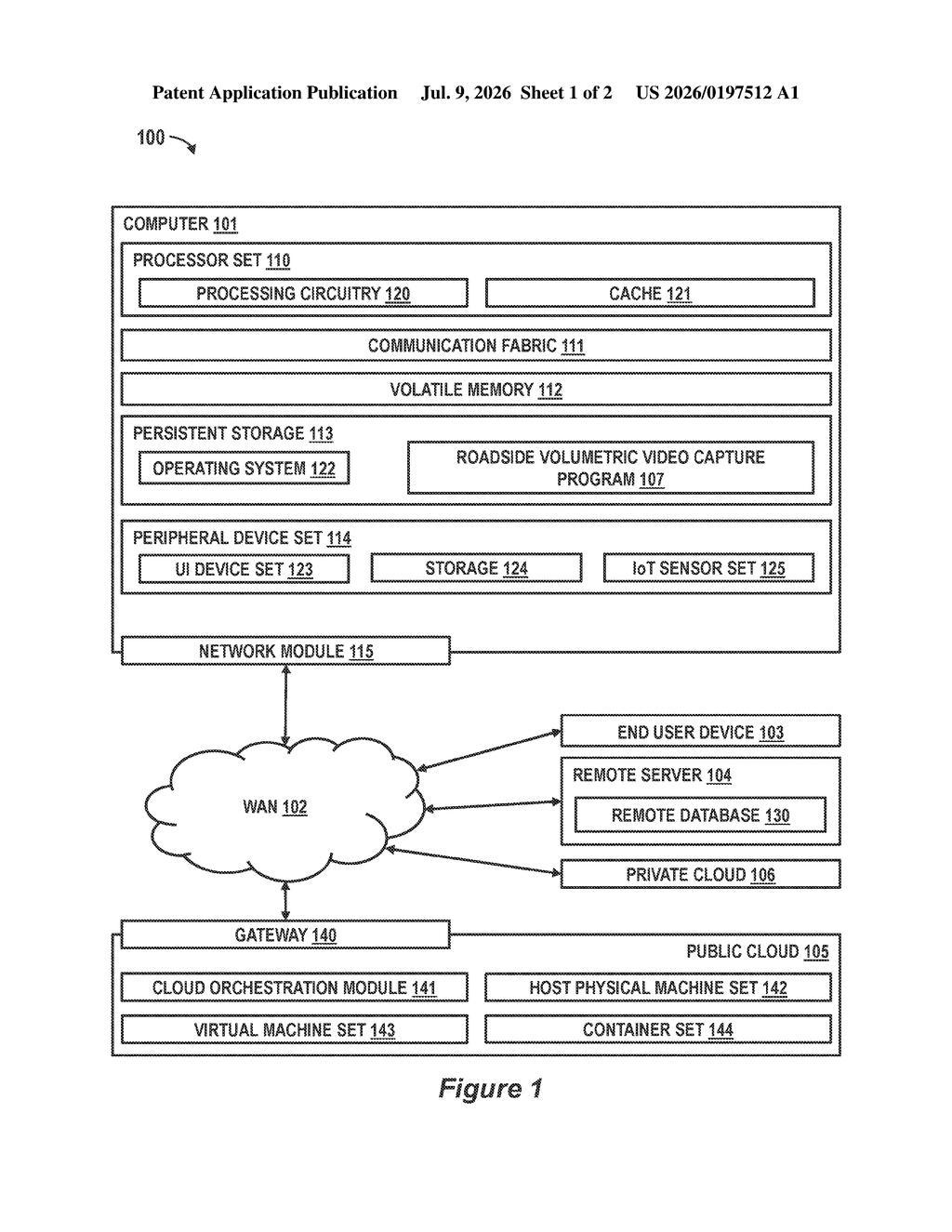
What IBM's autonomous roadside video capture actually does
Imagine a self-driving car rolling past a car crash or street performer and its cameras deciding: 'this looks shareable.' That's essentially what IBM is describing here.
The system uses the cameras already built into autonomous vehicles to detect events happening by the road. If the car's software decides the event is likely to go viral, it starts recording in volumetric video (a format that captures a full 3D scene, not just a flat clip), then automatically uploads the footage to an online platform.
Nothing in the patent requires a human passenger to approve the recording or the upload. The car makes that call on its own. Whether or not you find that useful, the privacy questions it raises are immediate and obvious.
How the system scores 'viral potential' and shoots 3D footage
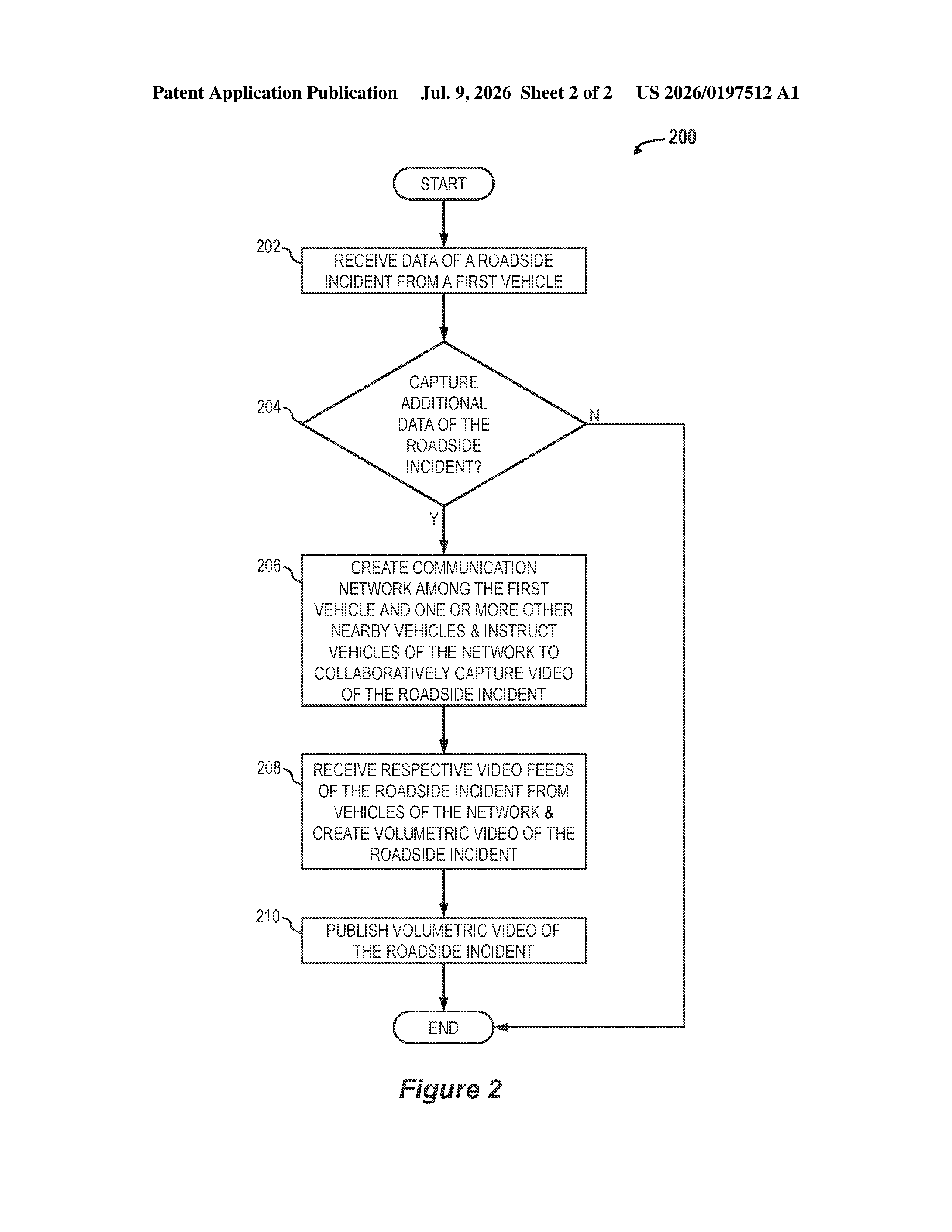
The patent describes a four-step automated pipeline tied to autonomous vehicles already on the road:
- Detection: The vehicle's onboard cameras and sensors identify that a roadside event is happening, whether that's an accident, a crowd, or any unusual activity.
- Viral-potential scoring: The system analyzes the event and assigns it a score predicting how likely it is to attract online attention. If that score clears a preset threshold, the system moves to capture mode.
- Volumetric capture: Rather than recording standard flat video, the car's equipment captures volumetric media (a 3D representation of the scene that viewers can later explore from different angles, similar to how some sports replays work).
- Automatic publishing: The footage is sent directly to an online media portal without a human manually initiating an upload.
The patent doesn't specify in detail what signals feed the viral-potential calculation, though the concept implies the system would have to be trained on what kinds of events historically attract high engagement online. The entire workflow runs without a human passenger in the loop.
What this means for privacy, consent, and public surveillance
The practical implication here isn't the 3D video format. It's that thousands of networked autonomous vehicles could function as an always-on, algorithmically curated street-level camera network, publishing footage of you, your car, your neighborhood, or an accident you were involved in, based entirely on a software model's guess about what will go viral.
There is no mention of consent from the people being filmed, no editorial review before publishing, and no obvious mechanism for anyone filmed to opt out. Privacy regulators in the EU, California, and elsewhere have been tightening rules around exactly this kind of automated public surveillance. IBM filing this as a patent doesn't mean it ships, but it does mean the company is actively thinking about monetizing autonomous vehicle camera networks this way.
This patent is worth paying attention to precisely because it is straightforward, not because it is complicated. IBM isn't describing science fiction; it's describing a business model where autonomous vehicle fleets become automated content farms. The viral-potential scoring detail is the tell: this isn't about public safety documentation, it's about engagement. That deserves scrutiny.
Get our take in your Top Stories
Liked this breakdown? Add Patentlyze as a preferred source on Google, and our plain-English take shows up more often in your Top Stories the next time IBM patent news breaks.
There are more where this came from
We read every patent application Big Tech publishes and send you the ones worth knowing. Plain English, free, every week.
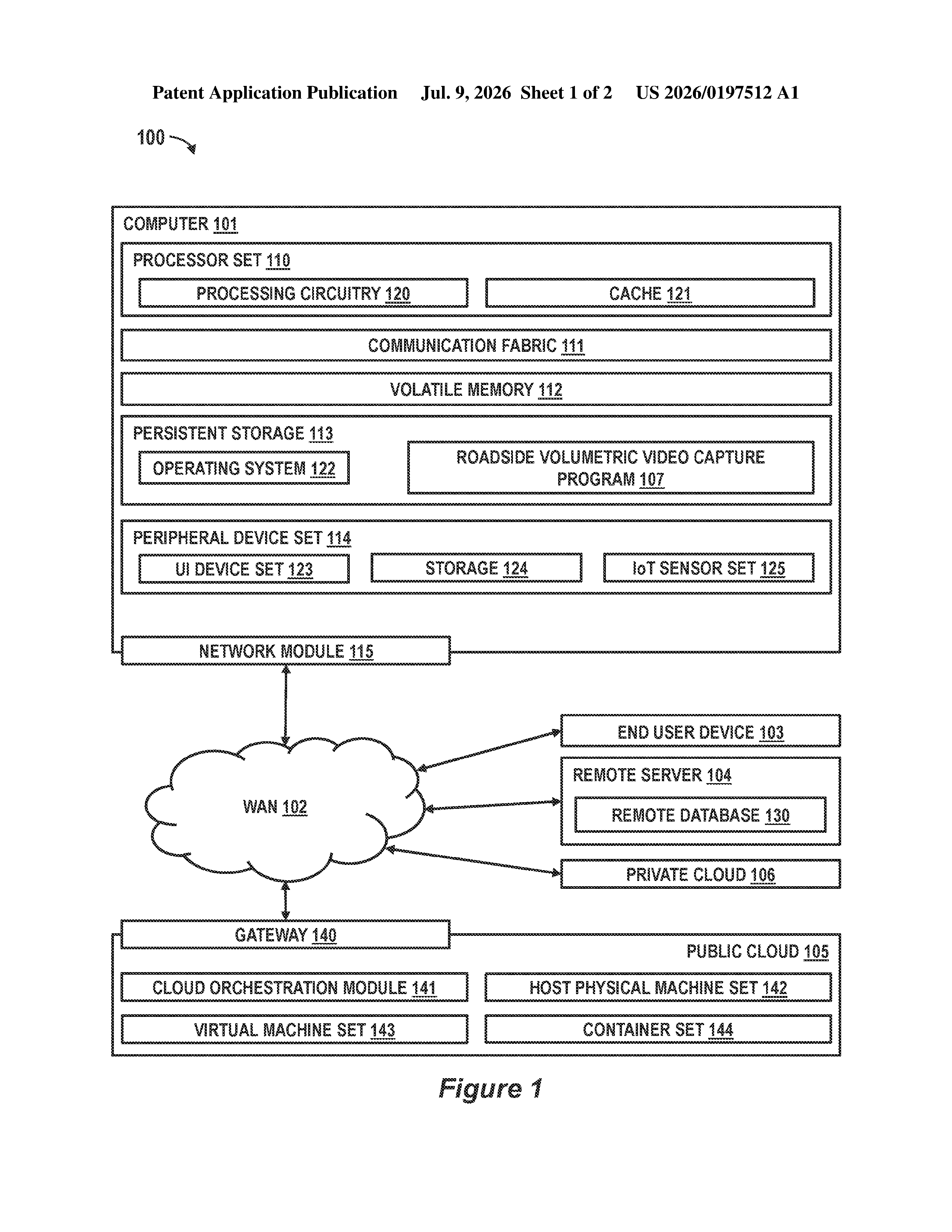
The drawings
2 drawing sheets from US 2026/0197512 A1 · click any drawing to enlarge
Want this weekly breakdown for a company we don't cover? Patentlyze Pro →