
Qualcomm Patents a Leaner Way for Cars to Read Lane Lines
Drawing a lane line sounds simple, but for a self-driving system every extra data point burns processing power and time. Qualcomm's new patent is about finding the shortest possible description of a lane boundary without losing accuracy.
How Qualcomm's lane-reading shortcut actually works
Imagine trying to describe the curve of a road to someone over the phone. You could give them a hundred GPS coordinates, or you could say "it's a gentle left curve." The second option is faster, smaller, and just as useful. That's the core idea here.
Qualcomm's patent covers a system that looks at the raw data points a car's sensors collect along a lane line, then tries several different mathematical descriptions of that line. It then picks whichever description uses the fewest points while still staying accurate enough to be safe.
The practical benefit is that your car's processor doesn't have to carry around more lane data than it needs. On a straight highway, a simple equation beats a thousand dot-by-dot measurements. This kind of efficiency matters a lot when a chip is simultaneously handling cameras, radar, and navigation at highway speed.
How the system picks the most efficient lane model
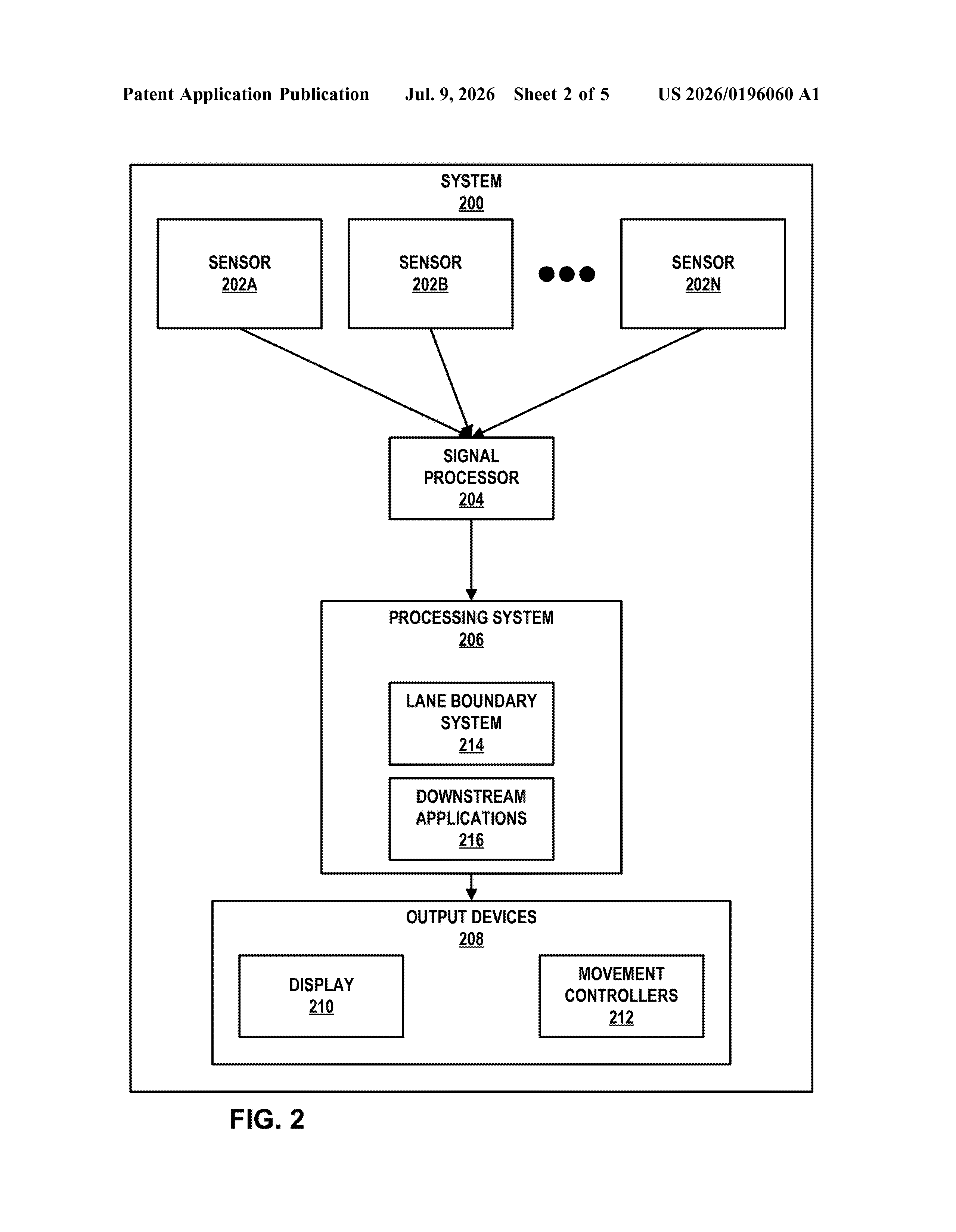
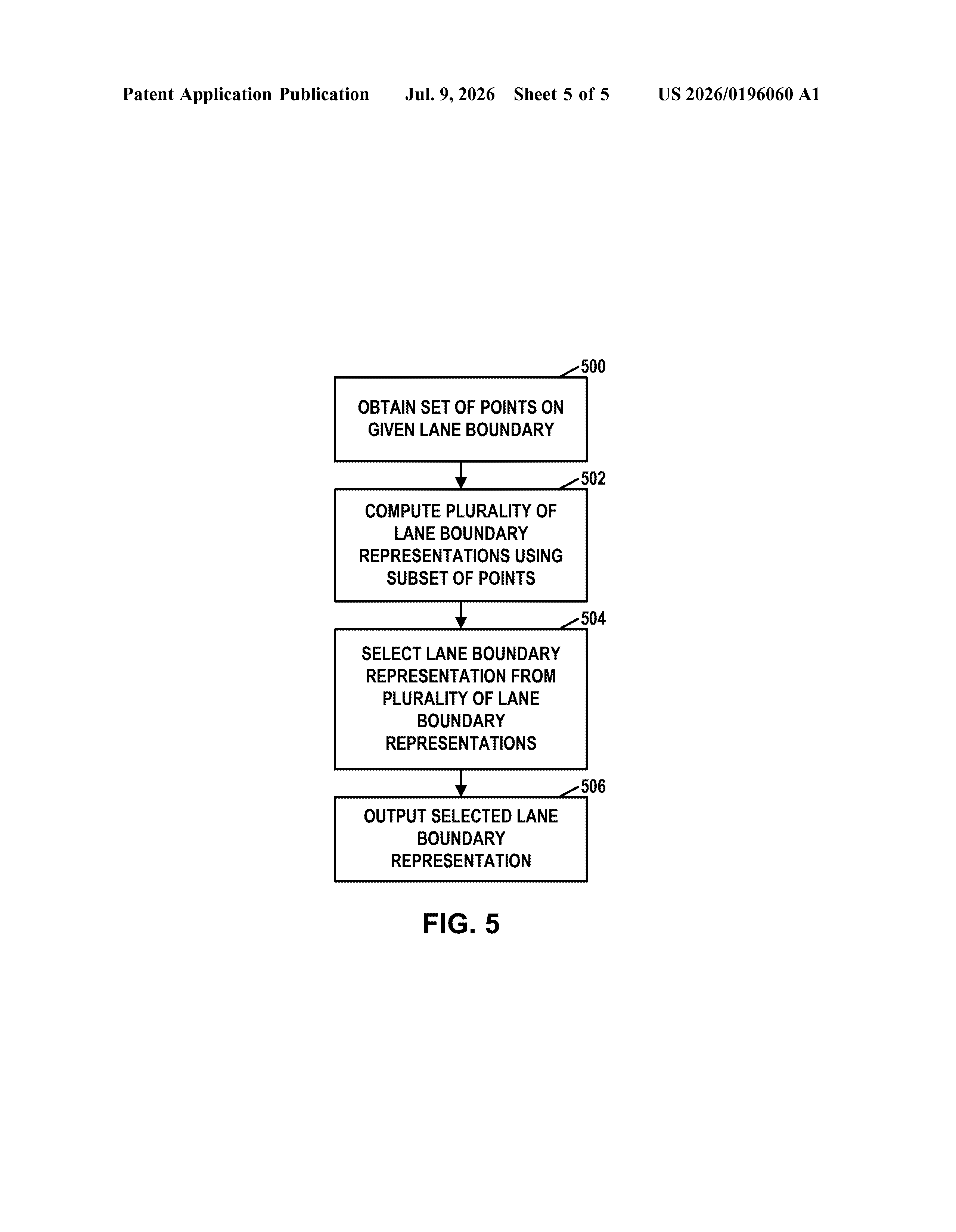
The patent describes a pipeline with four steps:
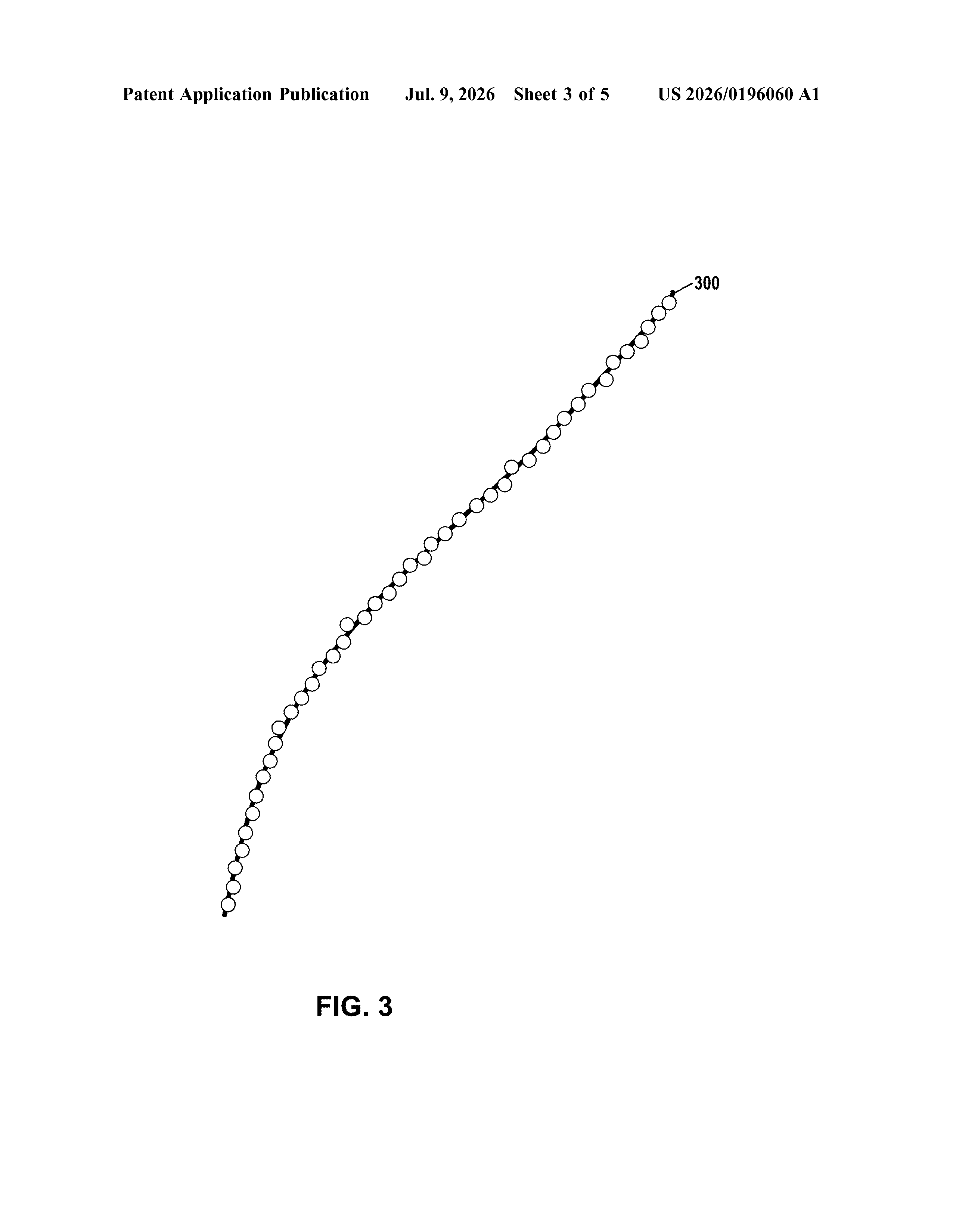
- Obtain a point set: Sensor data (from cameras, lidar, or radar) is converted into a collection of points that trace a lane boundary.
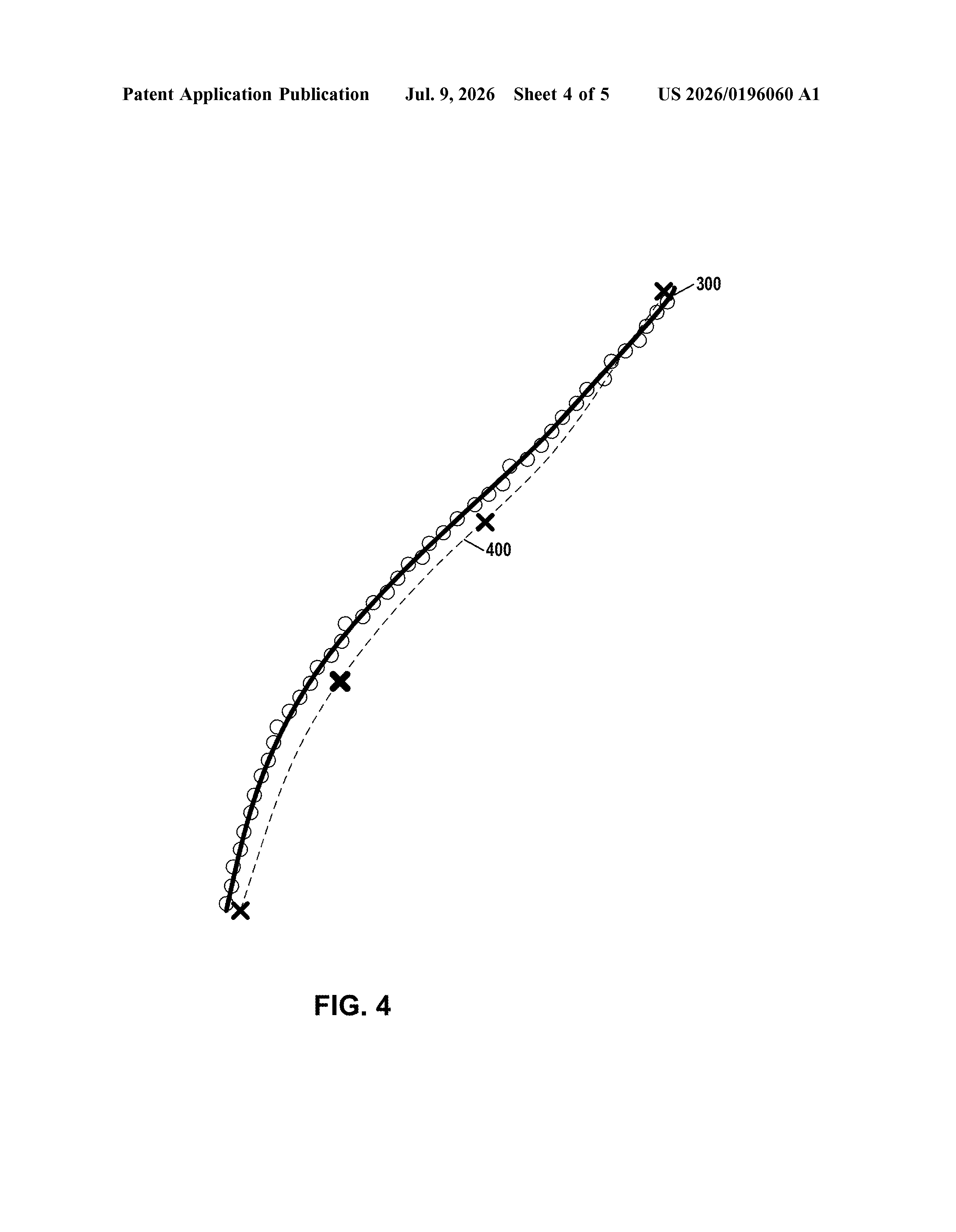
- Compute multiple representations: The system tries fitting several different mathematical models to those points. Think of these like different grades of drawing: a straight line, a simple curve, a more complex curve. Each representation uses a different number of control points to define the shape.
- Select the minimum-sufficient model: The system picks the representation that needs the fewest points while still keeping the fit error within a predetermined accuracy threshold. This is essentially a compression step for geometric data.
- Output the result: The chosen lean description is passed downstream to whatever system needs it, such as a path-planning module or a driver-assistance alert system.
The key insight is that lane lines are rarely uniformly complex. A long straight section needs almost no data; a tight exit ramp needs more. By adapting the representation to the actual shape, the system avoids wasting compute on simplicity and avoids losing detail on complexity.
What this means for self-driving chips and ADAS systems
Qualcomm sells the chips that power many ADAS (advanced driver assistance) and autonomous driving systems, including its Snapdragon Ride platform. Efficient lane representation directly reduces the memory bandwidth and processing cycles each lane-detection cycle consumes, which matters when a single chip is juggling dozens of sensor feeds simultaneously.
For you as a driver, the downstream effect is potentially faster, more consistent lane-keeping and lane-departure warnings, especially in edge cases where the system is already under heavy load. This is quiet infrastructure work, the kind that rarely makes headlines but underlies whether a self-driving feature feels reliable or jittery over hundreds of miles.
This is a practical engineering patent, not a flashy AI breakthrough. Qualcomm is essentially patenting a data-compression heuristic for geometric lane data. It matters because chips have finite bandwidth and compute budgets, and every wasted cycle in lane detection is a cycle not spent on something more critical. Worth filing, not worth overhyping.
There are more where this came from
We read every patent application Big Tech publishes and send you the ones worth knowing. Plain English, free, every week.
The drawings
5 drawing sheets from US 2026/0196060 A1 · click any drawing to enlarge
Want this weekly breakdown for a company we don't cover? Patentlyze Pro →
Be the first to weigh in