
Google Patent Filing Reveals Waveguide Design That Could Shrink AR Glasses Lenses
One of the biggest reasons AR glasses still look like ski goggles is the optics inside them. Google is now patenting a way to divide display light into multiple paths so the whole assembly can shrink down.
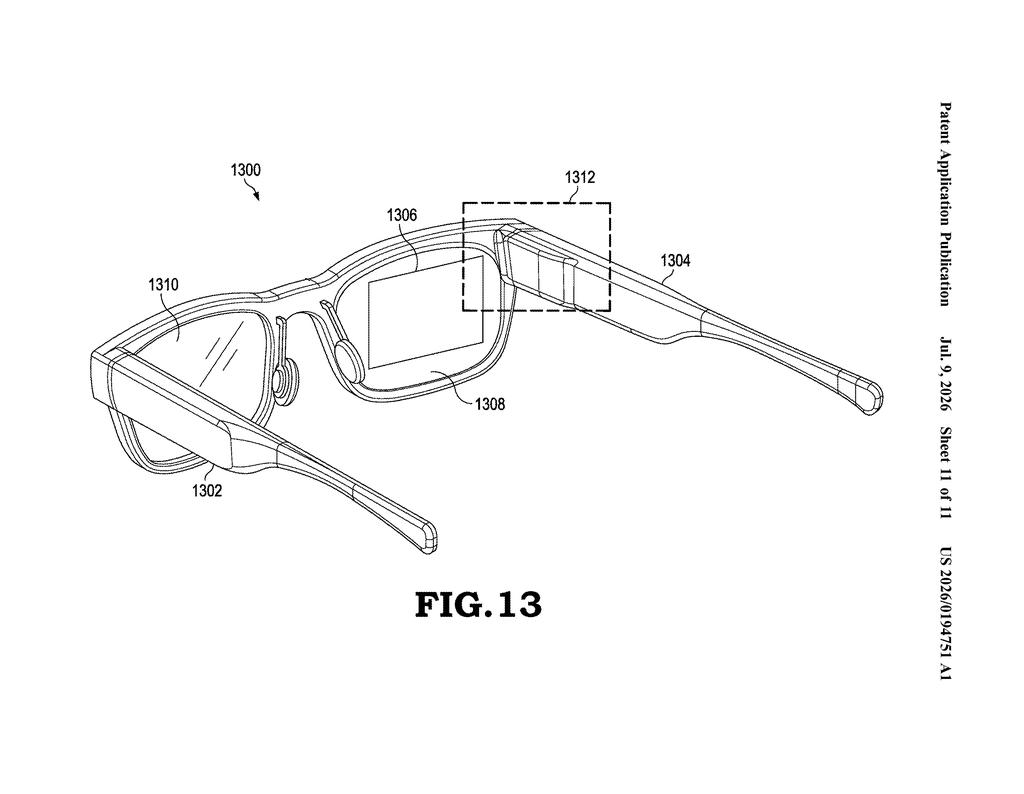
What Google's split-light waveguide actually does
Imagine trying to shine a flashlight through a drinking straw versus a wider pipe. Most AR glasses today have to use thick, wide lenses because the display light travels in one big beam that needs a lot of room to spread out before it reaches your eye. That bulk is a major reason smart glasses have struggled to look like normal eyewear.
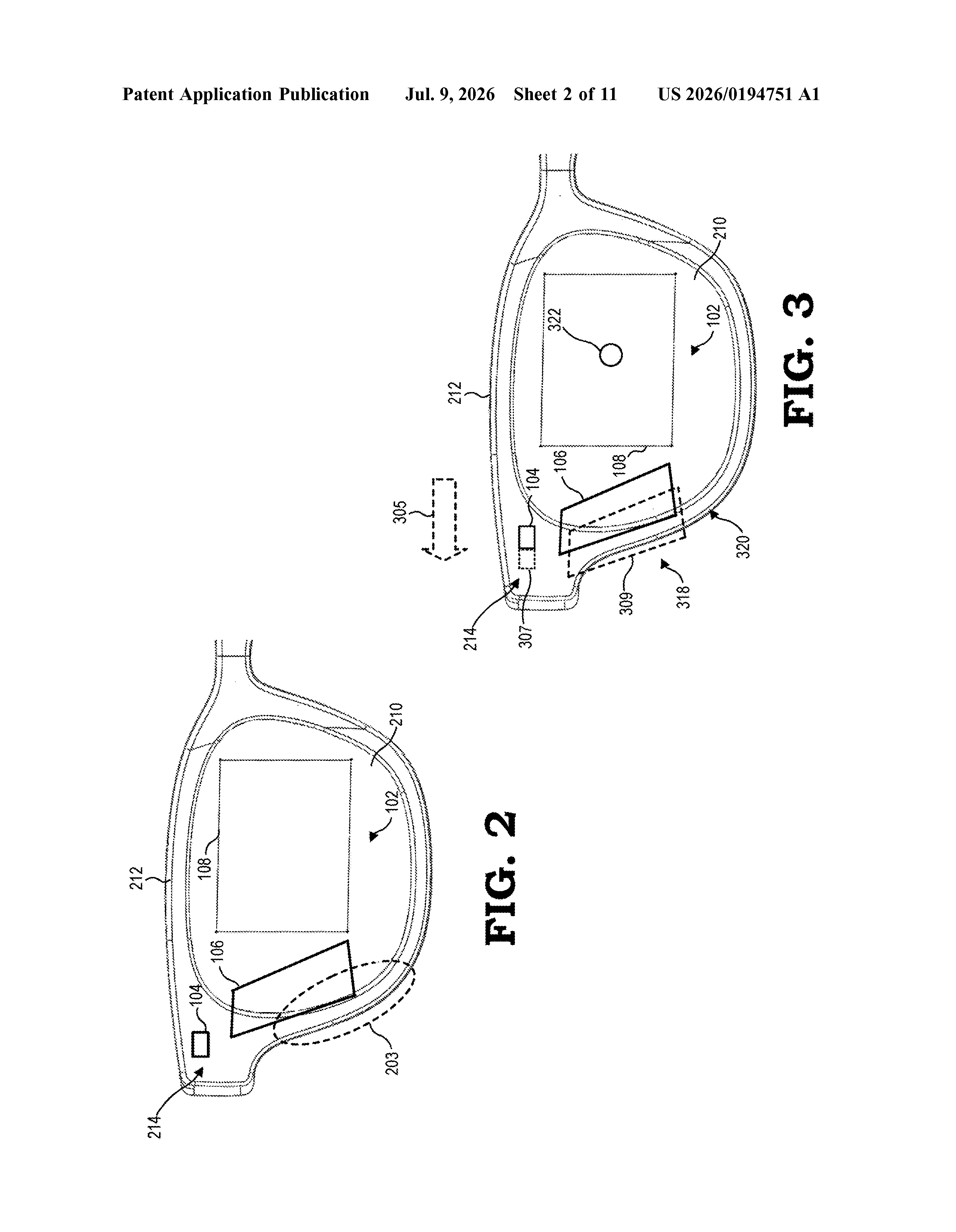
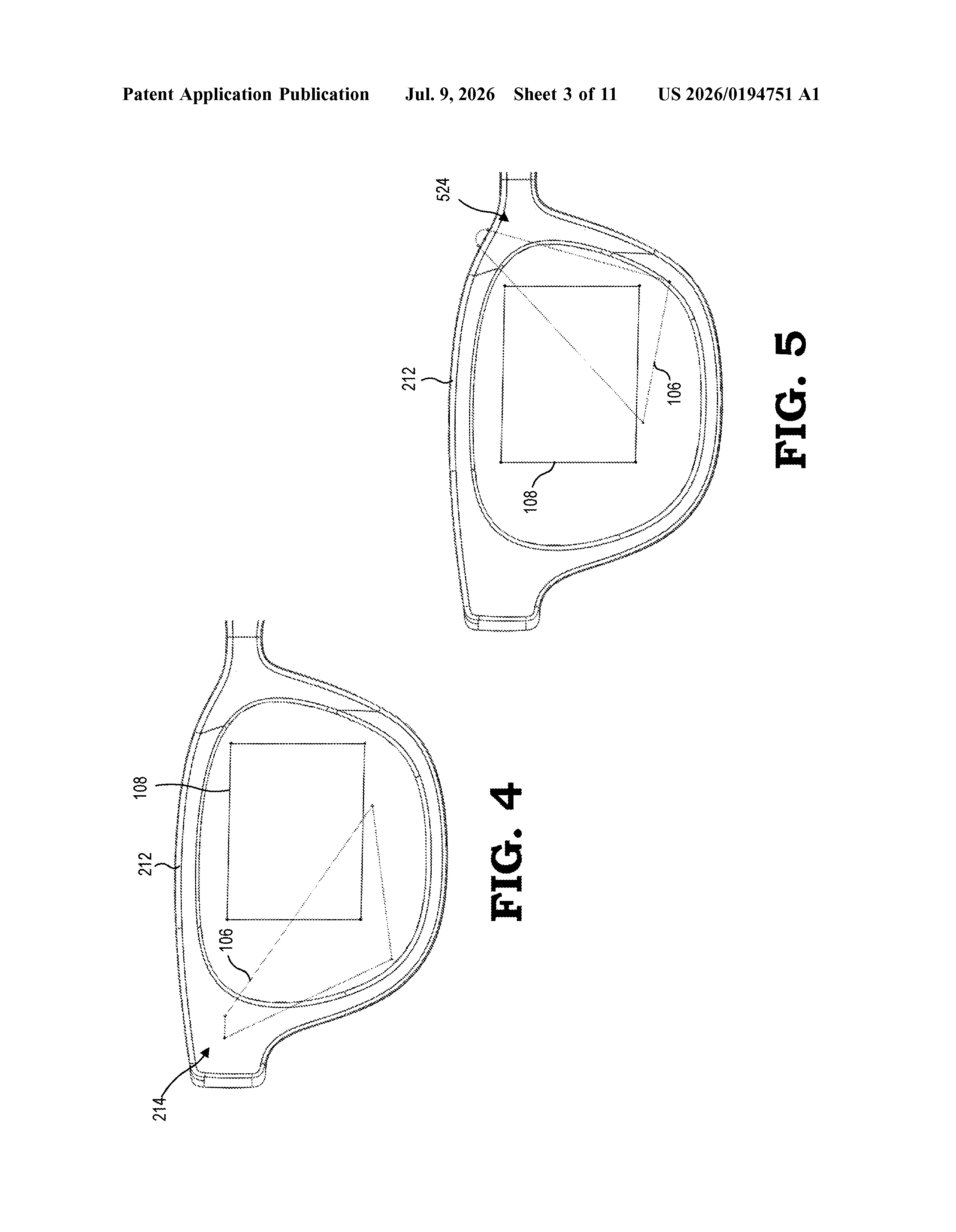
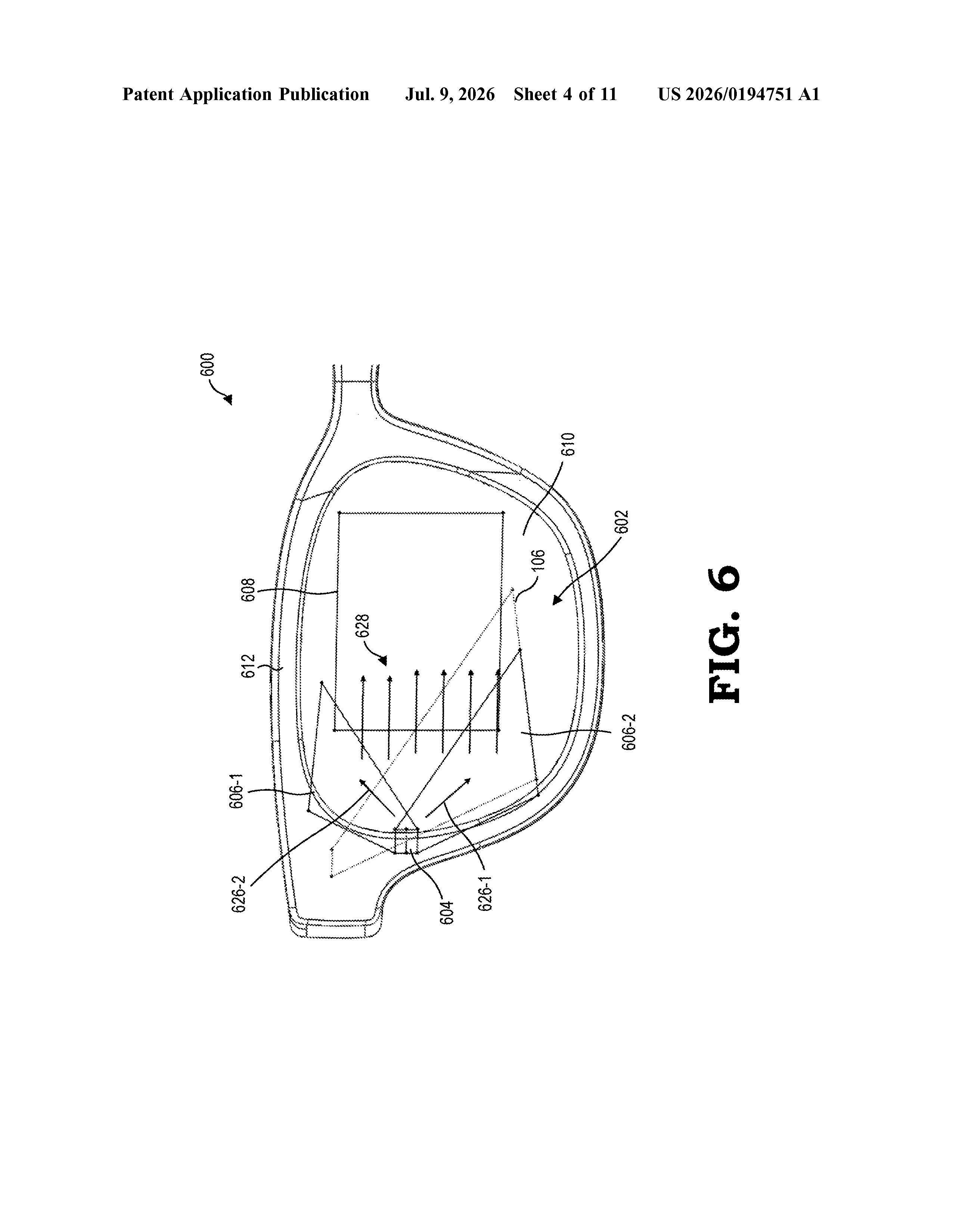
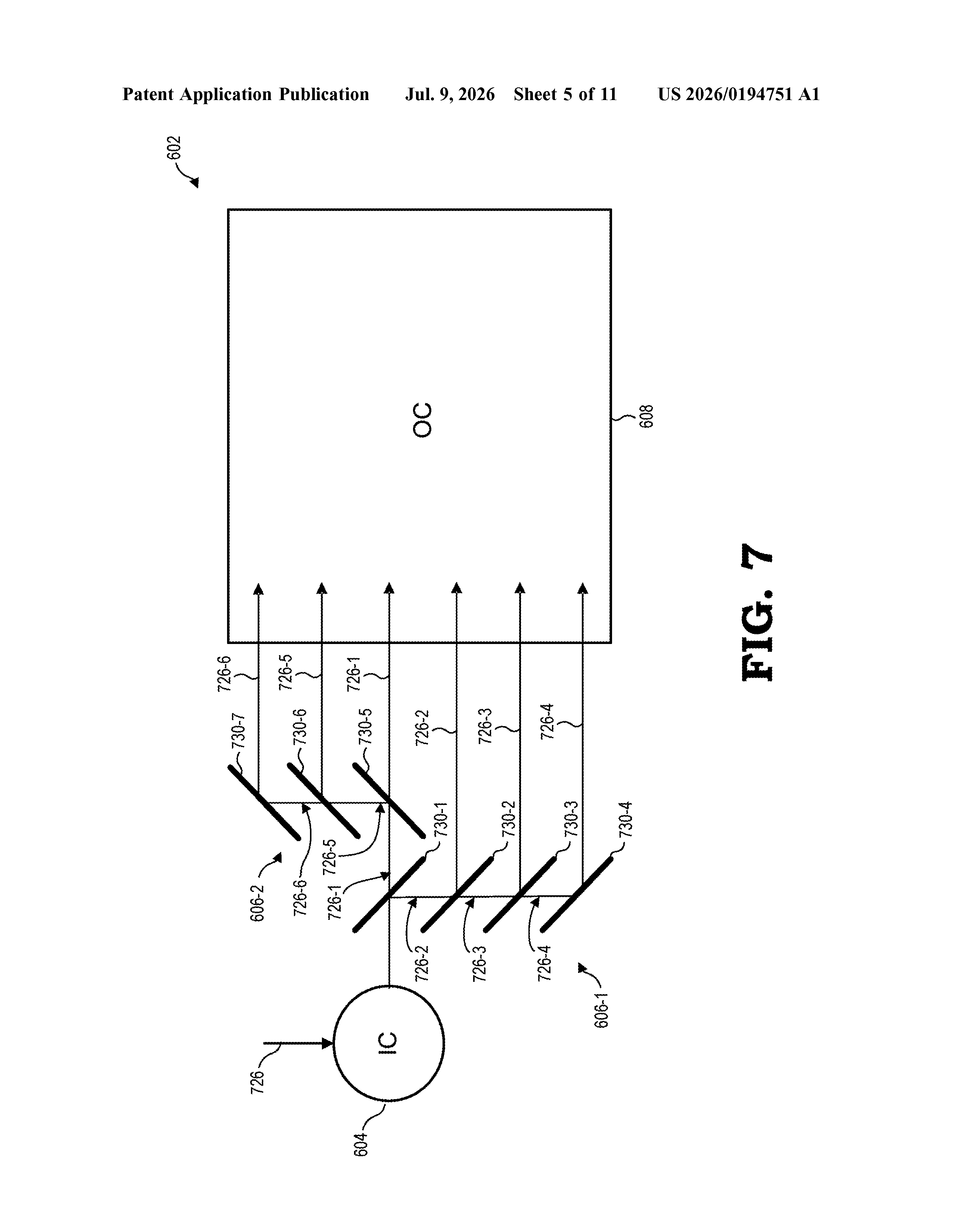
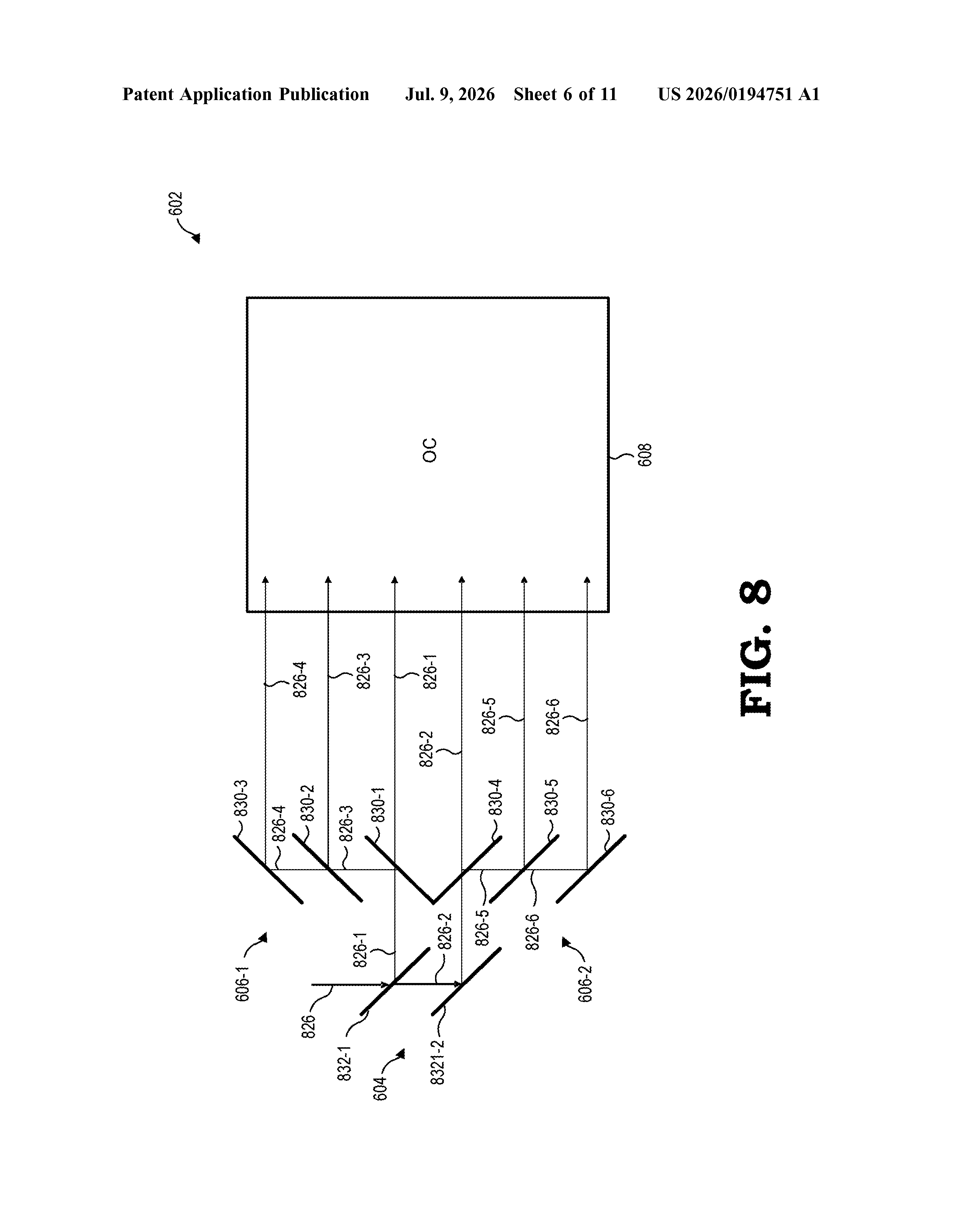
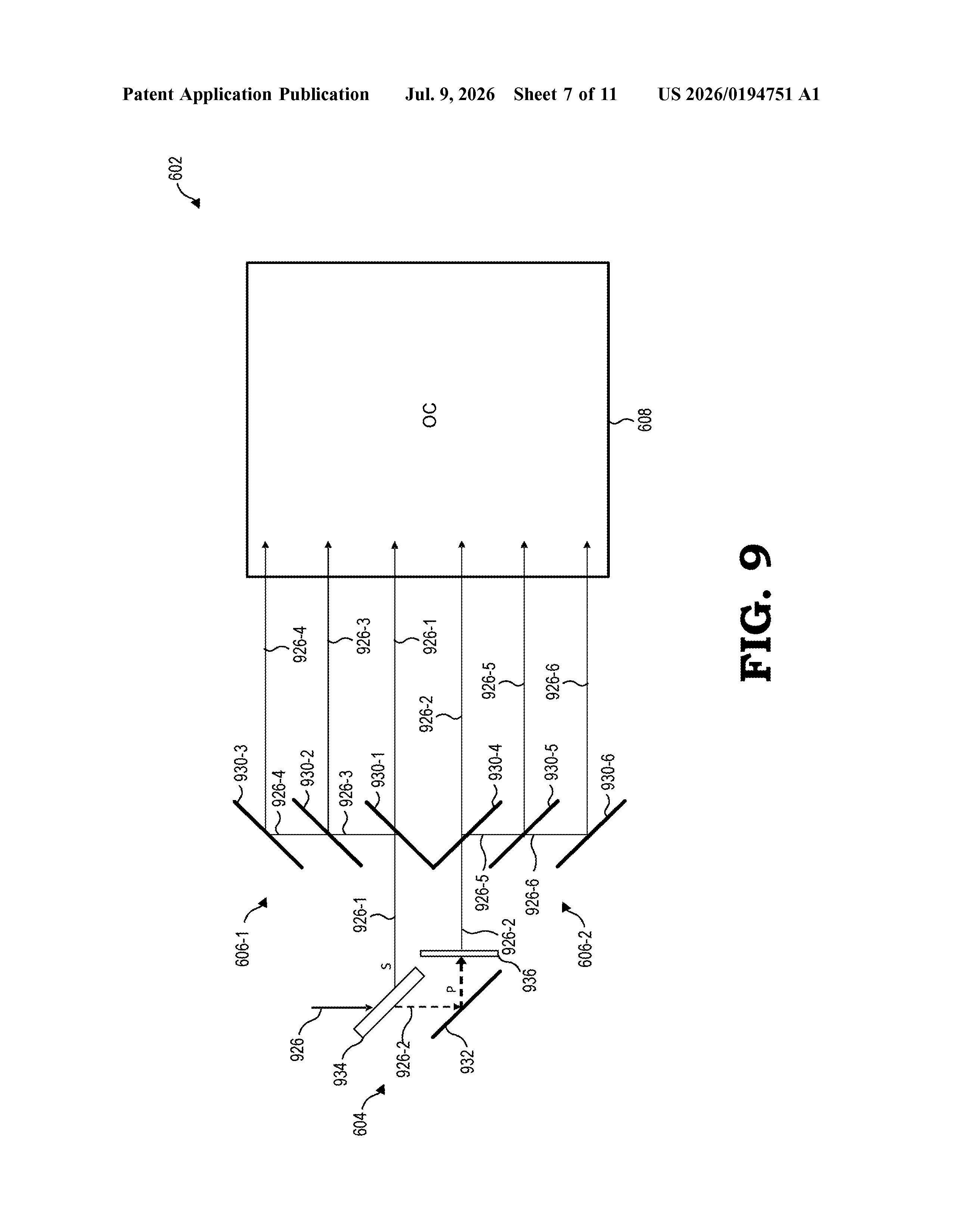
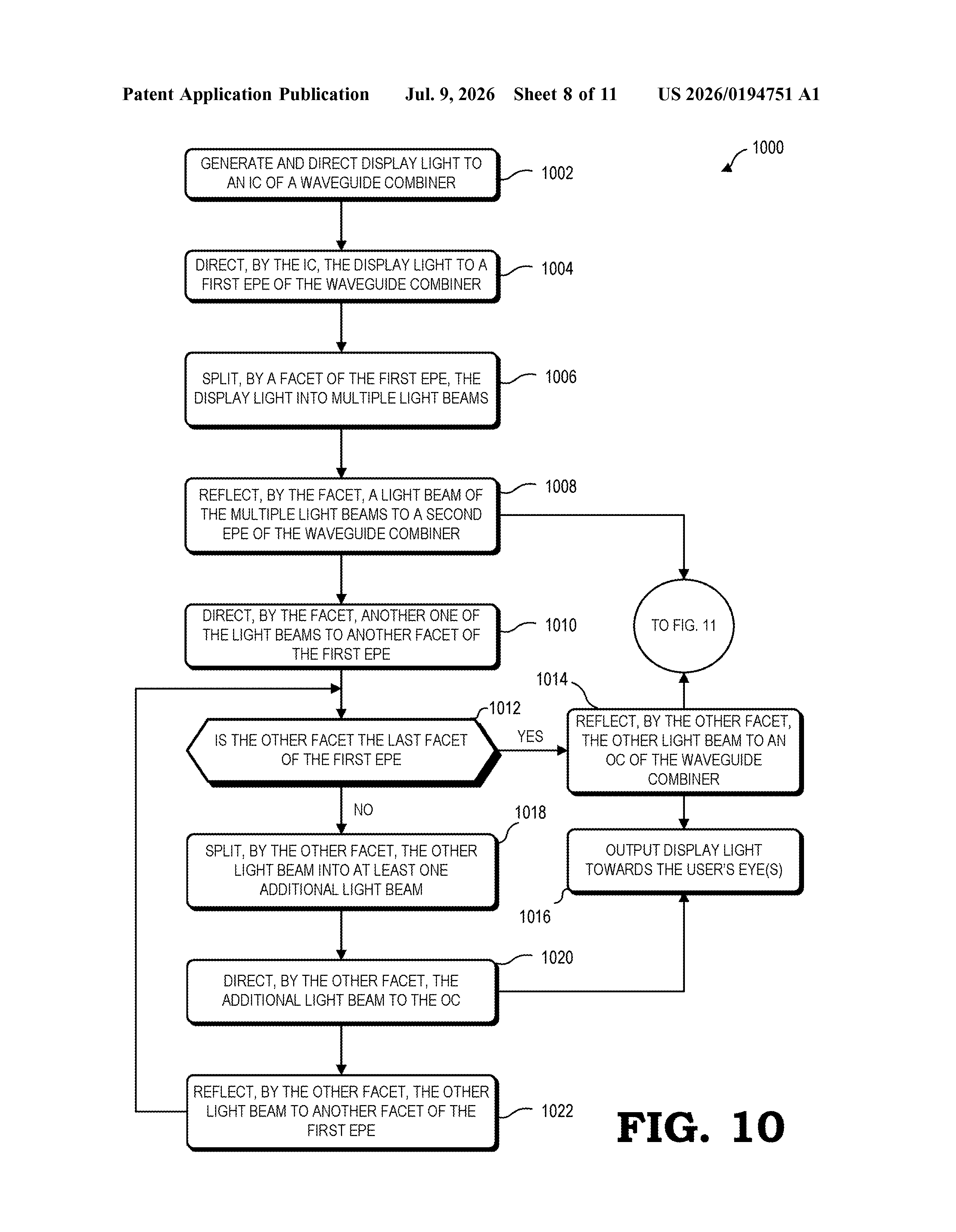
Google's patent describes a system that splits the display light at the entry point into several smaller beams, then routes each beam through its own dedicated path inside the lens. Each path does a bit of the work, so no single path needs to be as wide. The beams eventually recombine at your eye to form the full image.
The practical goal is a thinner, lighter lens that could make AR glasses far more wearable. Instead of engineering around one oversized light pipe, Google's design distributes the load, opening up room to make the physical lens much smaller.
How the incoupler splits and routes display light
The patent describes a component called a waveguide combiner, which is the optical assembly inside AR glasses that takes a tiny projected image and guides it to your eye while also letting you see the real world through it.
Inside this combiner, three key parts work together:
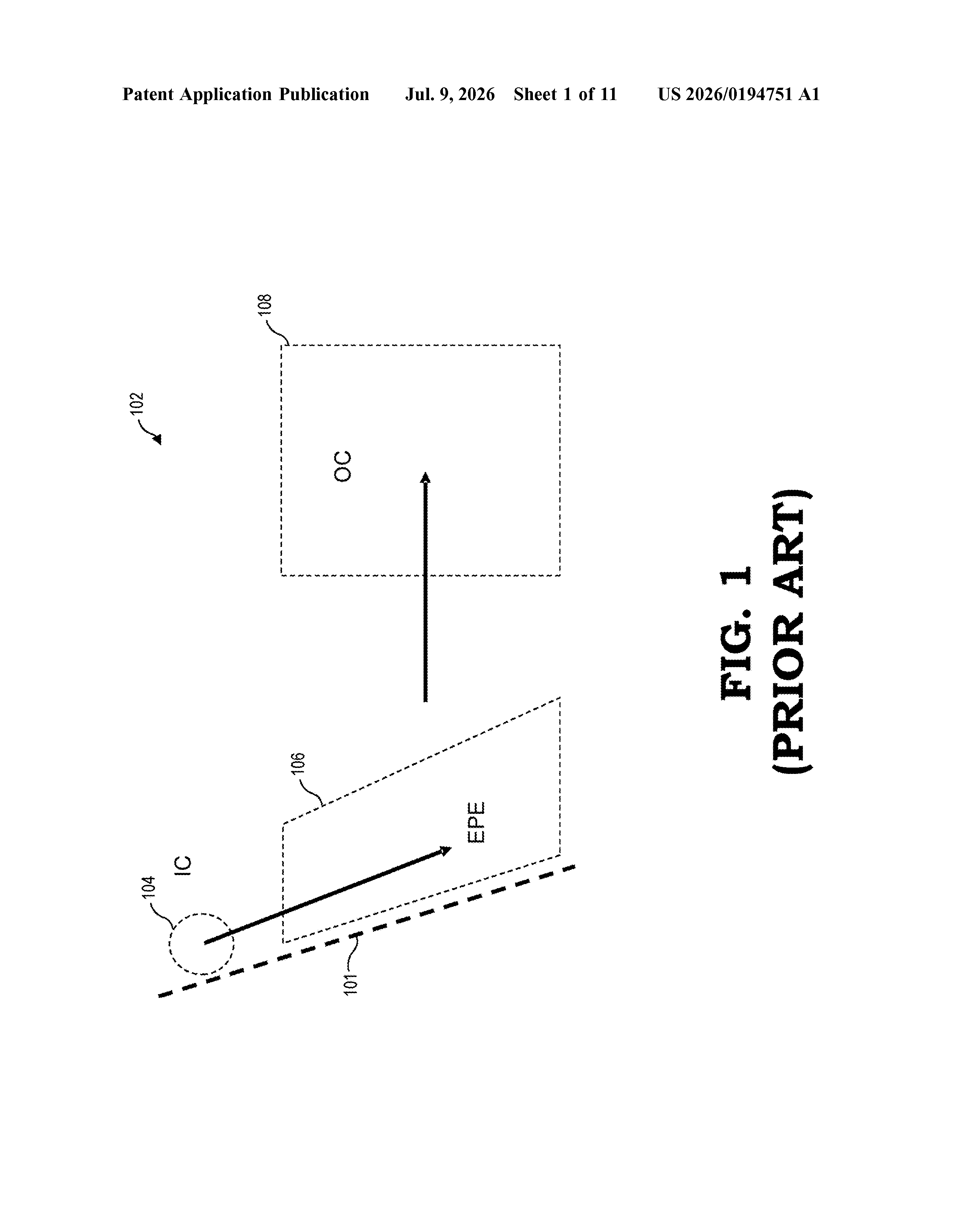
- Incoupler: The entry point where display light first enters the lens. In Google's design, instead of passing all the light in one direction, the incoupler splits it into multiple separate beams aimed at different zones of the lens.
- Exit pupil expanders (EPEs): These are the channels that carry light across the lens and spread it out so your eye can see the image no matter where it is positioned. Google's system uses several EPEs, one per beam, each with angled surfaces called facets that bounce and redirect light toward the final output zone.
- Outcoupler: The exit point where all the beams are directed toward your eye, reassembling into a coherent image.
By distributing light across multiple parallel paths, no single path needs to be as physically wide. That geometric trade-off is what allows the overall lens to be smaller without sacrificing image coverage.
What this means for the future of AR glasses design
The size and weight of AR optics have been the main barrier to everyday wearability since the first generation of smart glasses. Thicker lenses require heavier frames, which cause discomfort and make the glasses look conspicuously different from normal eyewear. A meaningful reduction in lens size without sacrificing display quality would be a real step toward glasses people actually want to wear all day.
Google has been working on AR hardware for years, from Google Glass to more recent projects. This patent suggests the company is still actively investing in the underlying optics that would make a consumer-ready AR product feasible. Smaller lenses also tend to mean lower manufacturing cost and more design flexibility, so the impact could be felt across price points if the approach makes it into a real product.
This is the kind of unglamorous optical engineering that actually determines whether AR glasses succeed or fail as a consumer product. The split-beam approach is a clever geometric solution to a very real problem, and the fact that Google is filing specific structural patents here suggests this isn't just exploratory research. Whether it makes it into hardware is another question, but it's worth tracking.
There are more where this came from
We read every patent application Big Tech publishes and send you the ones worth knowing. Plain English, free, every week.
The drawings
11 drawing sheets from US 2026/0194751 A1 · click any drawing to enlarge
Want this weekly breakdown for a company we don't cover? Patentlyze Pro →
Be the first to weigh in