
Google Patent Blocks Apps From Secretly Capturing Audio After Content Playback
Imagine an app flashing you an ad and then immediately grabbing whatever the microphone picks up right after. Google has filed a patent for a system that catches exactly that pattern and shuts it down.
How Google's audio-blocking system actually works
You've probably heard the conspiracy theory: your phone is listening to you. Most of the time that's not quite how it works, but there's a real version of this concern worth taking seriously. Some apps can request audio data immediately after showing you content, which creates an opening to capture what you just said or heard.
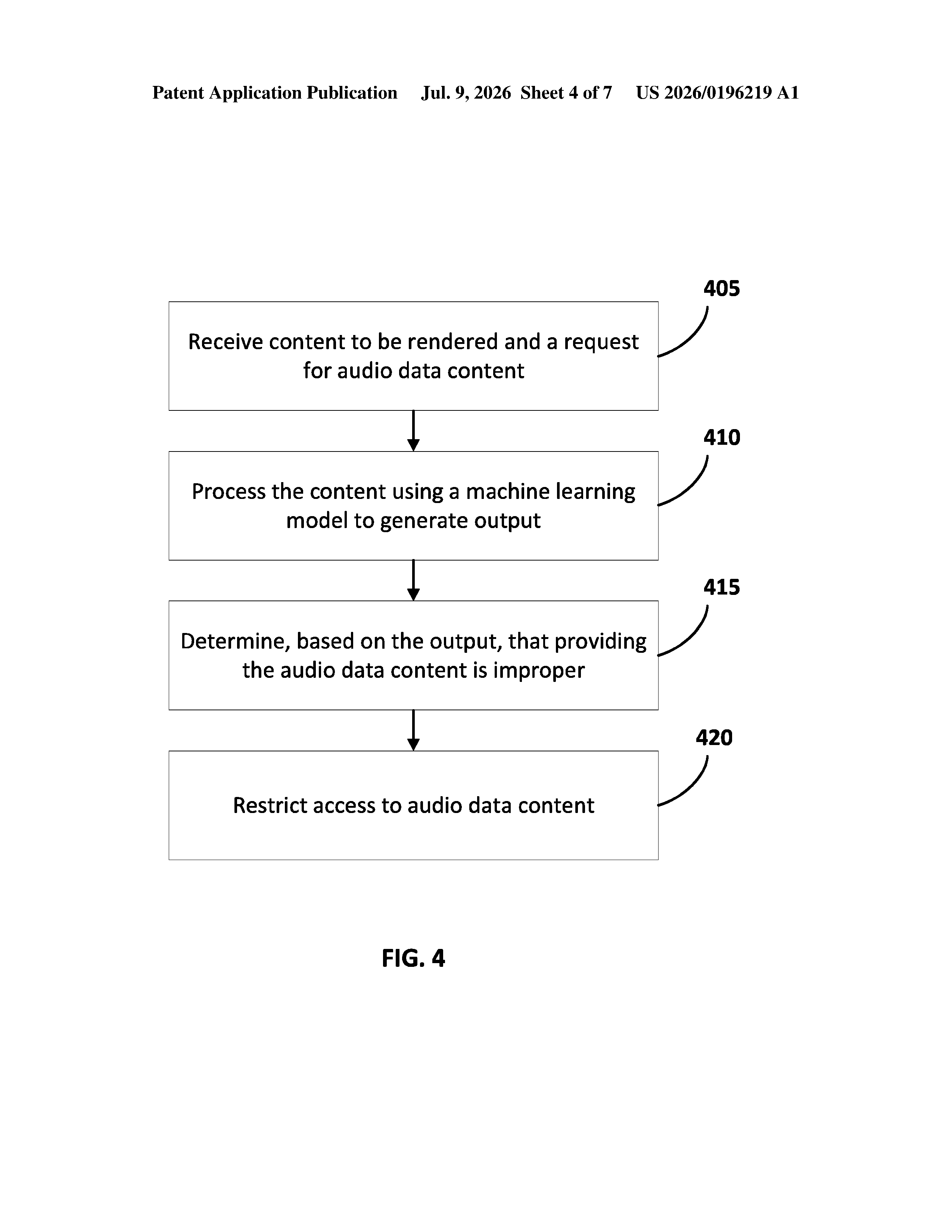
Google's patent describes a system that watches for this exact pattern. When an app shows you something and then immediately asks for audio from your microphone, the system runs that request through an AI model to decide whether the timing looks suspicious. If the model decides the app is trying to grab audio it shouldn't have, the audio is blocked before the app ever sees it.
The key idea is that the timing and context of the request is itself a red flag. You don't need to catch an app in an obvious lie; you just need to notice that it asked for audio at an unusually convenient moment. Google's system is trying to automate that judgment.
How the ML model catches suspicious audio grabs
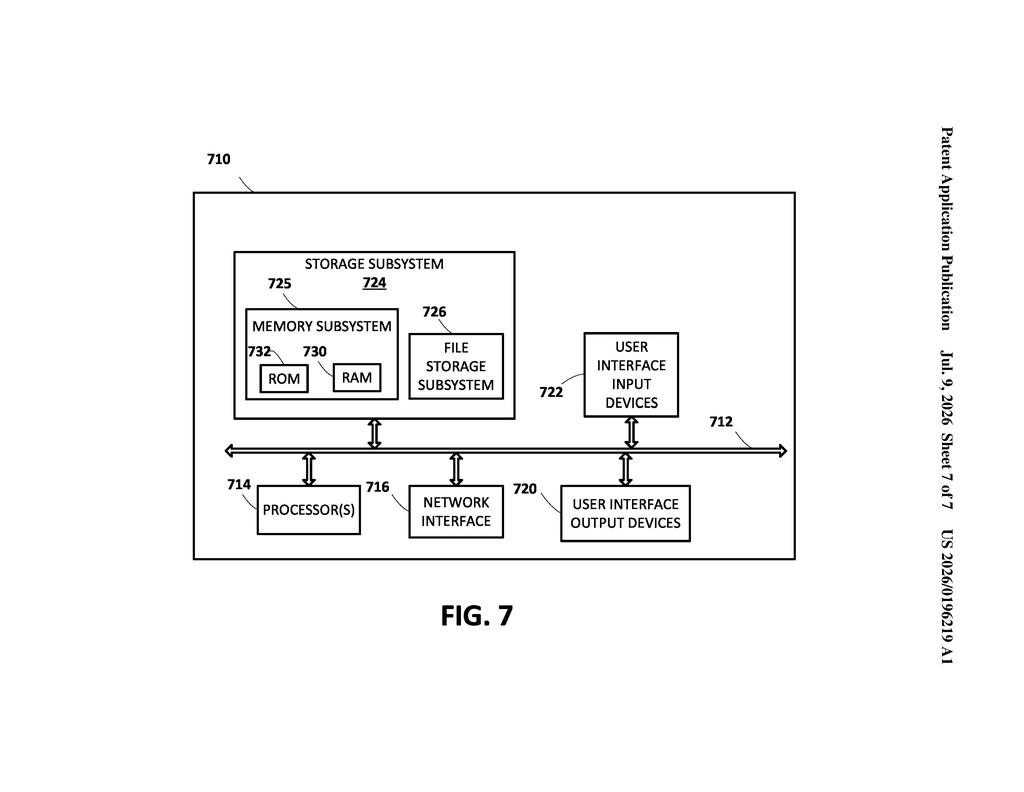
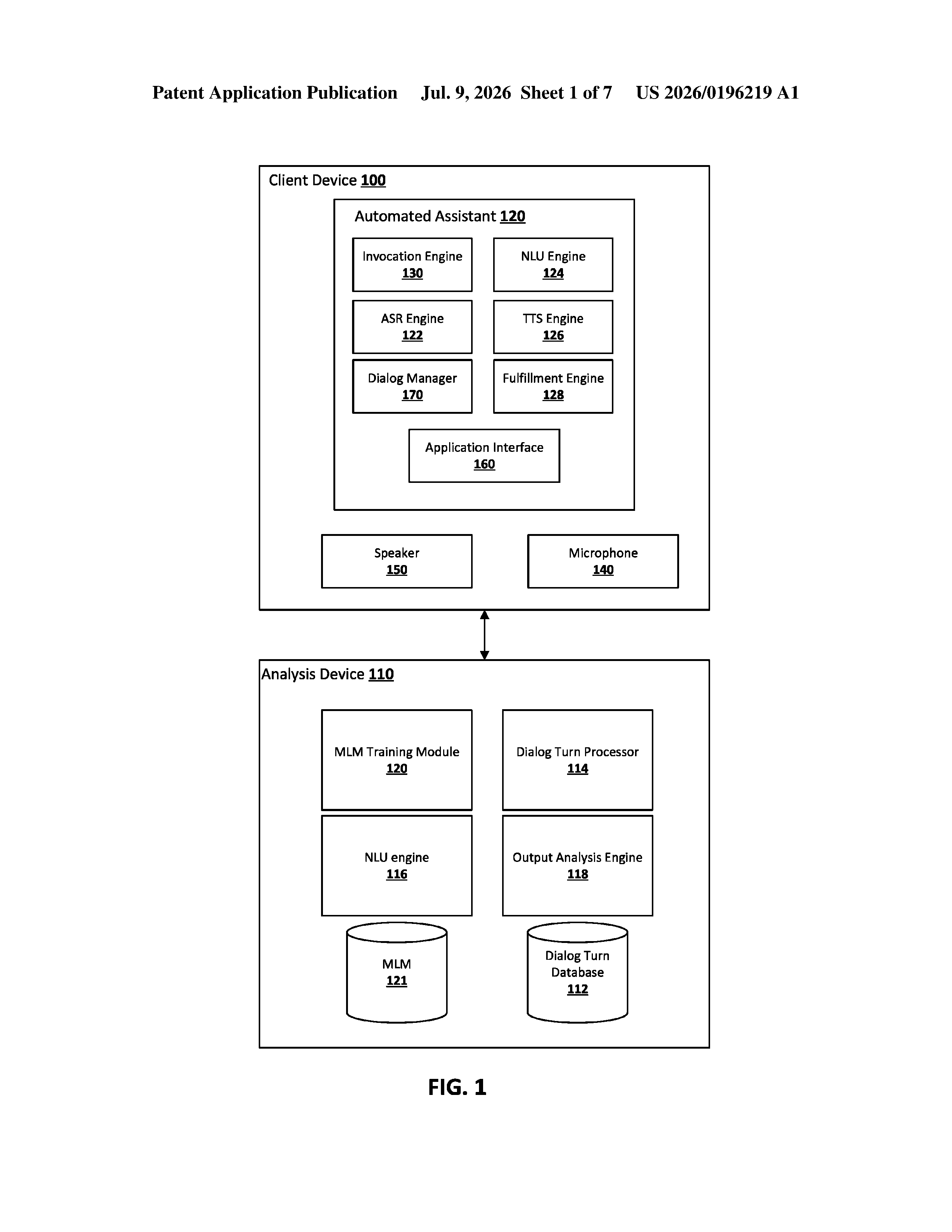
The patent describes a method running on your device (not in the cloud) that intercepts audio data before it gets handed to a third-party app.
Here's the sequence the patent lays out:
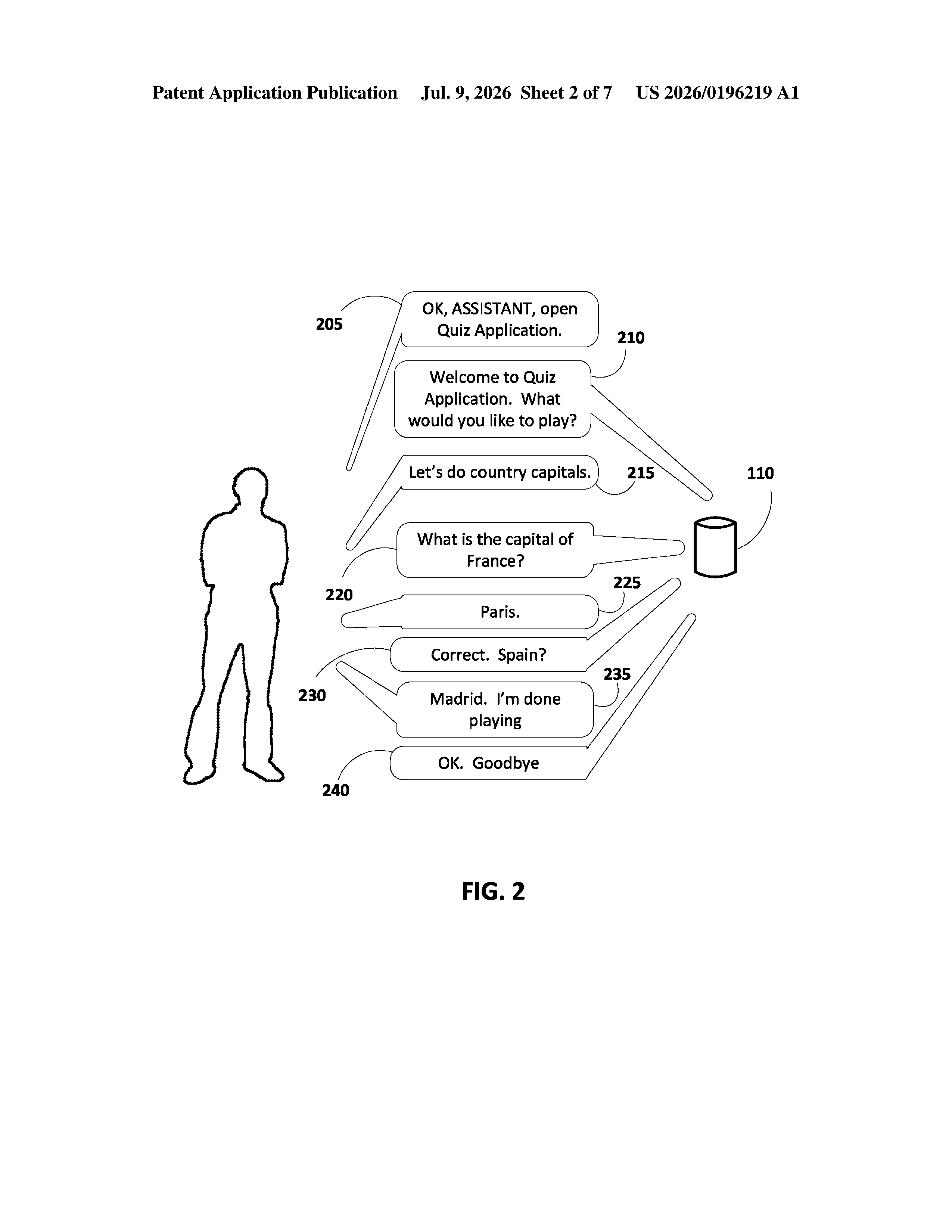
- An app renders content to you and simultaneously requests access to audio captured immediately afterward.
- The device captures that audio and generates what the patent calls an "instance of audio data content" (essentially a processed clip or transcript).
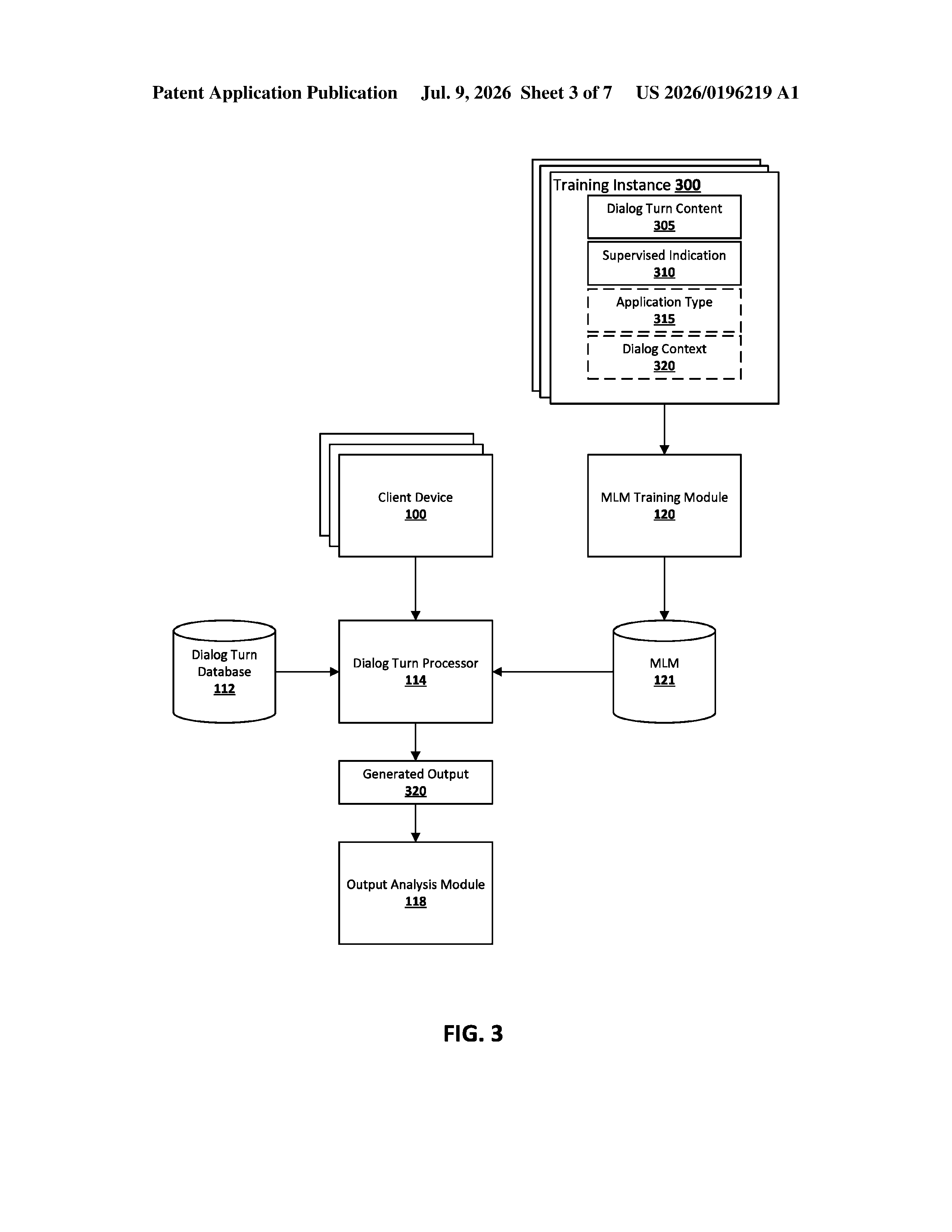
- Before delivering anything to the app, a trained machine learning model analyzes the request. The model looks at the relationship between the content the app just showed you and the audio request that followed, producing a score indicating how likely it is that the request was improper.
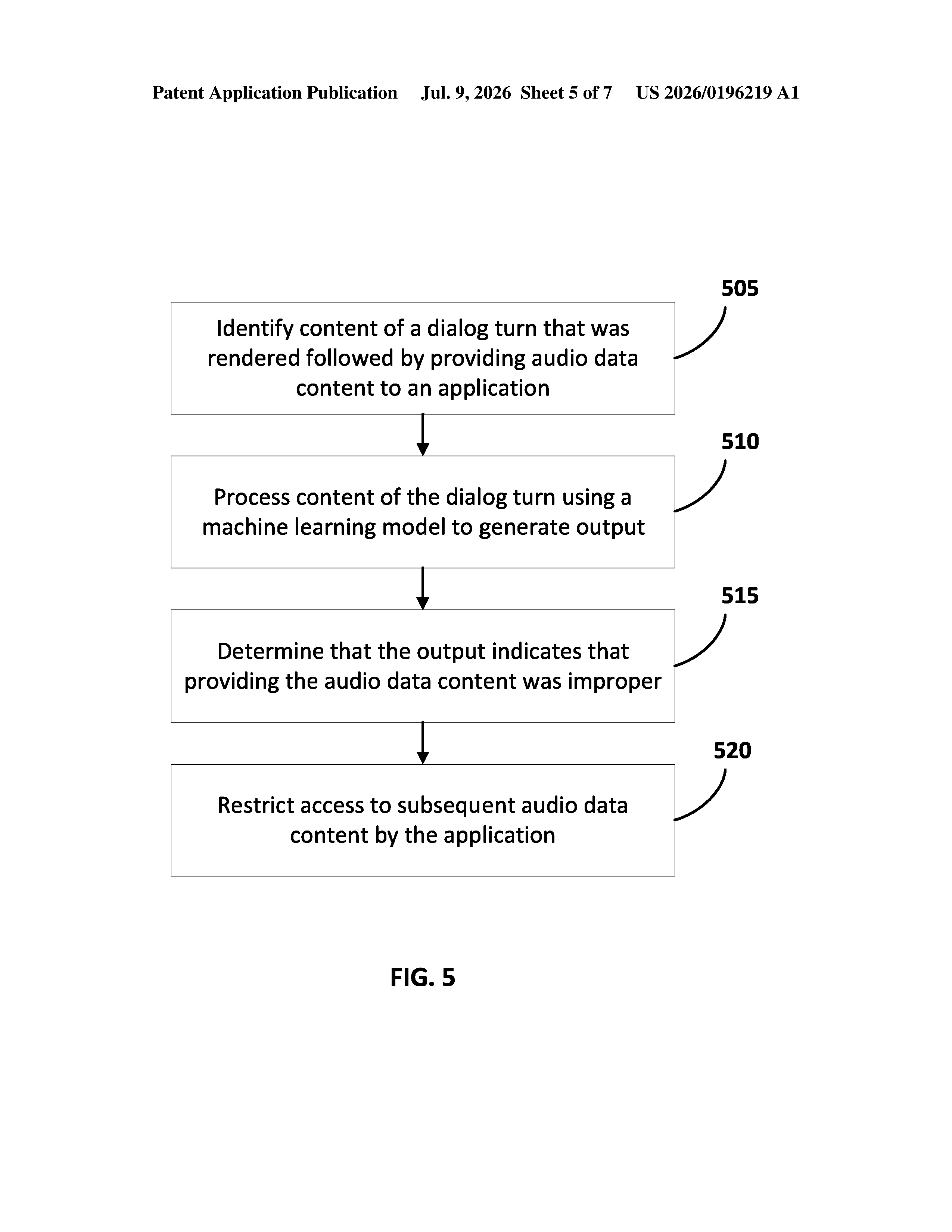
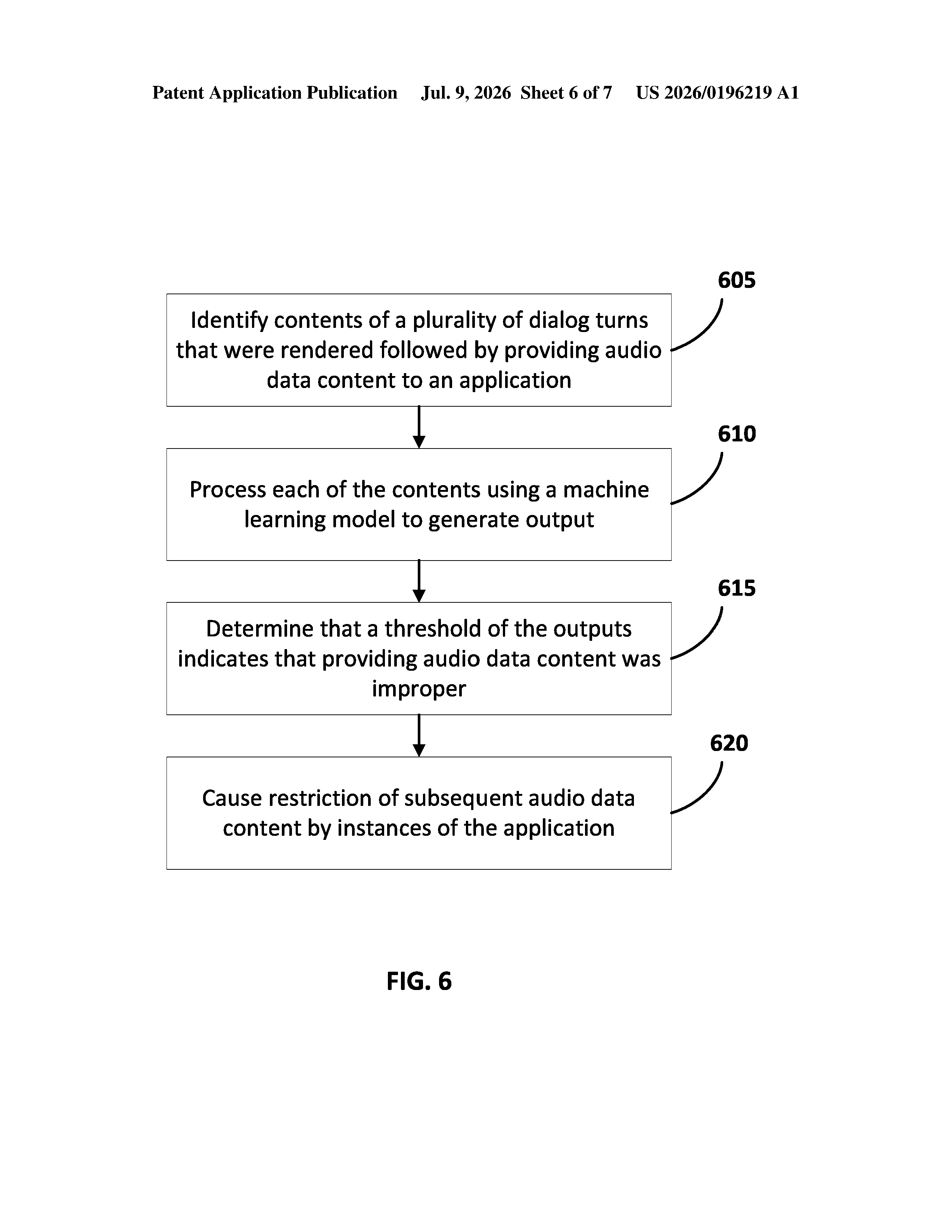
- If the score crosses a threshold, the app is blocked from receiving the audio. Depending on severity, it can also be blocked from future audio requests.
The phrase "improper" in the patent is doing meaningful work here. The system isn't just checking whether an app has microphone permission; it's judging whether the timing and framing of the request looks like an attempt to capture context it shouldn't have. That's a behavioral check, not just a permissions check.
What this means for your phone's microphone privacy
Most microphone privacy controls today are binary: an app either has permission or it doesn't. Google's approach introduces a middle layer, one that evaluates how an app uses its permission, not just whether it has the permission at all. That's a meaningful shift because many legitimately installed apps do have microphone access for good reasons, but could still abuse it in narrow windows.
If this lands in Android, it would give users a form of protection they currently don't have without actively auditing every app's behavior. For anyone who's ever felt uneasy about the microphone indicator light flickering at odd moments, that's a direct and practical response to a real anxiety.
This is one of the more user-facing privacy patents Google has filed in a while, and it addresses a genuinely plausible attack surface rather than a hypothetical one. The clever part is using the timing of an audio request as the signal, rather than trying to decode what the audio actually contains. Whether it ships as a real Android feature is another question, but the problem it's solving is real.
Get our take in your Top Stories
Liked this breakdown? Add Patentlyze as a preferred source on Google, and our plain-English take shows up more often in your Top Stories the next time Google patent news breaks.
There are more where this came from
We read every patent application Big Tech publishes and send you the ones worth knowing. Plain English, free, every week.
The drawings
7 drawing sheets from US 2026/0196219 A1 · click any drawing to enlarge
Want this weekly breakdown for a company we don't cover? Patentlyze Pro →