
Samsung Patents a Three-Tier System for Taming Background Apps
Your phone's battery drains partly because apps running in the background fight for the same resources as the app you're actually using. Samsung's new patent describes a smarter referee for that fight.
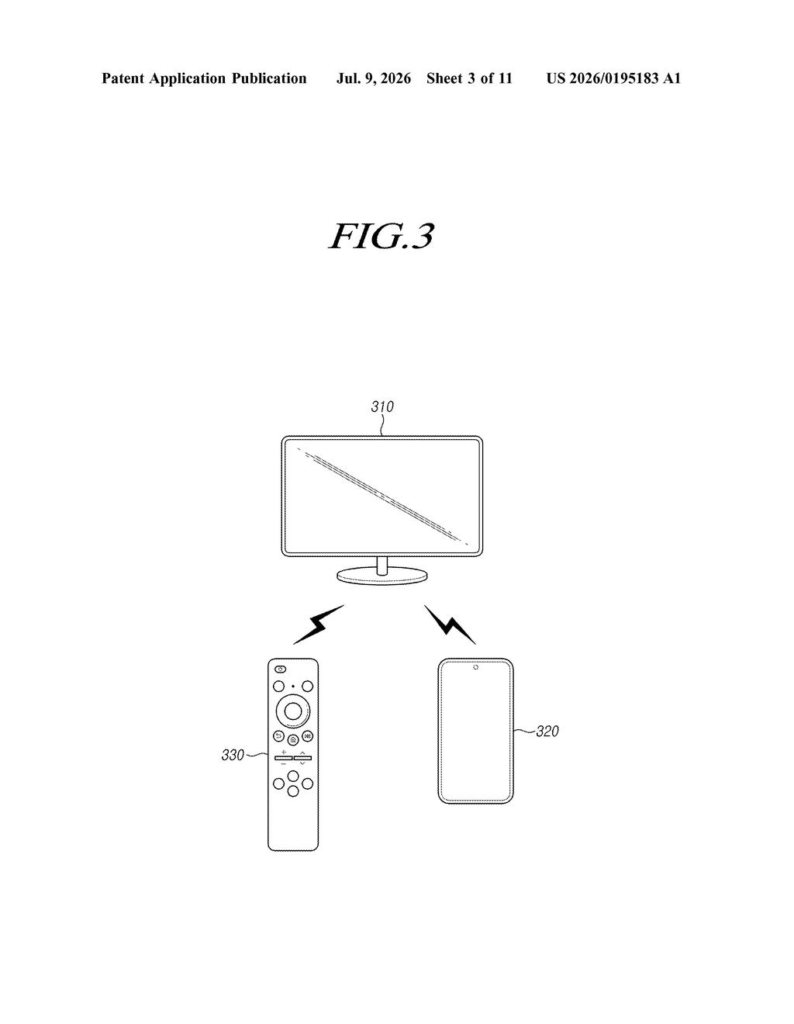
What Samsung's background app priority system actually does
Picture your phone like a busy restaurant kitchen. The chef working the front line (the app on your screen) needs the most ingredients. Workers prepping in the back (background apps) should get fewer, but some background tasks are more urgent than others. Right now, most phones treat all background work pretty similarly.
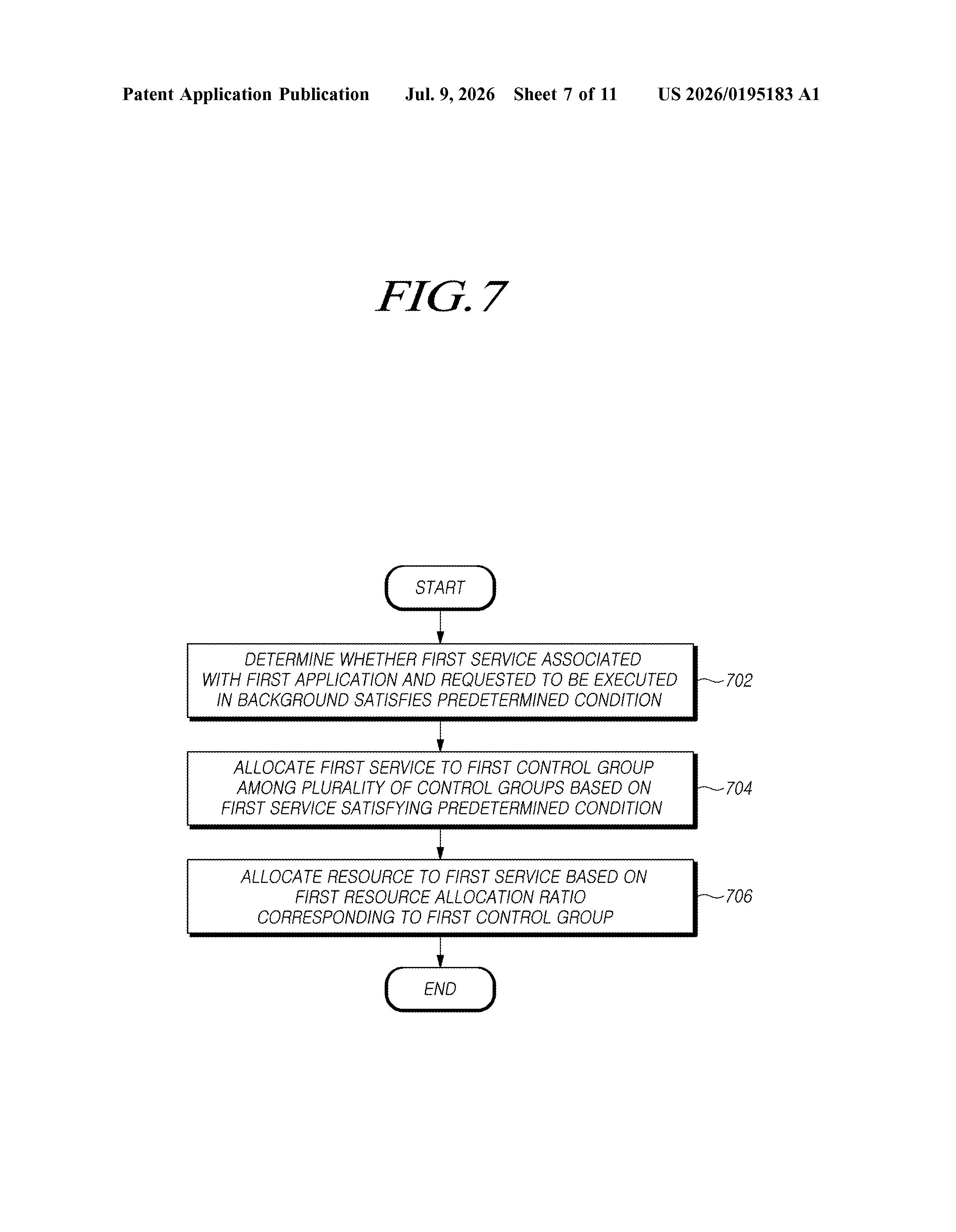
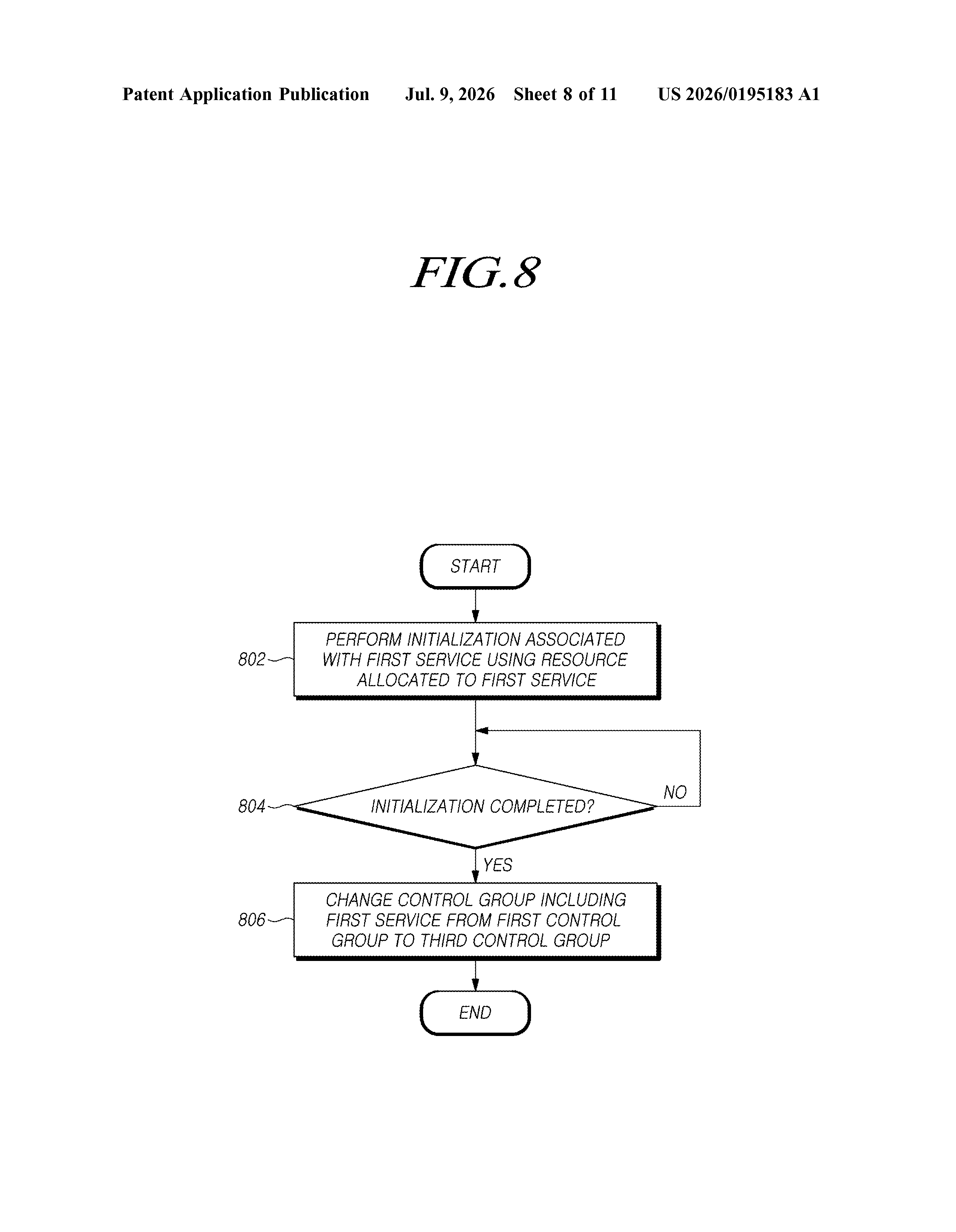
Samsung's patent describes a system that adds a middle tier for background tasks. Instead of just two buckets (foreground and background), there are three: the app you're actively using, a special class of background services that earn more resources because they meet certain conditions, and ordinary background tasks that get the least.
The idea is that some background work, like a navigation app recalculating your route, deserves more processing power than, say, an app checking for notifications. By sorting those tasks into separate groups, your phone can keep important background jobs running smoothly without starving the app in front of you or draining your battery faster than necessary.
How the three control groups divide up CPU resources
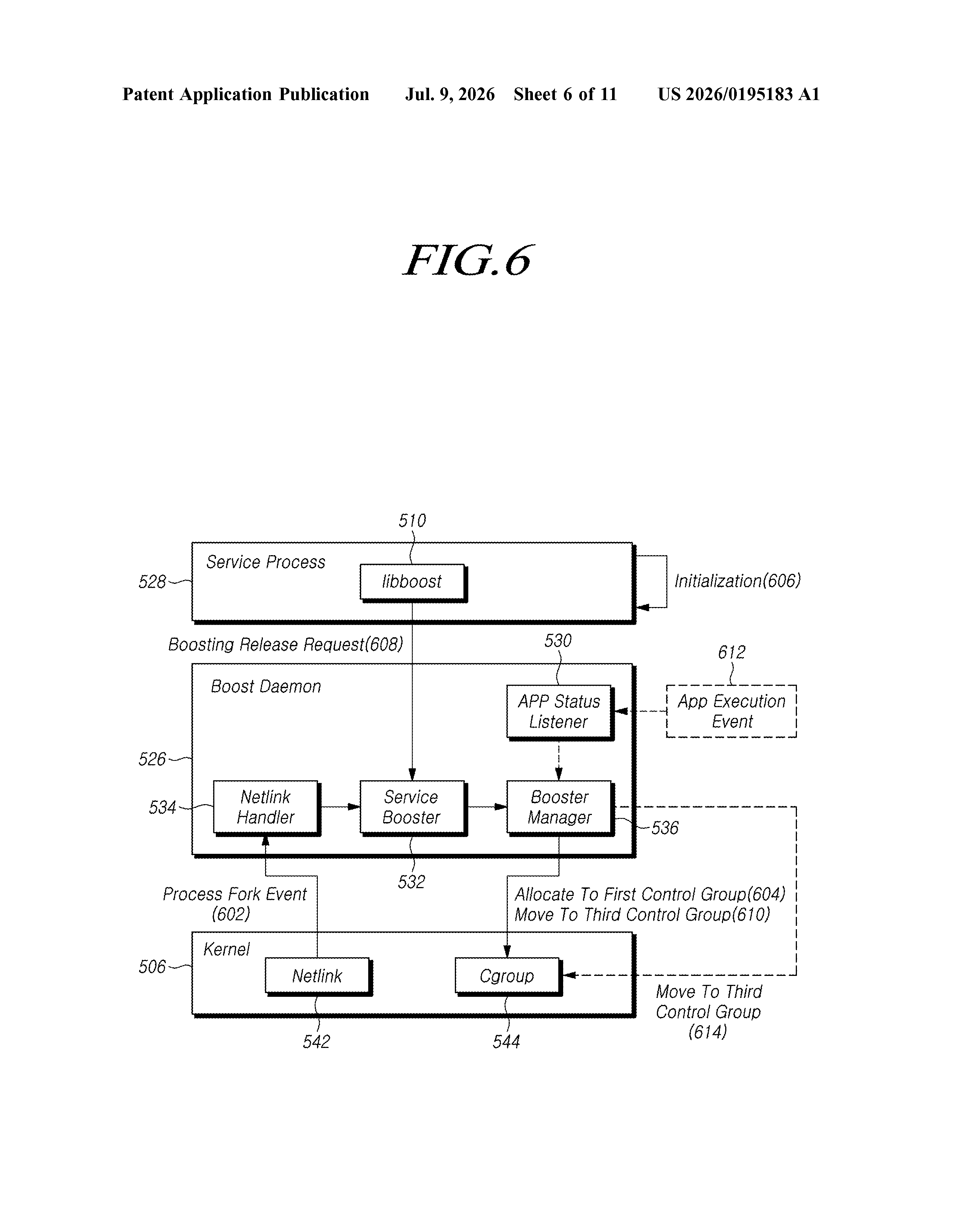
The patent describes a resource management system built around control groups, a standard Linux/Android mechanism for dividing up CPU time among different processes.
The device maintains three control groups at once:
- Group 2 (foreground): The app the user is actively interacting with. Gets the largest share of CPU resources.
- Group 1 (elevated background): A background service that passes a "specified condition" check. Gets more CPU than ordinary background tasks, but less than the foreground app.
- Group 3 (standard background): All other background services. Gets the smallest resource allocation.
The key mechanism is the condition check that decides whether a background service qualifies for Group 1 or gets lumped into Group 3. The patent does not fully enumerate every qualifying condition, leaving room for Samsung to define rules based on factors like the app category, user activity history, or declared service type.
Resource allocation ratios (the fractions of CPU time assigned to each group) are set so that Group 1 always sits between the other two, creating a clear priority ladder rather than a binary foreground-versus-background split.
What this means for Android battery life and performance
Android already uses control groups internally, but this patent formalizes a three-level hierarchy that gives Samsung more granular control over how Galaxy phones balance performance and battery life. If background services can be ranked by importance rather than treated as a single undifferentiated pool, the phone can be more aggressive about throttling truly idle apps while keeping genuinely useful ones responsive.
For you as a user, the practical payoff would be things like music apps, navigation, or fitness trackers staying snappy in the background while battery-hungry apps that don't need many resources get capped. Whether Samsung ships this as part of One UI's task manager or bakes it deeper into the Android kernel is an open question, but the underlying idea is one any Android phone maker could benefit from.
This is incremental systems work, not a flashy feature. Samsung is essentially formalizing a resource-management pattern that power users already approximate by manually limiting background activity. If it ships and the condition-check logic is well-tuned, it could make a real difference to all-day battery life on Galaxy devices without users ever knowing it's there. That quiet kind of improvement is often the most durable.
There are more where this came from
We read every patent application Big Tech publishes and send you the ones worth knowing. Plain English, free, every week.
The drawings
11 drawing sheets from US 2026/0195183 A1 · click any drawing to enlarge
Want this weekly breakdown for a company we don't cover? Patentlyze Pro →
Be the first to weigh in