
Google Patents a Method That Shrinks Files by Skipping Unnecessary Markers
Most compressed files carry tiny bookkeeping labels that say 'I used method A' or 'I used method B.' Google's new patent asks: what if you could skip that label entirely and still get the right answer?
What Google's implicit predictor coding actually does
Imagine a packing list where every box is labeled 'packed with method A' or 'packed with method B' even when the contents make the method obvious. That's roughly how many compression systems work today: they store a small tag alongside each data point explaining which prediction shortcut they used, even when it's technically unnecessary.
Google's idea is to skip that tag whenever the two available prediction methods would reach the same answer for a given data point. If both methods agree, the decoder doesn't need to be told which one was used, so the encoder just... doesn't say. The decoder runs the same test on its end and figures it out independently.
The result is a slightly smaller output file for the same quality of reconstructed data. That might sound like a tiny win, but compression is a field where shaving off even a fraction of a percent across billions of files adds up fast.
How the encoder and decoder silently agree on which method was used
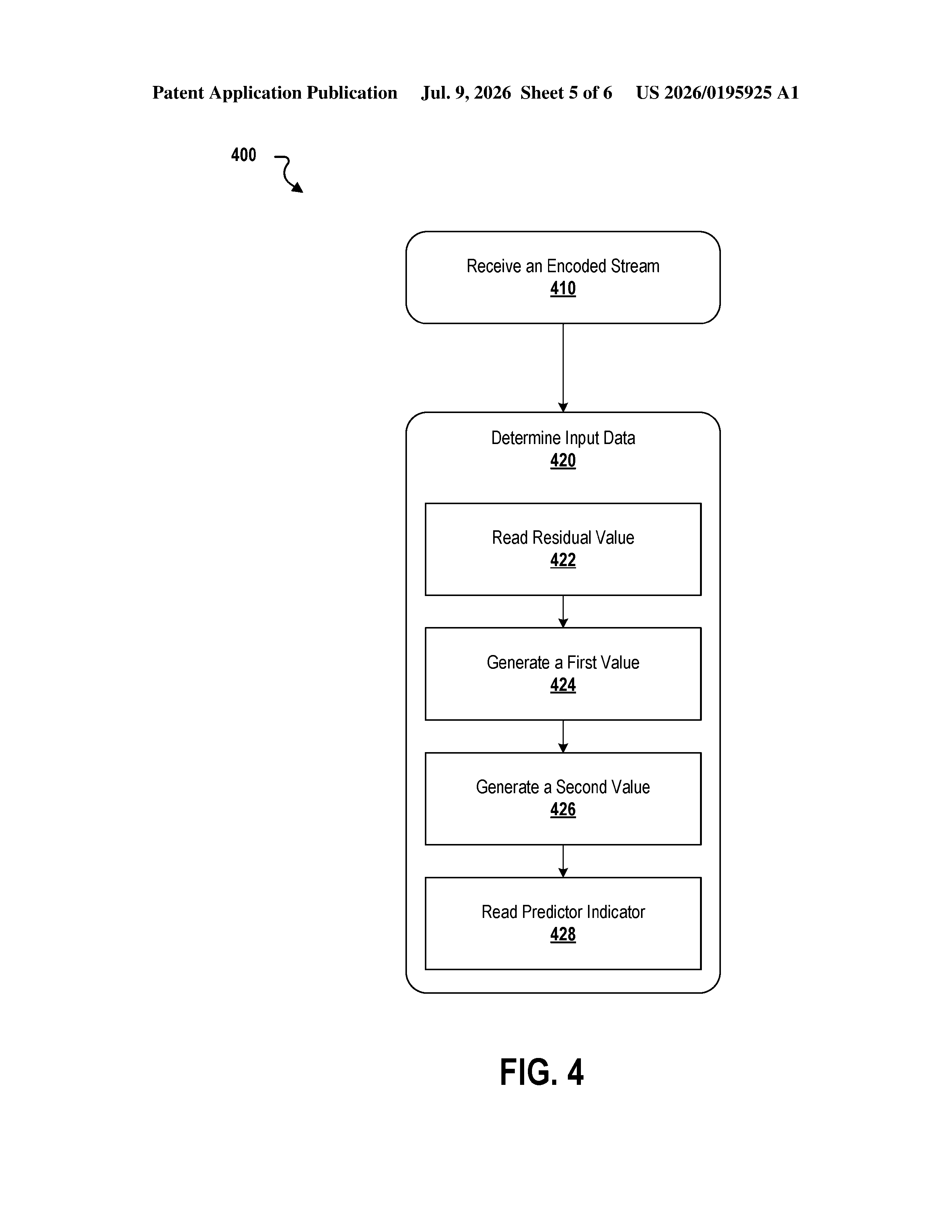
Standard compression codecs that use multiple prediction schemes face a bookkeeping problem. For every data point, the encoder has to record which prediction method it chose, so the decoder knows how to reverse the process. That record, called a predictor indicator, is small but not free: multiplied across millions of data points, it adds meaningful overhead to the output stream.
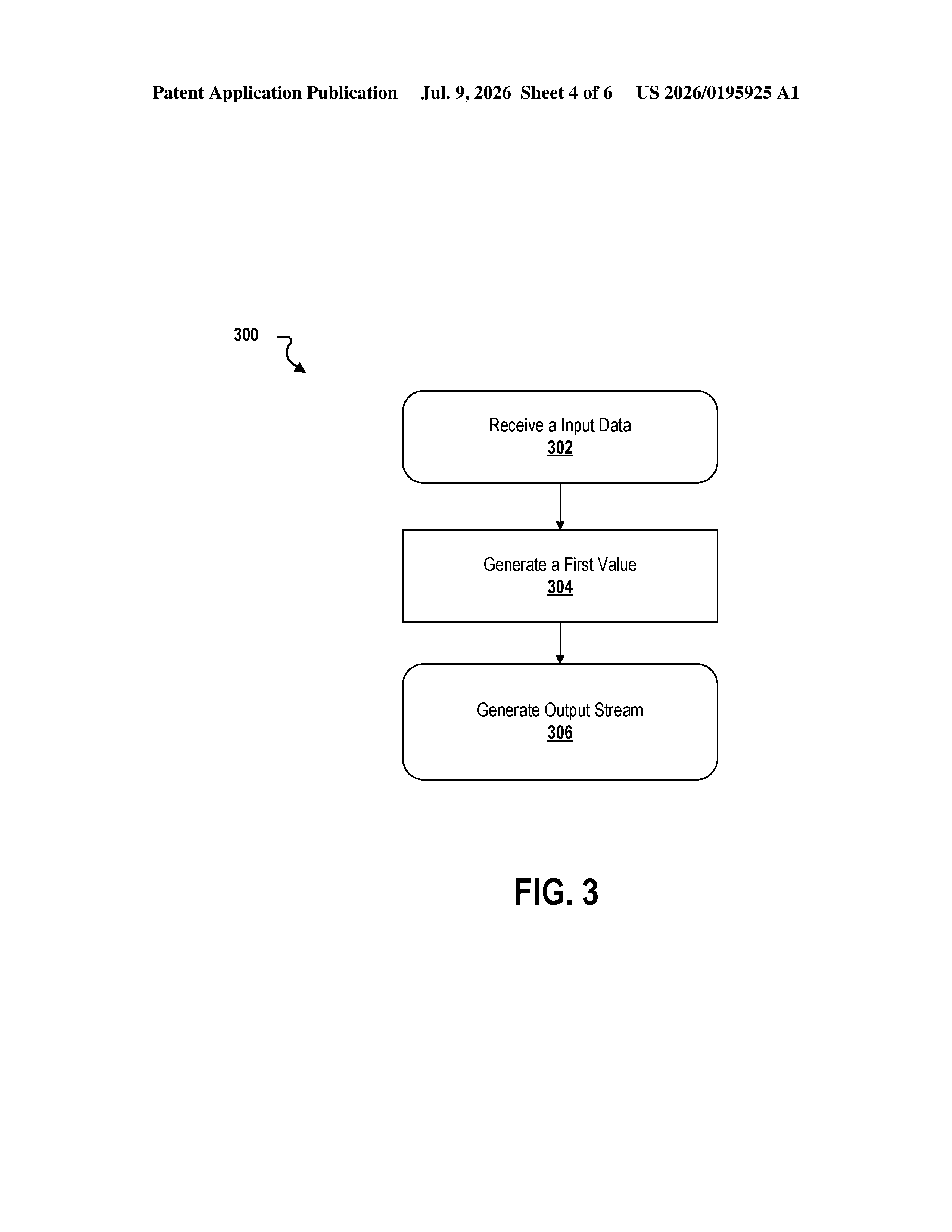
Google's patent describes a way to conditionally omit that indicator. Here's the flow:
- The encoder runs two (or more) prediction schemes on the same data point, each producing a candidate predicted value.
- It checks whether those candidate values satisfy a criterion, such as two or more values being identical.
- If the criterion is met, the predictor indicator is left out of the output stream. Only the residual (the difference between the actual data point and the chosen predicted value) is written.
- The decoder applies the exact same deterministic test. If the test passes, it knows no indicator was written and infers which predictor was used. If the test fails, it reads the indicator as normal.
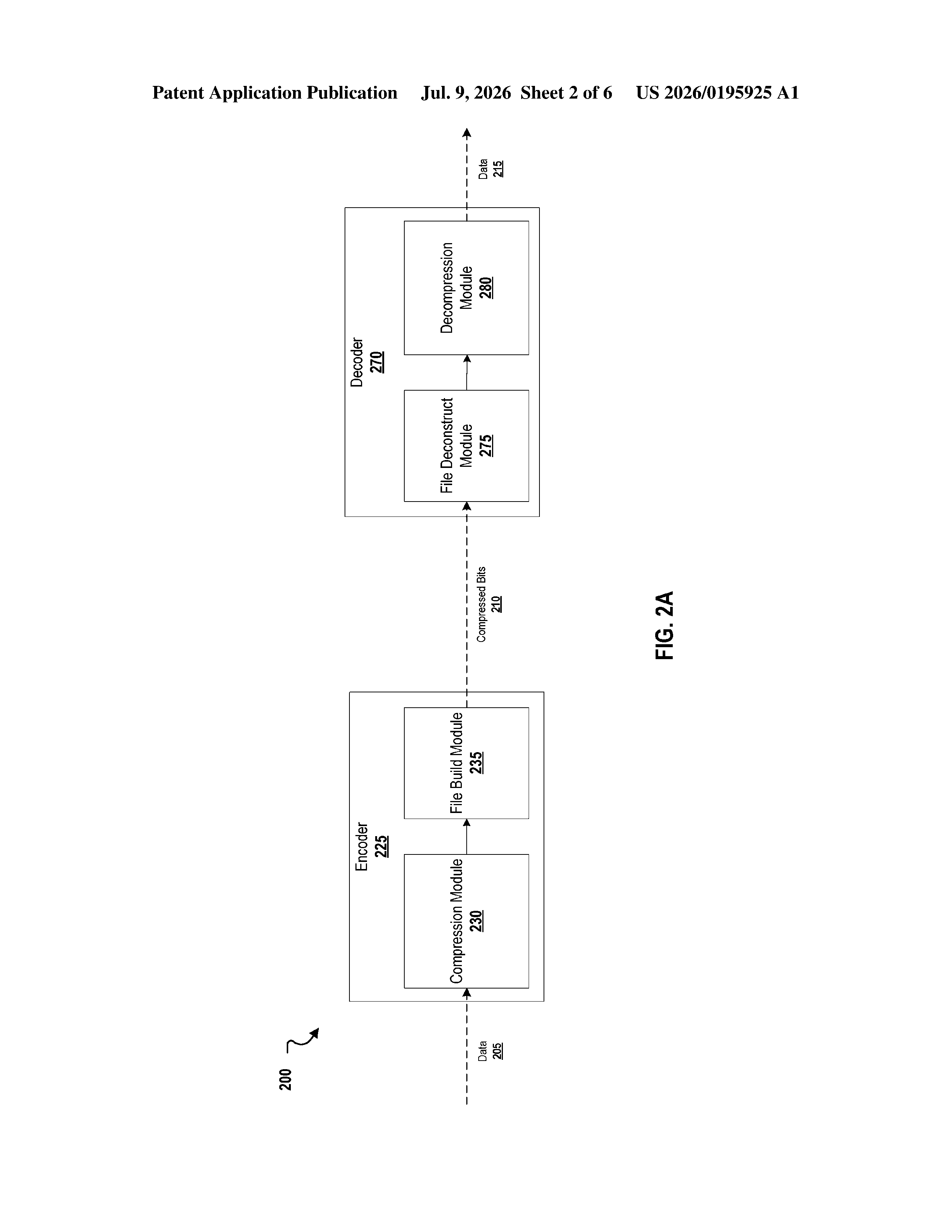
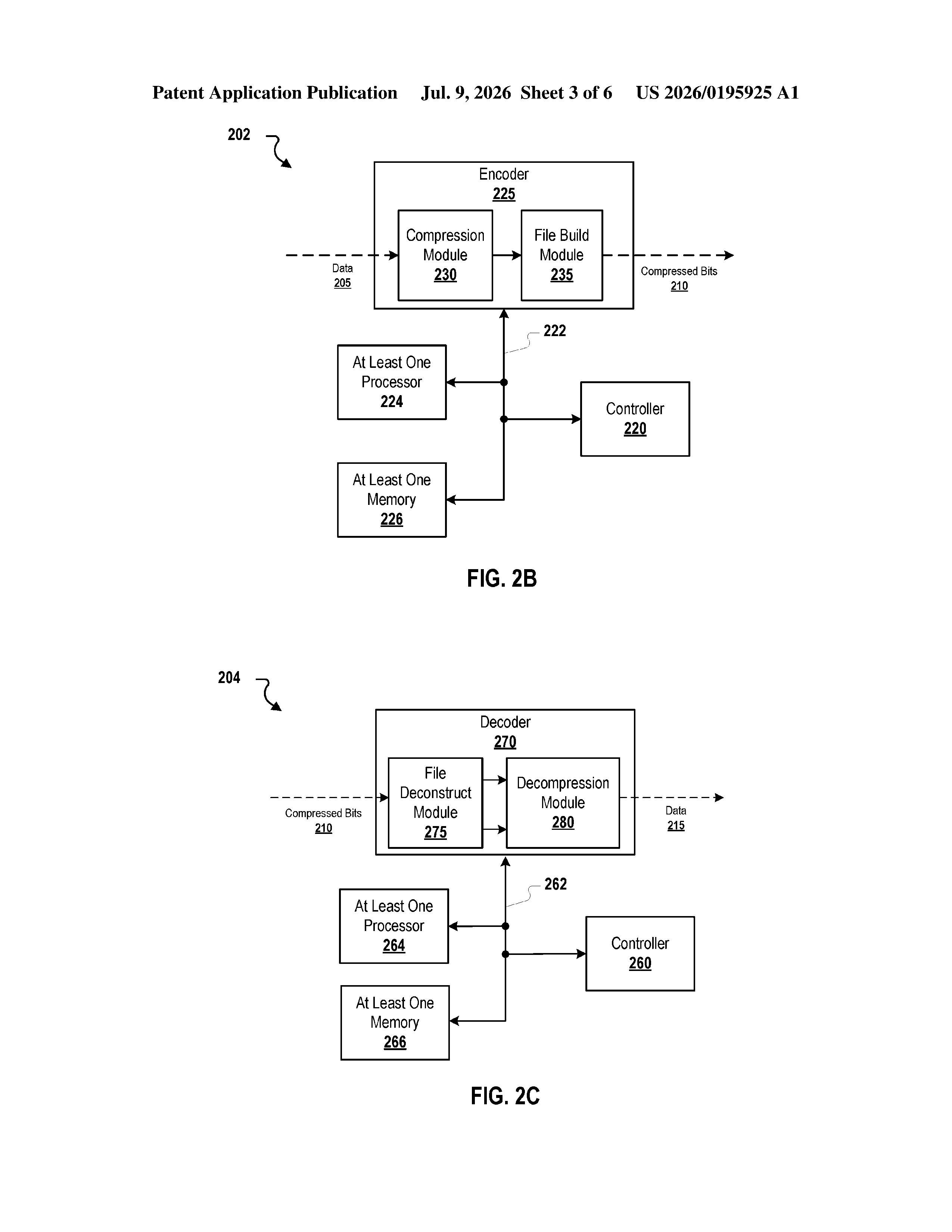
Because both sides run the same logic independently, no extra signaling is needed. The patent explicitly covers the encoder side (claim 1 focuses on generating the output stream with residuals) while the corresponding decoder logic mirrors it exactly.
What this means for storage and streaming efficiency
Compression is infrastructure. It touches every image, video, audio file, and data archive you interact with, usually invisibly. A method that trims overhead without touching output quality fits neatly into codecs used for everything from cloud storage to video streaming. Even a small improvement in compression ratio, applied at Google's scale across YouTube, Google Photos, or Cloud Storage, translates to real reductions in bandwidth and storage costs.
For you as an end user, a better compression ratio can mean faster downloads, lower data usage on mobile, and slightly cheaper cloud storage plans over time. This patent is narrow and technical, but it describes the kind of low-level improvement that shows up in codec updates years later without anyone announcing it.
This is a genuinely useful, if unglamorous, compression optimization. It's the kind of detail that serious codec engineers care about and general audiences never hear about until it's already shipped. The logic is clean, the benefit is real, and Google has obvious motivation to deploy something like this at scale. Worth a look if you follow compression standards.
There are more where this came from
We read every patent application Big Tech publishes and send you the ones worth knowing. Plain English, free, every week.
The drawings
6 drawing sheets from US 2026/0195925 A1 · click any drawing to enlarge
Want this weekly breakdown for a company we don't cover? Patentlyze Pro →
Be the first to weigh in