
IBM Patents a Self-Cleaning System That Trims Unused Code from Running Containers
Every piece of software ships with a bag of extra code it may never actually use. IBM's new patent describes a system that identifies and removes that dead weight while the software is already running, and undoes the deletion if something goes wrong.
What IBM's container cleanup system actually does
Imagine a restaurant kitchen stocked with ingredients the chef ordered months ago but never touches. Those unused ingredients take up space, attract pests, and create clutter. Software has the same problem: apps ship bundled with extra code libraries they don't end up using, and that baggage creates real costs.
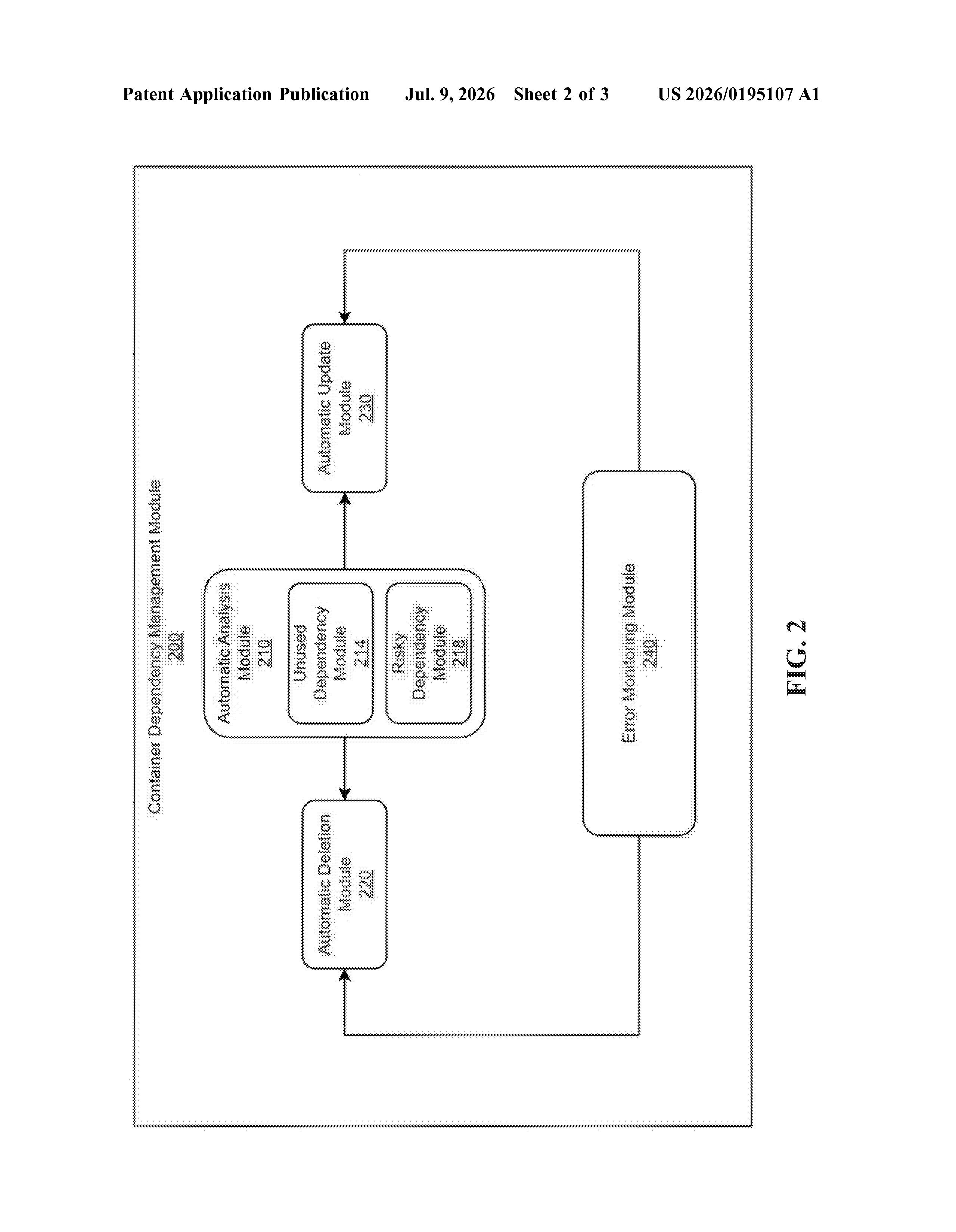
IBM's patent describes a system that watches a piece of software while it's running and compares what code the software is actually calling on versus what it has available. Anything that never gets called gets removed automatically.
The clever part is the safety net. If removing something turns out to break the software, the system detects the error and restores the deleted piece automatically. You get a leaner, tighter piece of software without a human developer having to audit every dependency by hand.
How the runtime comparison and rollback process works
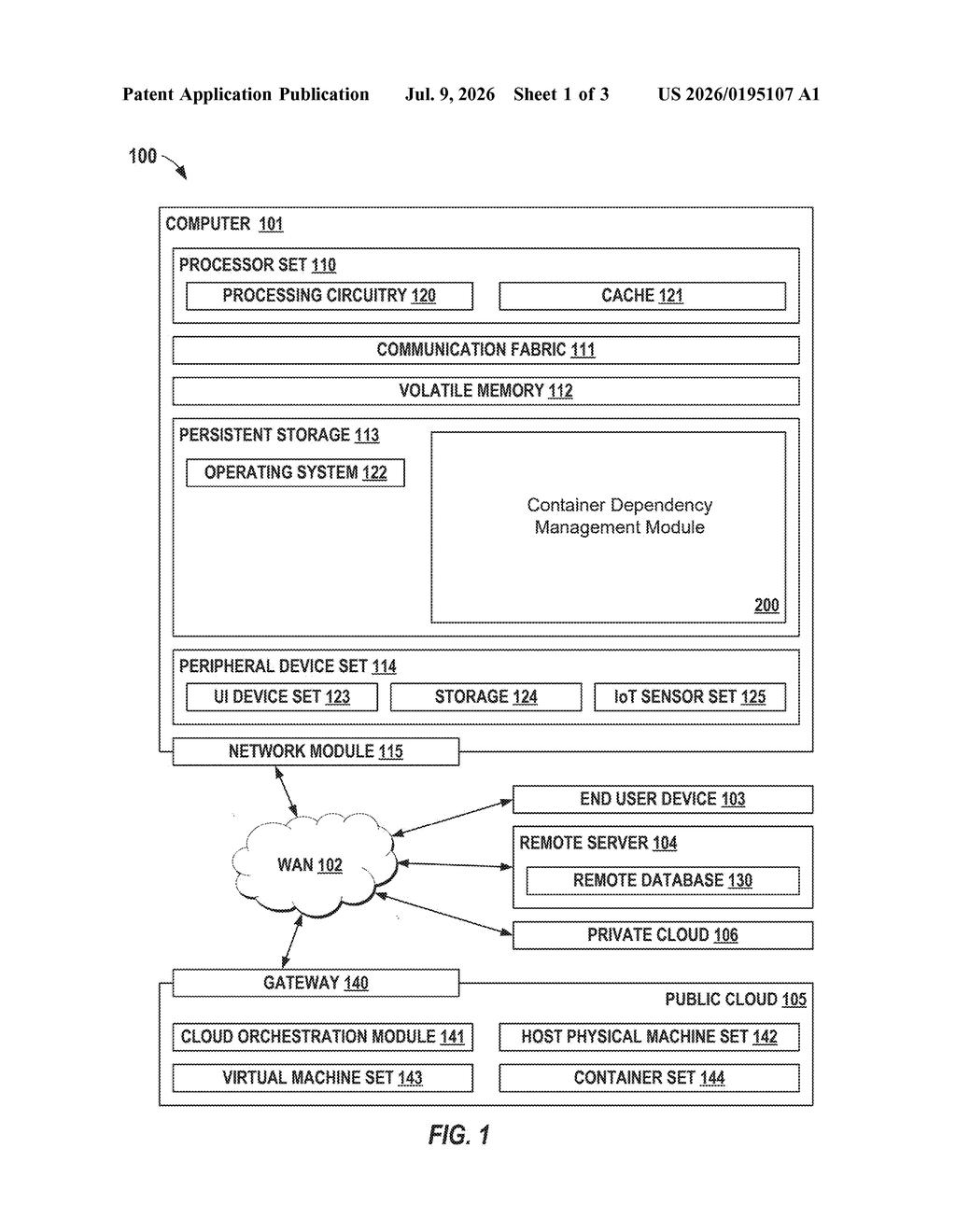
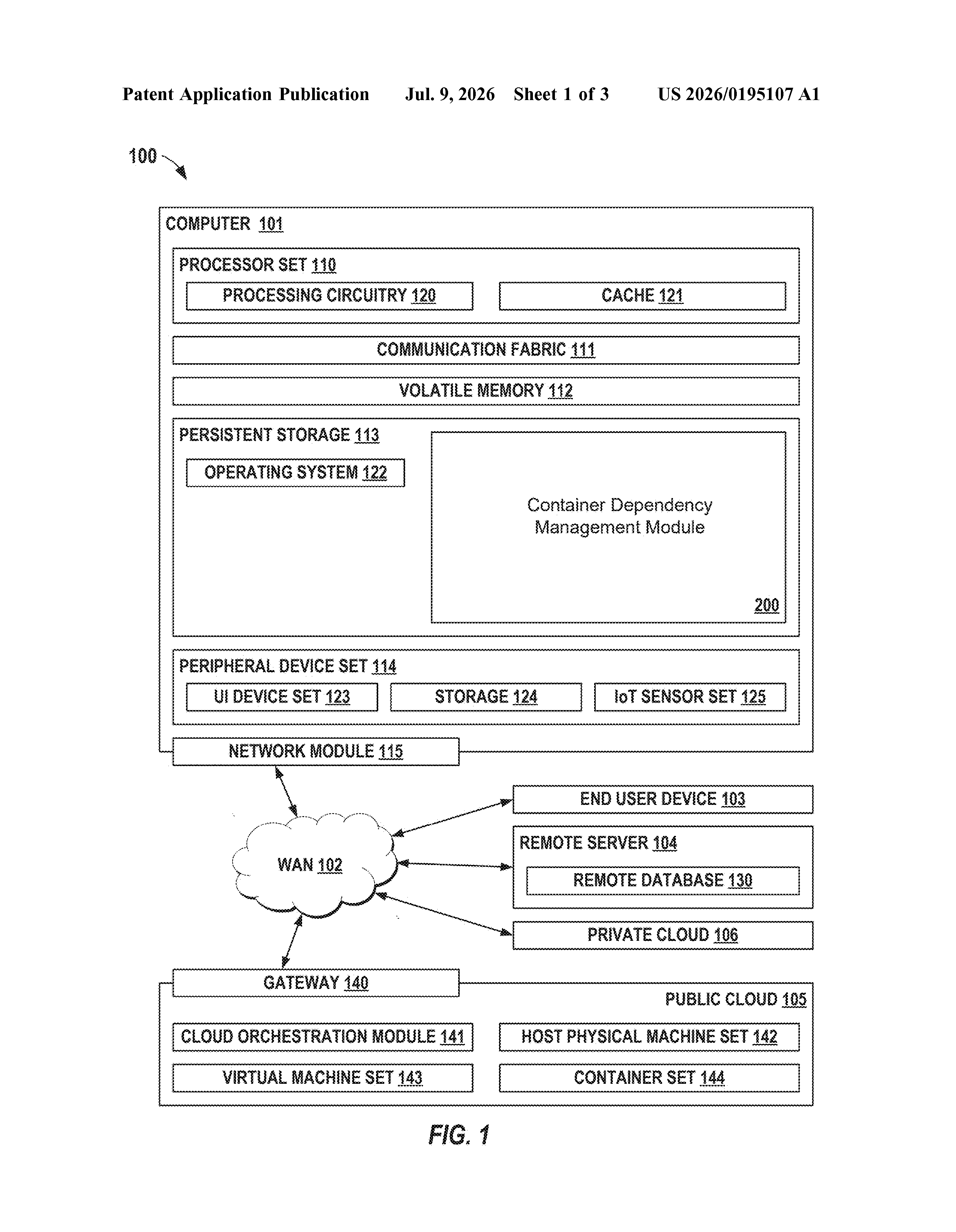
The patent targets a specific part of modern software infrastructure called containers (think of a container as a self-contained box that holds an app and everything it needs to run, isolated from the rest of the computer). Containers are the dominant way cloud software is packaged and deployed today.
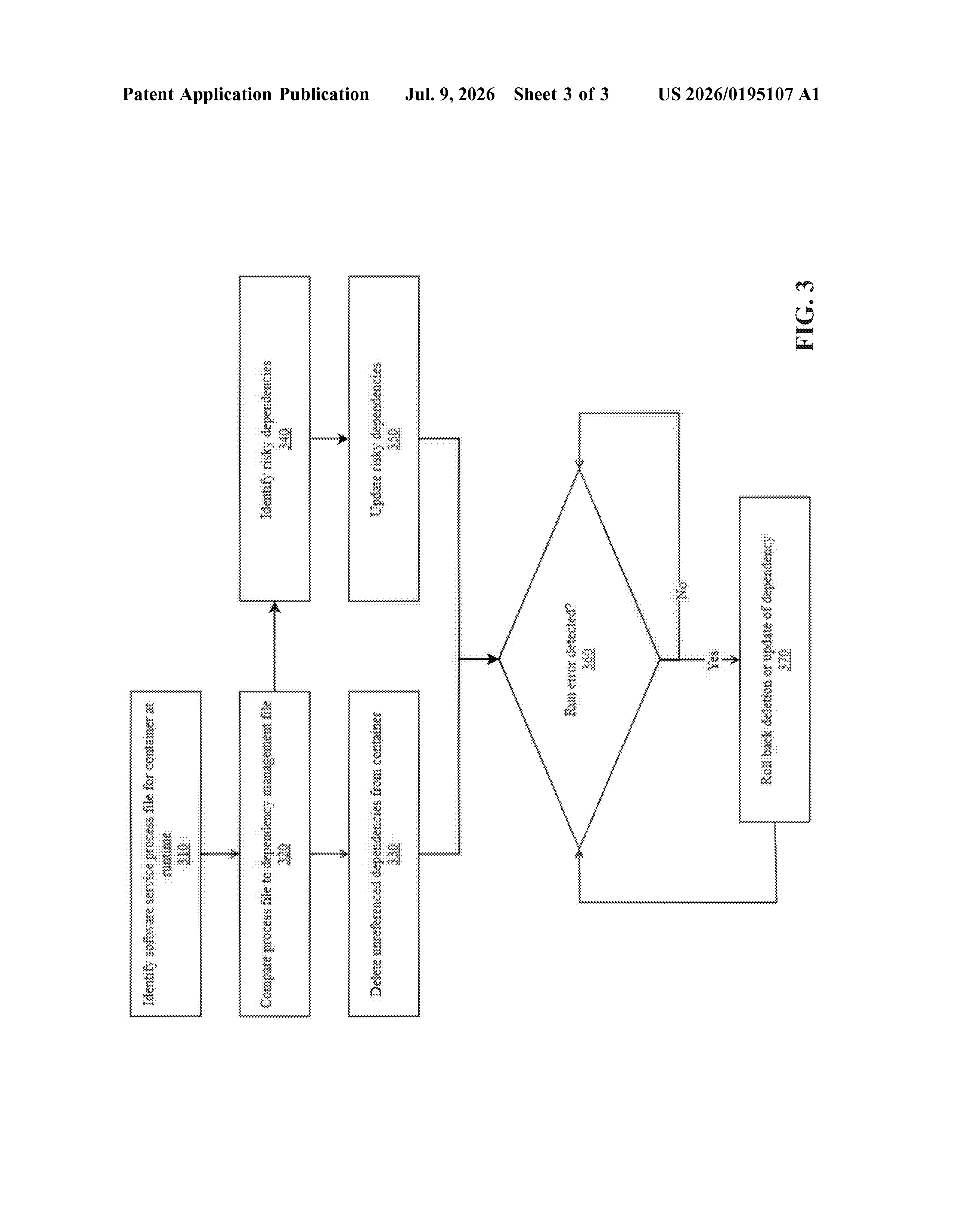
The system works in three steps:
- Identify what's actually running: At runtime, it reads the container's active service process file to see which code libraries are currently being called.
- Compare against the full dependency list: It checks that list against the container's dependency manifest (a file that records every library the container was packaged with) and flags anything that appears in the manifest but not in active use.
- Delete and monitor: Flagged libraries are removed. The system then watches for run errors. If a deleted library turns out to have been needed after all, the deletion is rolled back automatically, restoring the original state.
The key insight is doing this at runtime rather than during development. Static analysis tools that run before deployment often miss dependencies that are only loaded conditionally or in rare situations. Catching those at runtime gives a more accurate picture of what the software truly needs.
What this means for cloud software bloat and security
Unused dependencies aren't just wasted disk space. They're a security surface: attackers regularly exploit known vulnerabilities in libraries that a target application doesn't even use, because those libraries are sitting in the container anyway. Trimming them reduces the number of potential attack vectors without changing how the software behaves.
For large organizations running thousands of containers across cloud infrastructure, this kind of automated cleanup could also reduce storage and image-transfer costs in a measurable way. The rollback mechanism is what makes the idea practical rather than dangerous: without it, automated deletion of live dependencies would be too risky to deploy in production environments.
This is a genuinely practical idea dressed up in dry patent language. The rollback mechanism is the part that makes it viable in real production environments, and that detail suggests IBM's engineers have thought carefully about why similar tools haven't been widely adopted. It's not flashy, but dependency bloat and supply-chain security are real, persistent problems in cloud software, and automating the cleanup with a safety net is a sensible approach.
There are more where this came from
We read every patent application Big Tech publishes and send you the ones worth knowing. Plain English, free, every week.
The drawings
3 drawing sheets from US 2026/0195107 A1 · click any drawing to enlarge
Want this weekly breakdown for a company we don't cover? Patentlyze Pro →
Be the first to weigh in