
Nvidia Patent Covers Humanoid Robot Control via Human Motion Capture Teleoperation
Nvidia is patenting a way to use a human body as a live teaching tool for humanoid robots, combining motion-capture gloves and an AR or VR headset so that every flex of a finger or turn of a wrist translates directly into robot movement.
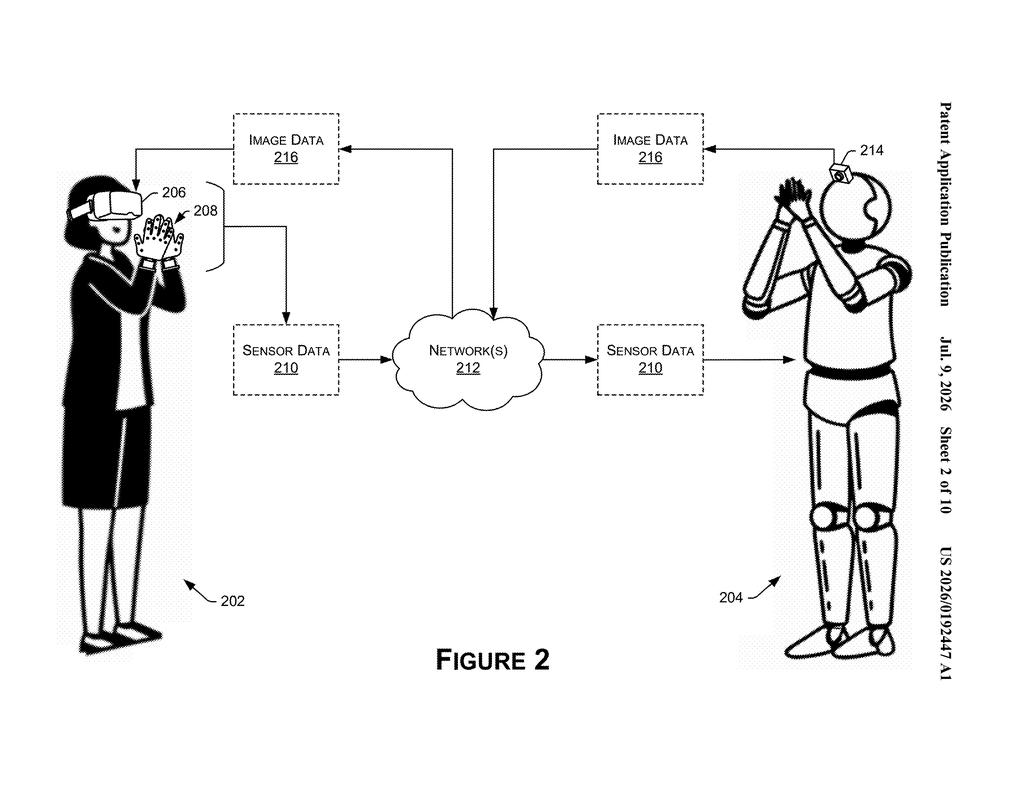
How Nvidia's robot remote-control system actually works
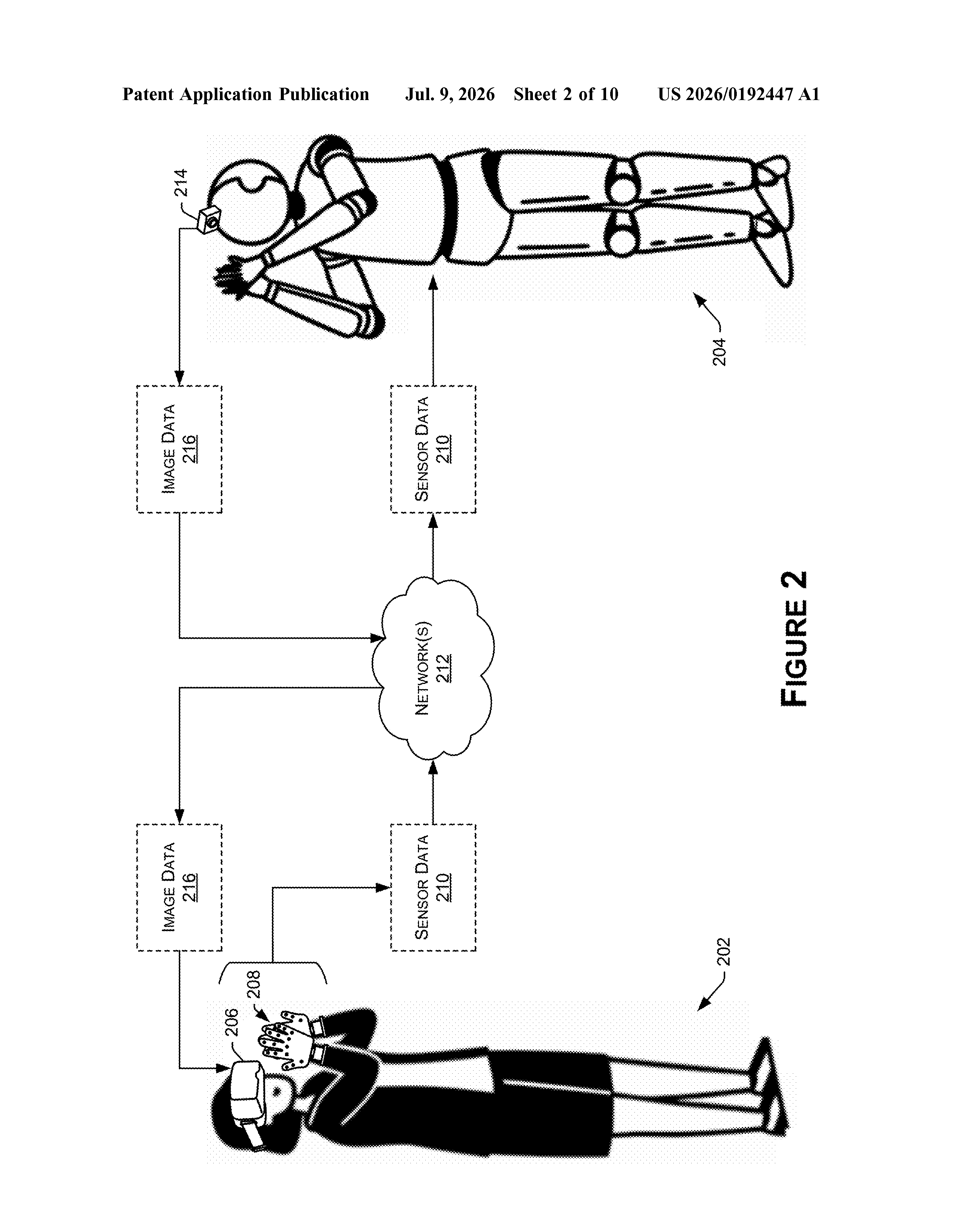
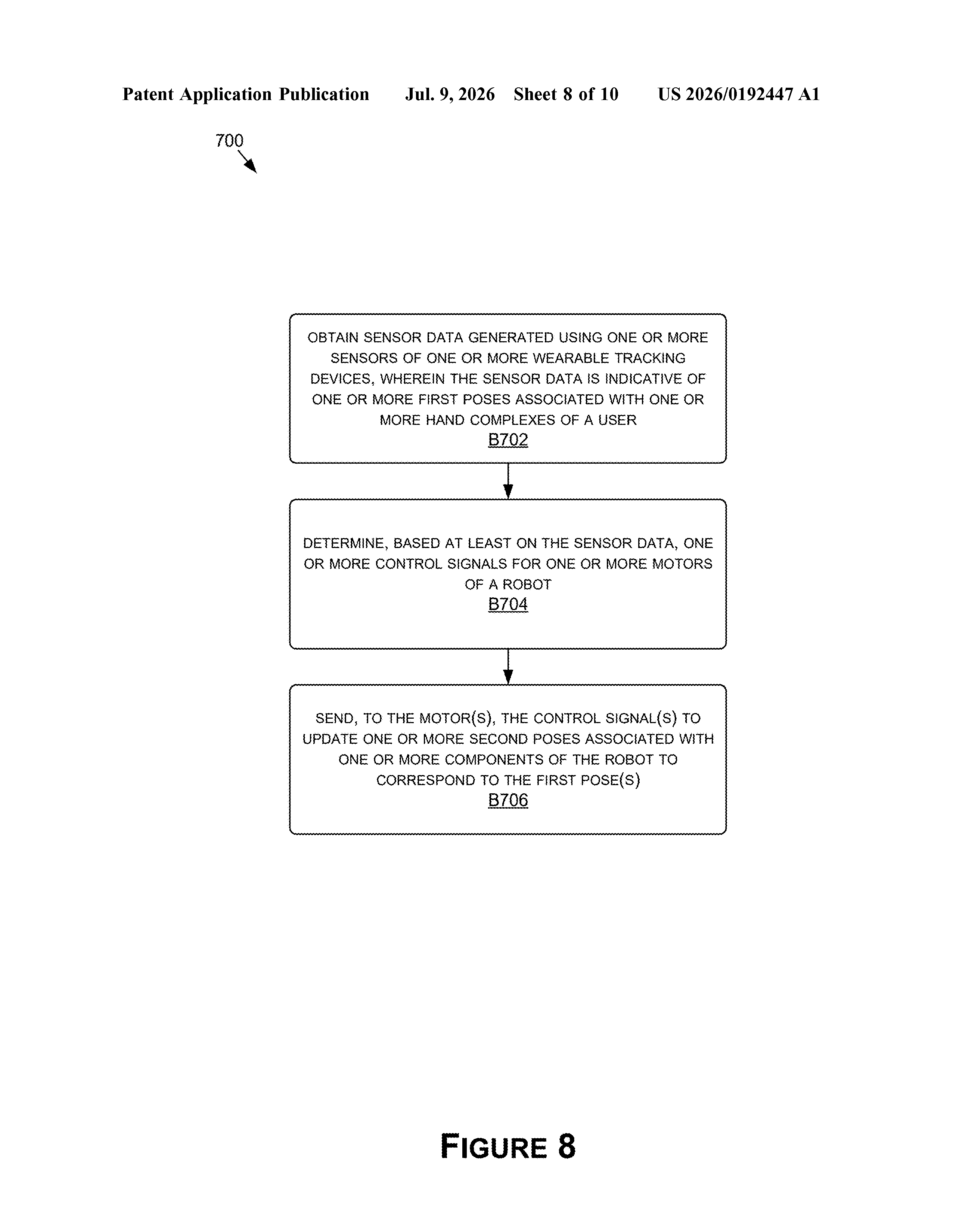
Imagine a puppeteer, but the puppet is a full-size humanoid robot on the other side of a building or the other side of the country. A person puts on a pair of sensor-packed gloves and an AR or VR headset, and the robot copies their every move in real time. That's the core idea in this Nvidia patent.
The gloves handle your hands and fingers, which are too detailed for a headset to track well, while the headset handles your head, torso, and arms. The robot sees what it's doing through its own onboard camera, and that video streams back to you so you can course-correct, just like driving a remote-control car while watching through its camera.
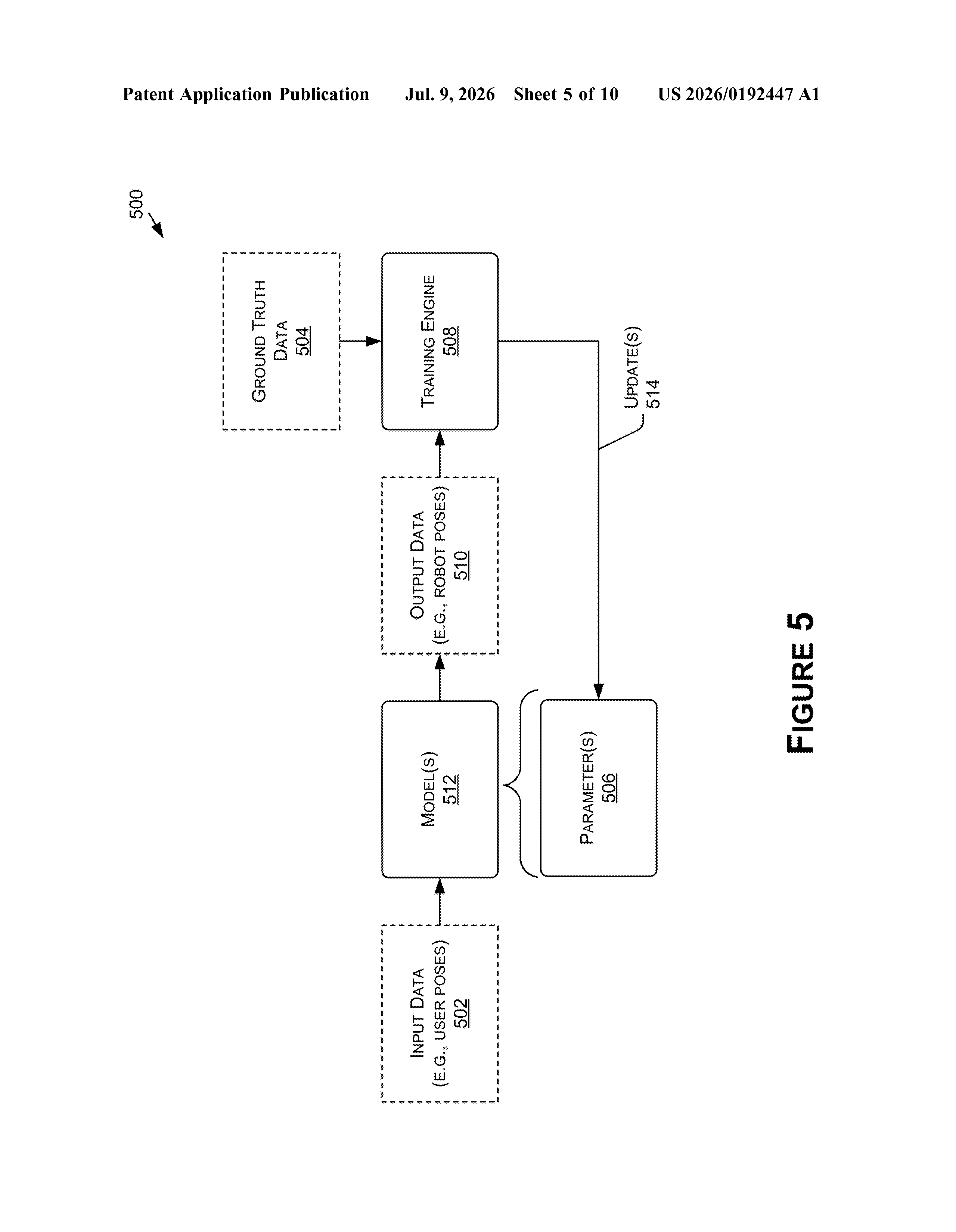
Here's the part that sets this apart from a simple remote-control setup: every session the human operator runs is recorded and fed into an AI training system. The robot isn't just being controlled, it's learning. Once it has absorbed enough of those human demonstrations, the same lessons can be copied across an entire fleet of other robots automatically.
How glove sensors and AR headsets drive each robot joint
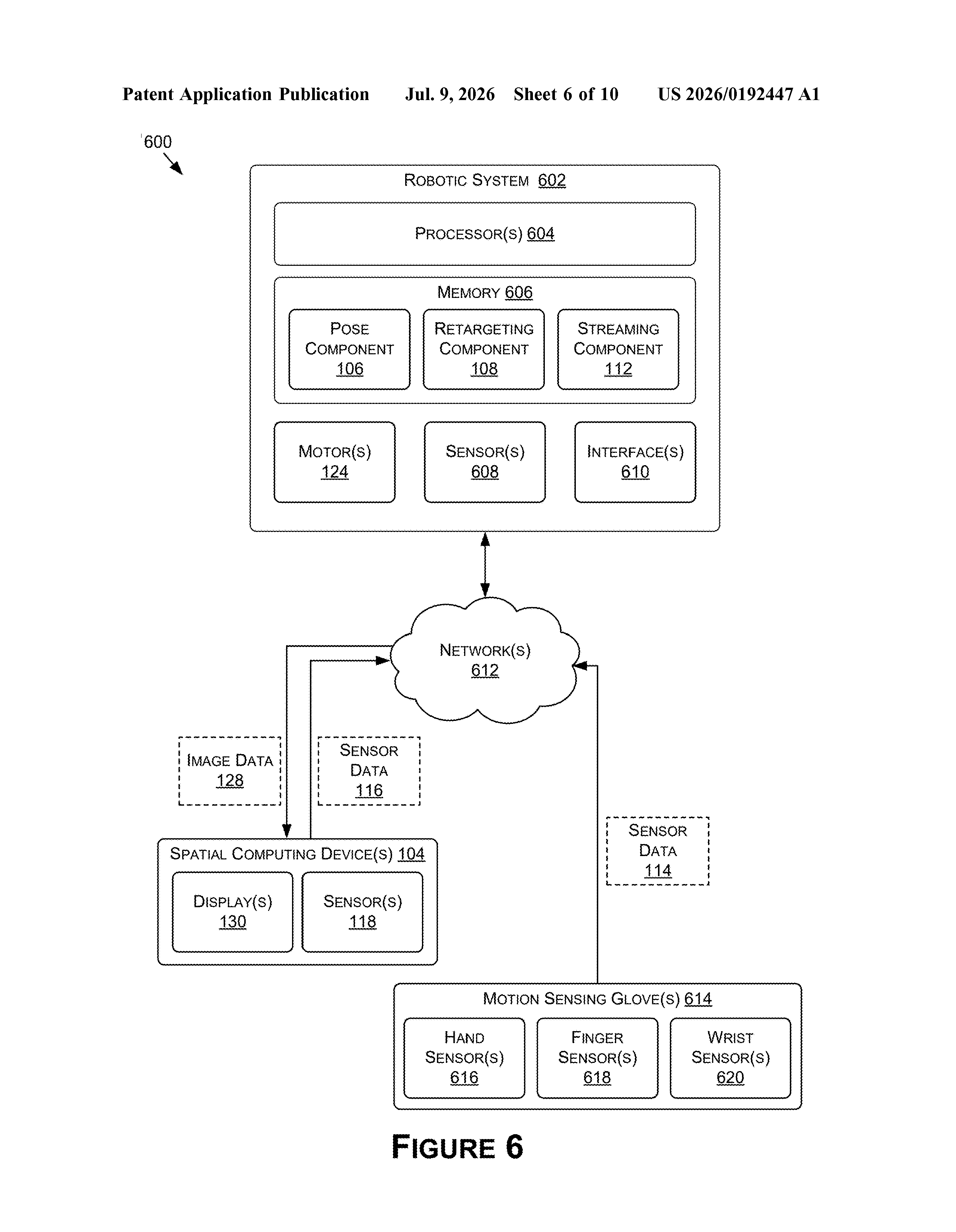
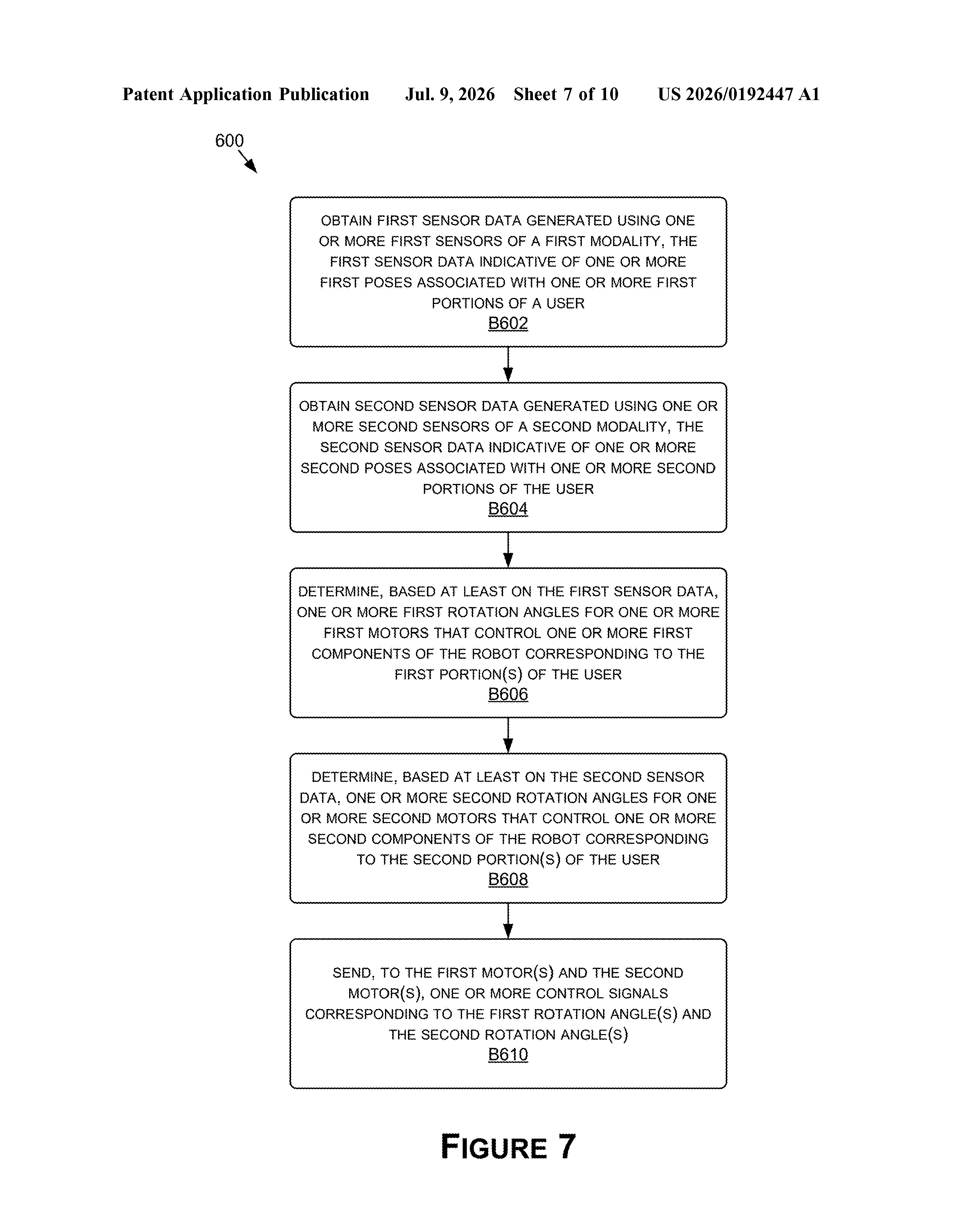
The patent describes a teleoperation system built around two distinct sensor types working in parallel.
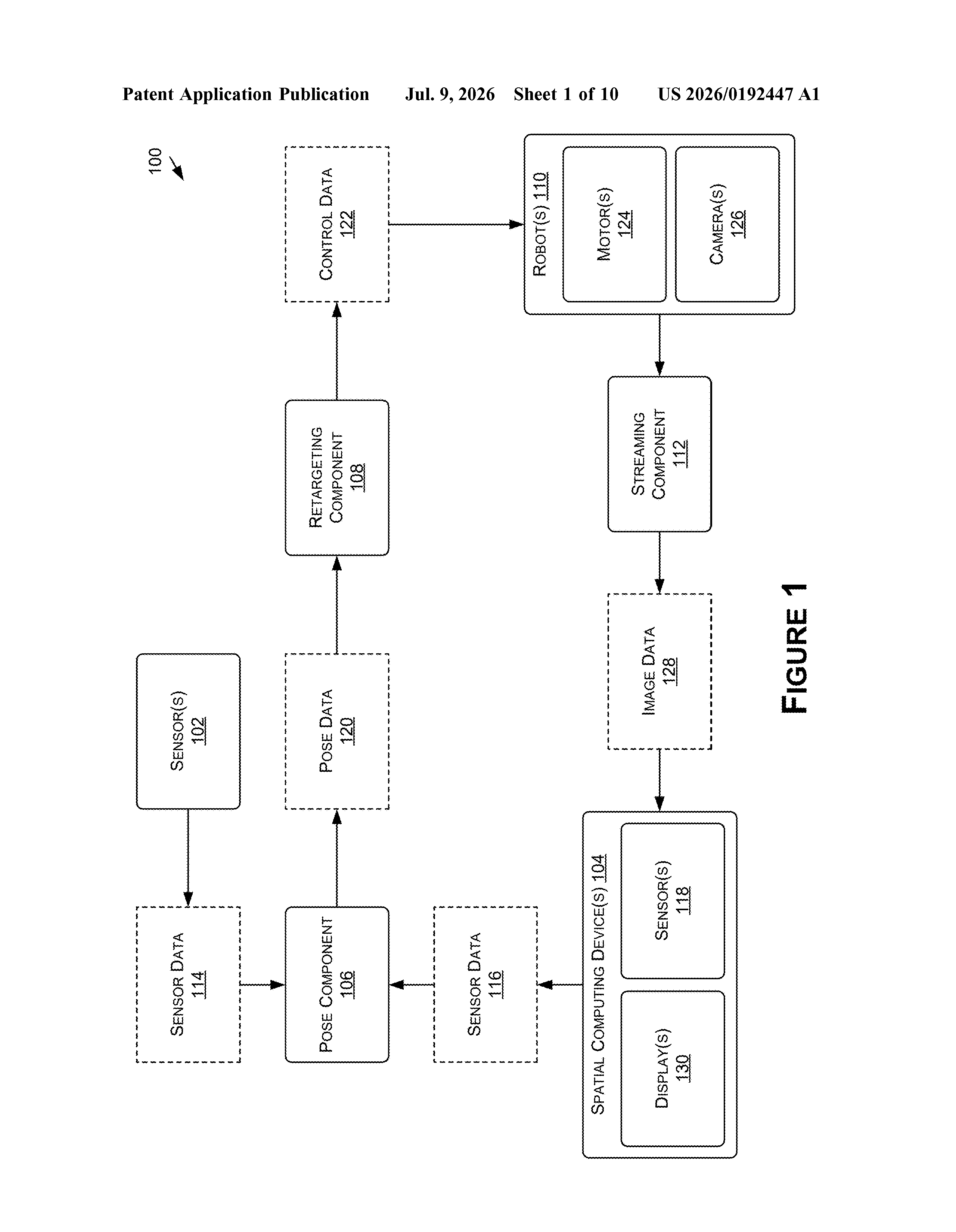
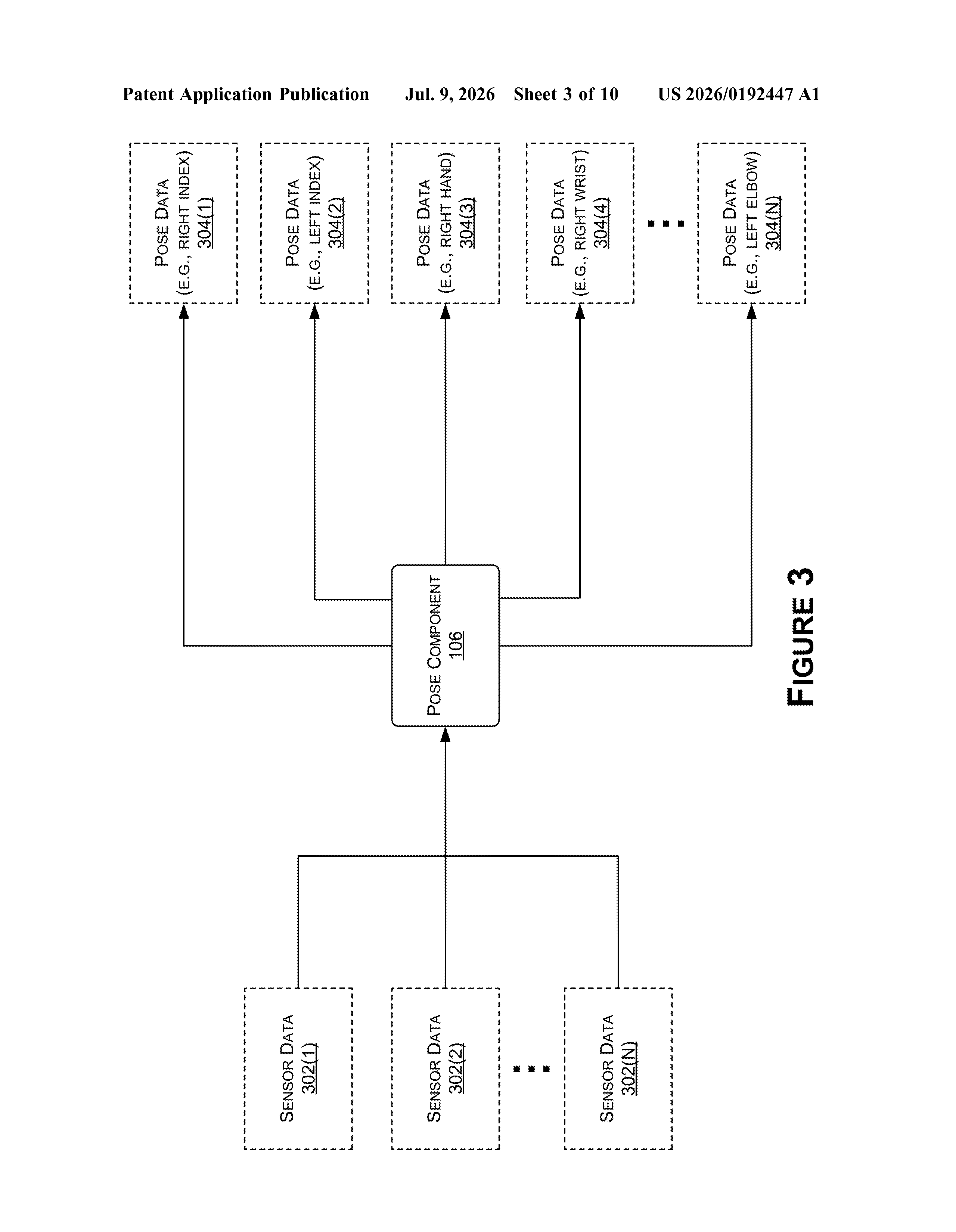
- Motion-capture gloves track the fine-grained positions of each finger joint and the hand's orientation. Hand movements are too intricate for a headset to capture reliably, so they get their own dedicated sensor layer.
- A spatial computing device (an AR, VR, or mixed-reality headset) tracks the rest of the operator's body: head orientation, arm positions, and torso angle. The headset's built-in cameras and inertial sensors handle this continuously.
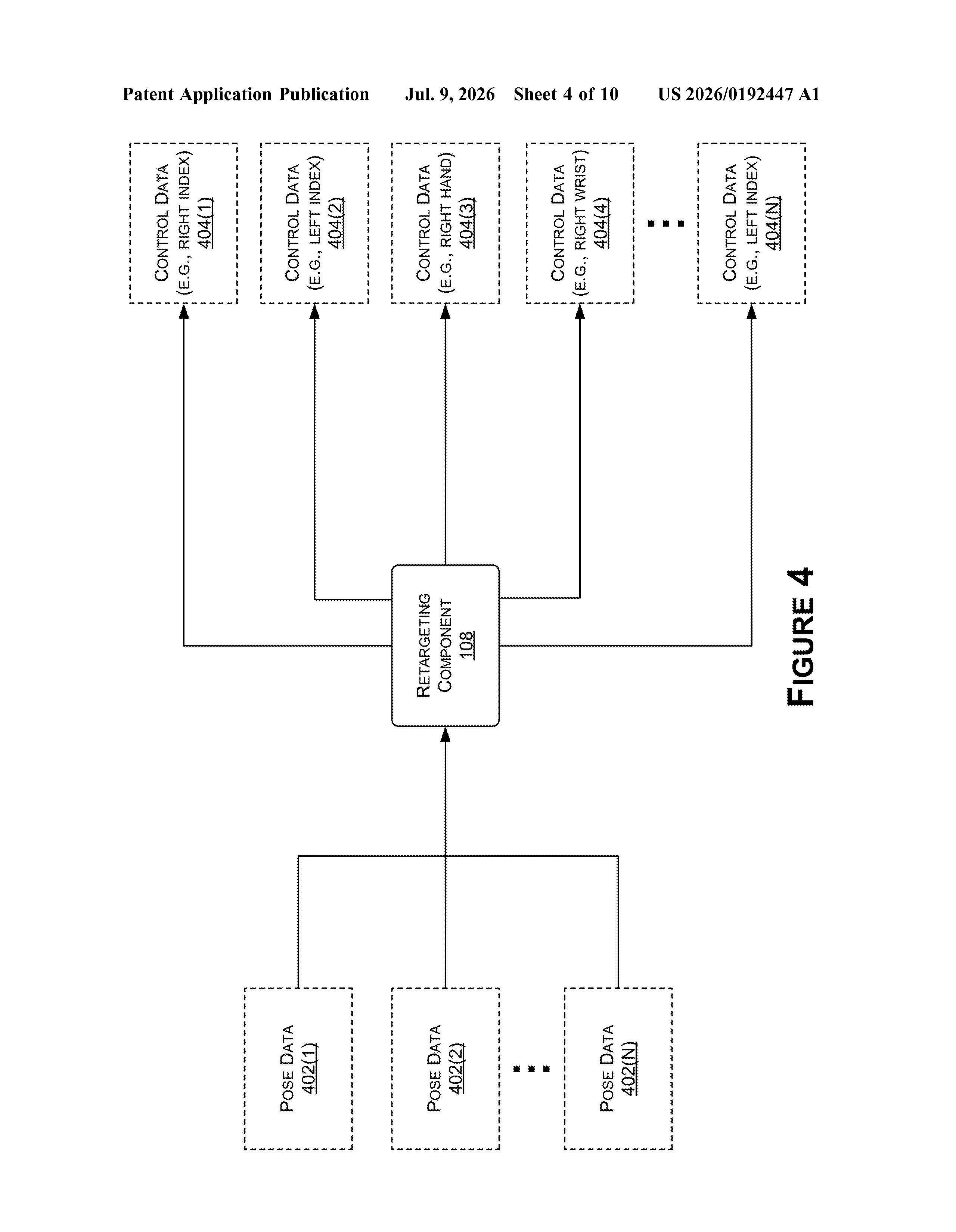
- Both streams are processed simultaneously and mapped to motor commands, specific rotation angles sent to each of the robot's individual joints, so the two halves of the body stay coordinated without one system waiting on the other.
The robot streams a first-person video feed back to the operator, giving real-time visual feedback from the robot's point of view. The operator sees what the robot sees and adjusts accordingly.
Critically, the system doesn't just record movements. It feeds the operator's control signals and the robot's camera data together into an AI policy (a trained decision-making model that tells the robot what to do in a given situation). That policy is then used to train other robots, so one human's demonstration session can propagate learned skills across an entire fleet.
What this means for training armies of humanoid robots
The hard part of teaching robots to do useful physical work has always been data. You need thousands of examples of a task being done correctly before a robot can generalize, and collecting that data from physical robots is slow and expensive. A system like this turns every human operator session into structured training data that can be reused at scale. One person spending an hour packaging items in a warehouse could, in principle, contribute to training hundreds of robots at once.
For Nvidia, this fits directly into its push to become the central platform for physical AI, the branch of AI that deals with robots acting in the real world. The company already sells the simulation tools and the AI chips that robot makers depend on. A teleoperation standard that feeds those tools would make Nvidia's stack even harder to replace.
This is a genuinely important patent, not because teleoperation is new, but because the architecture specifically closes the loop between human demonstration and AI training. The detail about automatically propagating a learned policy to 'one or more second robots' is the real payload here. Nvidia is staking out infrastructure-level territory in physical AI, and this filing is a concrete piece of that strategy.
Get our take in your Top Stories
Liked this breakdown? Add Patentlyze as a preferred source on Google, and our plain-English take shows up more often in your Top Stories the next time Nvidia patent news breaks.
There are more where this came from
We read every patent application Big Tech publishes and send you the ones worth knowing. Plain English, free, every week.
The drawings
10 drawing sheets from US 2026/0192447 A1 · click any drawing to enlarge
Want this weekly breakdown for a company we don't cover? Patentlyze Pro →