
Qualcomm Patents a Memory Chip That Picks Its Own AI Math Precision
What if your phone's memory could run AI calculations directly inside itself, and automatically dial up or down the math precision to match the task? That's exactly what Qualcomm is describing in this filing.
What Qualcomm's in-memory AI precision switching actually does
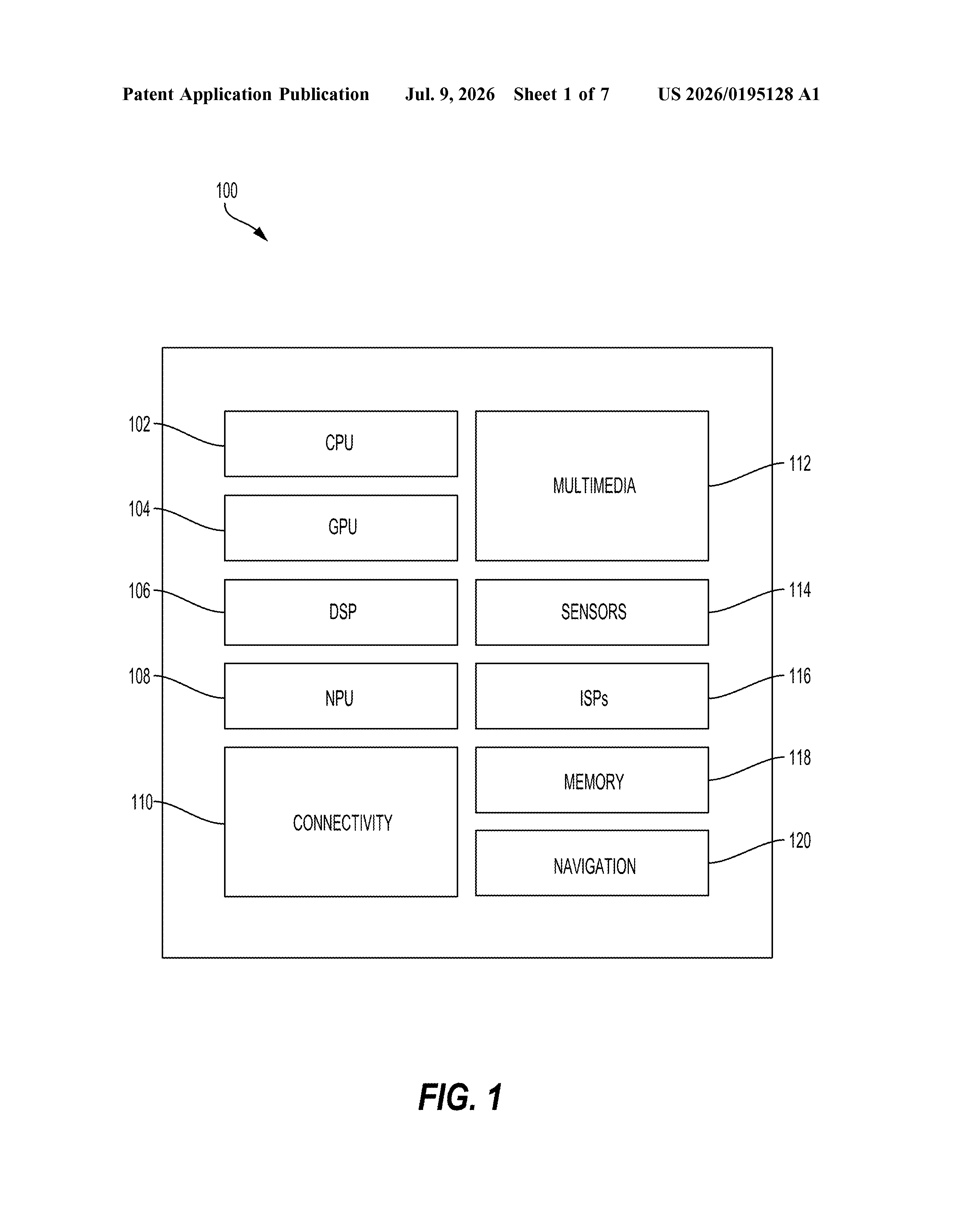
When your phone runs an AI feature, like real-time photo enhancement or voice recognition, it normally ships data back and forth between the memory and the processor chip. That back-and-forth burns time and battery.
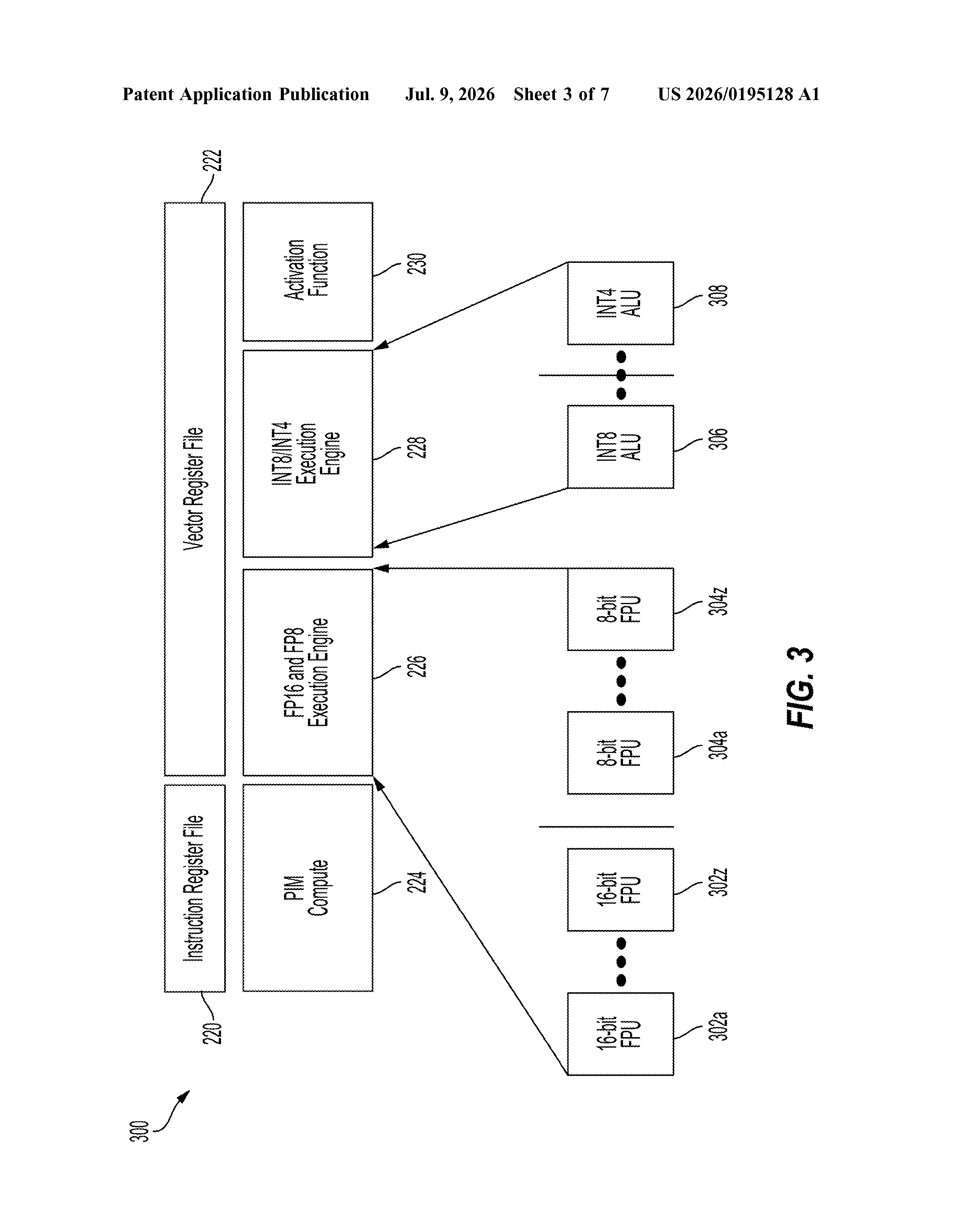
Qualcomm's patent describes a memory module that skips that trip entirely by doing the AI math right inside the memory itself. The clever part is that this memory module contains several different "engines," each built to do math at a different level of detail. A simple task can use a rough, fast engine; a more demanding one can use a precise, slower engine. A built-in controller reads each incoming AI instruction, sees what precision it needs, and hands it off to the right engine automatically.
Think of it like a restaurant kitchen where the chef routes each order to whichever station, grill, fryer, or oven, is best suited for that dish. You get the right result faster, without the head chef doing every step themselves.
How the compute controller routes operations by precision
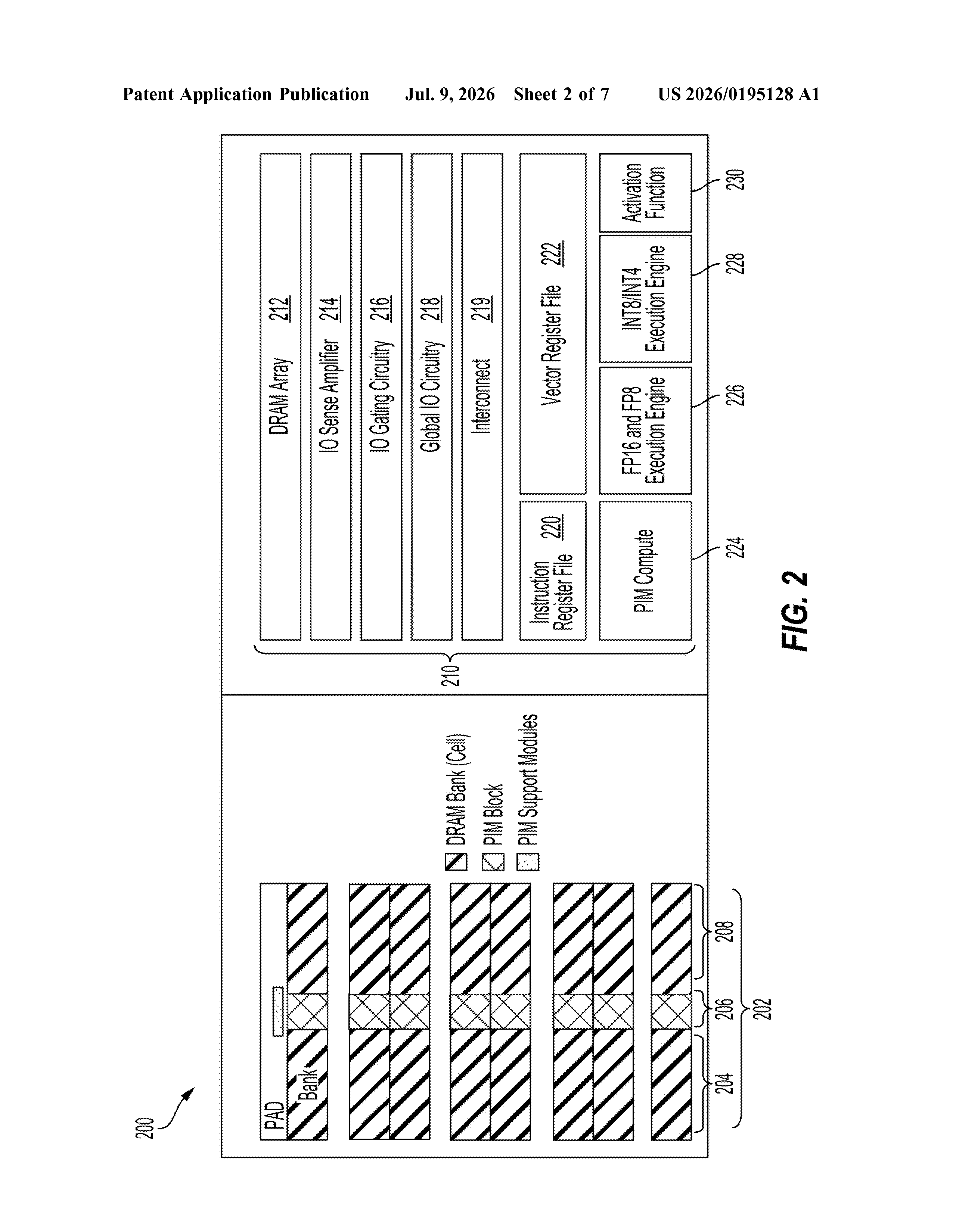
The patent describes a processing-in-memory (PIM) architecture, meaning computation happens inside the memory chip rather than requiring data to travel to a separate CPU or GPU. Moving data between chips is one of the biggest bottlenecks in AI workloads, so doing the work locally cuts both latency (wait time) and power consumption.
The key innovation is mixed precision: the memory module contains multiple distinct execution engines, each hardwired to do math at a specific numeric precision. In AI, "precision" refers to how many bits are used to represent a number. Higher precision (like 32-bit floating point) is more accurate but slower and more power-hungry; lower precision (like 8-bit integers) is faster and cheaper but slightly less accurate.
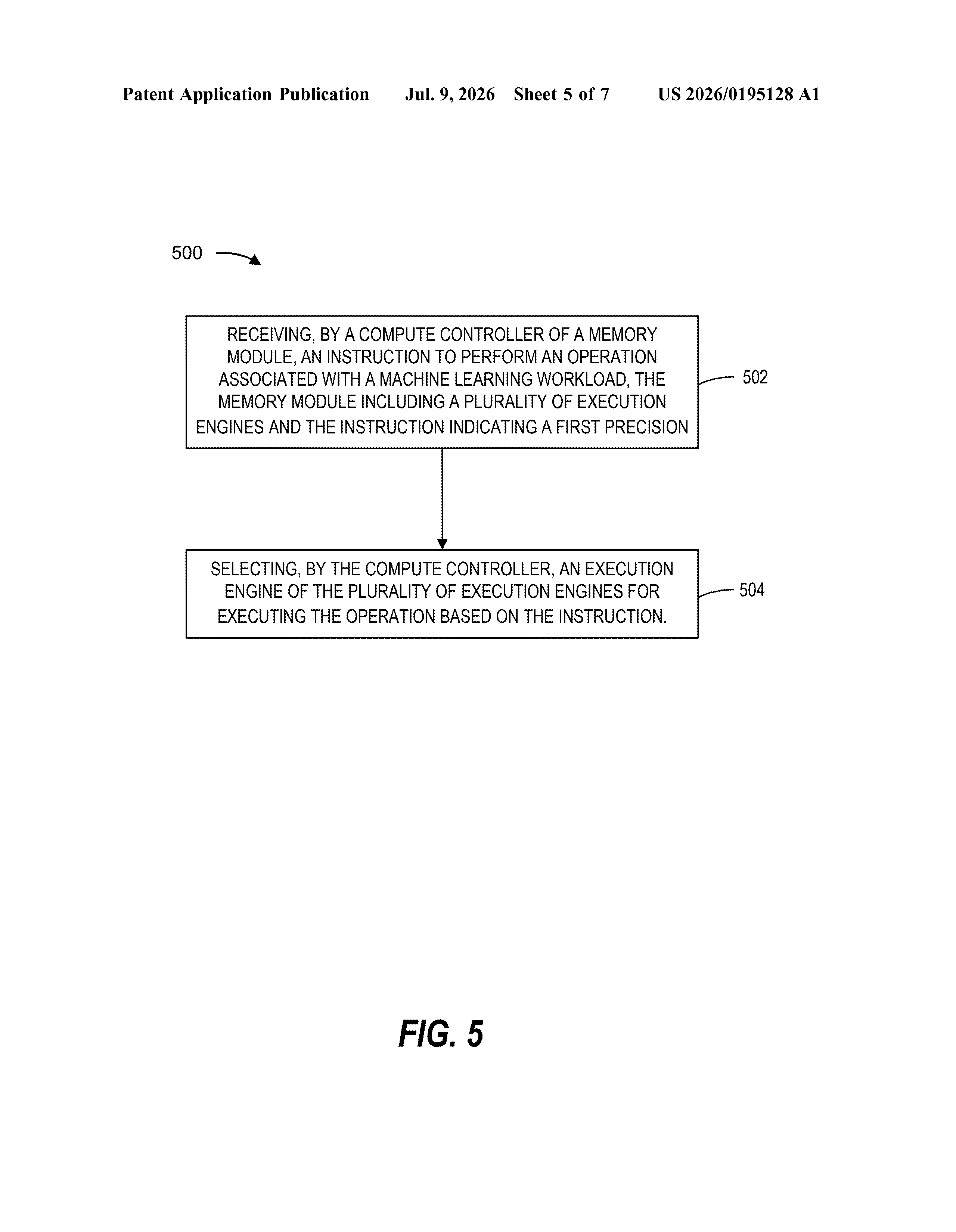
A compute controller sits at the center of the module and acts as a traffic director:
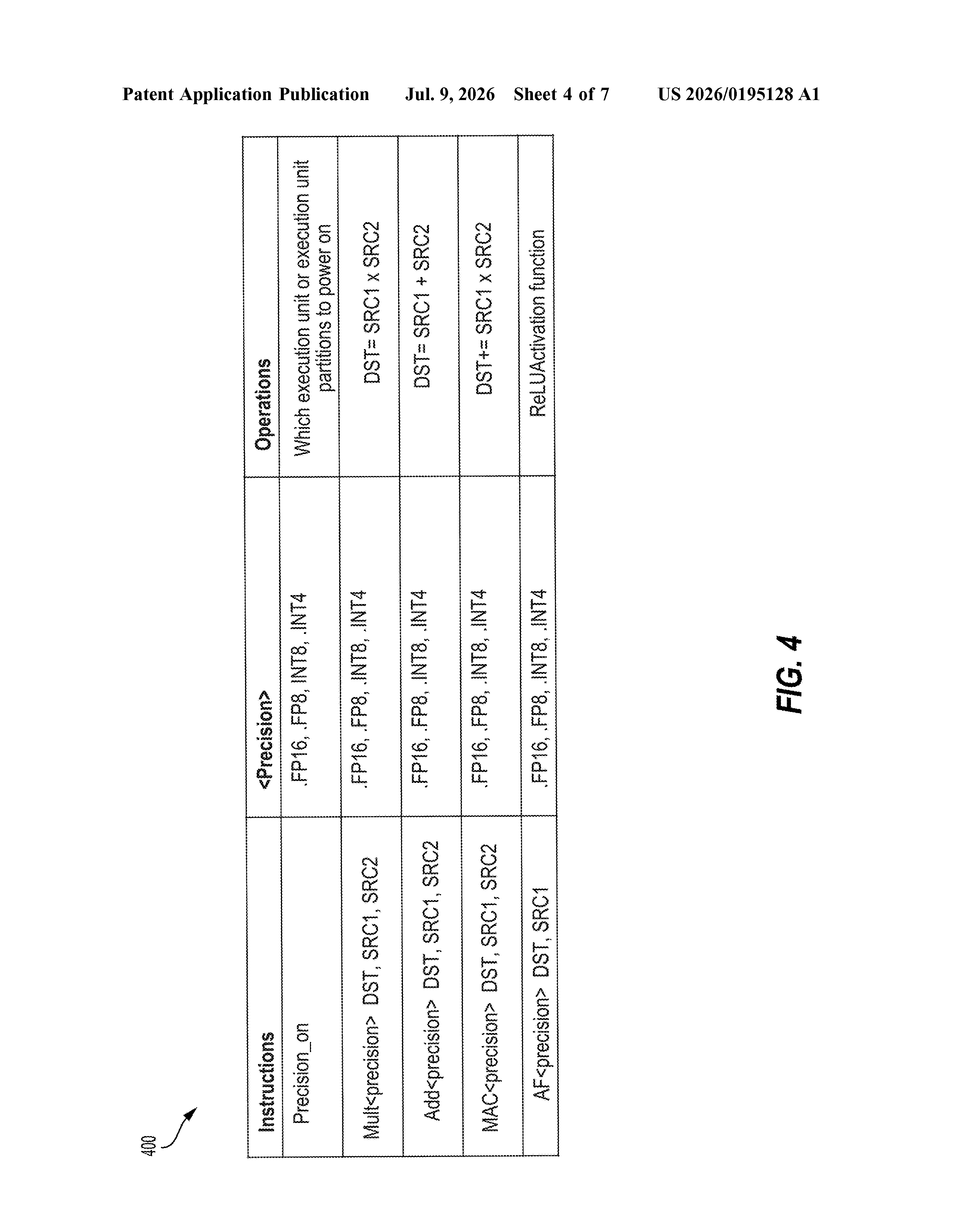
- It receives each instruction tied to an AI workload.
- It reads the precision level specified in that instruction.
- It routes the operation to whichever execution engine matches that precision.
The result is a single memory chip that can serve multiple AI tasks, each running at the precision that balances speed and accuracy for that specific job, without software needing to manually manage which hardware runs what.
What this means for on-device AI speed and power draw
For on-device AI, the two biggest constraints are speed and battery life. Moving data between memory and a dedicated AI chip eats into both. By doing the math inside the memory and matching the engine to the task's needs, Qualcomm's approach could let devices run more AI features, faster, without draining the battery as quickly. That has obvious implications for smartphones, AR headsets, and other power-constrained gadgets that rely on Qualcomm chips.
This also fits Qualcomm's broader push to make its Snapdragon platform the go-to silicon for edge AI. If memory can handle variable-precision AI tasks internally, chip designers get more flexibility in how they split workloads across a device, which could open the door to more capable AI features in thinner, cheaper hardware.
This is a solid, specific patent covering a genuine problem in mobile AI design: the cost of shuttling data between memory and compute. It's not flashy, but the mixed-precision routing idea inside a single memory module is a real engineering challenge worth solving. If Qualcomm can deliver this in silicon, it would meaningfully improve the economics of on-device AI.
Get our take in your Top Stories
Liked this breakdown? Add Patentlyze as a preferred source on Google, and our plain-English take shows up more often in your Top Stories the next time Qualcomm patent news breaks.
There are more where this came from
We read every patent application Big Tech publishes and send you the ones worth knowing. Plain English, free, every week.
The drawings
7 drawing sheets from US 2026/0195128 A1 · click any drawing to enlarge
Want this weekly breakdown for a company we don't cover? Patentlyze Pro →