
Samsung Files Patent for a Cell-Tower Timing Fix That Sharpens Indoor Phone Location
When GPS fails you indoors, your phone falls back on cell towers to guess where you are. Samsung's new patent targets a specific weak point in that fallback process: the timing drift between signals from different towers.
How Samsung's tower-timing tweak improves where your phone thinks it is
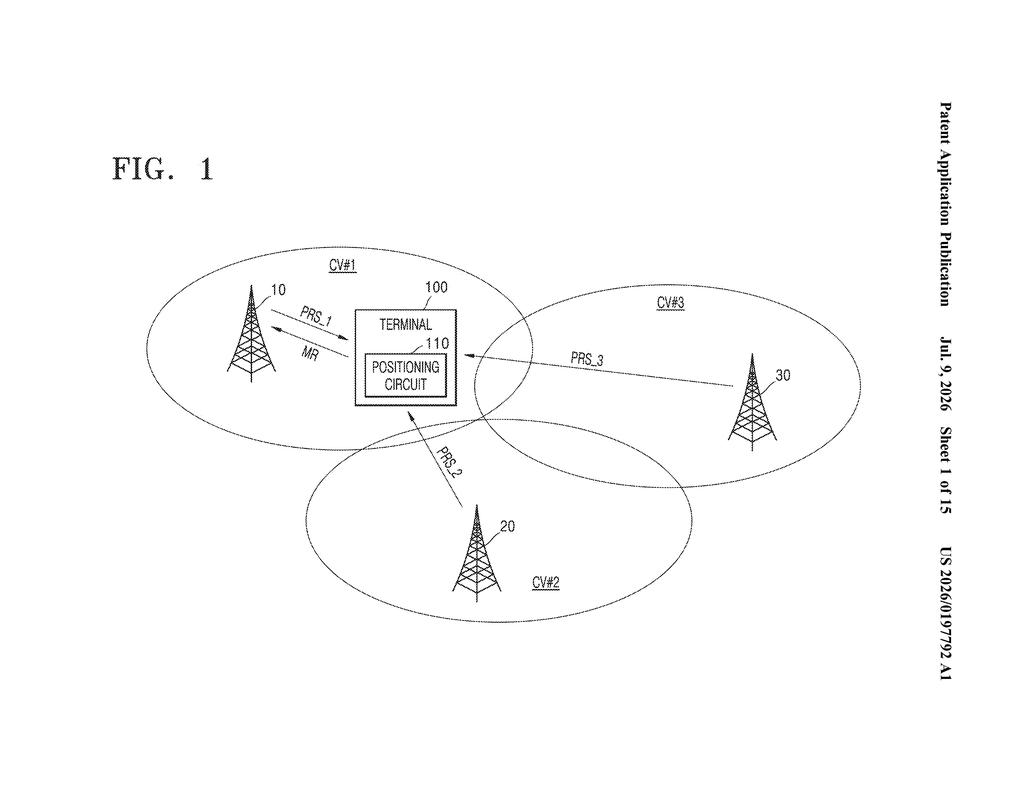
Imagine you're in a shopping mall basement where GPS can't reach you. Your phone still needs to know where you are, so it listens to timing signals broadcast by nearby cell towers. By comparing when those signals arrive, it can calculate your position. The problem is that different towers aren't always perfectly synchronized, and your phone's listening window for each tower may not line up correctly, which throws off the math.
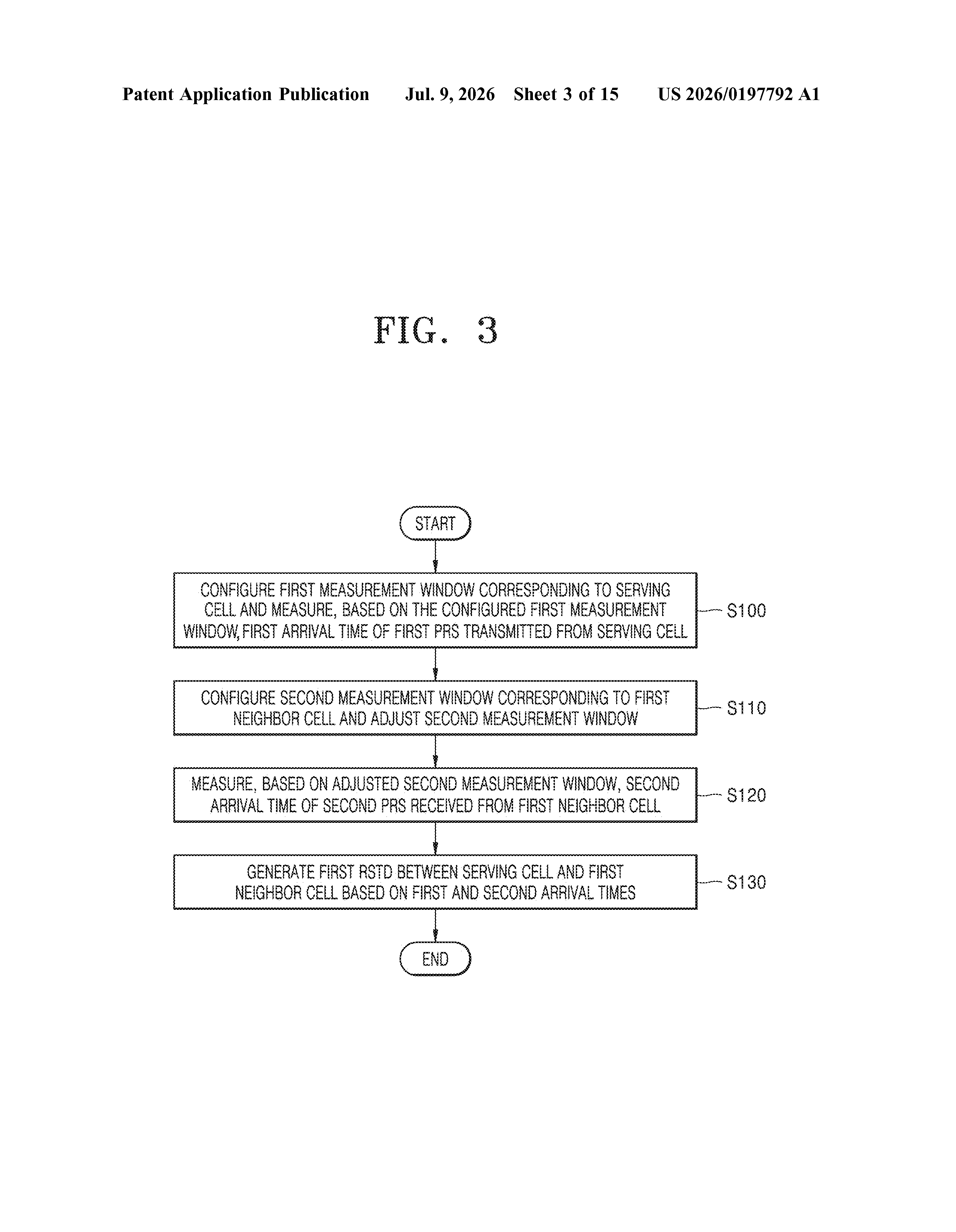
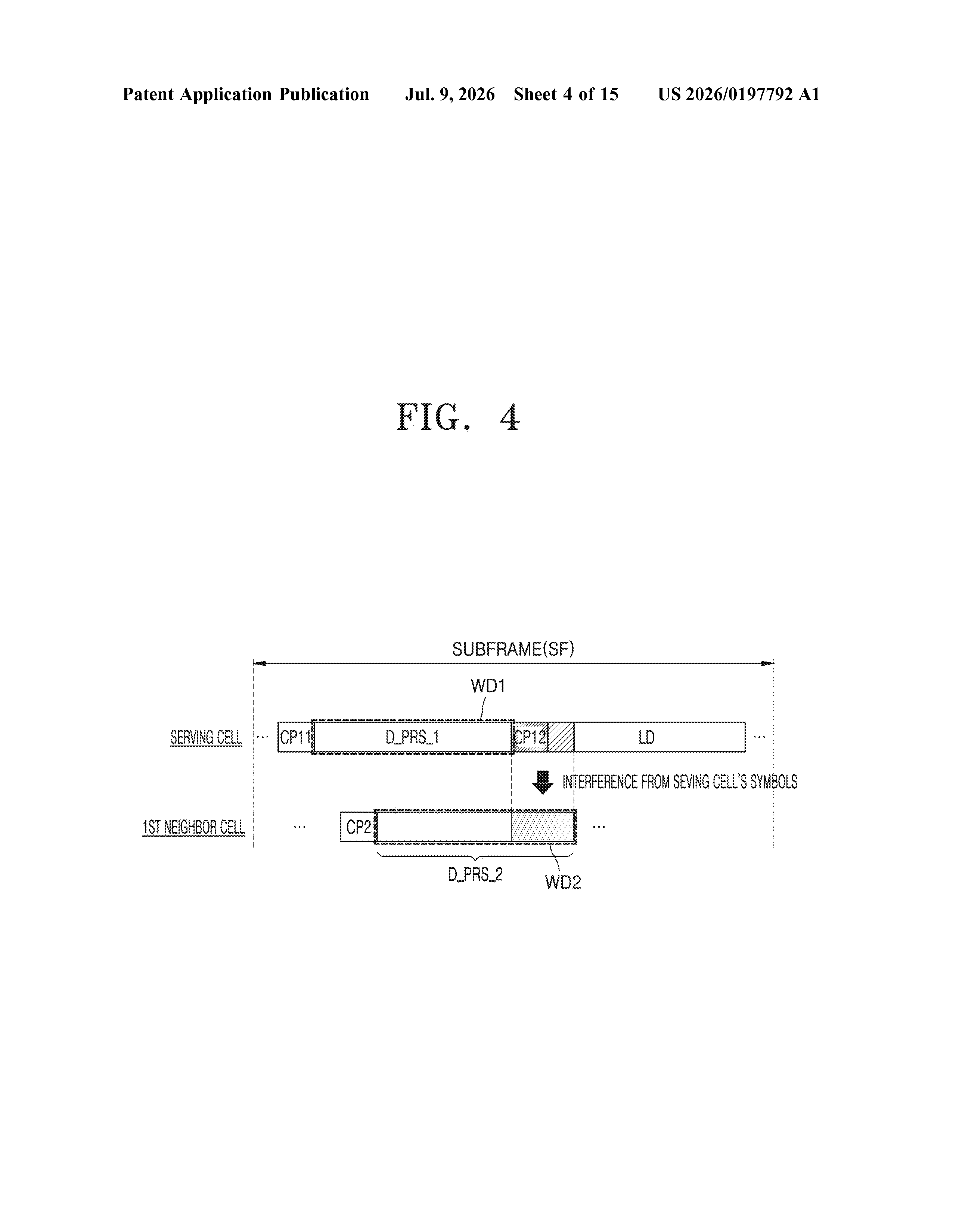
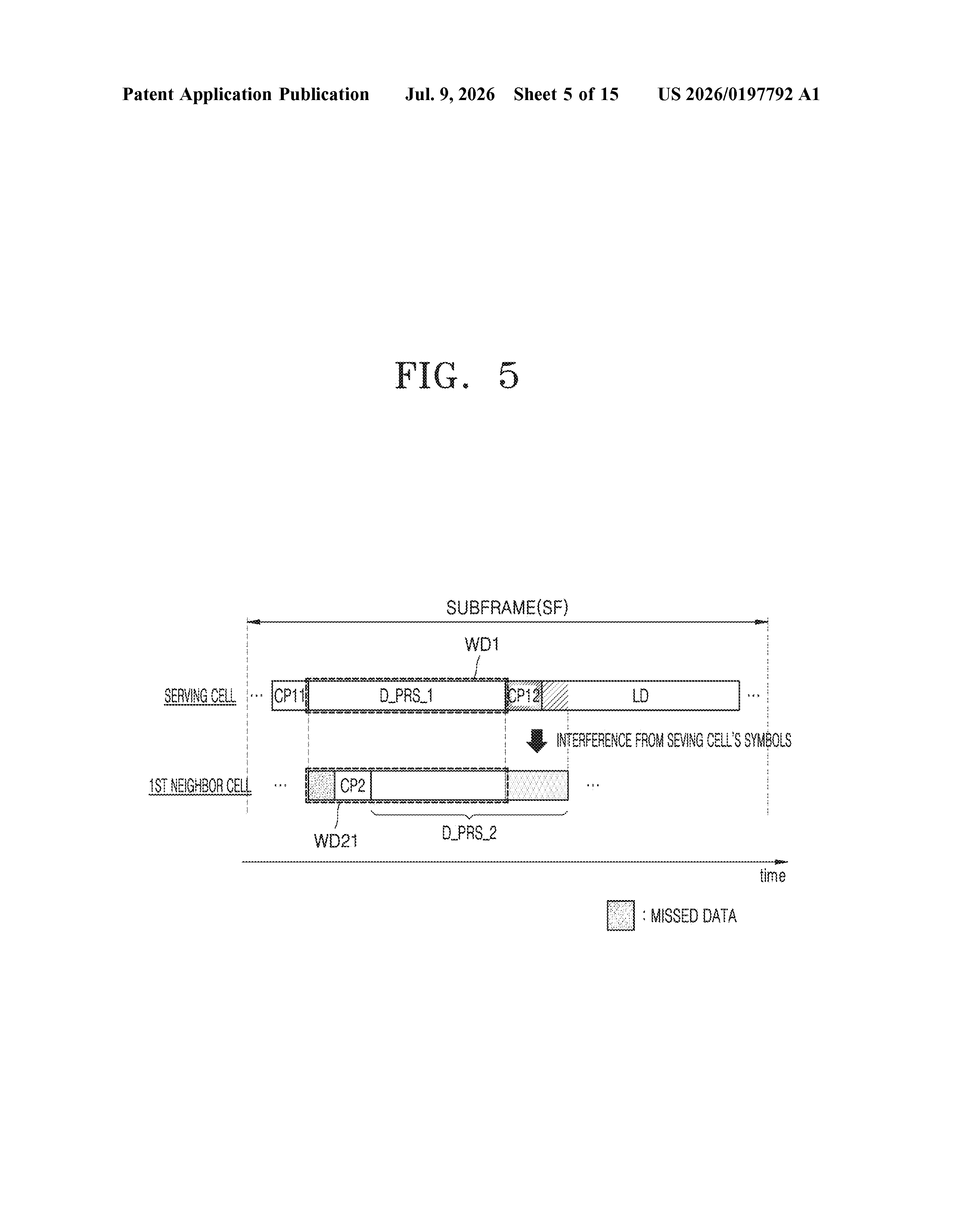
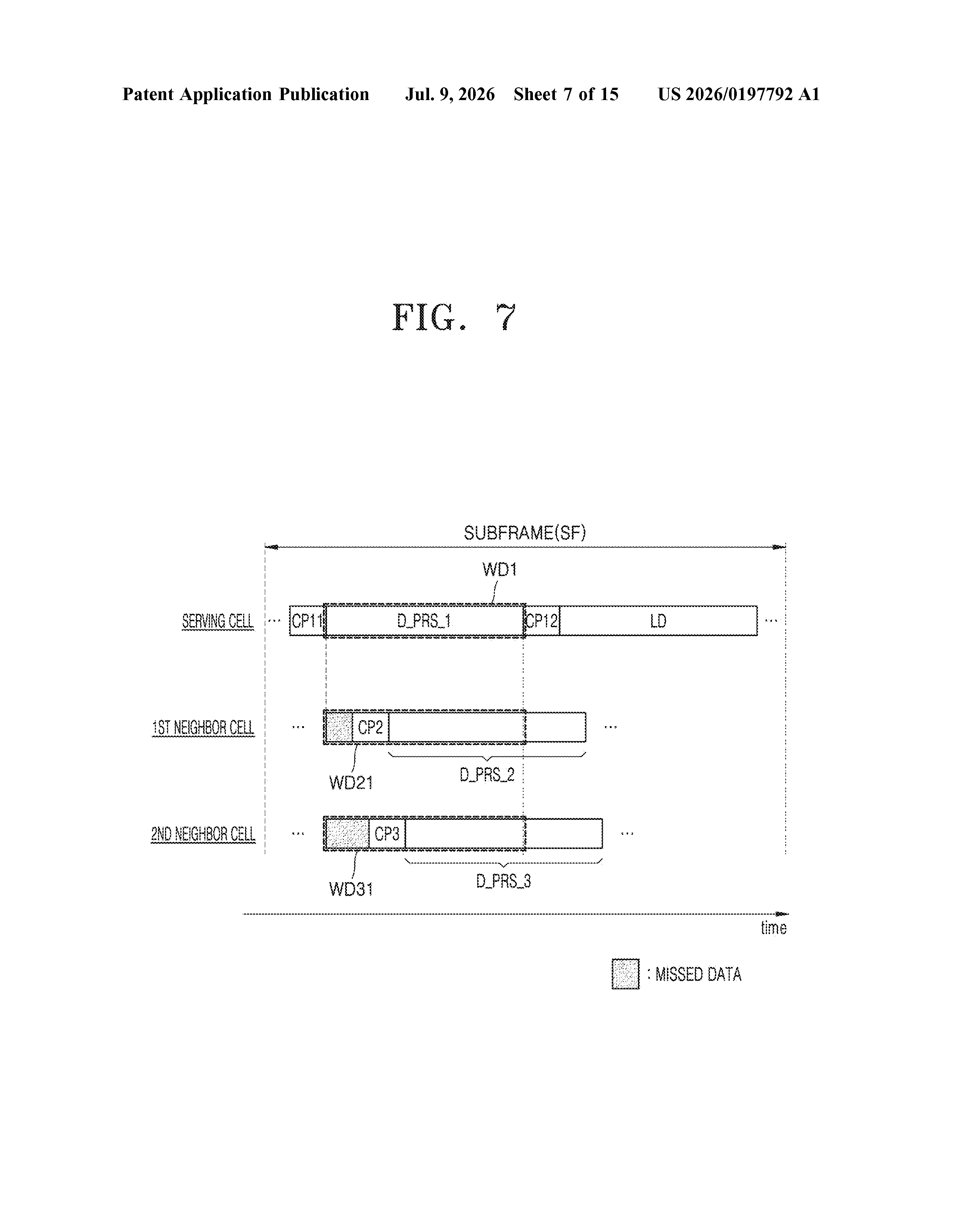
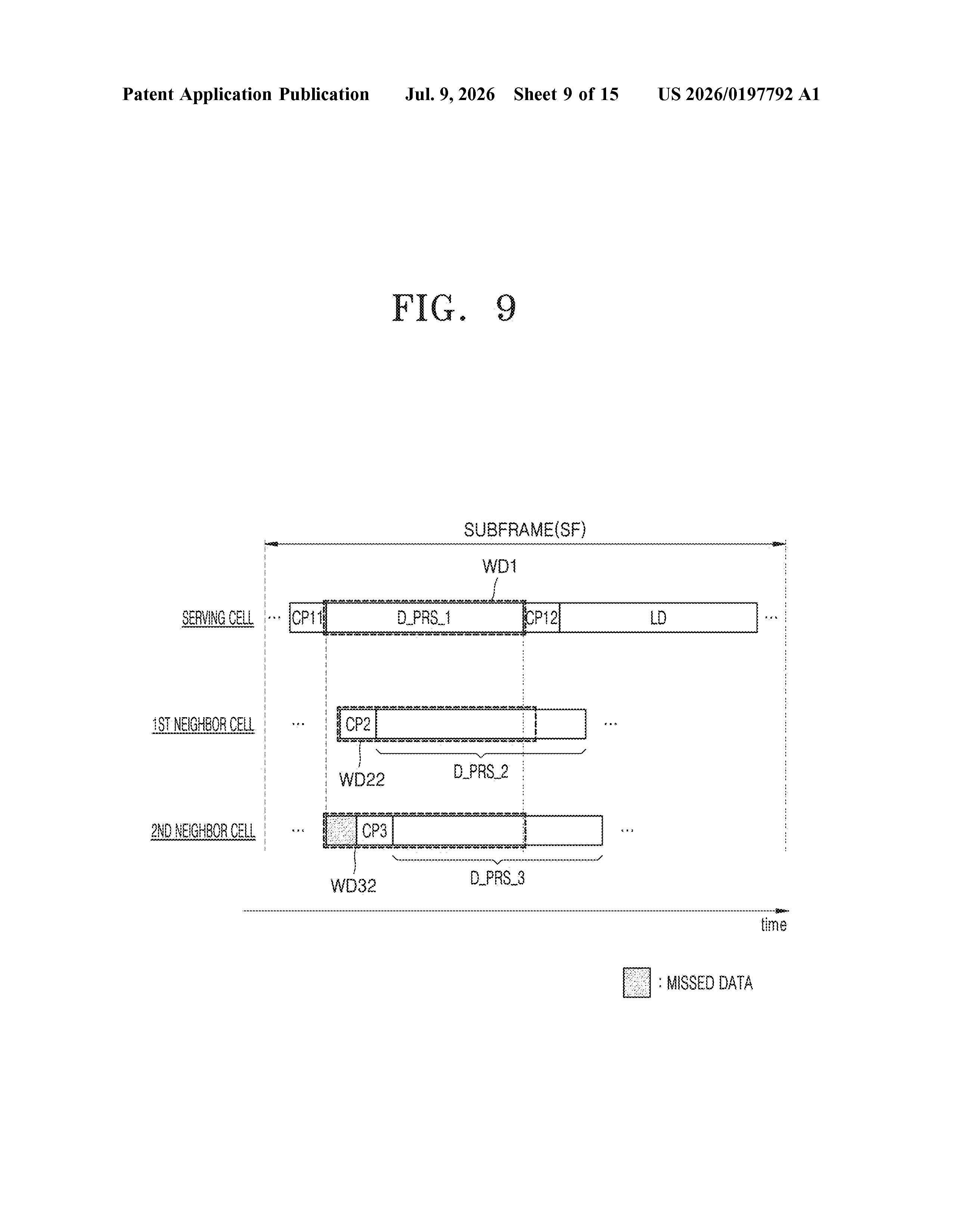
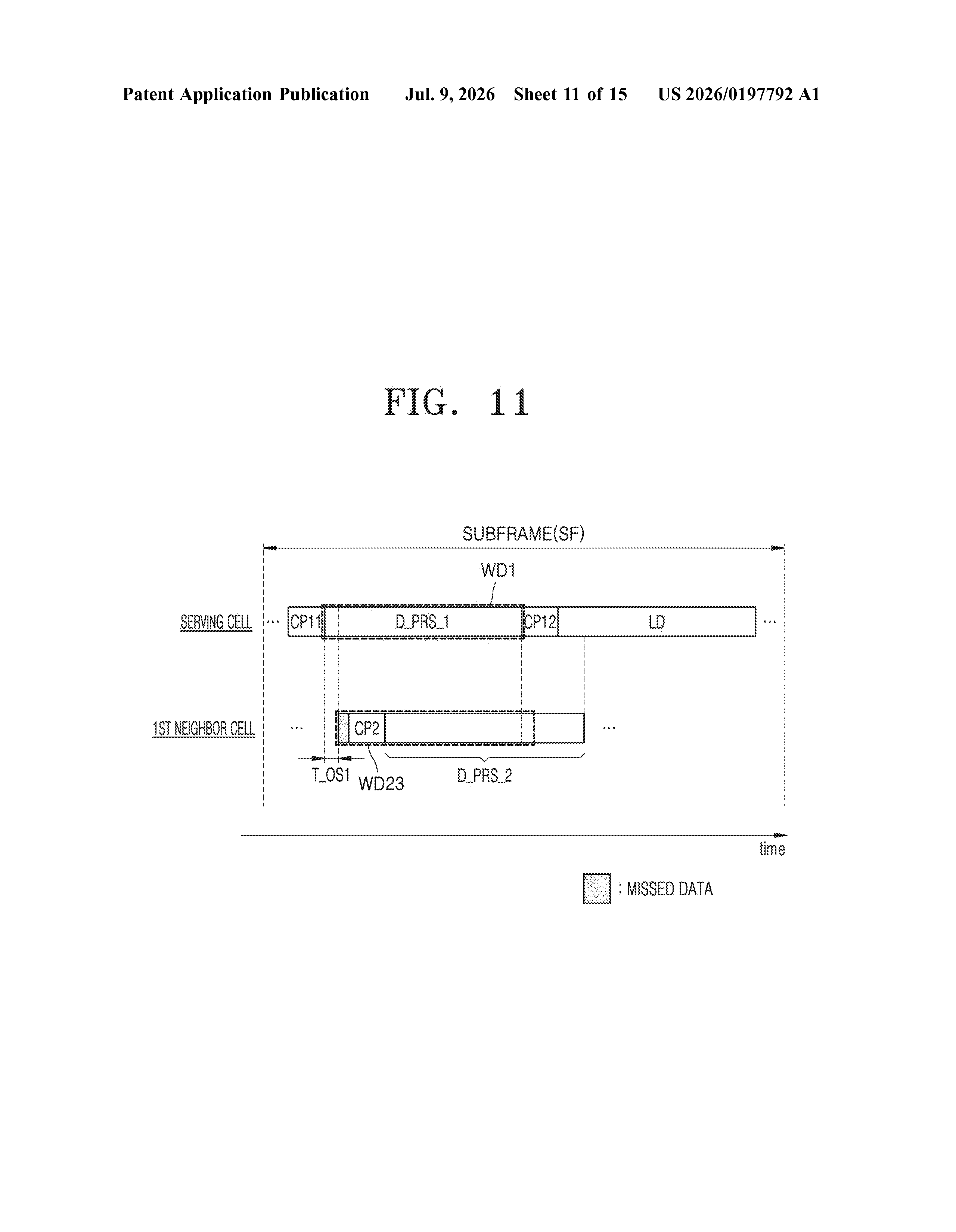
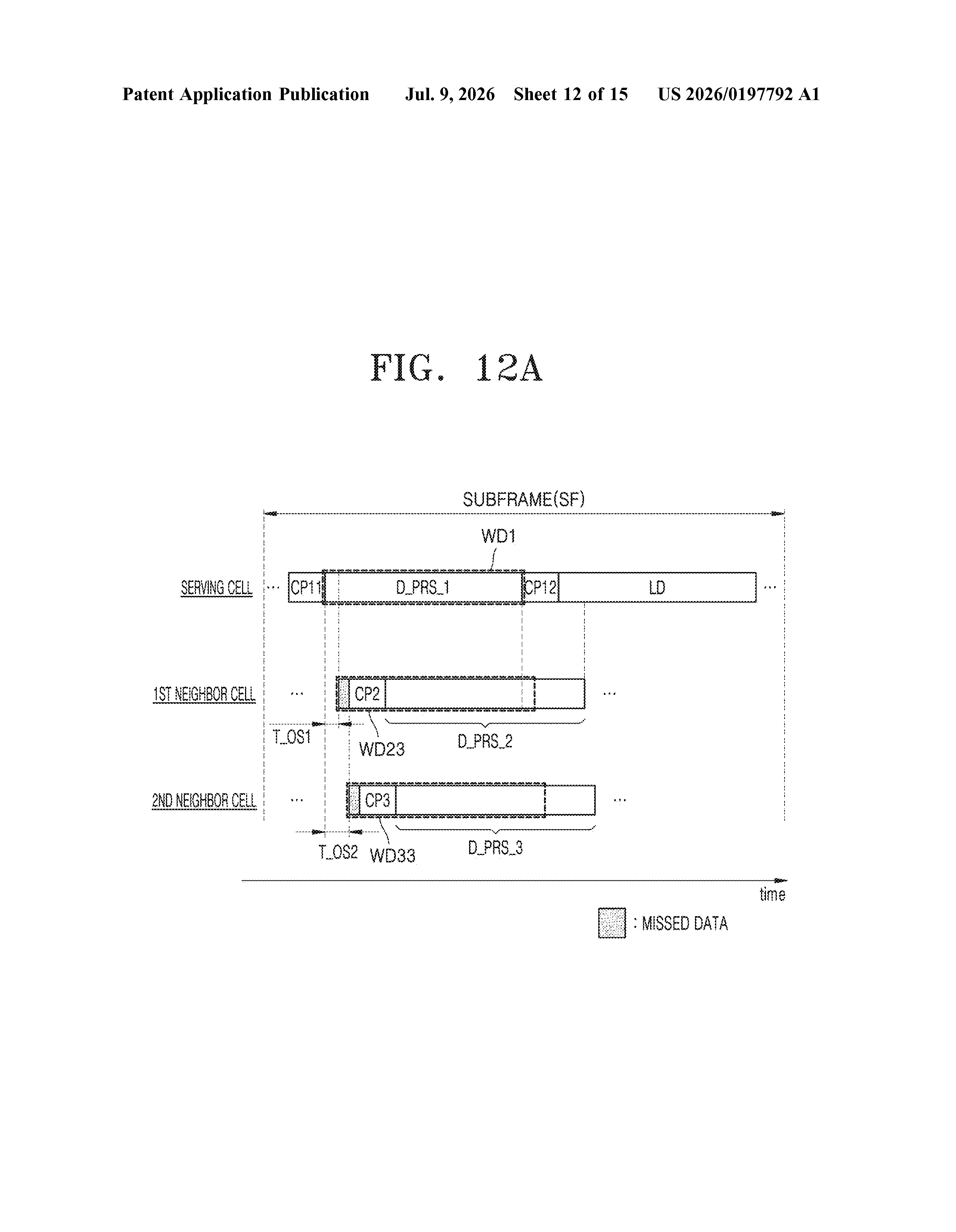
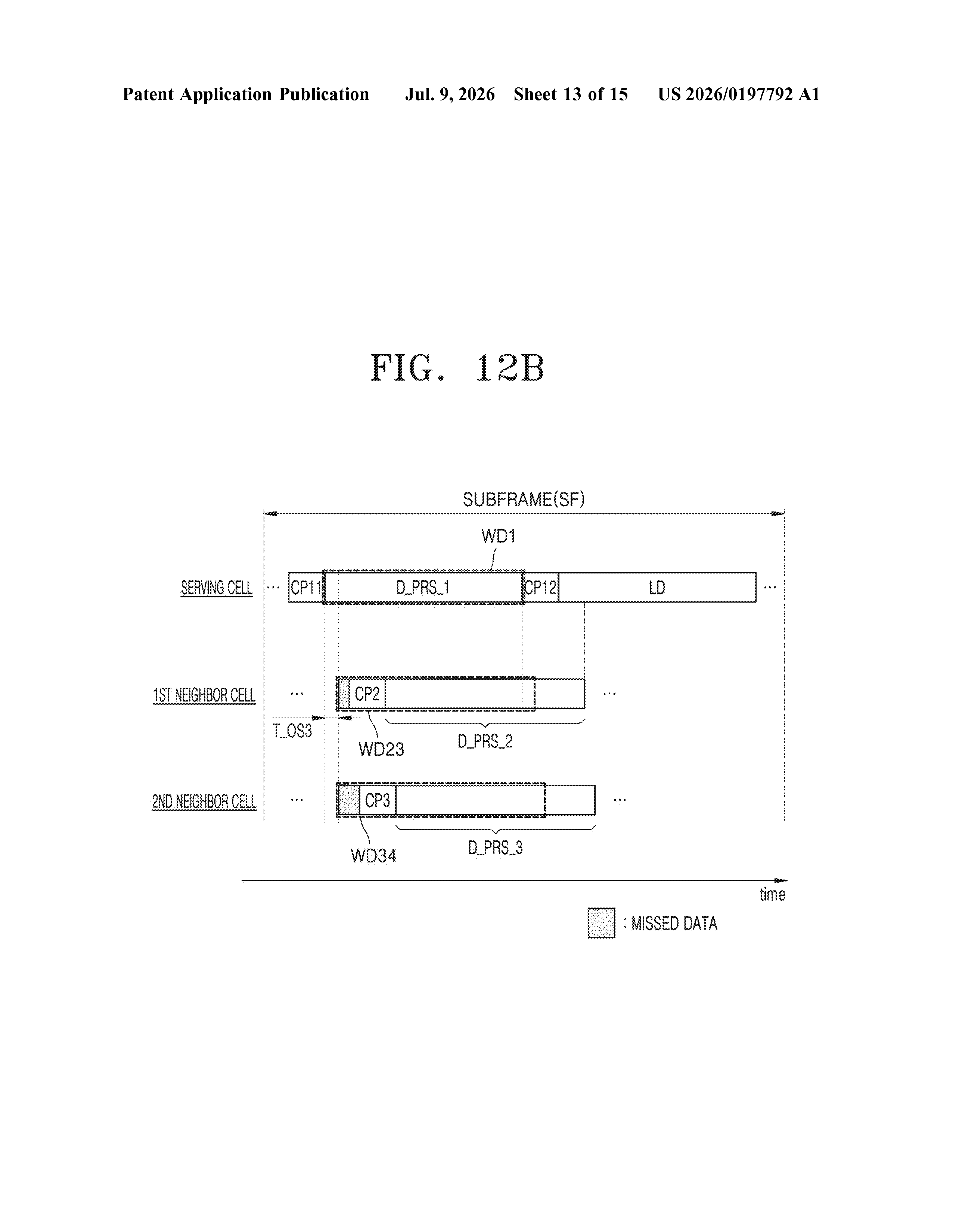
Samsung's patent describes a way to dynamically adjust the listening window your phone uses when it checks a neighboring tower's signal. Instead of using a fixed window, the phone fine-tunes it based on what it already learned from the serving tower, the one your call is actually connected to. That tighter alignment means the timing comparison is more accurate.
The result is a more precise location fix in places where GPS doesn't work, like inside buildings, underground stations, or dense urban areas. It's a quiet but meaningful improvement to the kind of positioning that emergency services and navigation apps depend on when satellites are out of reach.
How the adjusted measurement window narrows the timing gap
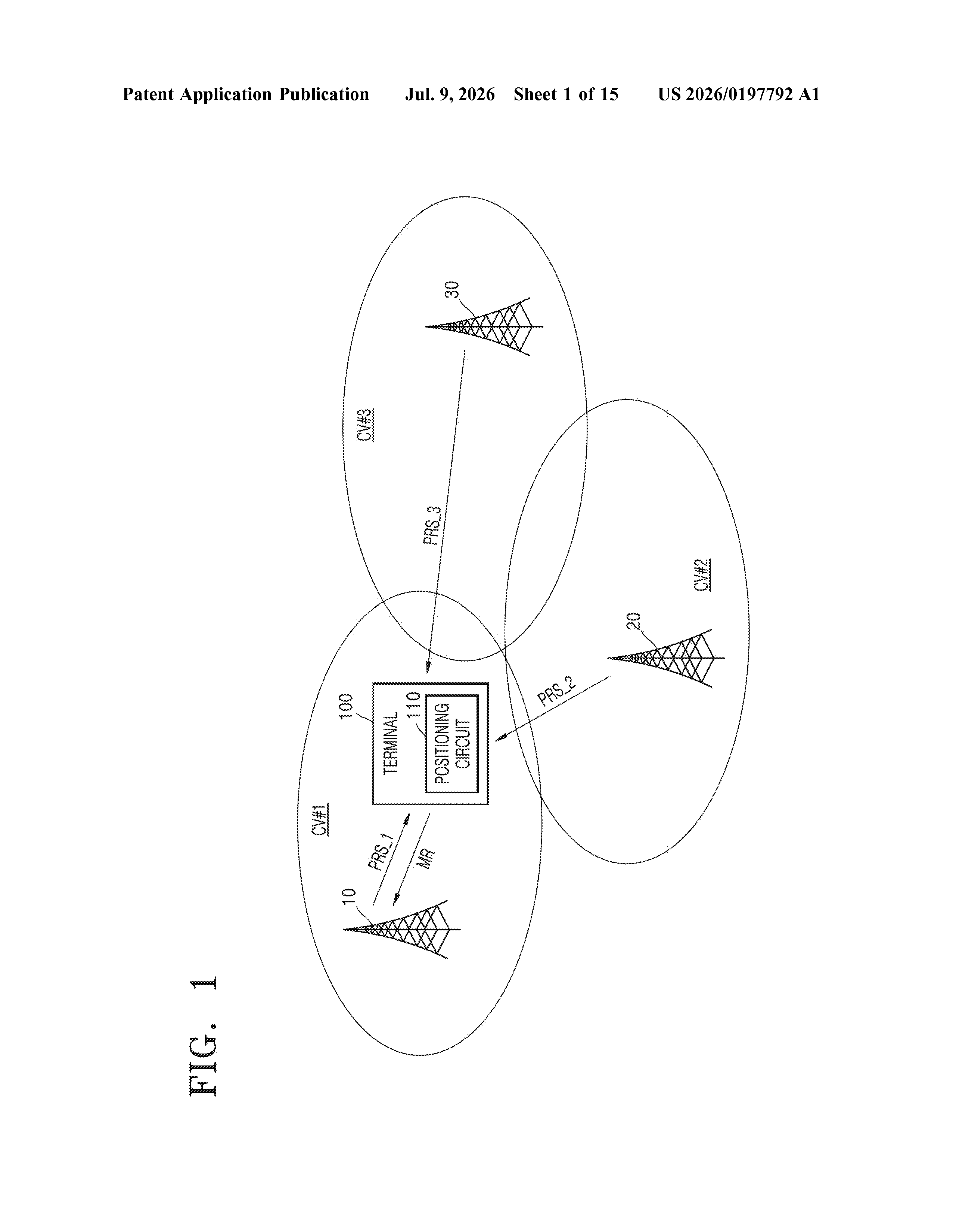
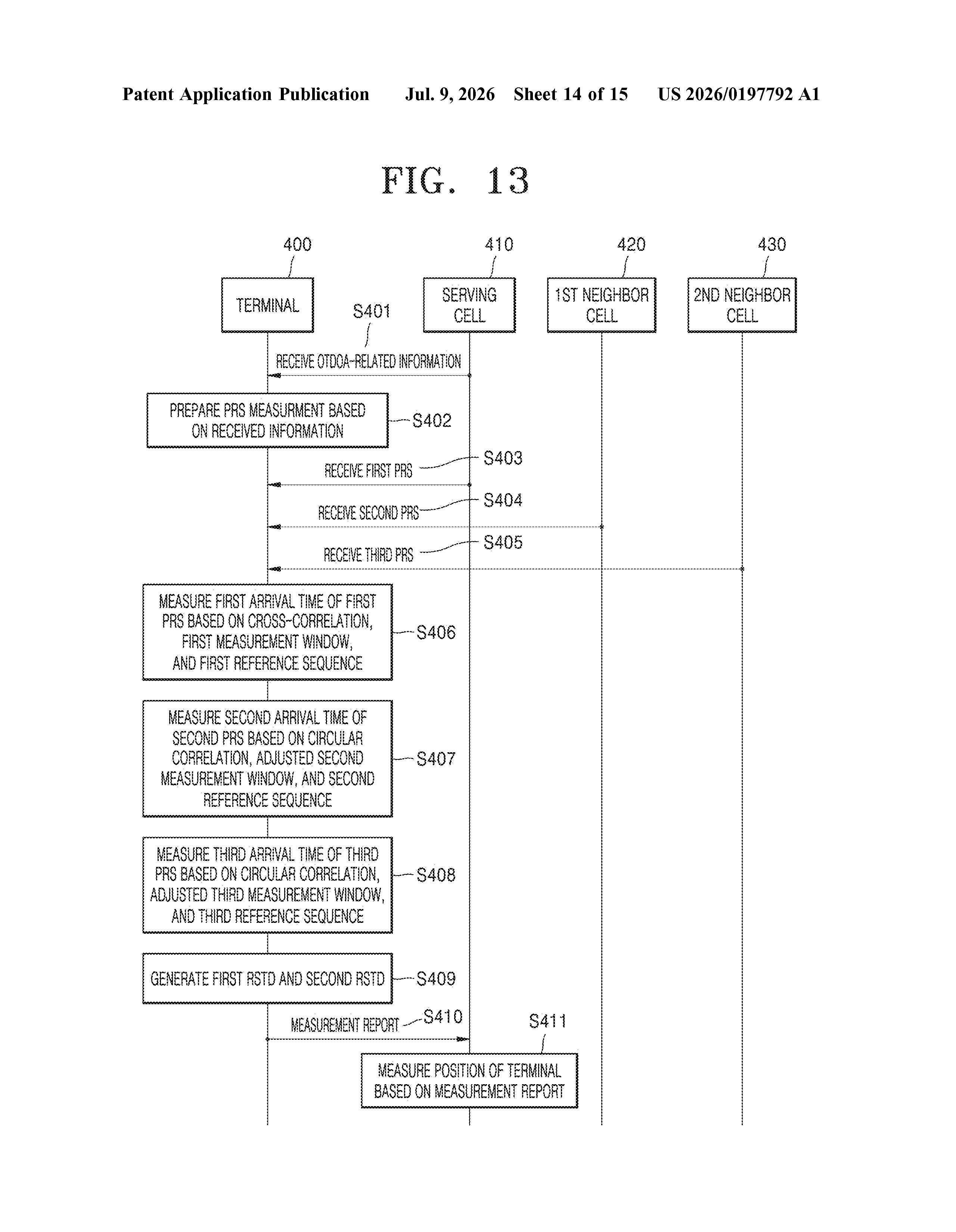
The patent describes a positioning technique called Observed Time Difference of Arrival (OTDOA), a standard method used in cellular networks where a phone calculates its position by measuring how long signals from multiple towers take to arrive. The tiny differences in those arrival times, combined with the known locations of the towers, let the network triangulate where you are.
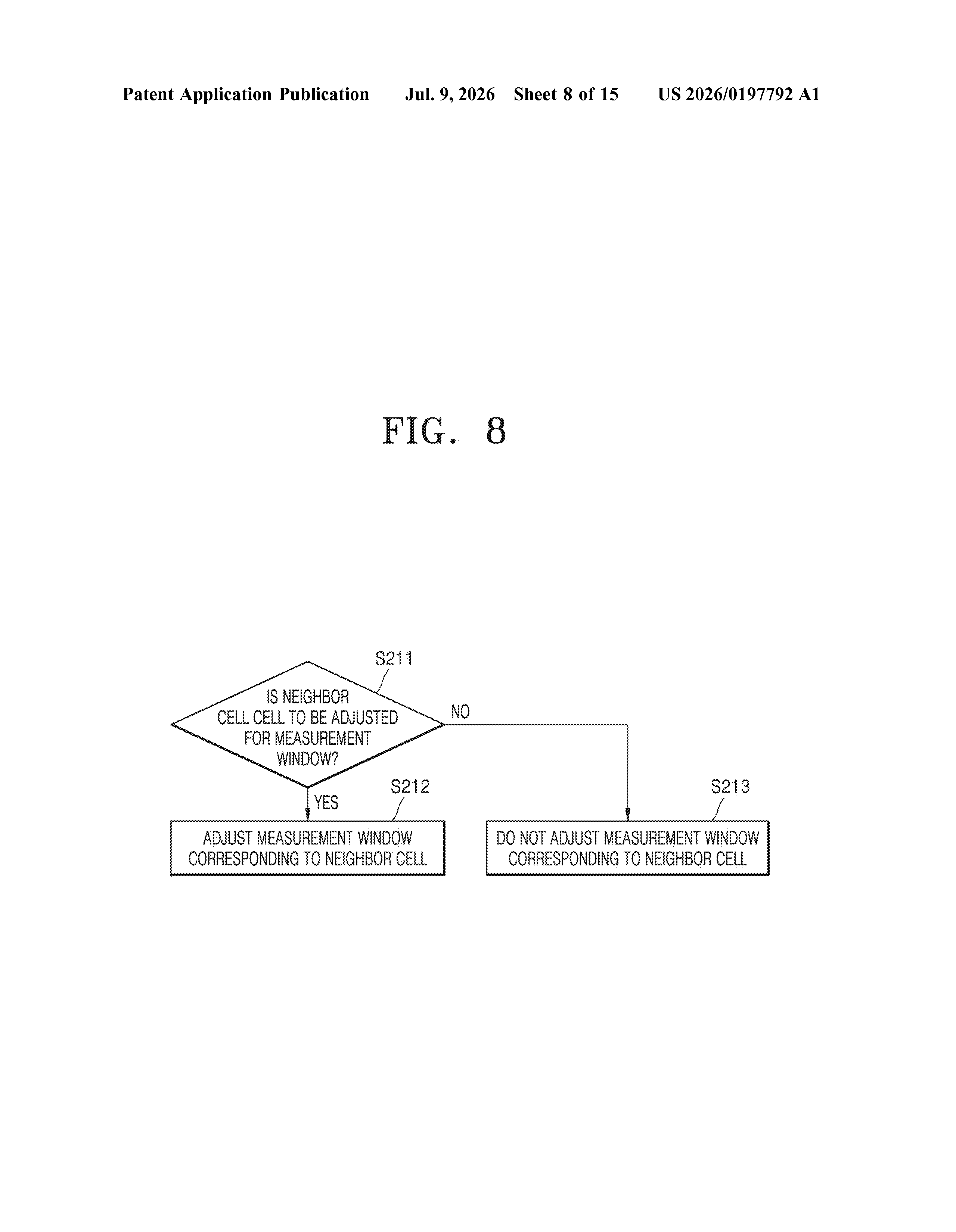
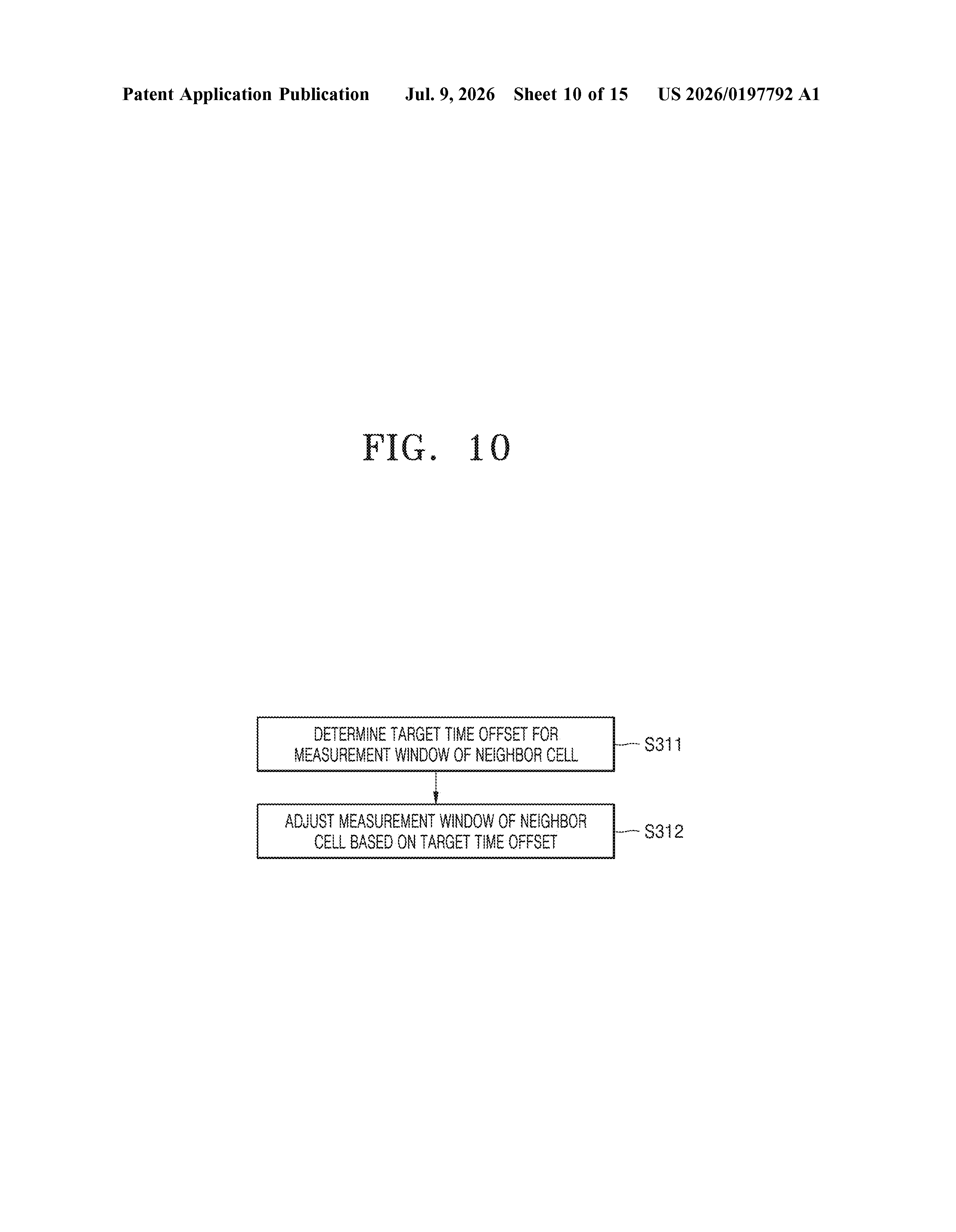
The core invention is about measurement windows, the brief slices of time a phone listens for a Positioning Reference Signal (PRS) from each tower. Normally, each window is set independently. Samsung's method takes the timing learned from the primary (serving) cell's window and uses it to adjust the window used for neighboring cells.
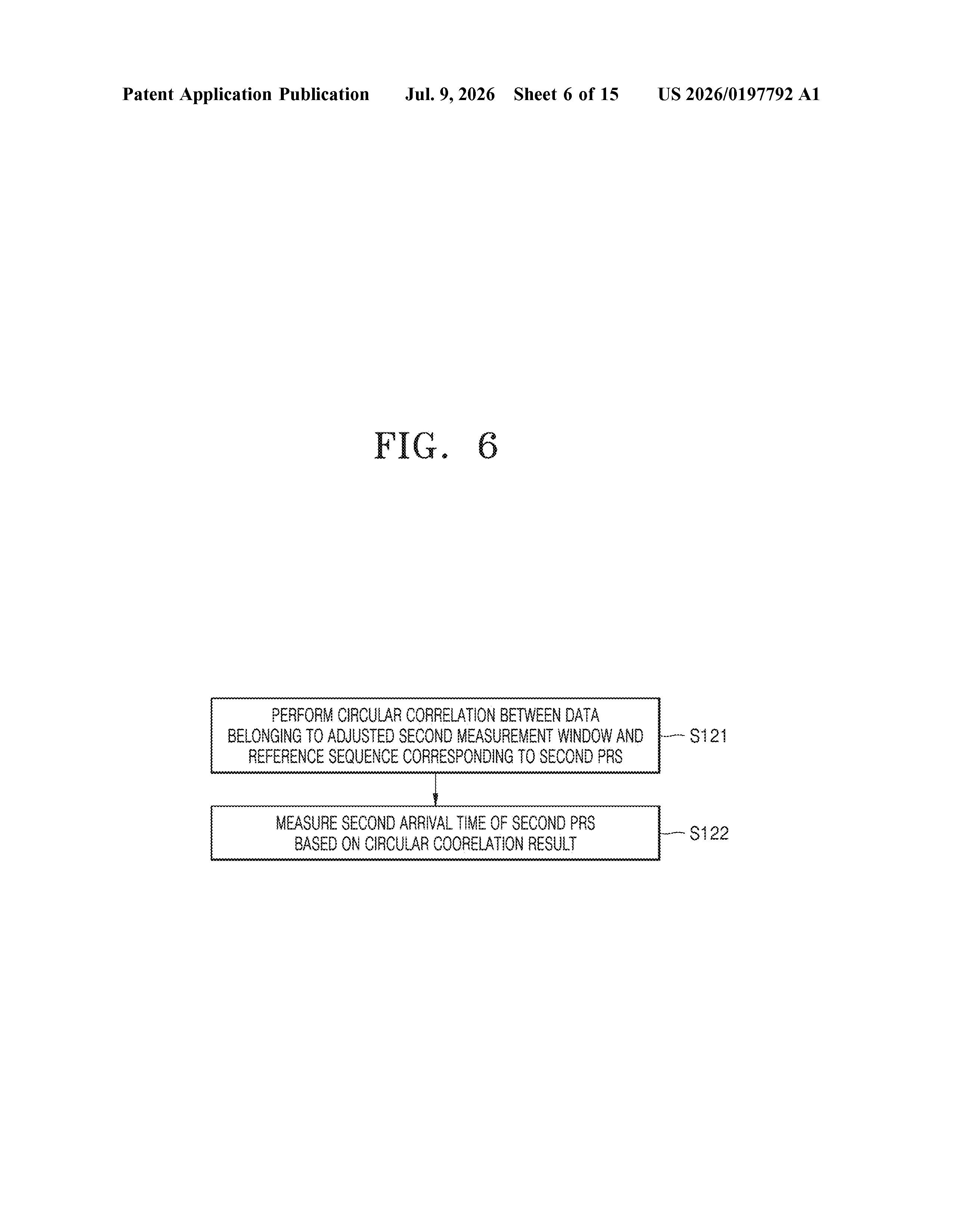
The adjusted window means the phone is listening at exactly the right moment for each neighbor tower's signal, reducing the chance it catches noise instead of the actual reference pulse. From there, it computes a value called the Reference Signal Timing Difference (RSTD), the raw number that gets sent to the network to calculate your final position.
In short, the phone does smarter bookkeeping about when to listen, so the timing measurements it hands off are cleaner and more reliable.
What this means for location accuracy without GPS
Cellular positioning is the fallback when GPS fails, and it's legally required to work well enough for emergency 911 calls to be located accurately. Indoor and dense-urban environments are exactly where that fallback is most needed and most likely to produce bad results. A patent that tightens the measurement process directly addresses that gap.
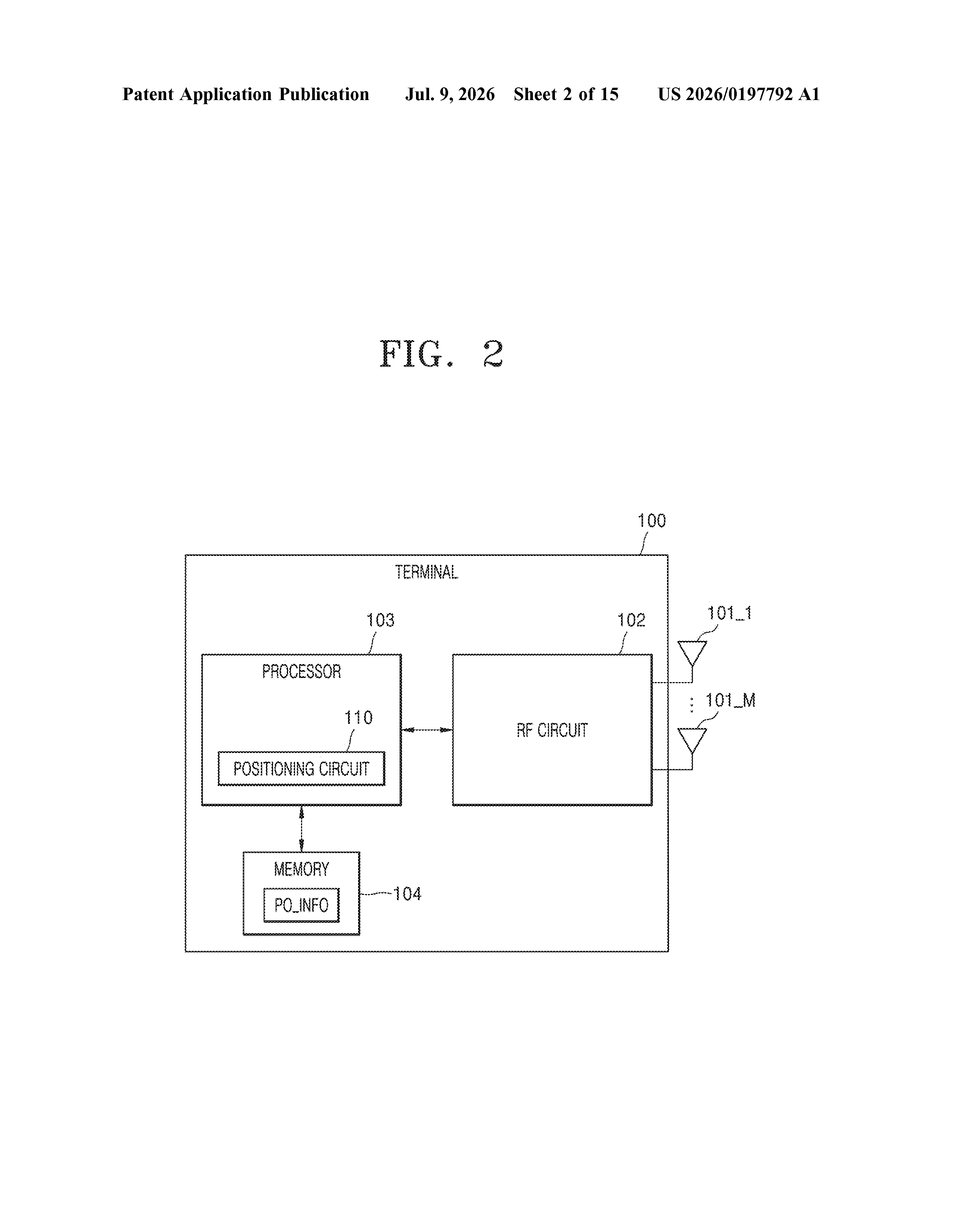
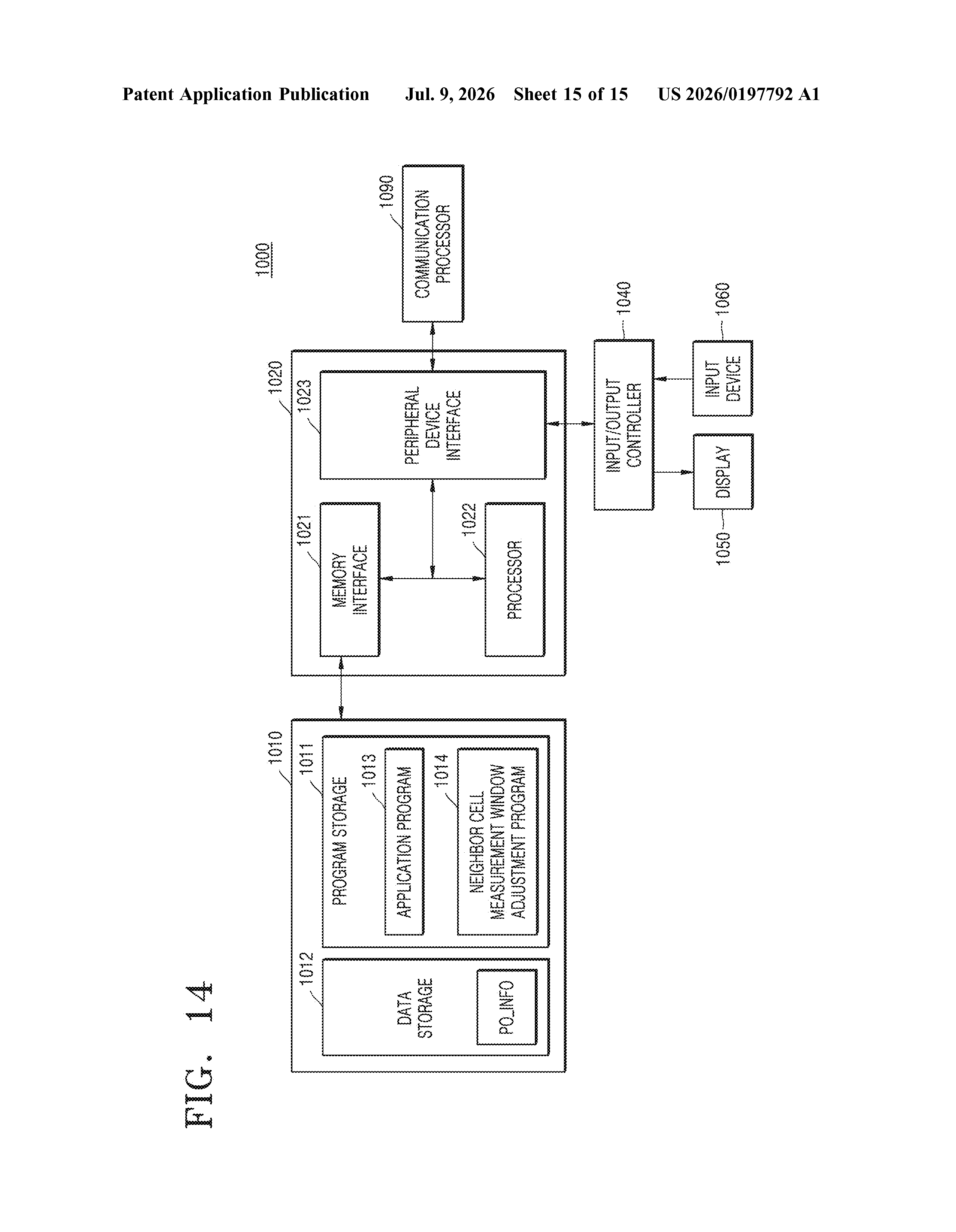
For everyday users, better OTDOA accuracy means navigation apps, delivery tracking, and emergency services can find you even when you're somewhere a satellite signal can't reach. Samsung building this into the terminal (the phone itself, rather than the network side) means it could appear in future Galaxy devices without requiring carriers to upgrade their infrastructure.
This is infrastructure-level cellular engineering, not the kind of thing that will ever appear in a marketing slide. But OTDOA accuracy has real consequences for emergency location services and indoor navigation, so the problem is genuinely worth solving. Whether Samsung's window-adjustment approach offers a meaningful improvement over existing 5G positioning standards is something standards bodies will ultimately weigh in on.
Get our take in your Top Stories
Liked this breakdown? Add Patentlyze as a preferred source on Google, and our plain-English take shows up more often in your Top Stories the next time Samsung patent news breaks.
There are more where this came from
We read every patent application Big Tech publishes and send you the ones worth knowing. Plain English, free, every week.
The drawings
15 drawing sheets from US 2026/0197792 A1 · click any drawing to enlarge
Show the other 7 sheets
Want this weekly breakdown for a company we don't cover? Patentlyze Pro →