
Samsung Patents a Glow-Around-the-Edge System for Slimmer Smartwatches
Samsung is patenting a way to hide tiny LEDs deep inside a wearable's housing and still get bright, even light to show through the outside, without bulky hardware.

What Samsung's wearable light-guide setup actually does
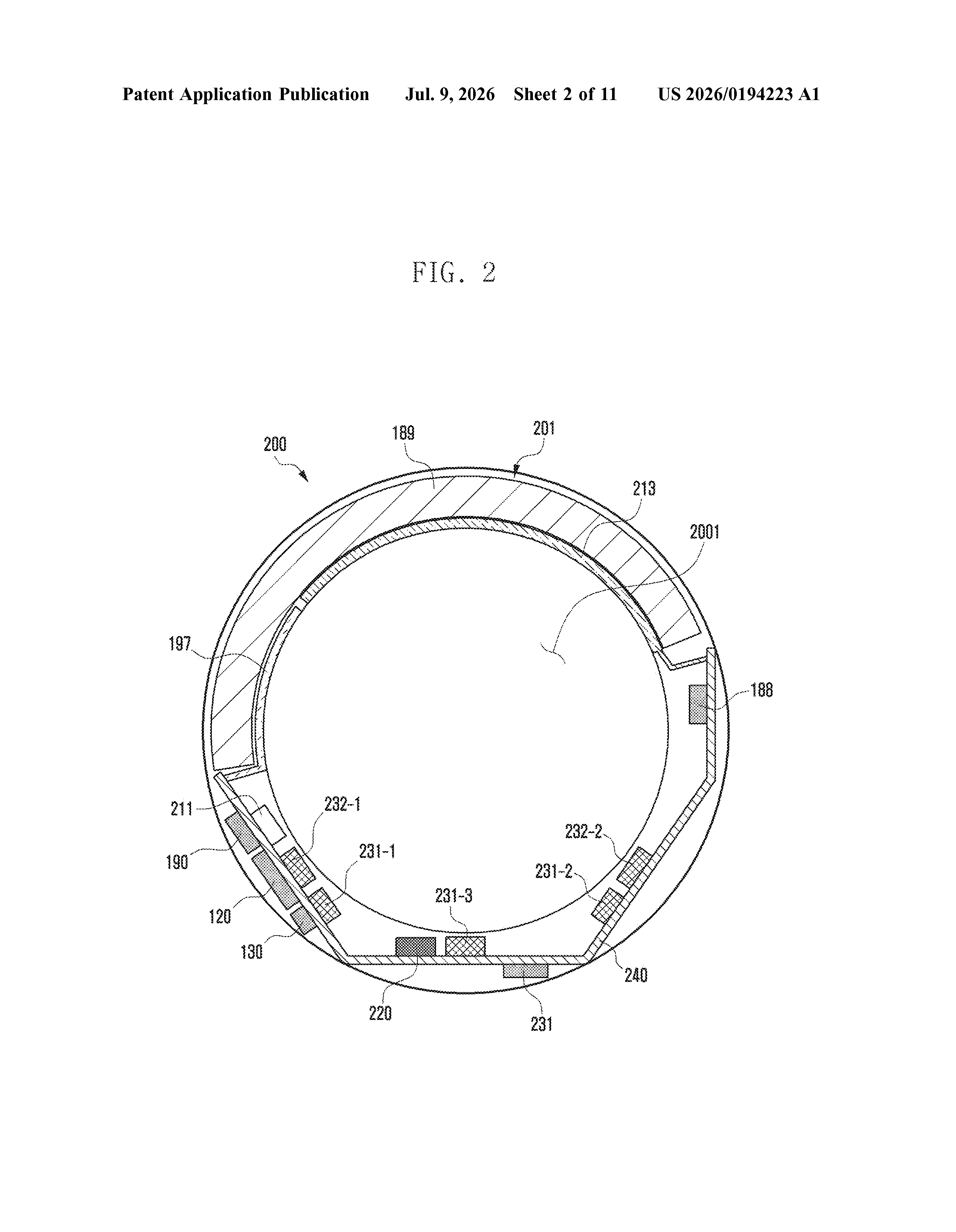
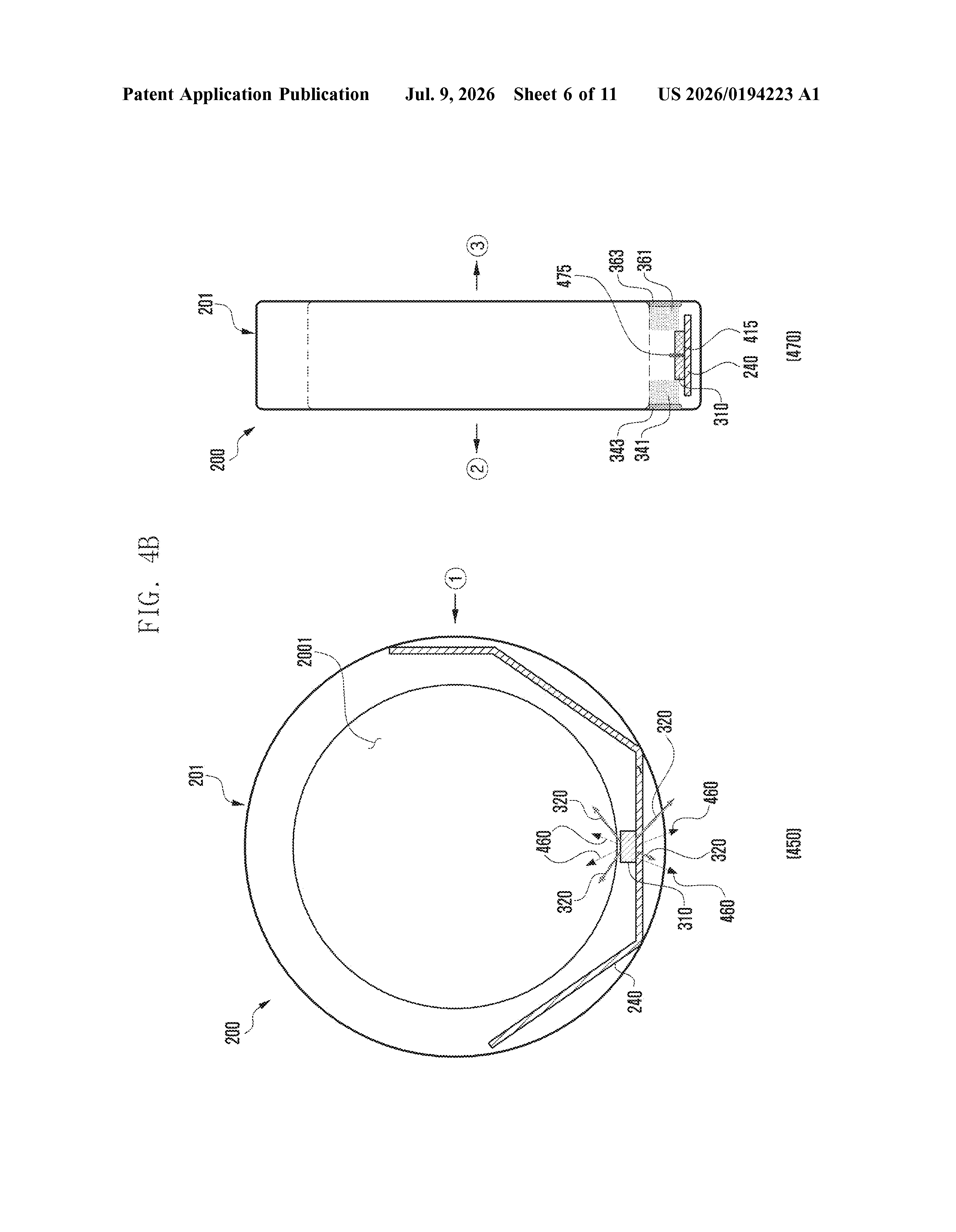
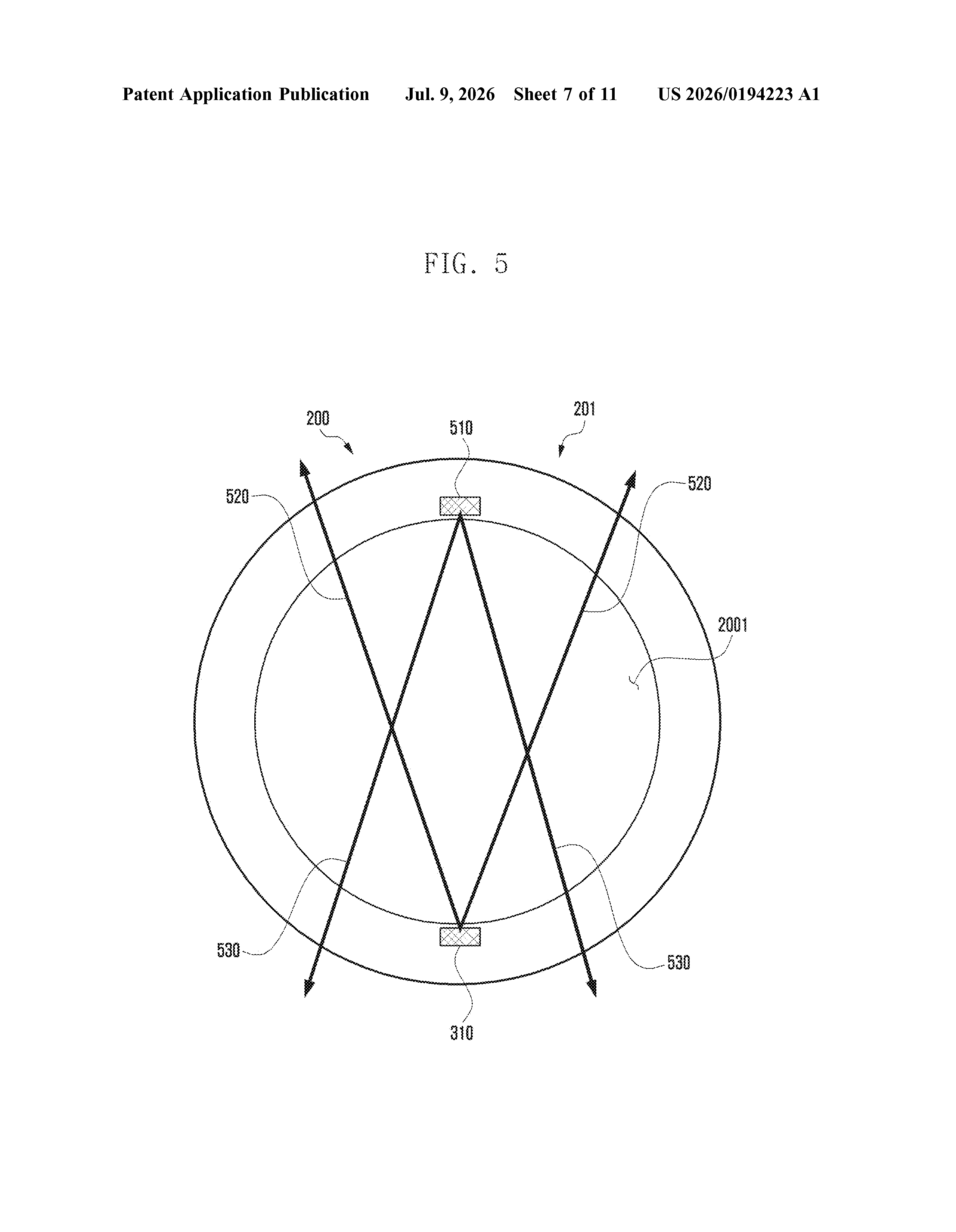
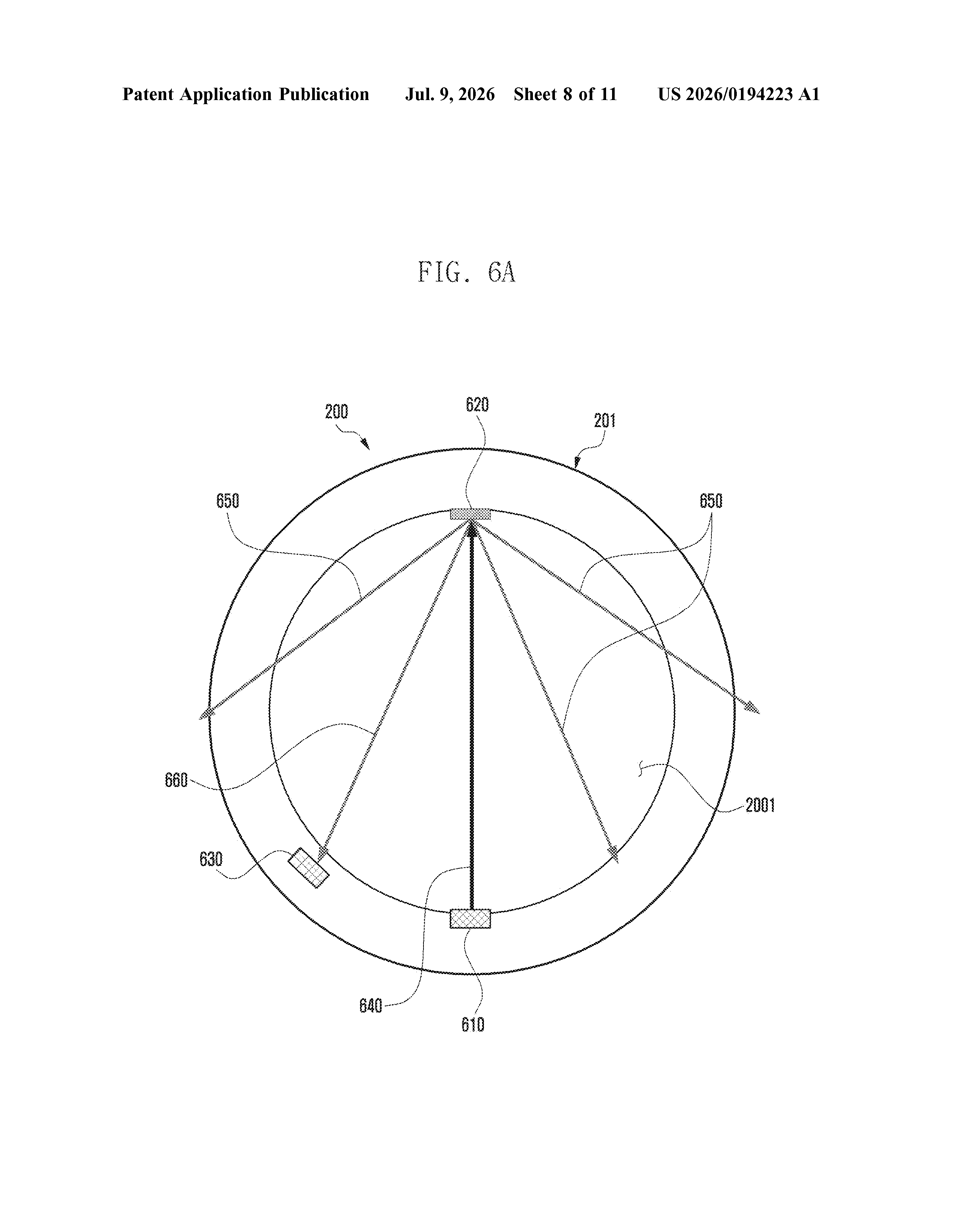
Imagine a smartwatch or fitness band that glows with a soft, even light around its edge or face, but when you crack it open, there's no big, exposed light strip inside. That's the idea here. Samsung is describing a system where small LED units sit on a circuit board inside the device, and a set of shaped pieces called light guides sit right next to them.
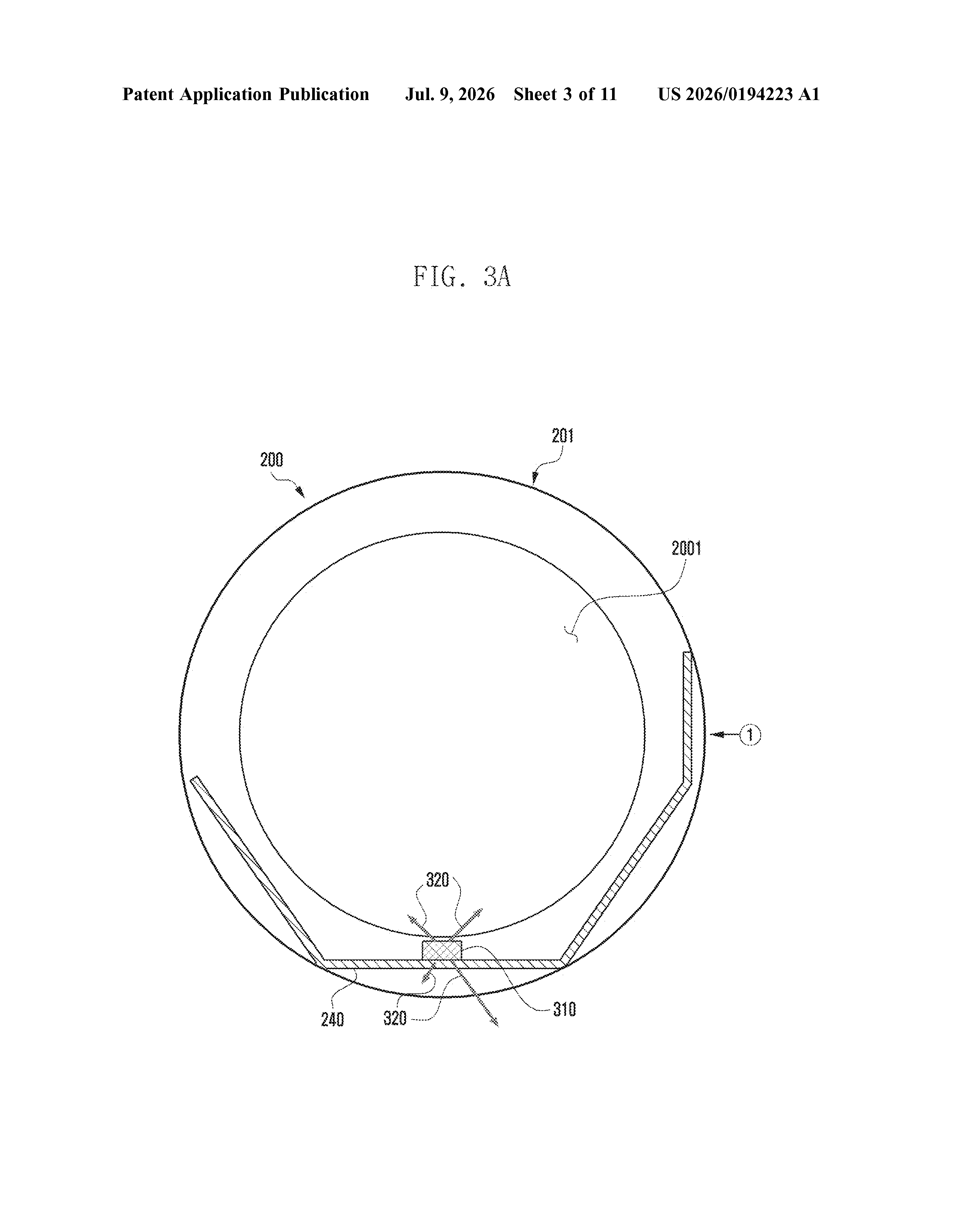
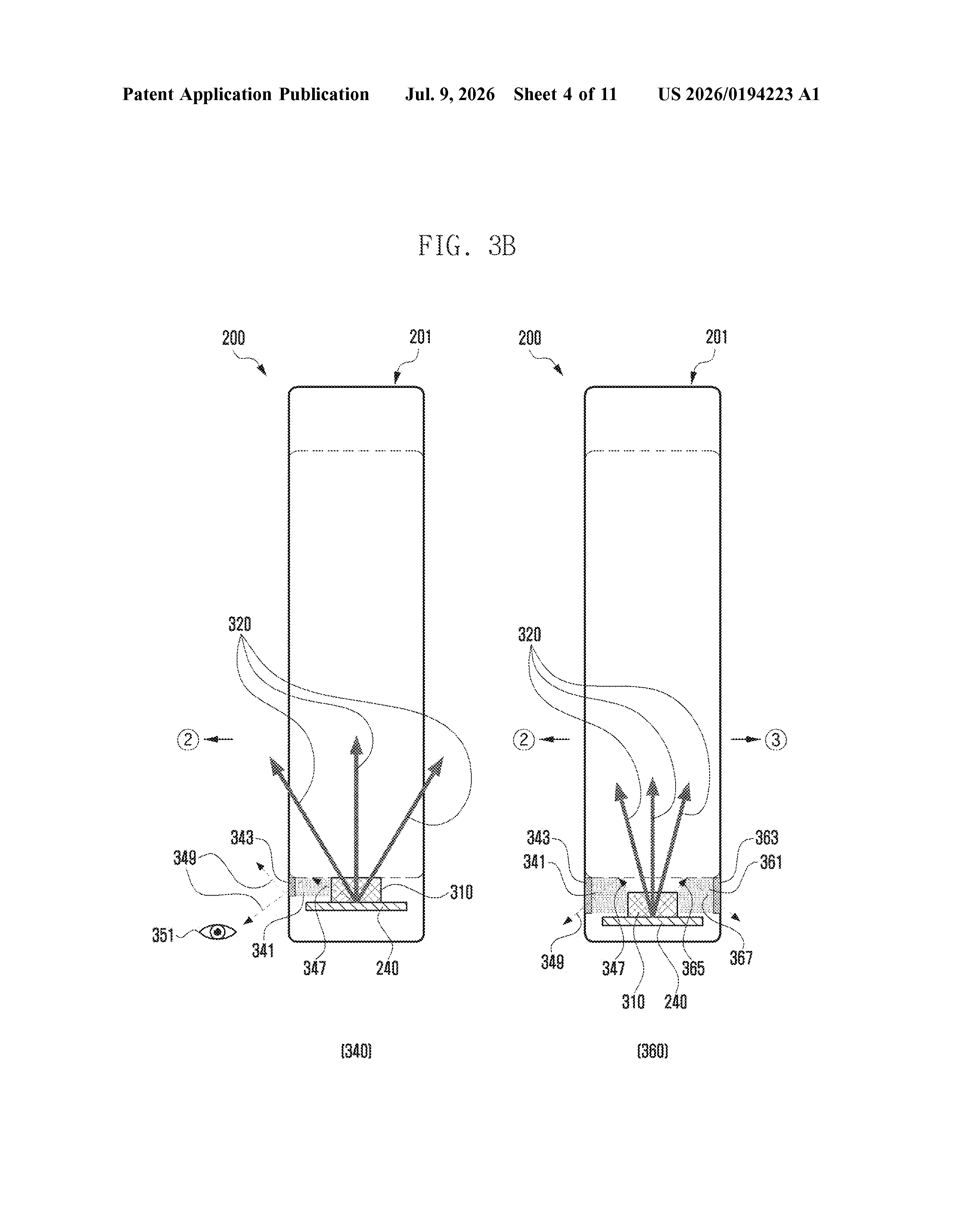
Instead of pointing light directly at the surface you can see, the guides redirect that light, bouncing it toward a separate scattering layer. That scattering layer then spreads the light out and pushes it through to the outside of the device in a smooth, diffused way.
The practical payoff is that Samsung could build wearables that look cleaner and feel thinner, because the LEDs don't have to be physically close to the visible surface. You get the glow without the bulk.
How the guide bounces and scatters light outward
The patent describes a three-component optical system packed inside a wearable device housing:
- Light emitting units: standard LEDs mounted on a substrate (a flat internal circuit board).
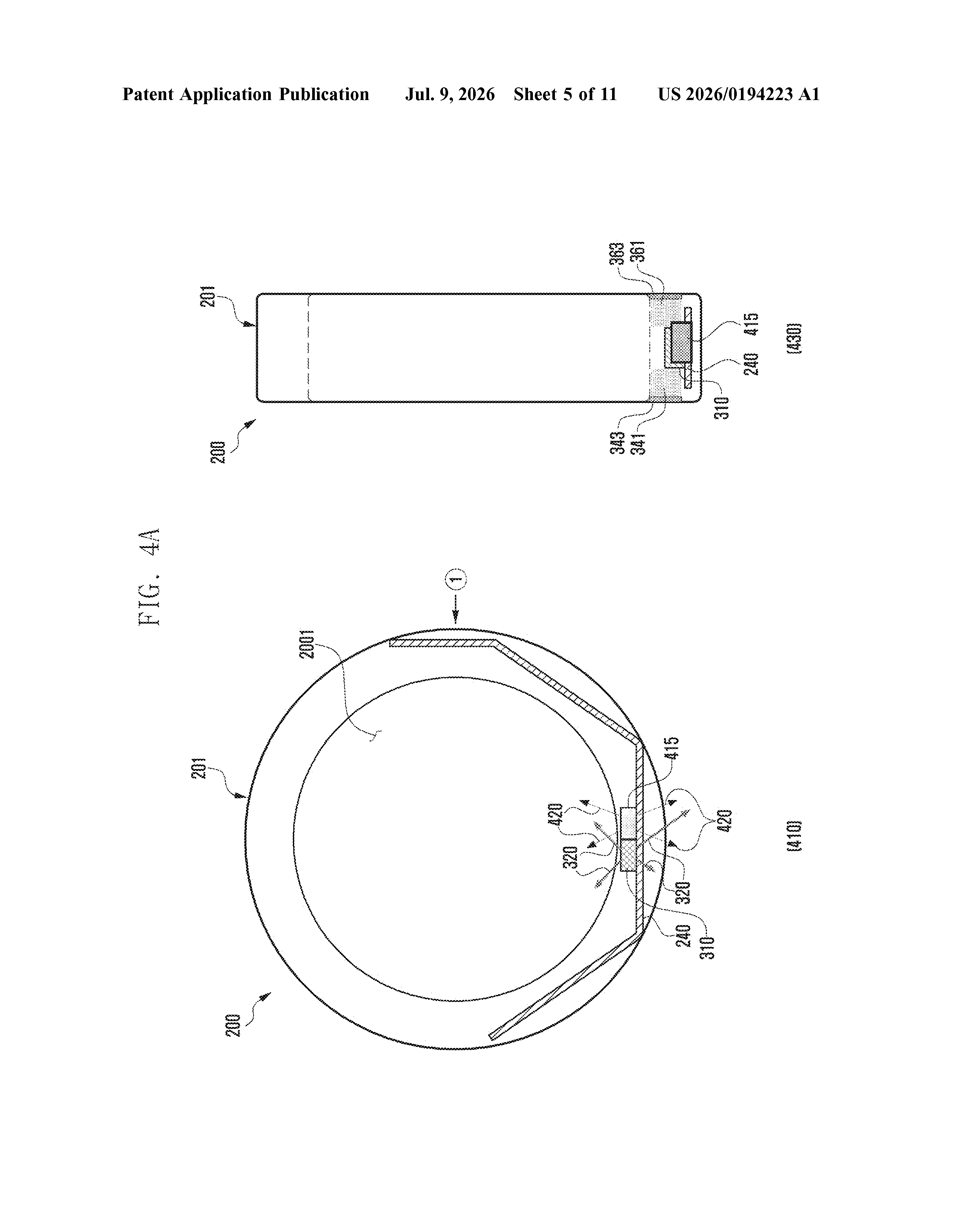
- Light guide members: shaped pieces placed directly beside each LED. When viewed from one side, each guide sits adjacent to its paired LED. Their job is to catch light coming off the LED and redirect it, essentially acting as a tiny mirror or prism inside the device.
- Light scattering members: a layer positioned so that after light bounces off the guide, it hits this scattering surface and gets diffused outward through the housing wall.
The key engineering detail is that the guides and scattering layers decouple the LED's physical position from where the light actually exits the device. In normal LED setups, the light source has to be close to the surface you want lit. Here, the guide handles the redirection, so the LED can sit elsewhere on the board.
This gives Samsung's hardware team more flexibility about where components go inside a tight wearable enclosure, potentially allowing thinner profiles or freeing up space for sensors and batteries.
What this means for smartwatch and smart band displays
For wearables, space is the constant fight. Every millimeter saved inside a smartwatch or band can go toward a larger battery, a better heart-rate sensor, or simply a slimmer device that feels less obtrusive on your wrist. A light system that doesn't require LEDs to sit directly behind the visible surface is a genuine layout advantage.
This patent also points toward cleaner industrial design: even, diffused lighting around a wearable looks more polished than a row of individual bright dots. If Samsung applies this to something like a Galaxy Watch bezel glow or a notification ring on a smart band, the result is a more finished look without adding thickness.
This is a quiet optical engineering patent, not a headline feature. But Samsung files a lot of these foundational light-management patents ahead of new wearable generations, and the specific setup here, LED plus guide plus scatterer, is practical enough that it could show up in a Galaxy Watch or Galaxy Ring without anyone noticing the mechanism behind it. Worth a brief look if you follow Samsung's hardware roadmap.
Get our take in your Top Stories
Liked this breakdown? Add Patentlyze as a preferred source on Google, and our plain-English take shows up more often in your Top Stories the next time Samsung patent news breaks.
There are more where this came from
We read every patent application Big Tech publishes and send you the ones worth knowing. Plain English, free, every week.
The drawings
11 drawing sheets from US 2026/0194223 A1 · click any drawing to enlarge

Want this weekly breakdown for a company we don't cover? Patentlyze Pro →