
IBM Patents a System That Catches Fake or Replaced Teachers in VR Classrooms
Imagine a virtual reality class where the teacher's avatar has been replaced by a bot feeding students wrong information. IBM has filed a patent for a system designed to catch that swap and fix it before anyone notices.
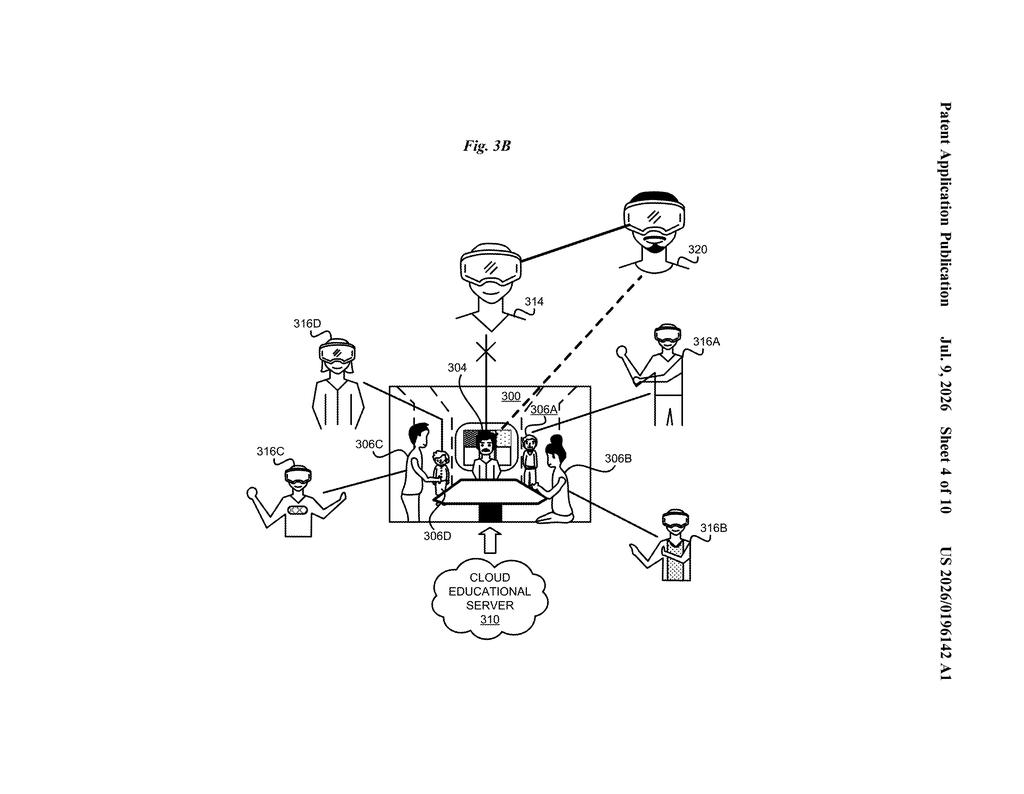
What IBM's fake-instructor detector actually does
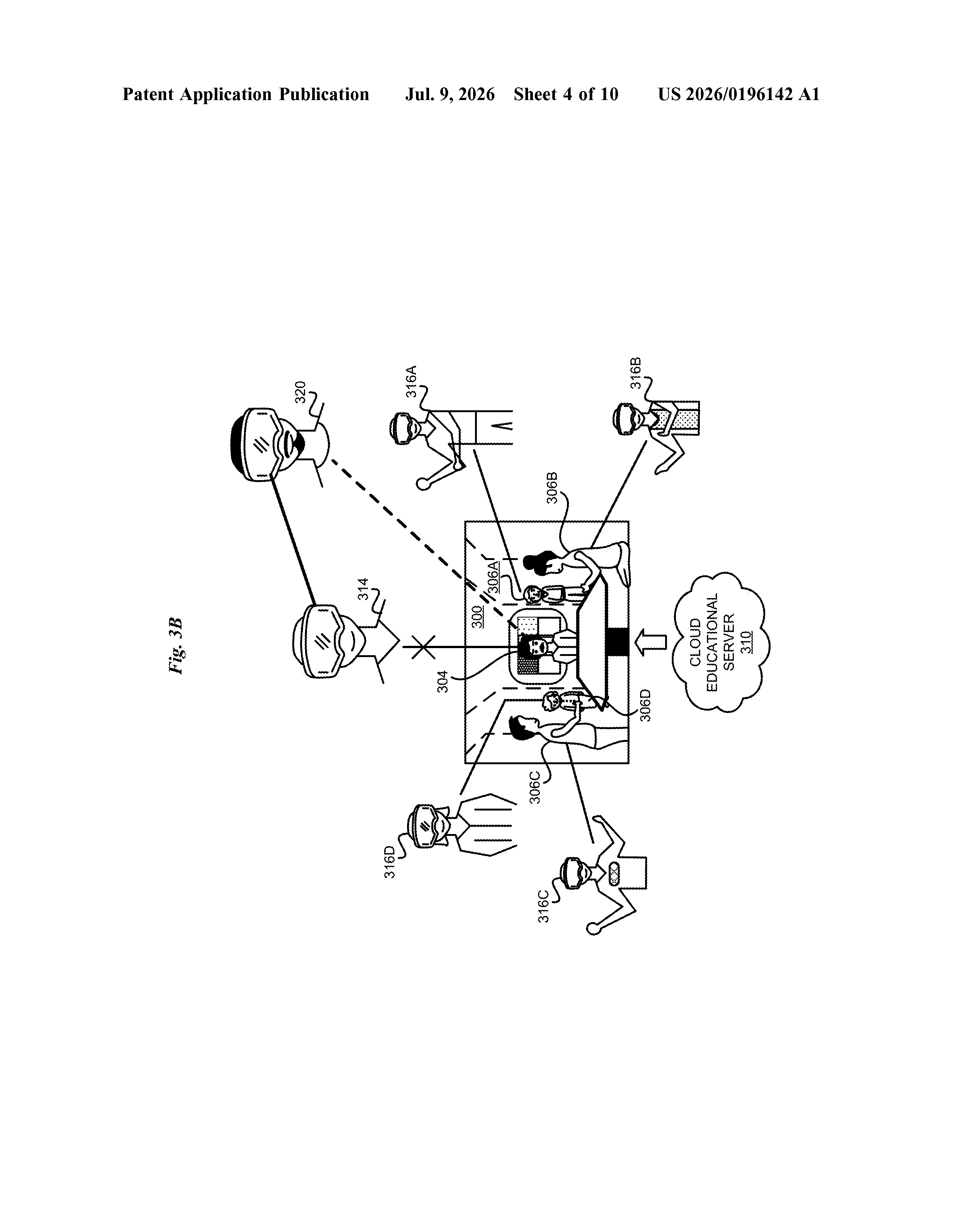
Picture a VR classroom where students wear headsets and learn from an instructor shown as a digital avatar. That avatar is supposed to be controlled by, or at least reflect the verified material of, a real human teacher assigned to the session. But what if something goes wrong and the avatar gets hijacked, replaced by an AI acting on its own or by a bad actor feeding in different content?
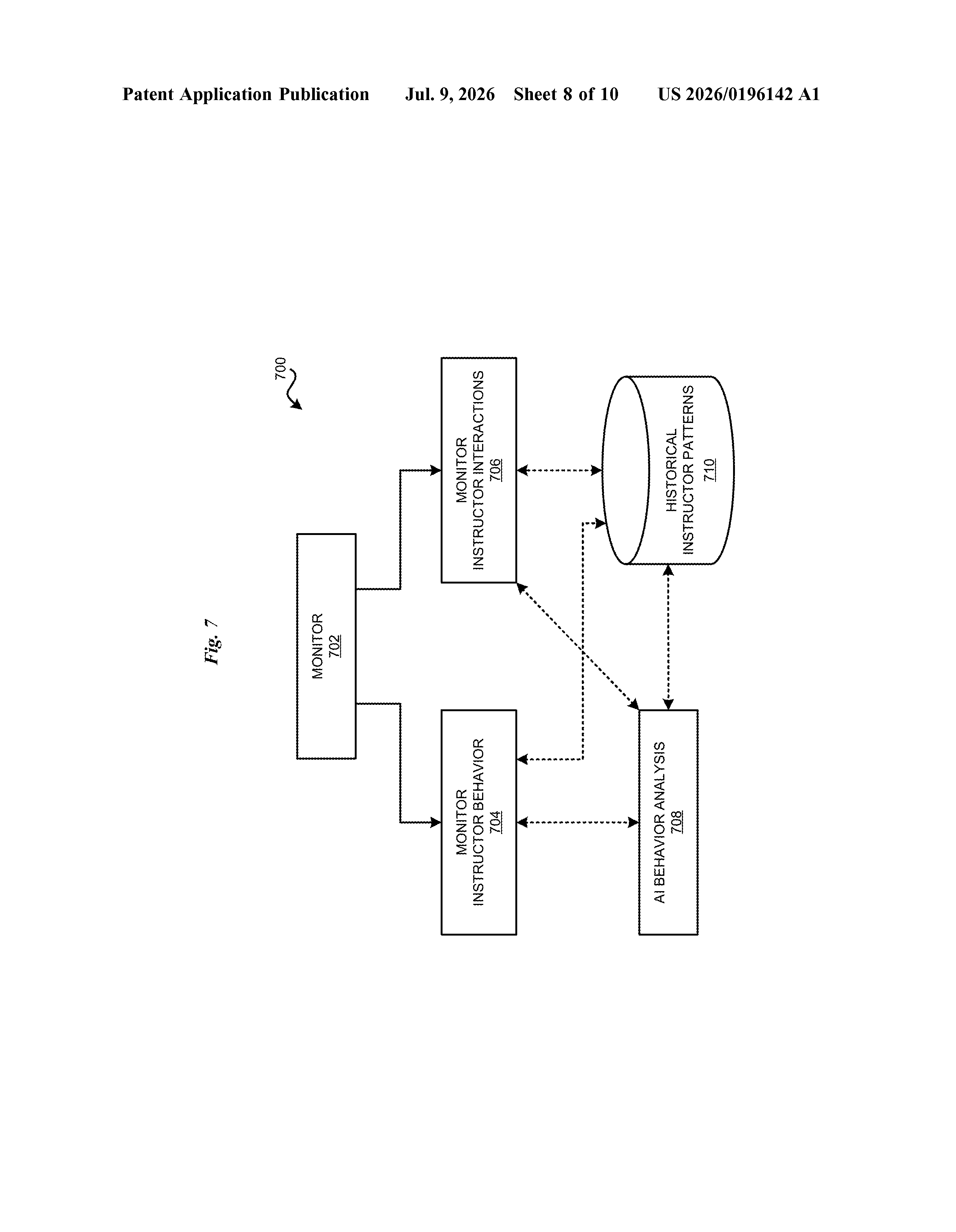
IBM's patent describes a system that watches the instructor avatar during the session, checking its behavior and what it's saying or showing against a profile of the legitimate instructor. If something seems off, the system flags the avatar as "compromised."
When that happens, the system doesn't just shut everything down. It ejects the bad avatar and brings in a replacement that picks up the lesson right where it left off, so students barely notice the interruption. Think of it like a building's fire door: it closes automatically to contain the problem without evacuating the whole building.
How IBM's system spots and removes a compromised avatar
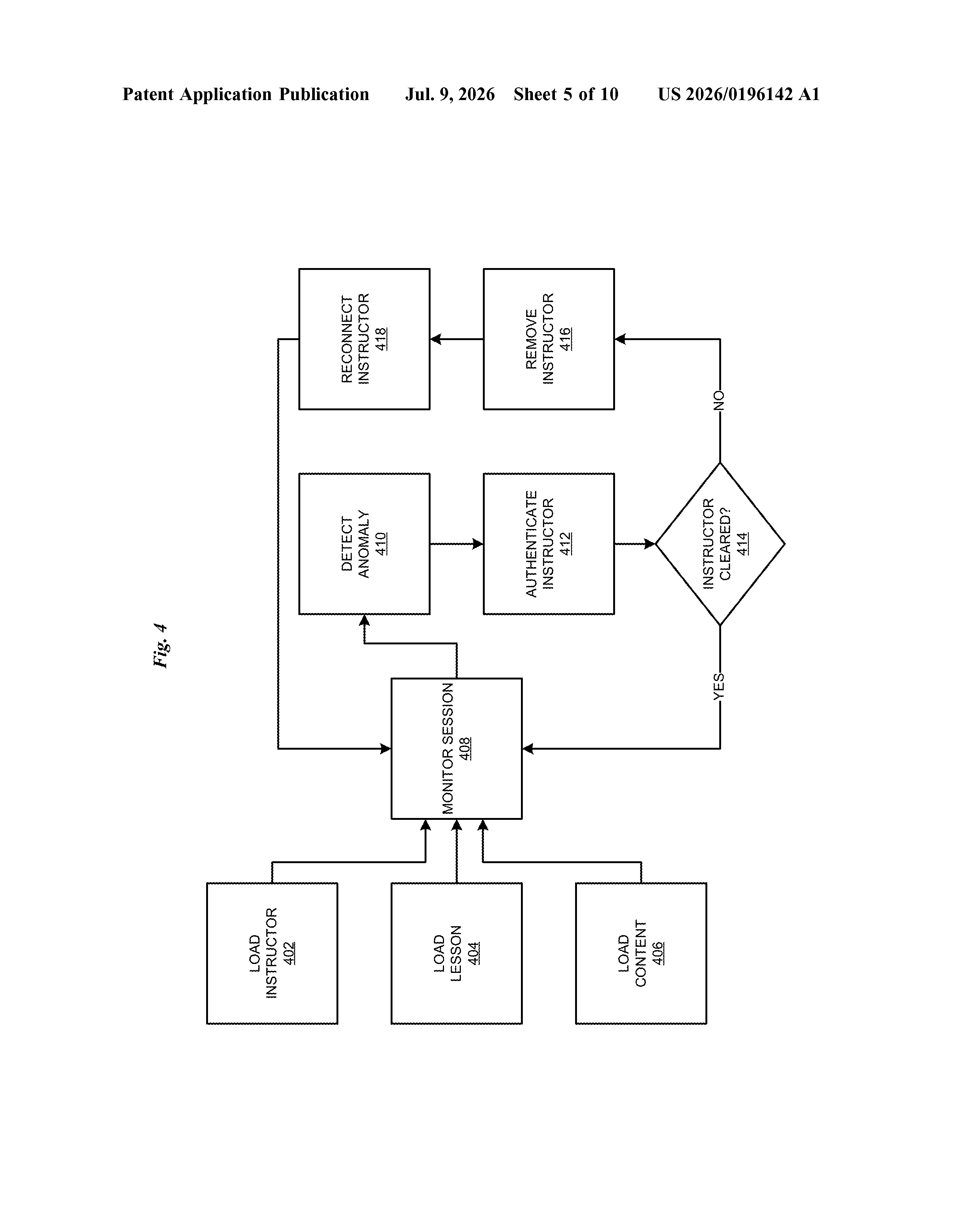
The patent describes a three-stage process running continuously during a VR education session.
Stage 1: Sampling. The system periodically captures two types of data from the instructor avatar (IA):
- Behavioral patterns, how the avatar moves, gestures, or interacts with the virtual environment
- Content samples, what the avatar is actually saying or presenting to students
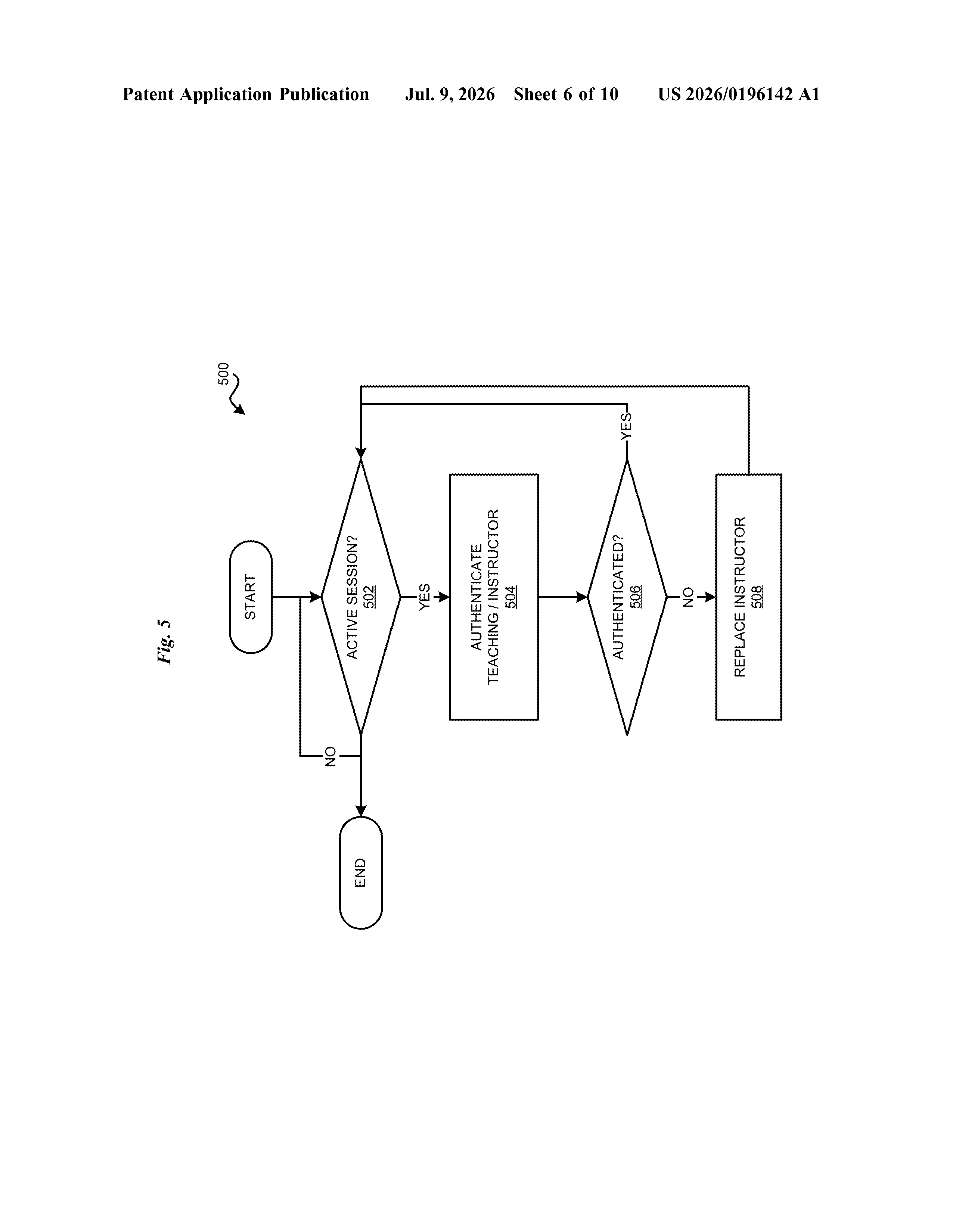
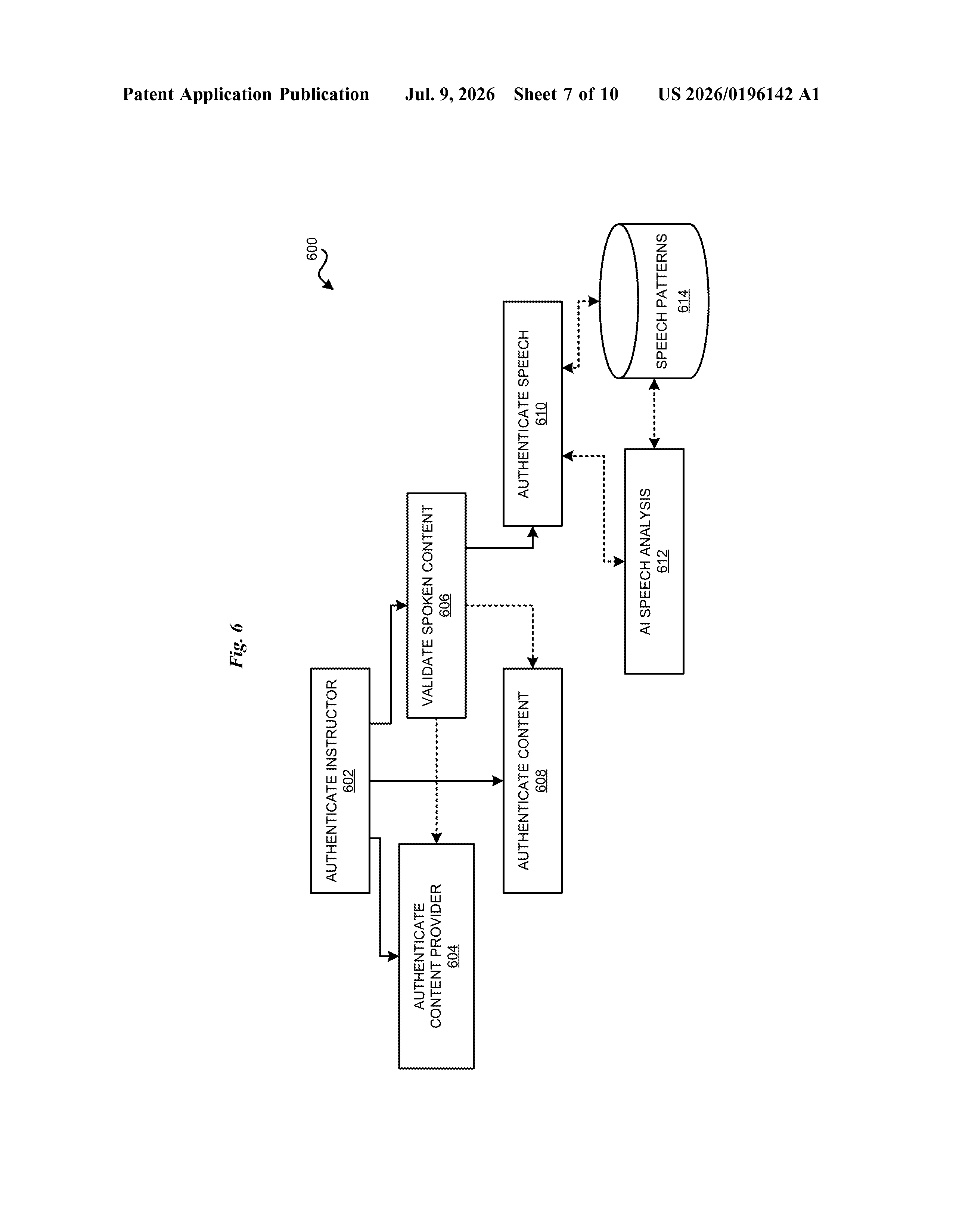
Stage 2: Analysis. Those samples are compared against a profile of the valid human instructor assigned to the session. This is essentially an authenticity check: does what this avatar is doing match what the real instructor is expected to do? The patent doesn't specify exactly how this comparison works (behavioral fingerprinting, content matching, and AI-pattern detection are all plausible), but the goal is to determine whether the avatar has been "compromised."
Stage 3: Remediation. If the system detects a compromise, it ejects the bad avatar from the session without disrupting the students' experience. A replacement IA immediately takes over and continues the planned lesson from where it left off. The emphasis on continuity is notable: IBM wants the fix to be invisible to learners.
What this means for AI-taught VR education
VR education is a growing market, and IBM is positioning itself as an infrastructure provider for it. As more institutions run classes inside virtual environments, the instructor avatar becomes a real attack surface. A compromised avatar could spread misinformation, expose students to inappropriate content, or simply deliver a completely different lesson than the one a school approved.
This patent suggests IBM is thinking seriously about trust and verification in AI-mediated learning, not just the experience design. If VR classrooms become common in corporate training or K-12 education, the ability to audit and recover instructor authenticity in real time could be a meaningful selling point for any platform IBM builds on top of this work.
This is a niche but genuinely forward-thinking patent. The threat it addresses (a virtual instructor being hijacked mid-session) isn't a mainstream concern today, but as VR education scales up, it will be. IBM is essentially filing a claim on the security infrastructure layer of that future, which is exactly the kind of unglamorous foundational work that turns into real enterprise software.
Get our take in your Top Stories
Liked this breakdown? Add Patentlyze as a preferred source on Google, and our plain-English take shows up more often in your Top Stories the next time IBM patent news breaks.
There are more where this came from
We read every patent application Big Tech publishes and send you the ones worth knowing. Plain English, free, every week.
The drawings
10 drawing sheets from US 2026/0196142 A1 · click any drawing to enlarge
Want this weekly breakdown for a company we don't cover? Patentlyze Pro →