
New IBM Patent Helps Users Escape Sneaky Cancellation Traps
You've been there: you want to cancel a subscription, but the cancel button is buried under five menus, grayed out, or replaced by a 'pause instead?' prompt. IBM is patenting an AI that finds that button anyway and puts it right in front of you.
What IBM's hidden-cancel-button detector actually does
Imagine you sign up for a free trial and, a month later, you want to cancel before the charge hits. You go to the website, but there's no obvious cancel option. Instead, you get a maze of 'manage your plan' links, a chatbot that keeps redirecting you, and a tiny gray link hidden at the very bottom of the page. That kind of deliberate confusion even has a name: 'hostile architecture' or 'dark patterns.'
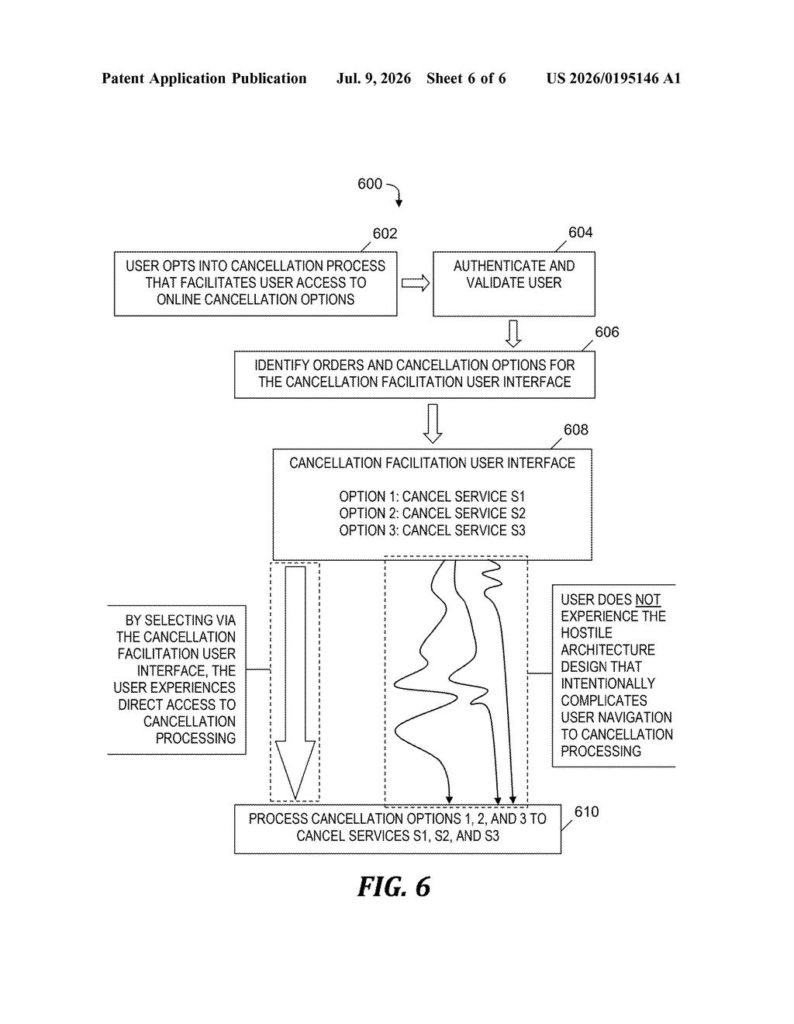
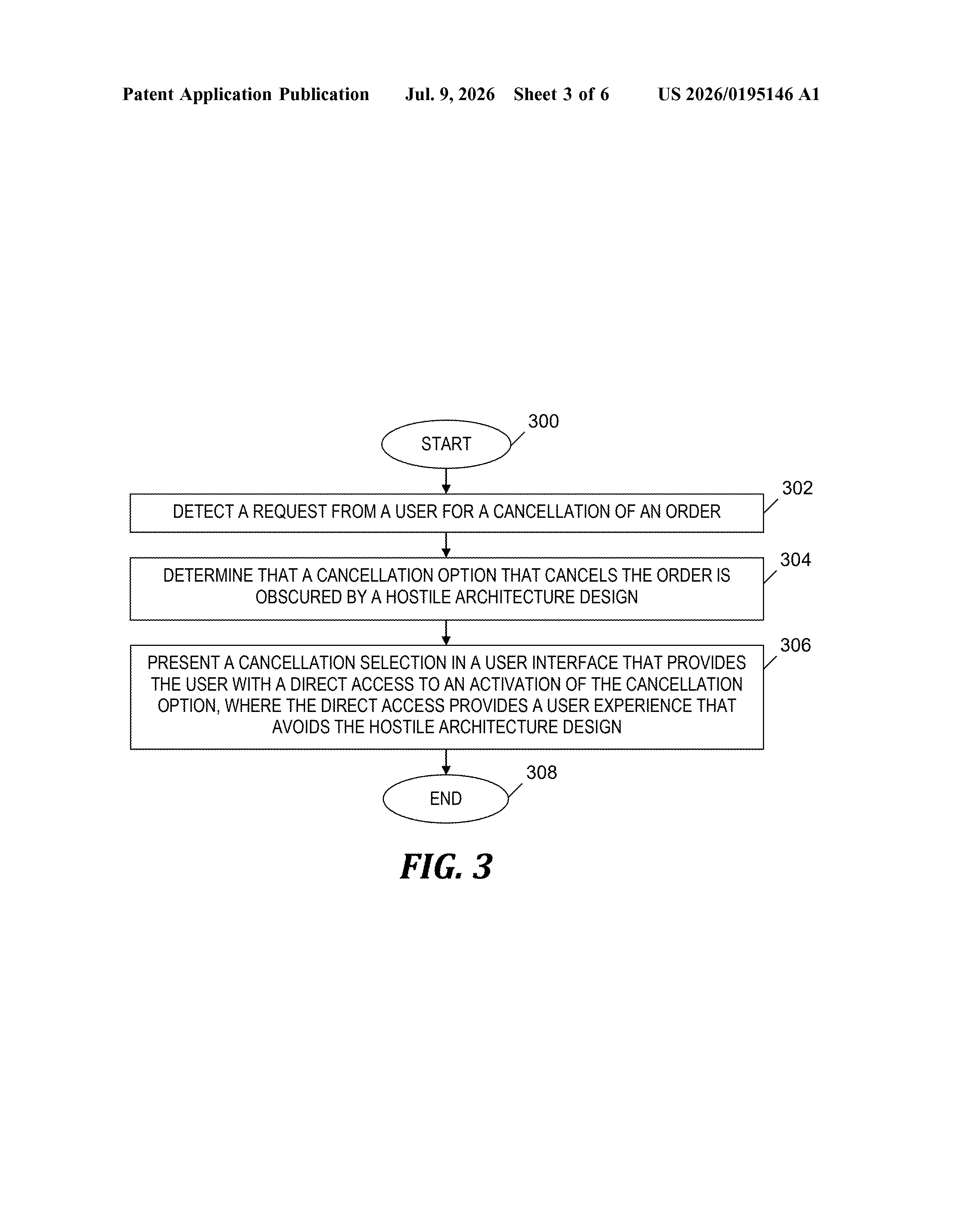
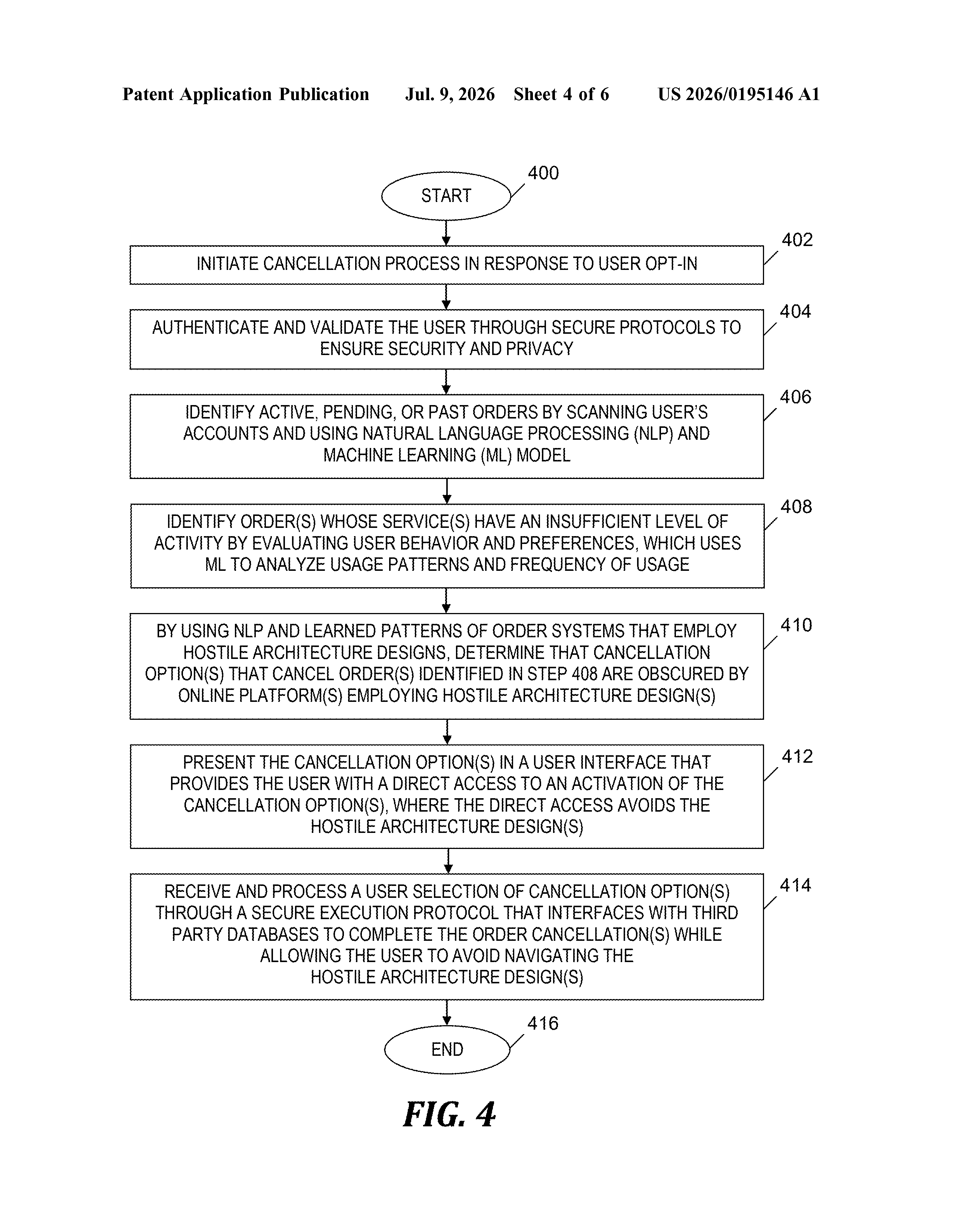
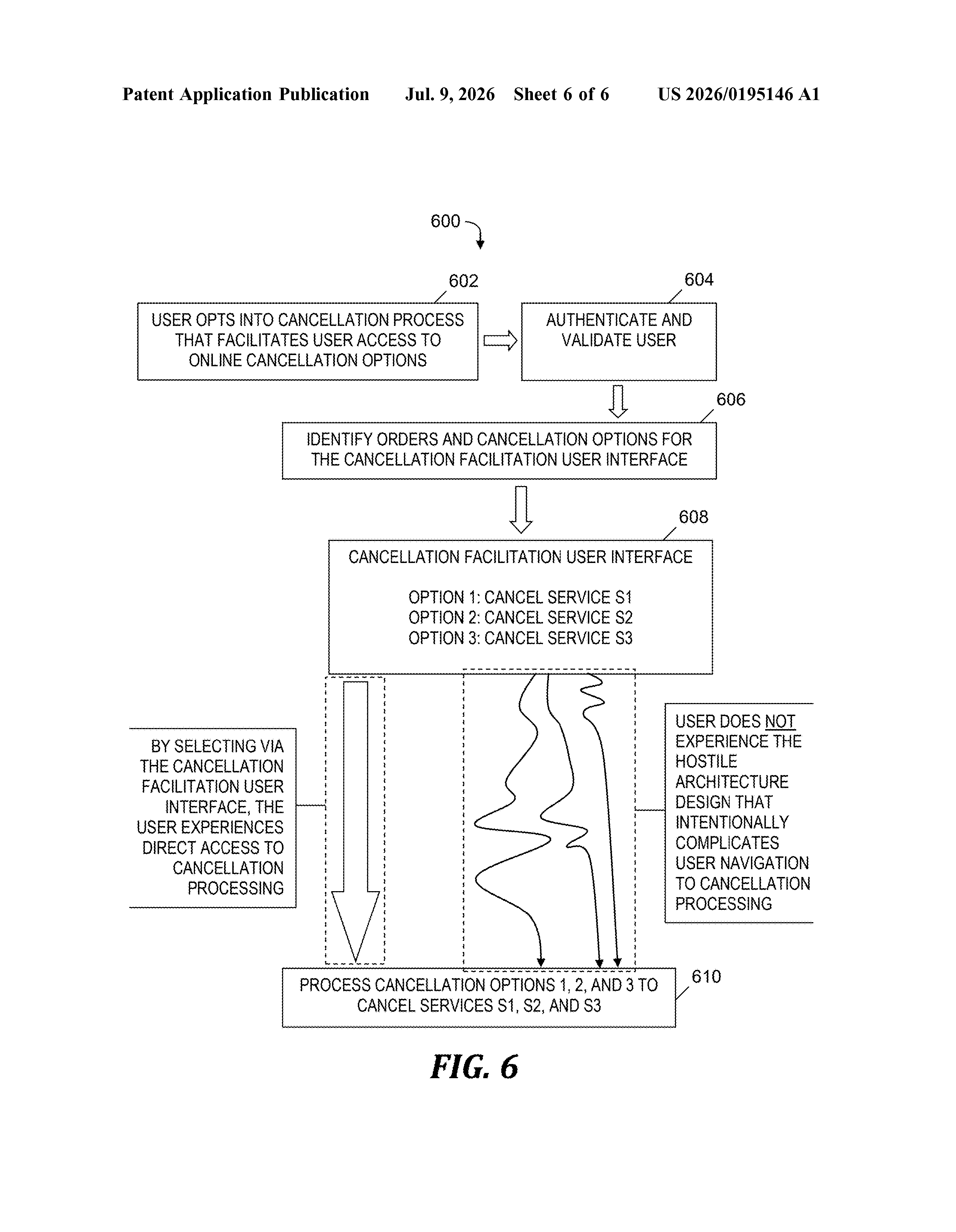
IBM's patent describes a tool that has learned to recognize those tricks. It scans the platform you're dealing with, figures out that a real cancellation option exists but is being deliberately hidden, and then presents a direct shortcut to that option inside its own interface, so you never have to fight through the maze at all.
Think of it as a browser assistant that already knows how a company tends to bury its cancel button and just takes you straight there. You get the cancellation done in seconds instead of spending twenty frustrating minutes hunting for a link a company clearly didn't want you to find.
How IBM's AI spots and bypasses dark-pattern cancellations
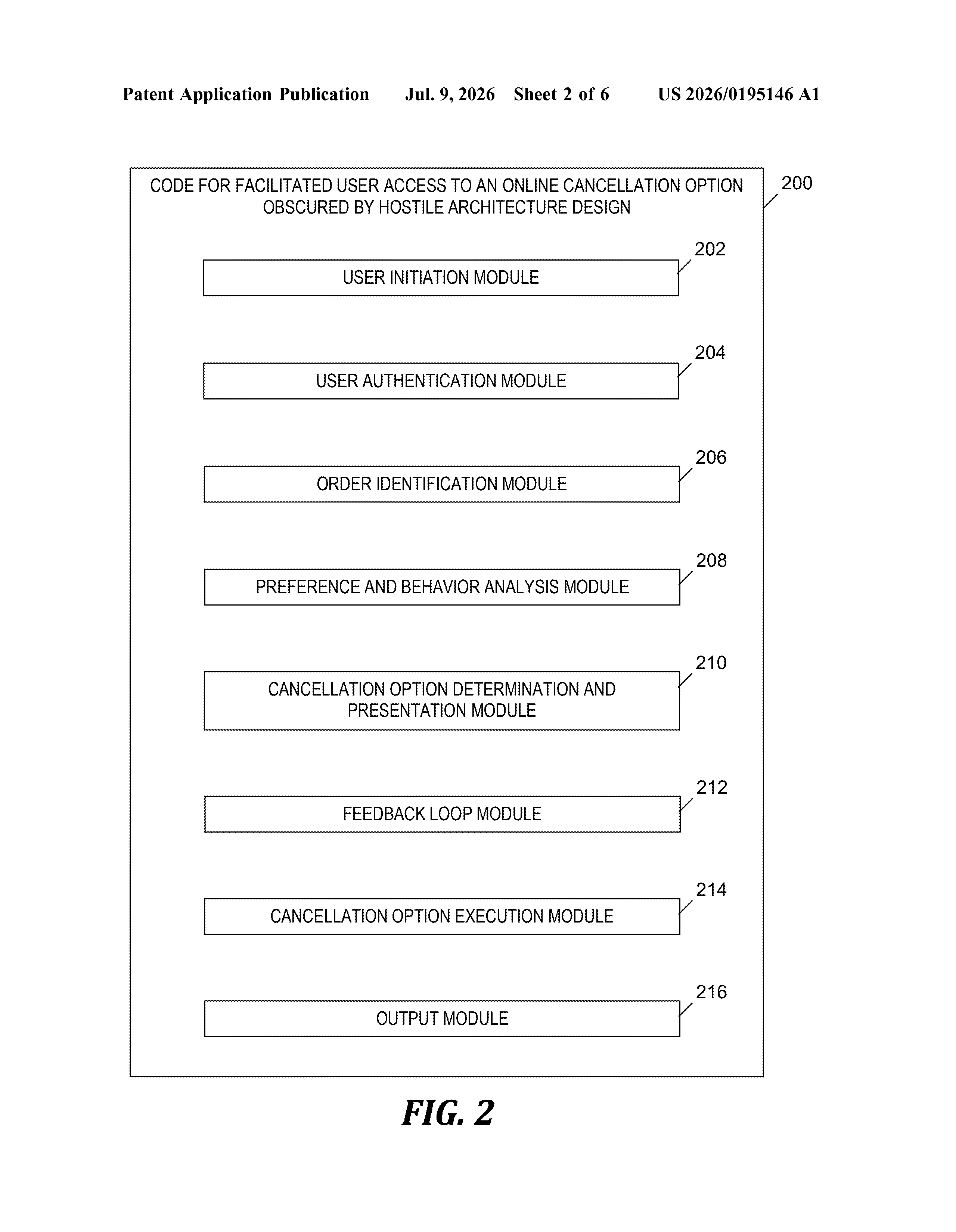
The system uses natural language processing (NLP), which means it reads and understands text on screen the way a person would, to analyze the structure of an online ordering or subscription platform. It's been trained on patterns from many different services that are known to use hostile design, so it can recognize the telltale signs even when the wording or layout changes.
Once it identifies that a cancellation option exists but is obscured, it doesn't try to redesign the hostile website. Instead, it surfaces a cancellation selection inside its own user interface, giving you a direct path to trigger that cancellation without managing the company's deliberately confusing flow.
The core claim covers:
- Using NLP and learned patterns to detect hidden or obstructed cancel options on online platforms
- Determining which orders or subscriptions are affected
- Presenting a clean, direct cancellation shortcut to the user that bypasses the platform's hostile design
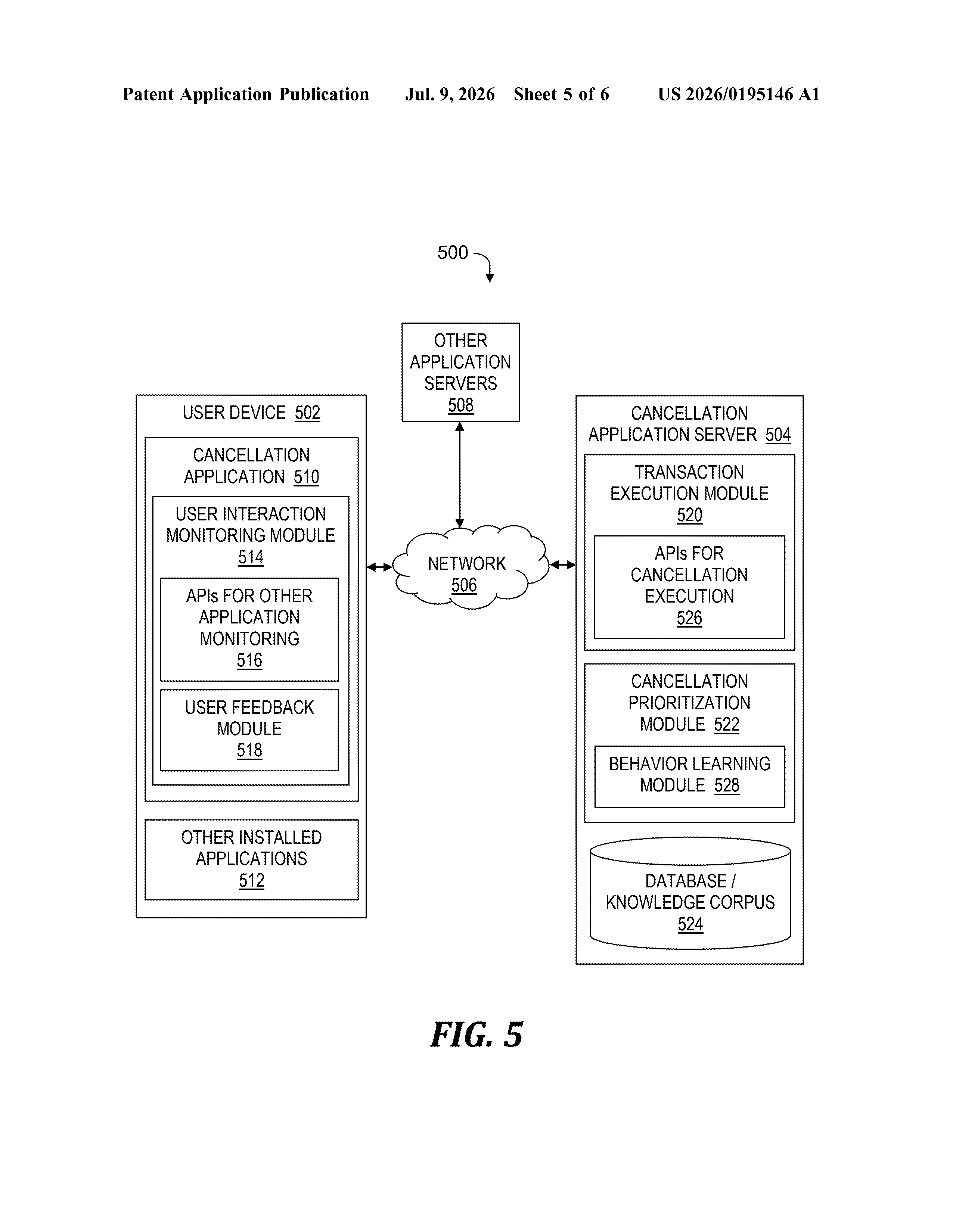
The system works at the layer between you and the website, essentially acting as an interpreter that already knows the tricks being played and routes around them.
What this means for subscription traps and consumer rights
Subscription dark patterns cost consumers real money every year. Streaming services, gym memberships, software trials, and news sites have all faced regulatory scrutiny and class-action suits over cancellation flows deliberately designed to confuse. A tool like this, built into a browser extension, enterprise software, or an AI assistant, could give ordinary people the same kind of friction-free exit that companies make available to their sales teams but hide from their customers.
From IBM's perspective, this fits into a broader trend of using AI not just to sell things but to protect the people doing the buying. If this technology ever ships in a consumer-facing product or gets licensed to a platform like a browser or operating system, it could put real pressure on companies to clean up their cancellation flows before an AI does it for them.
This is genuinely useful and a little overdue. Dark patterns in cancellation flows are one of the most universally hated parts of the modern internet, and regulators have been slow to catch up with enforcement. IBM is betting that AI can do in real time what consumer-protection agencies do years after the fact. Whether it ships or stays on a shelf is the real question.
Get our take in your Top Stories
Liked this breakdown? Add Patentlyze as a preferred source on Google, and our plain-English take shows up more often in your Top Stories the next time IBM patent news breaks.
There are more where this came from
We read every patent application Big Tech publishes and send you the ones worth knowing. Plain English, free, every week.
The drawings
6 drawing sheets from US 2026/0195146 A1 · click any drawing to enlarge
Want this weekly breakdown for a company we don't cover? Patentlyze Pro →