
IBM Patent Cuts Inference Short Once a Single Answer Is Confirmed
What if an AI could recognize that it already knows the answer and just stop thinking? IBM is patenting exactly that shortcut, built around a concept borrowed from neuroscience called the 'grandmother neuron.'
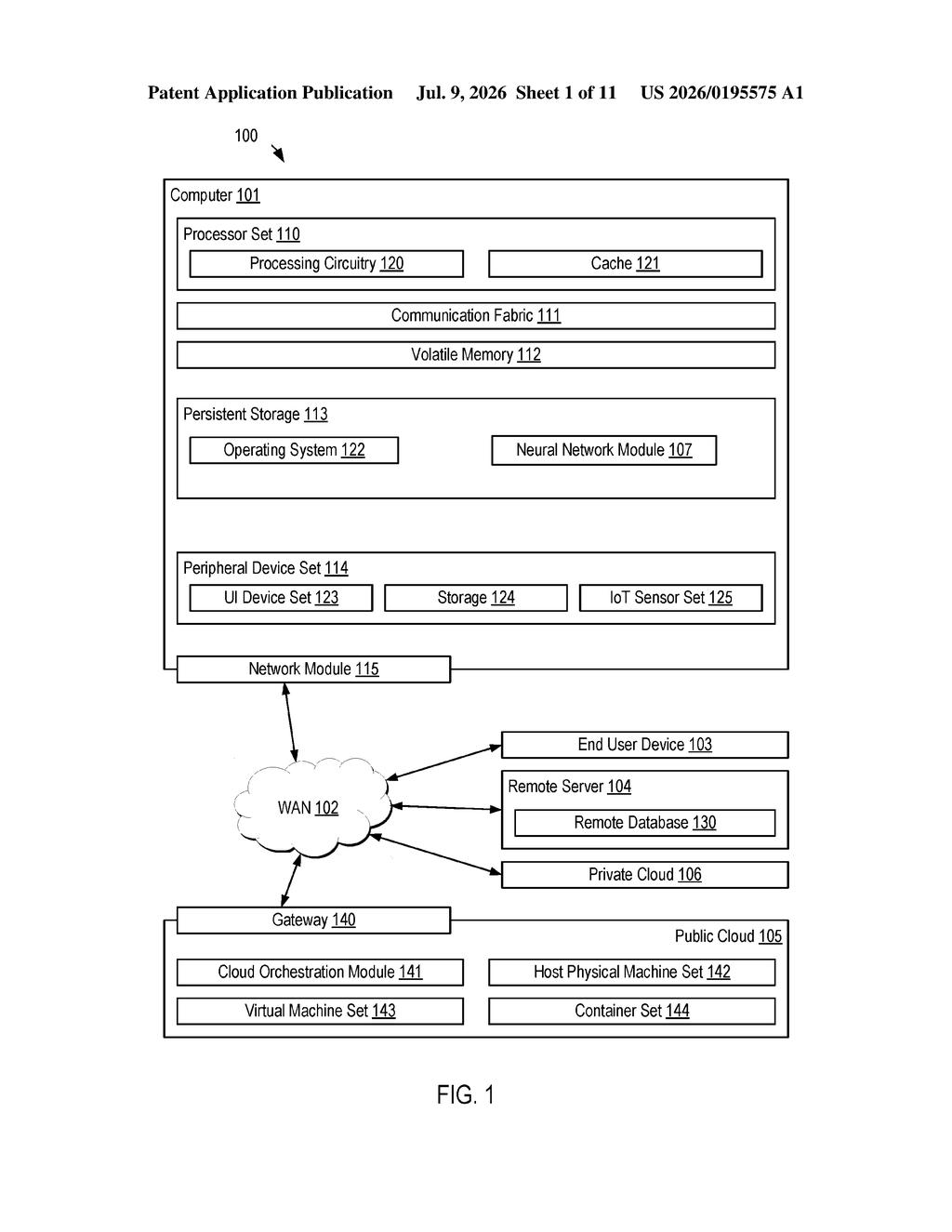
How IBM teaches an AI to quit while it's ahead
Imagine you're playing a word-association game and the very first clue is so specific that you know the answer instantly. There's no need to hear the rest of the clues. IBM is applying that same logic to AI.
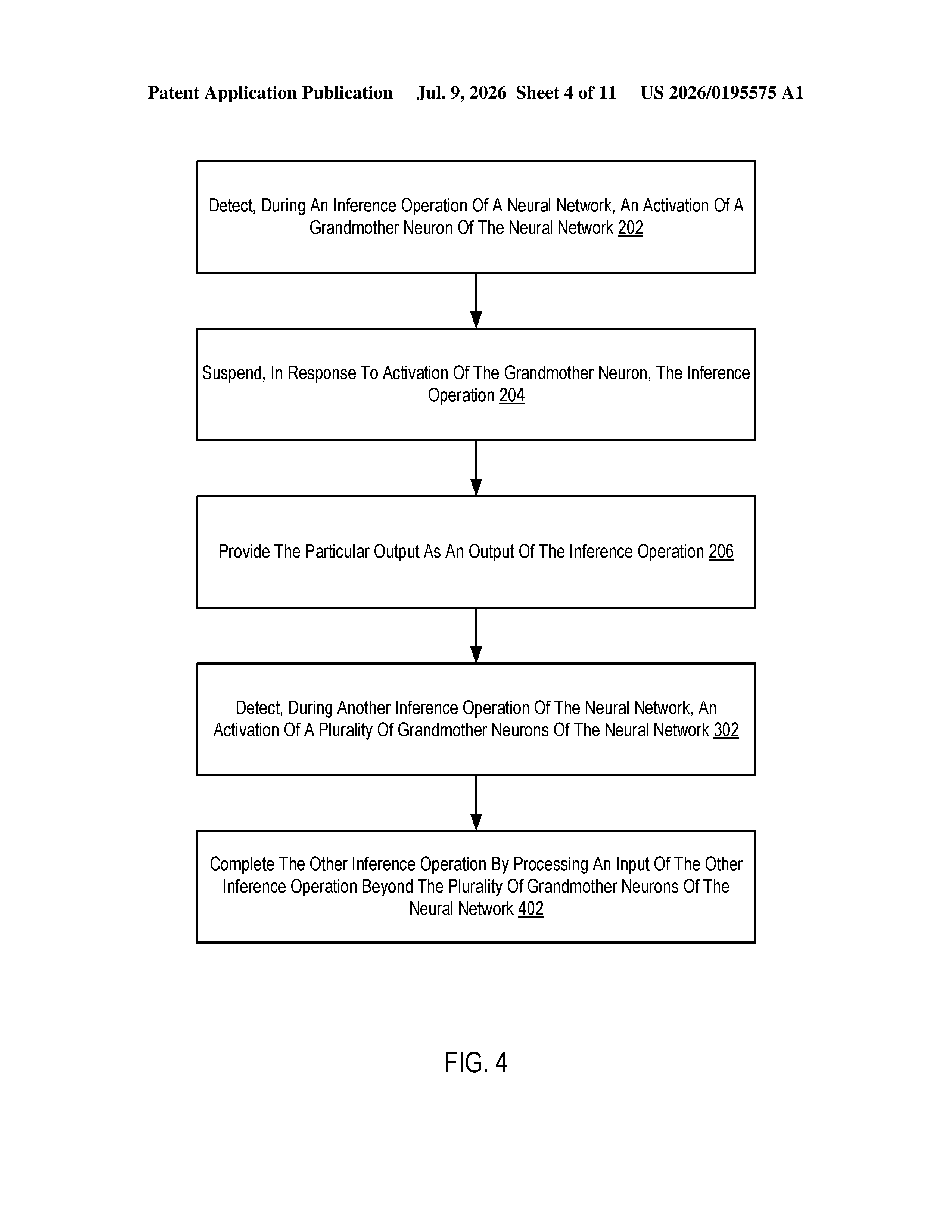
When an AI model processes something, like identifying an image or answering a question, it normally runs the input through many layers of calculations before producing an answer. IBM's patent describes a way to detect when a single internal signal fires that has always meant the same answer, with zero exceptions, during the AI's training. When that signal fires, the system skips the remaining steps and returns the answer immediately.
These special signals are called grandmother neurons, a term from brain science referring to a hypothetical neuron that fires only when you see your grandmother's face. In IBM's version, if that neuron lights up, the AI already knows what it's looking at. No need to keep processing.
How the grandmother neuron triggers an early exit
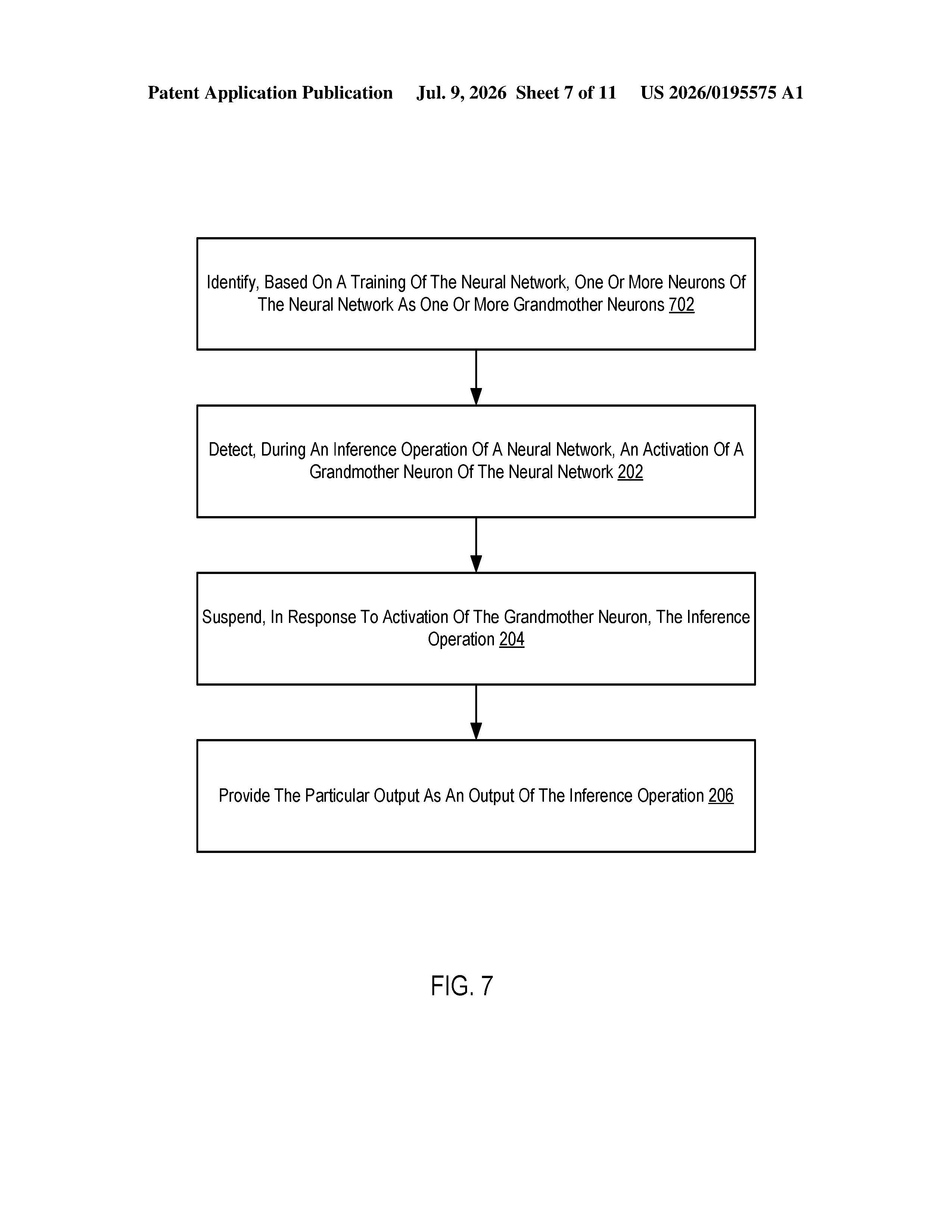
The patent describes a method for early exit inference in neural networks, triggered by what IBM calls a grandmother neuron. During a neural network's training phase (when it learns from data), researchers identify neurons that fire exclusively for one specific output and never for any other. These are the grandmother neurons.
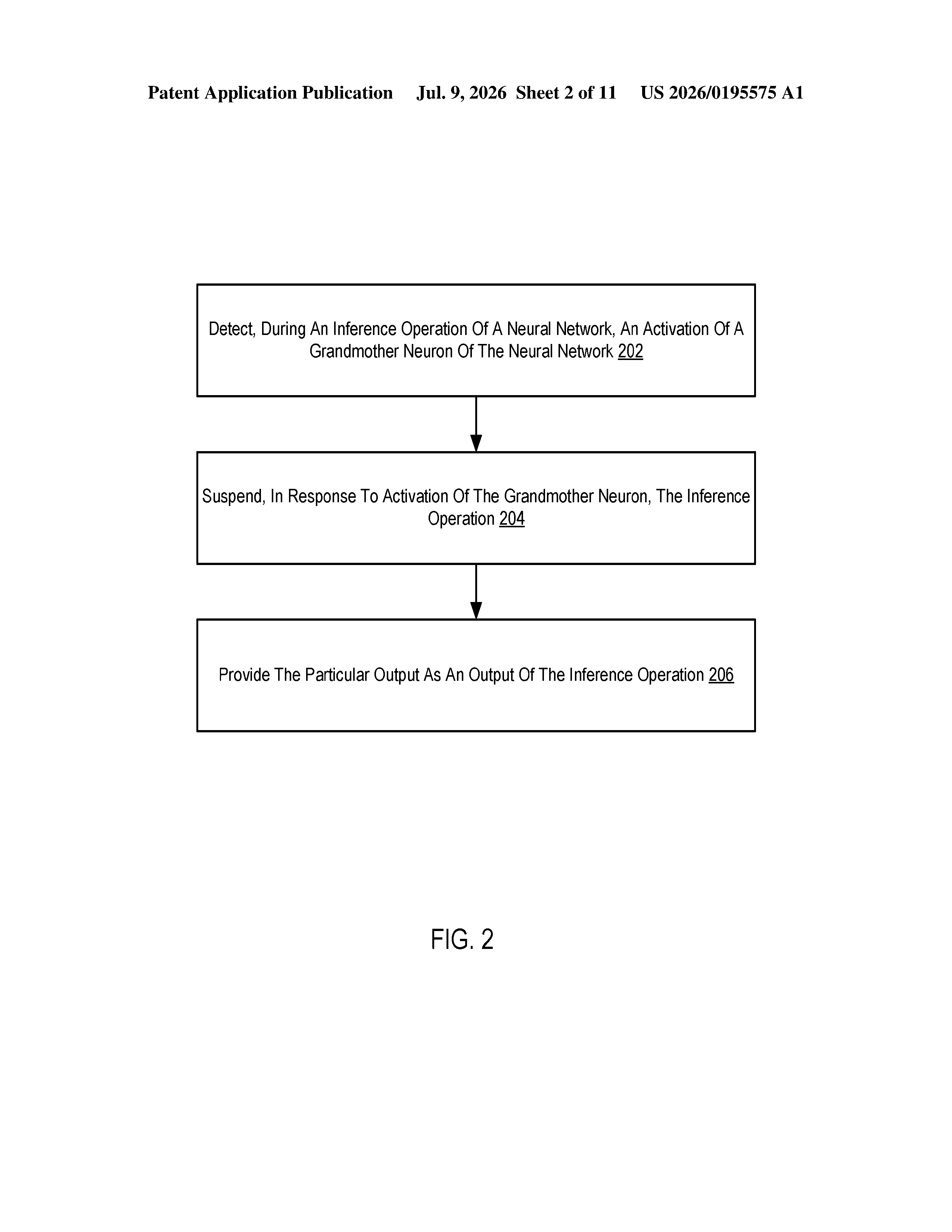
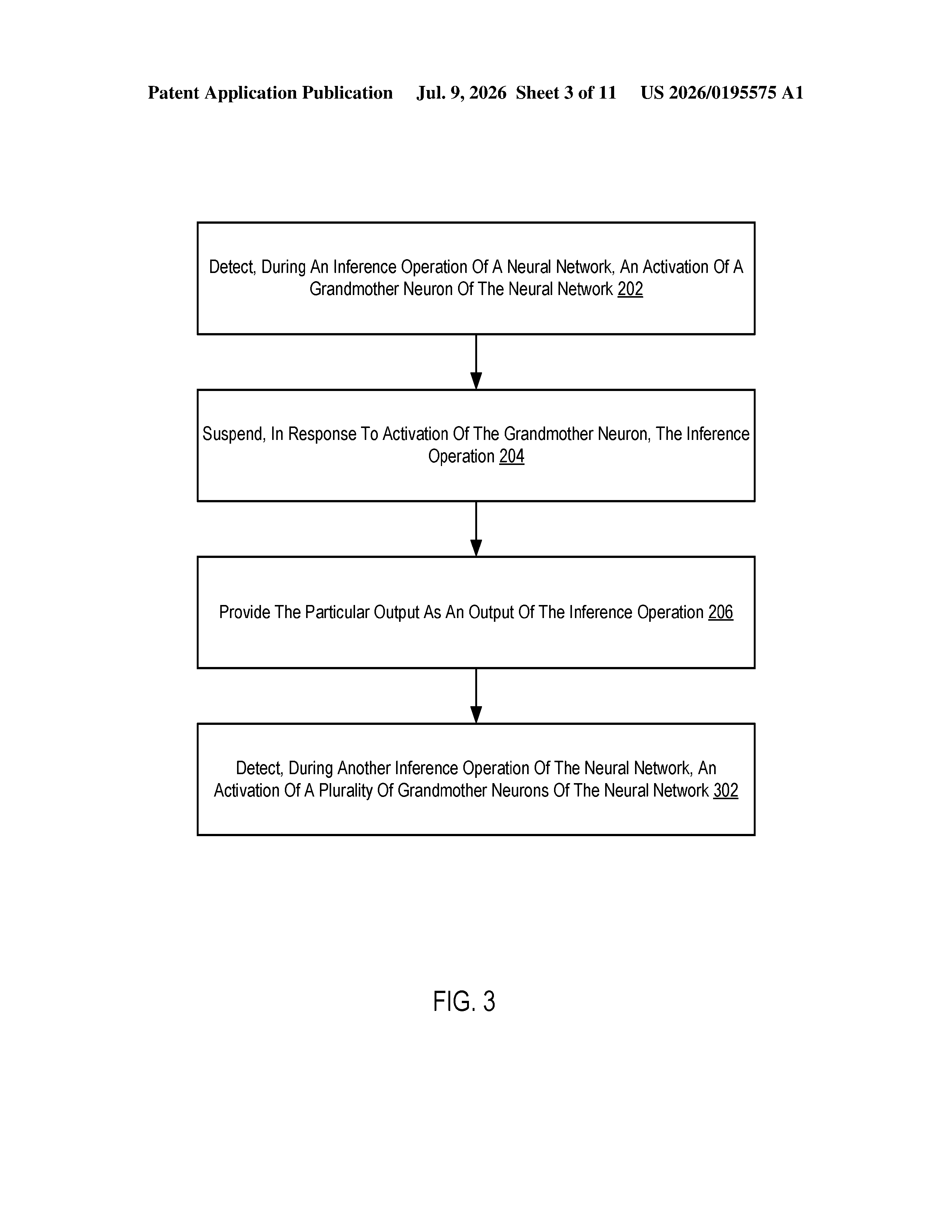
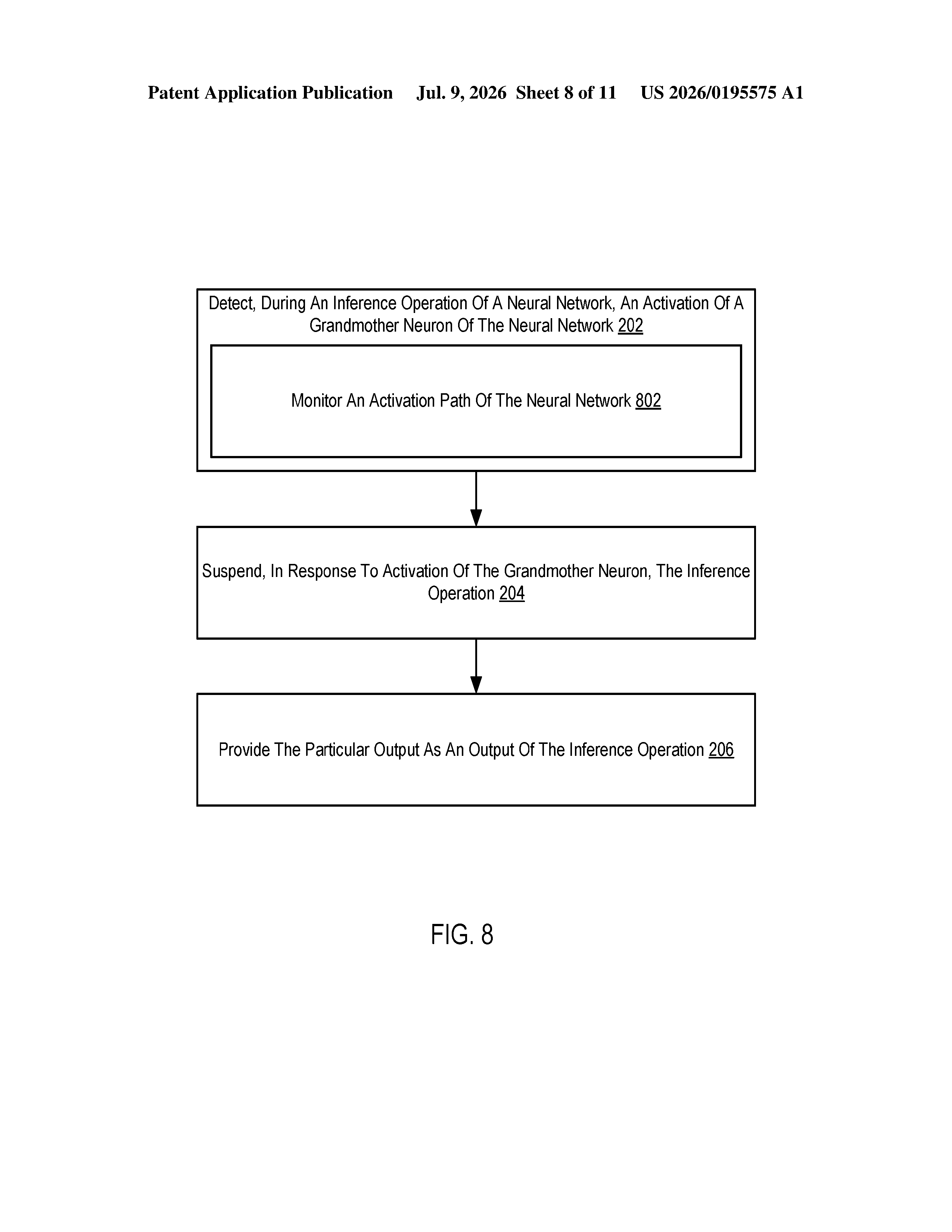
Once the model is deployed and running in the real world (the inference phase, where it's actually making decisions), the system monitors for those neurons to activate. The steps are:
- The network begins processing an input normally, layer by layer.
- If a grandmother neuron fires mid-process, the system pauses all further calculation.
- The output that neuron exclusively represents during training is returned immediately as the final answer.
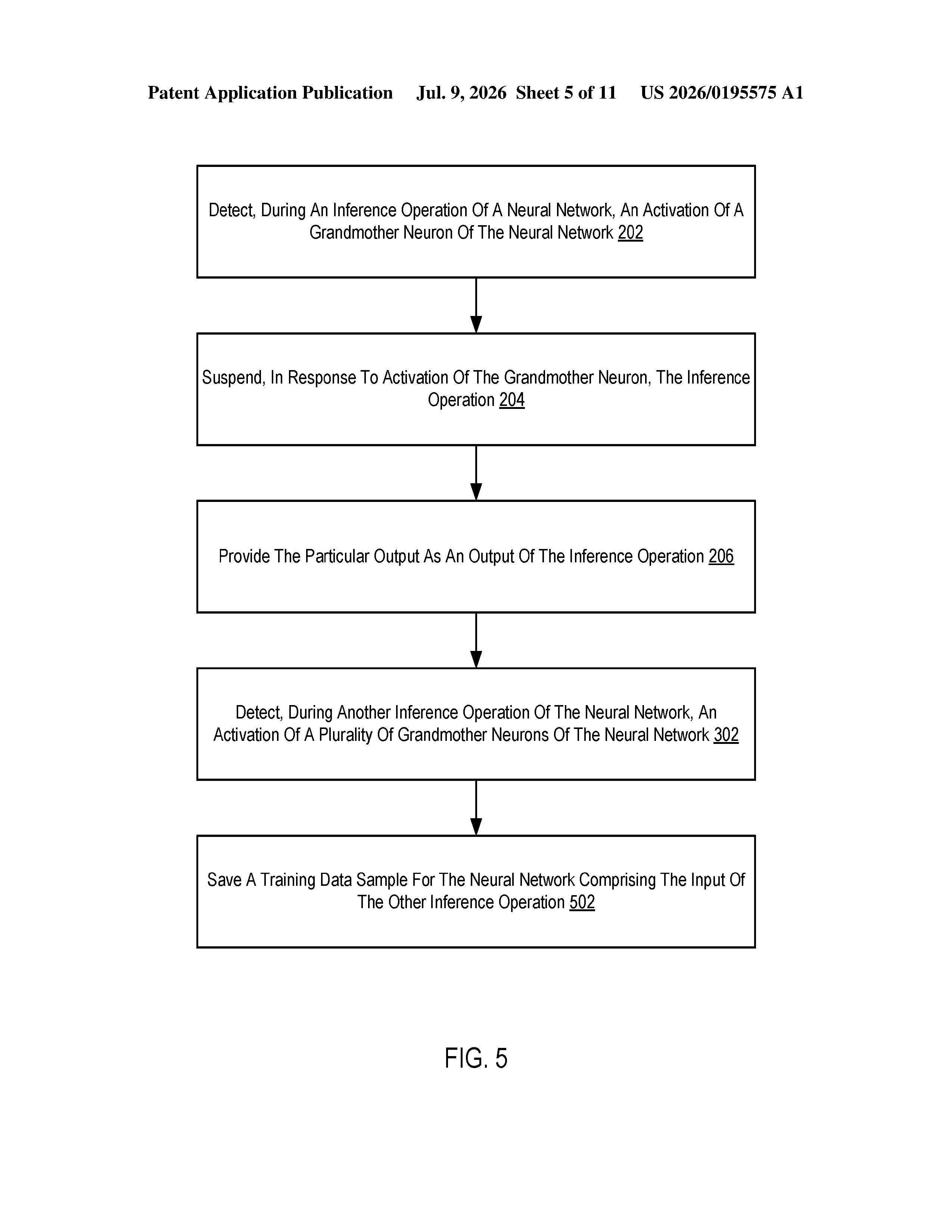
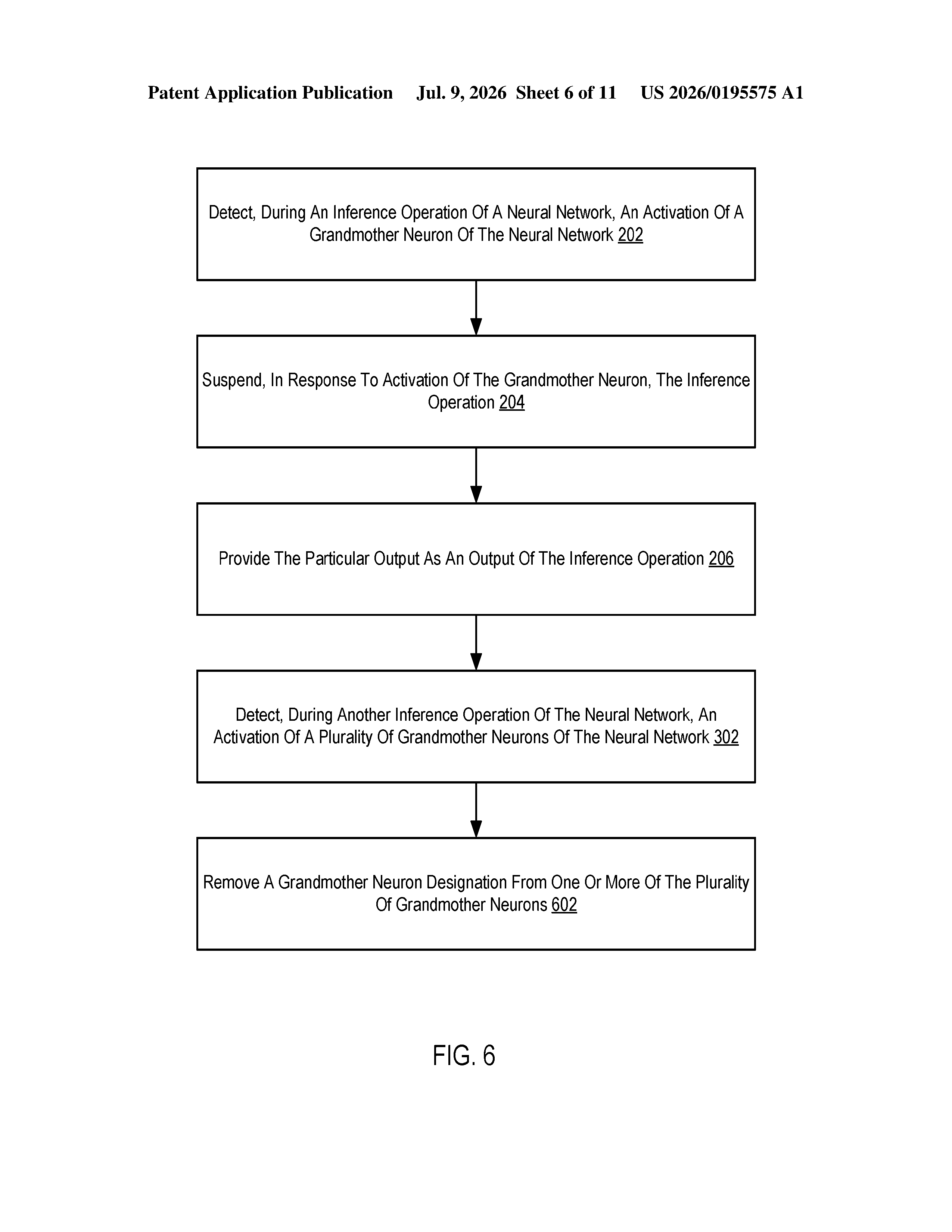
This works because the grandmother neuron's activation is, by definition, a perfect predictor of that output. There is no ambiguity to resolve. The patent also covers detecting these neurons in the first place, using training data to verify that a neuron's activation pattern is truly exclusive to one output before tagging it as a grandmother neuron.
The concept is most useful for inputs that fall into a category the model knows extremely well, where running the full network is pure overhead.
What early AI exit means for compute costs and speed
Neural network inference is expensive. Running a large AI model on a server costs money per query, and on a device like a phone or an embedded chip it drains power. Any technique that legally skips work the model doesn't actually need to do has real commercial value. IBM's approach doesn't require retraining the model or changing its architecture. It layers on top of an existing trained network, which makes it relatively easy to apply broadly.
The practical limits matter, though. Grandmother neurons only exist for outputs the model encountered very consistently during training, so this shortcut won't fire on ambiguous or unusual inputs. For high-volume, well-defined classification tasks, such as spam detection, defect recognition in manufacturing, or medical image screening for common conditions, the savings could add up fast.
This is a genuinely useful idea that addresses a real cost problem in AI deployment, and IBM's framing around the neuroscience concept of grandmother neurons gives it a clean, testable definition. The main question is how often these perfectly exclusive neurons actually appear in large modern networks, where representations tend to be distributed rather than concentrated in single neurons. If they're rare, the patent's practical impact shrinks considerably.
Get our take in your Top Stories
Liked this breakdown? Add Patentlyze as a preferred source on Google, and our plain-English take shows up more often in your Top Stories the next time IBM patent news breaks.
There are more where this came from
We read every patent application Big Tech publishes and send you the ones worth knowing. Plain English, free, every week.
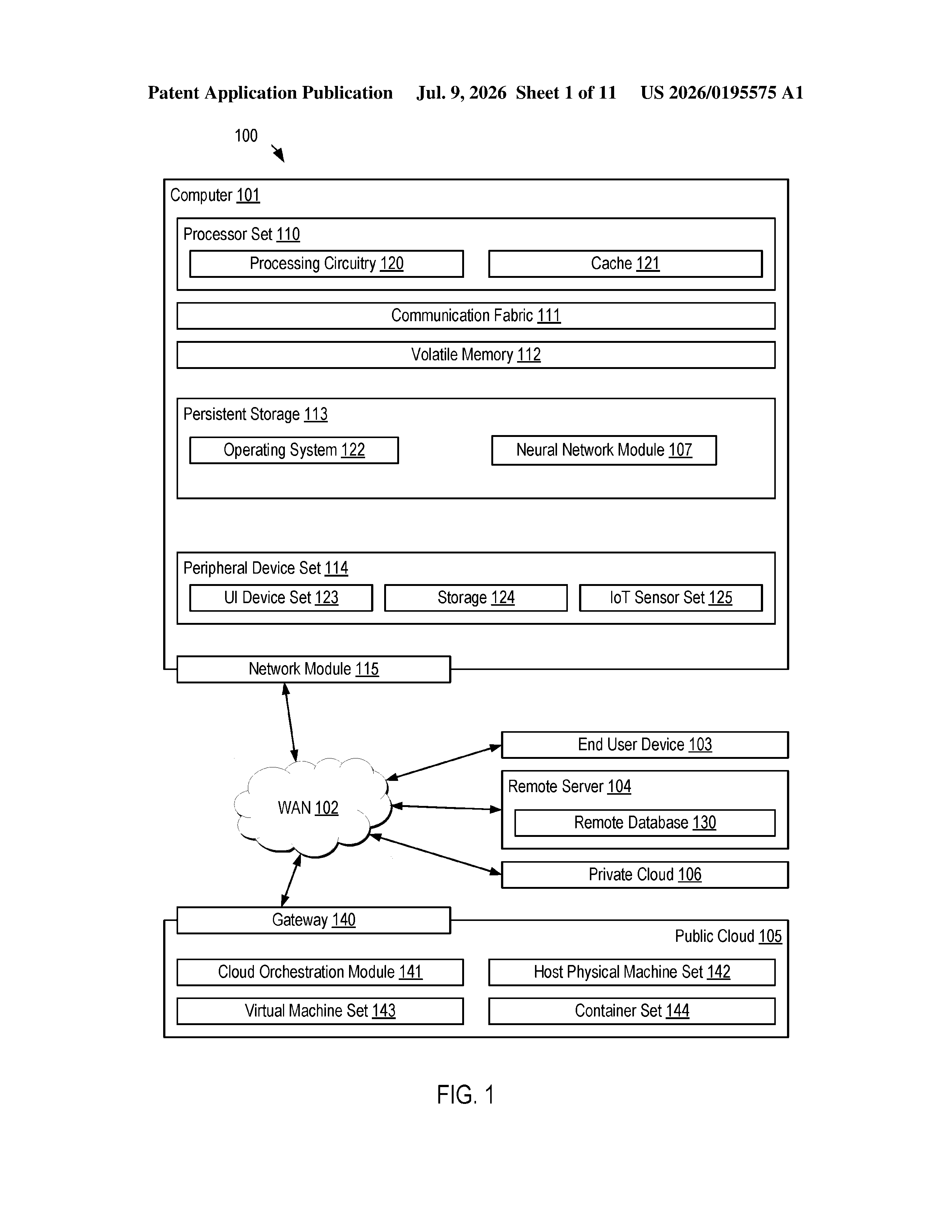
The drawings
11 drawing sheets from US 2026/0195575 A1 · click any drawing to enlarge
Want this weekly breakdown for a company we don't cover? Patentlyze Pro →