
Samsung Patents a Fix for Audio-Video Stream Conflicts in Emergency Radio Networks
When police officers or firefighters transmit video and audio over a push-to-talk network, two streams can accidentally get the same ID number, causing receivers to confuse or drop one of them. Samsung's patent describes a server that hands out unique IDs before anyone starts transmitting, so that never happens.
What Samsung's SSRC collision fix actually does
Imagine a radio dispatcher receiving a live video feed and voice call from a firefighter at the same time. Behind the scenes, both the audio and the video are labeled with ID numbers so the receiving equipment knows which is which. The problem: if two senders happen to pick the same ID number, the receiver gets confused and one stream can be lost or scrambled.
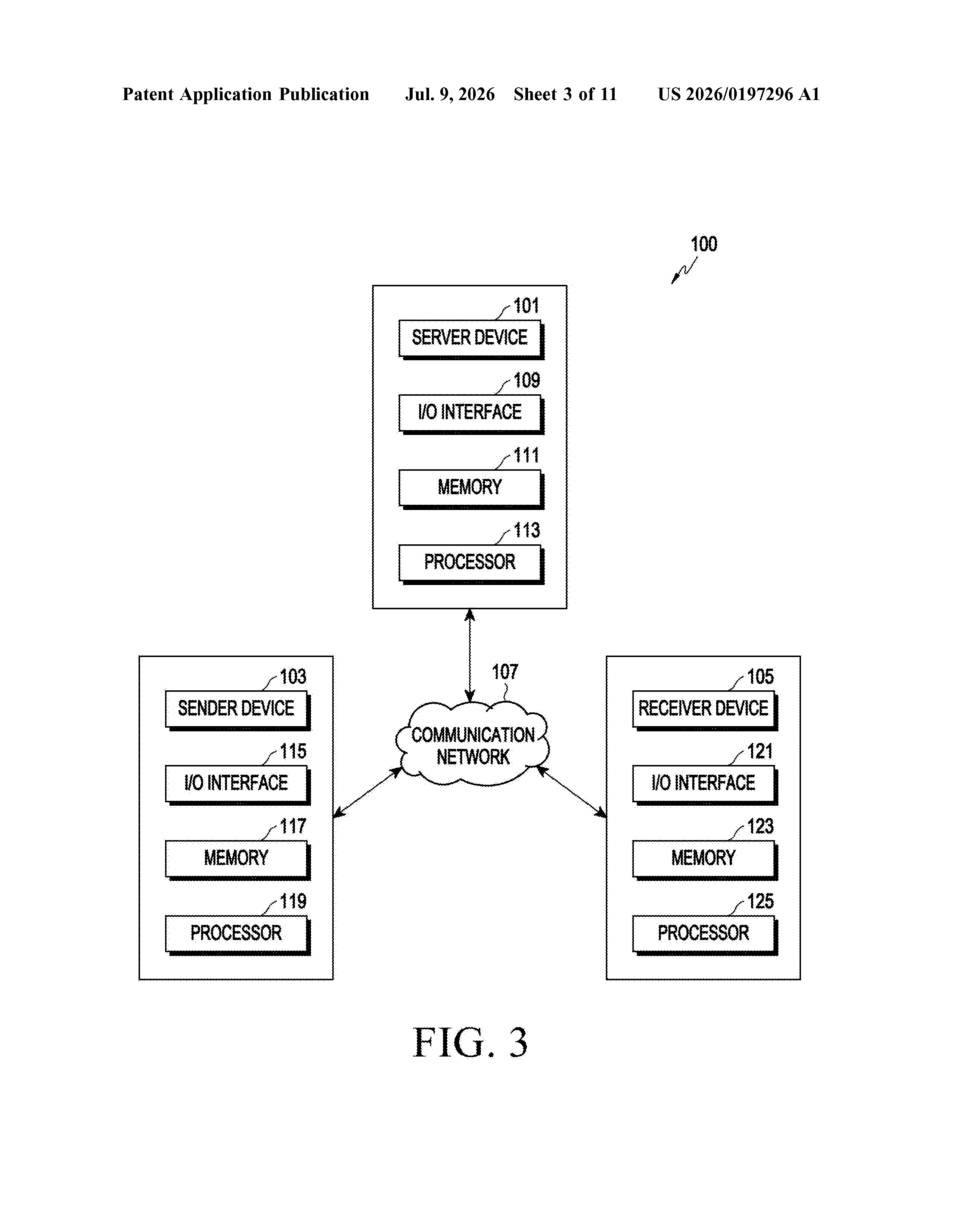
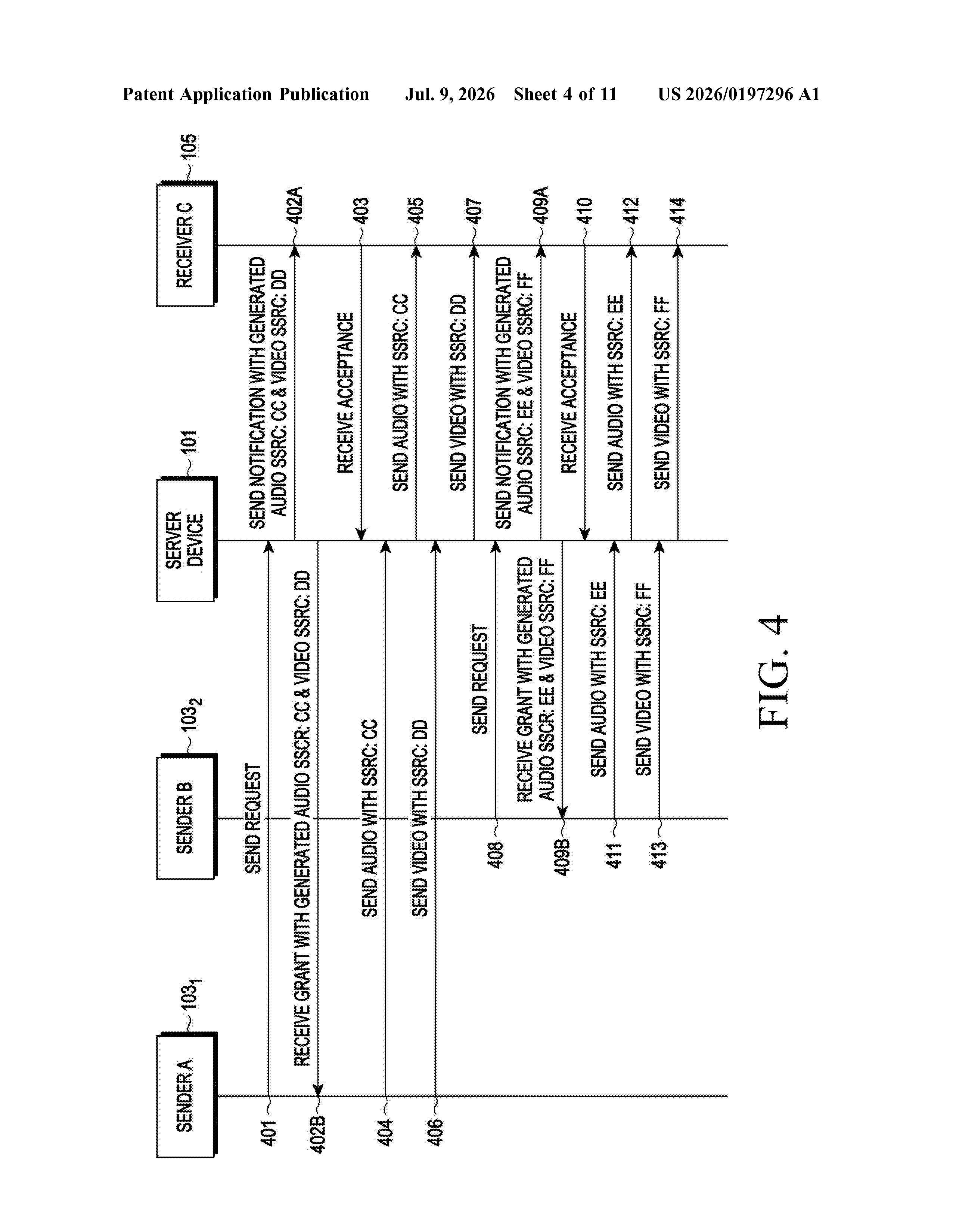
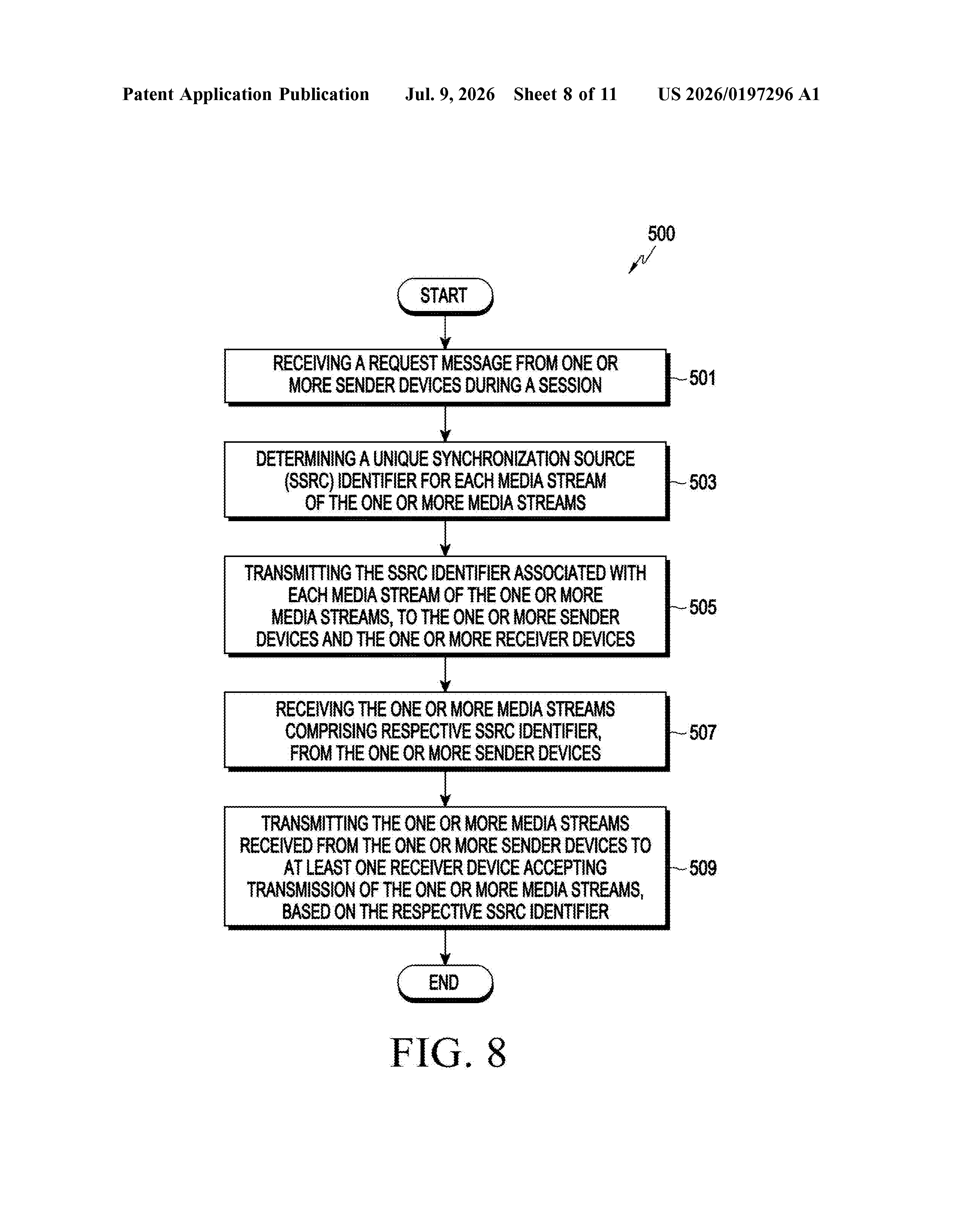
Samsung's patent describes a server that steps in before anyone starts sending. When a sender asks permission to transmit, the server picks a unique ID for the audio stream and a separate unique ID for the video stream, then sends those IDs to both the sender and the receiver. Both sides are already in agreement before a single frame of video or a single word of audio travels across the network.
This matters most in mission-critical push-to-talk networks, the kind used by first responders and military units where a dropped or garbled stream during an emergency is not just inconvenient but potentially dangerous.
How the server assigns unique stream IDs before transmission
The patent targets a specific technical headache in MCX (Mission Critical Services) networks, which are the standardized communication systems used by emergency services running on 4G and 5G infrastructure.
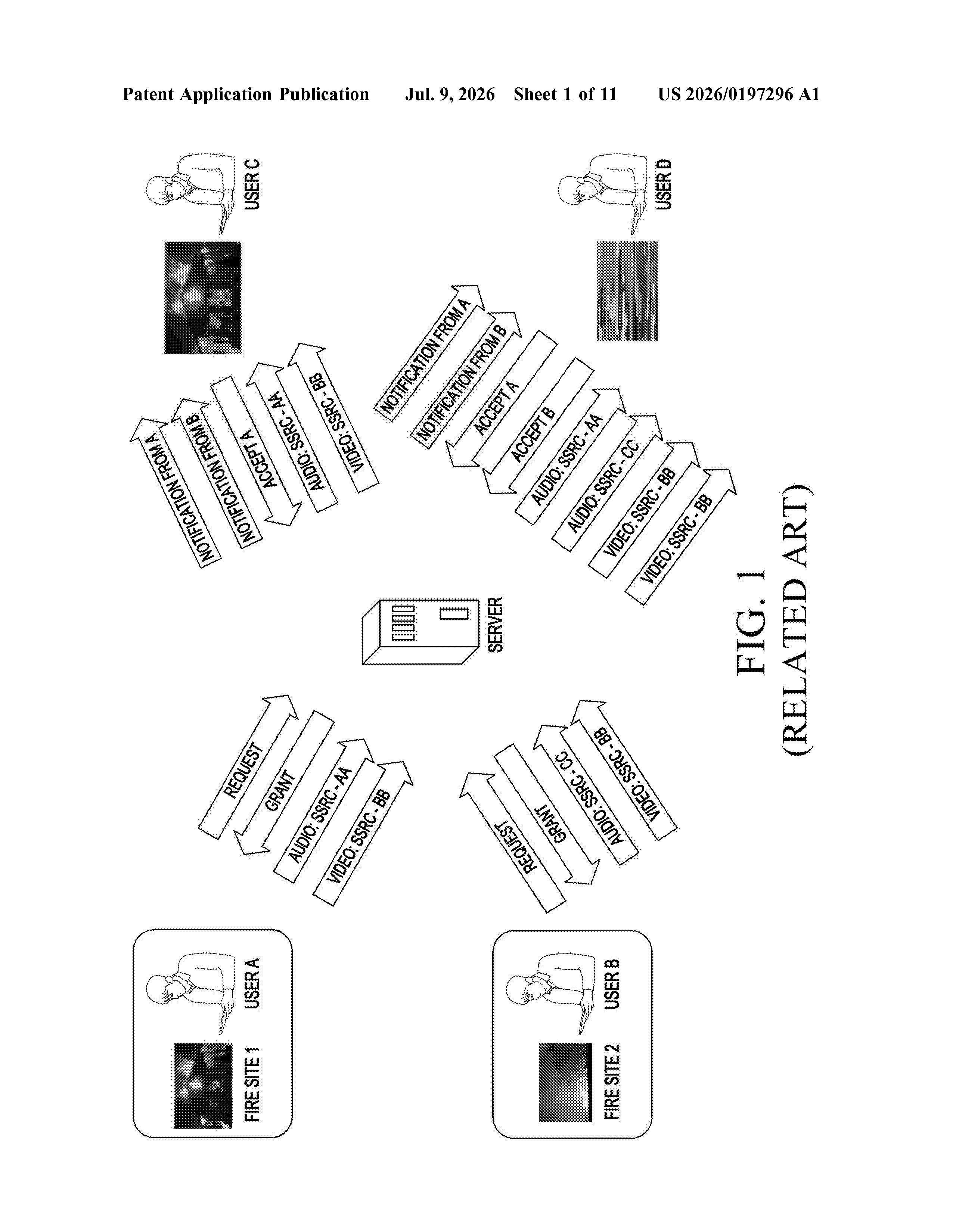
In these networks, audio and video are sent as separate RTP (Real-Time Transport Protocol) streams, each tagged with a Synchronization Source identifier (SSRC), a 32-bit number that tells receivers which packets belong together. The problem is that SSRC numbers are often chosen randomly by the sender. When multiple senders are active in the same session, two can accidentally pick the same number, causing an SSRC collision that disrupts playback or decoding.
The patent's solution is a server-managed approach:
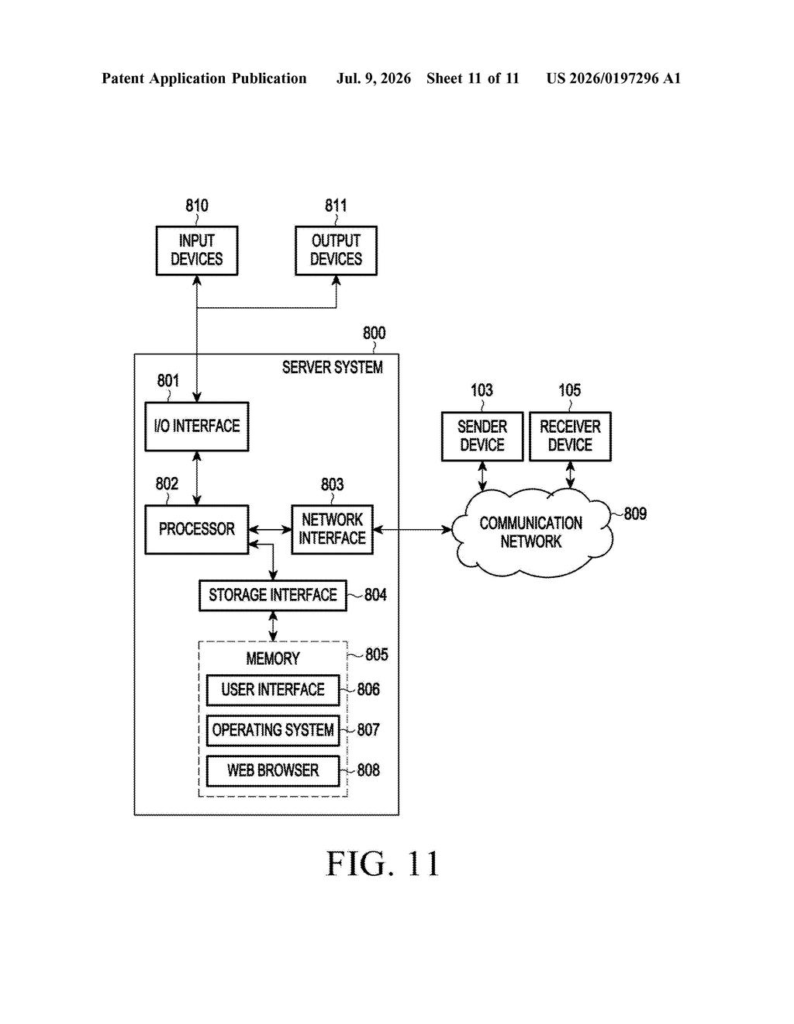
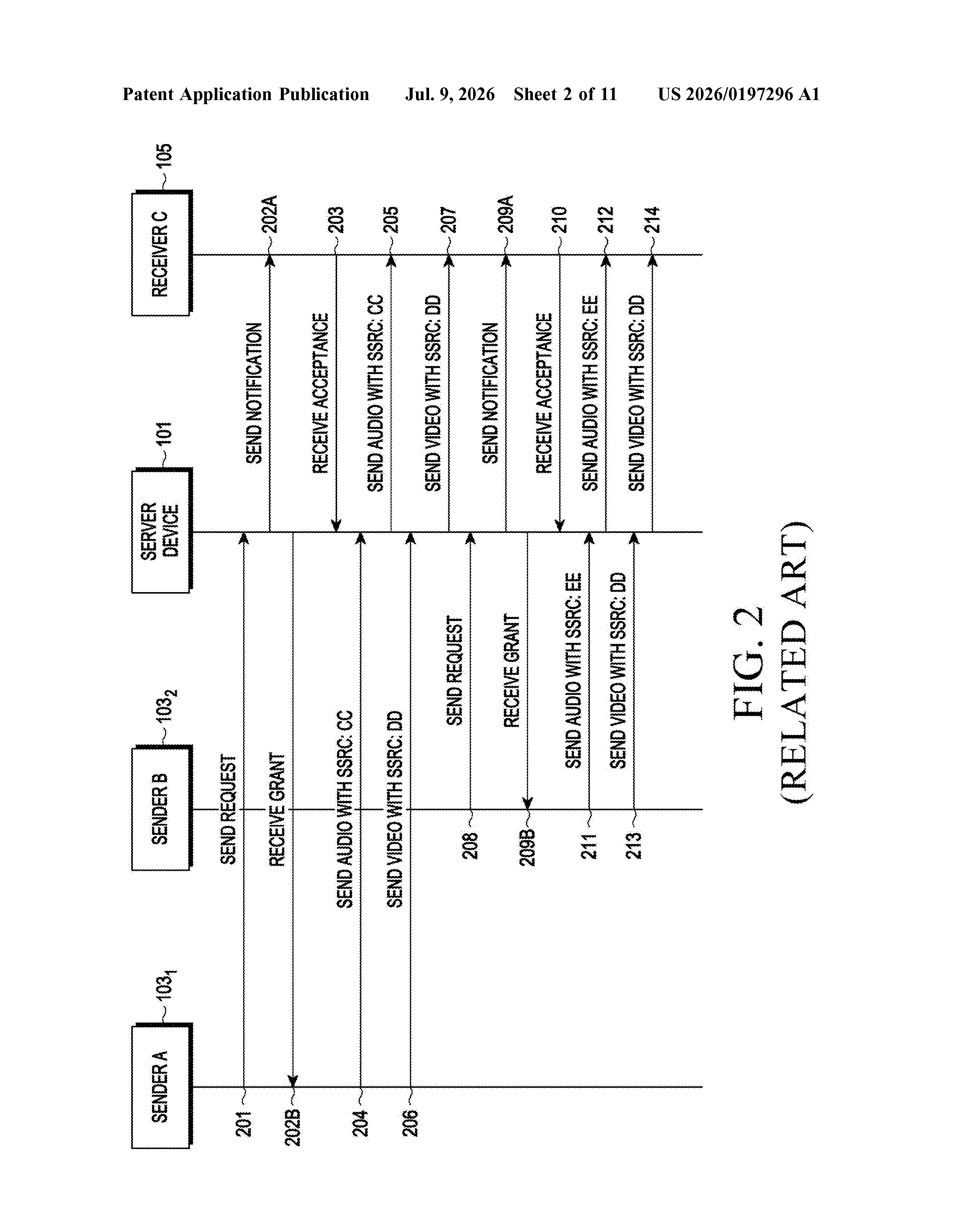
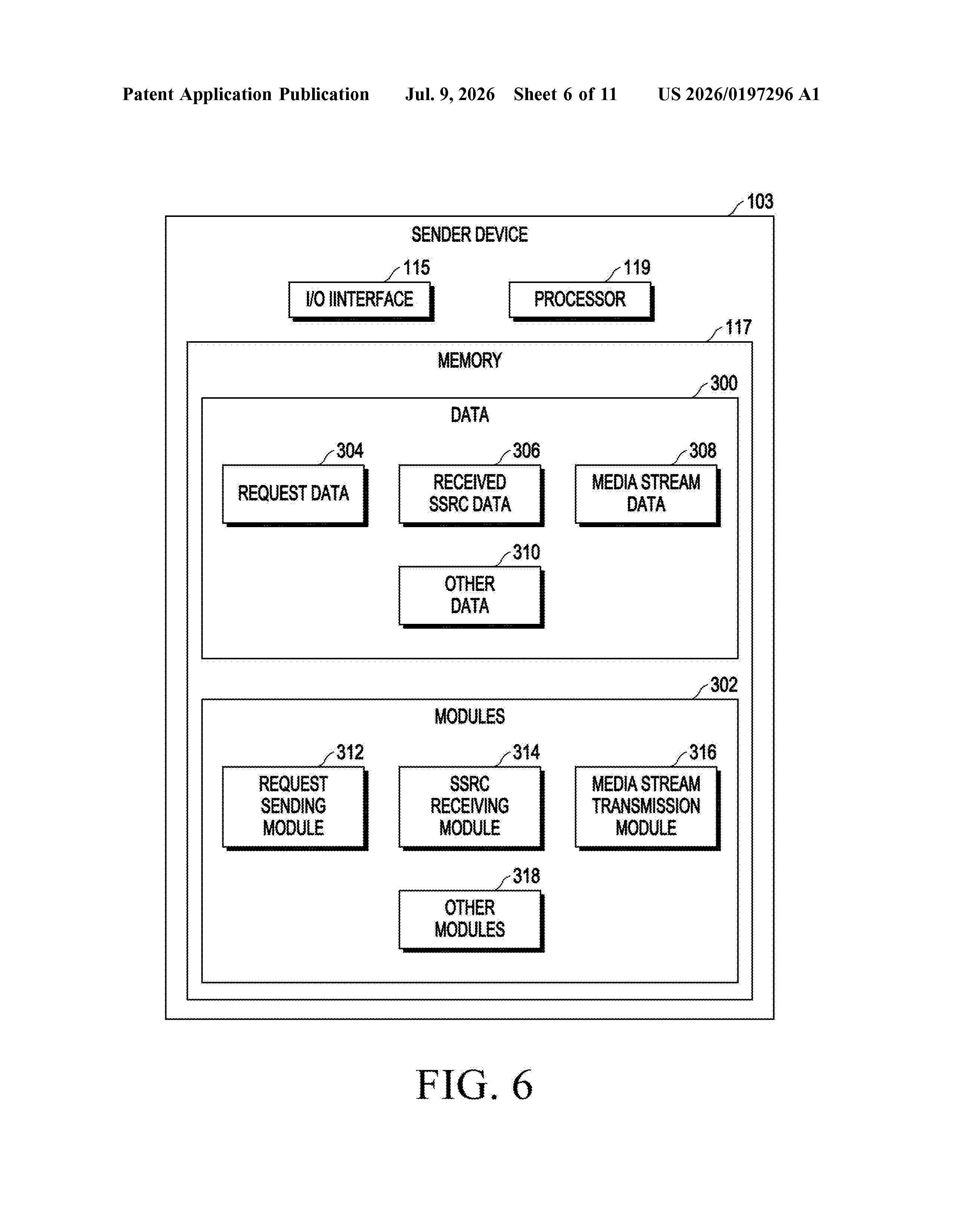
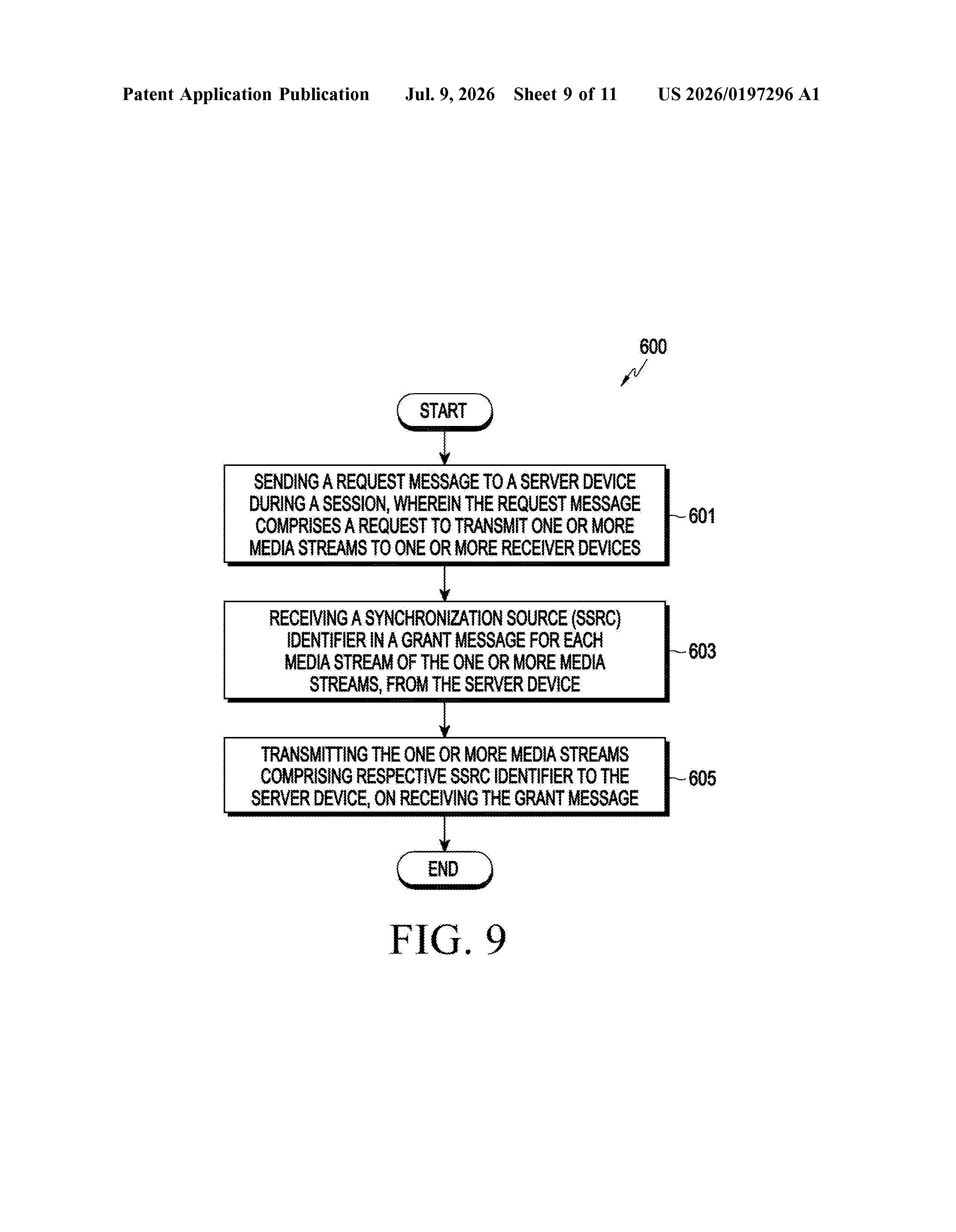
- A sender device sends the server a transmission media request asking to broadcast audio and video.
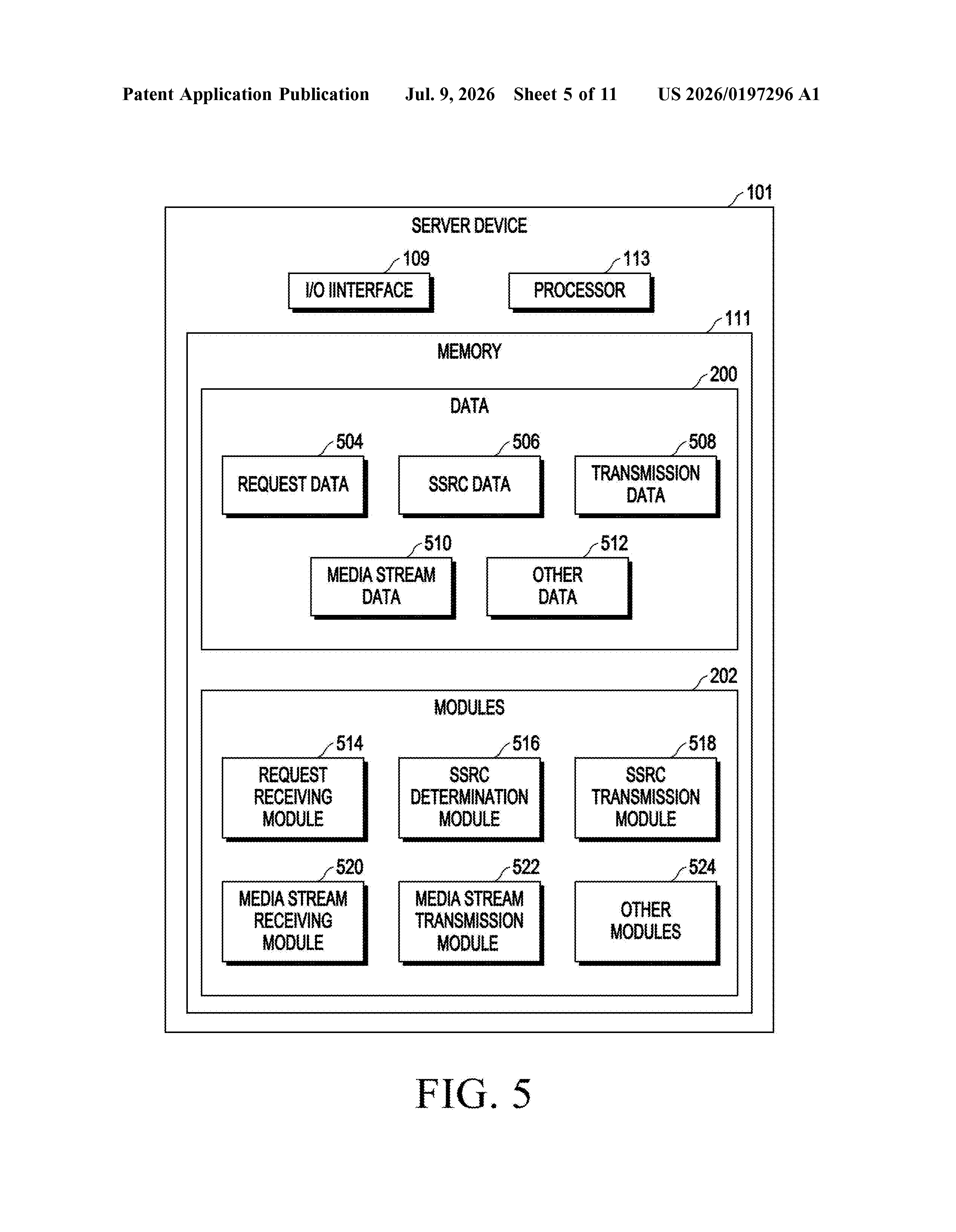
- The server centrally assigns a unique SSRC for the video stream and a separate unique SSRC for the audio stream, guaranteeing no two streams in the session share an ID.
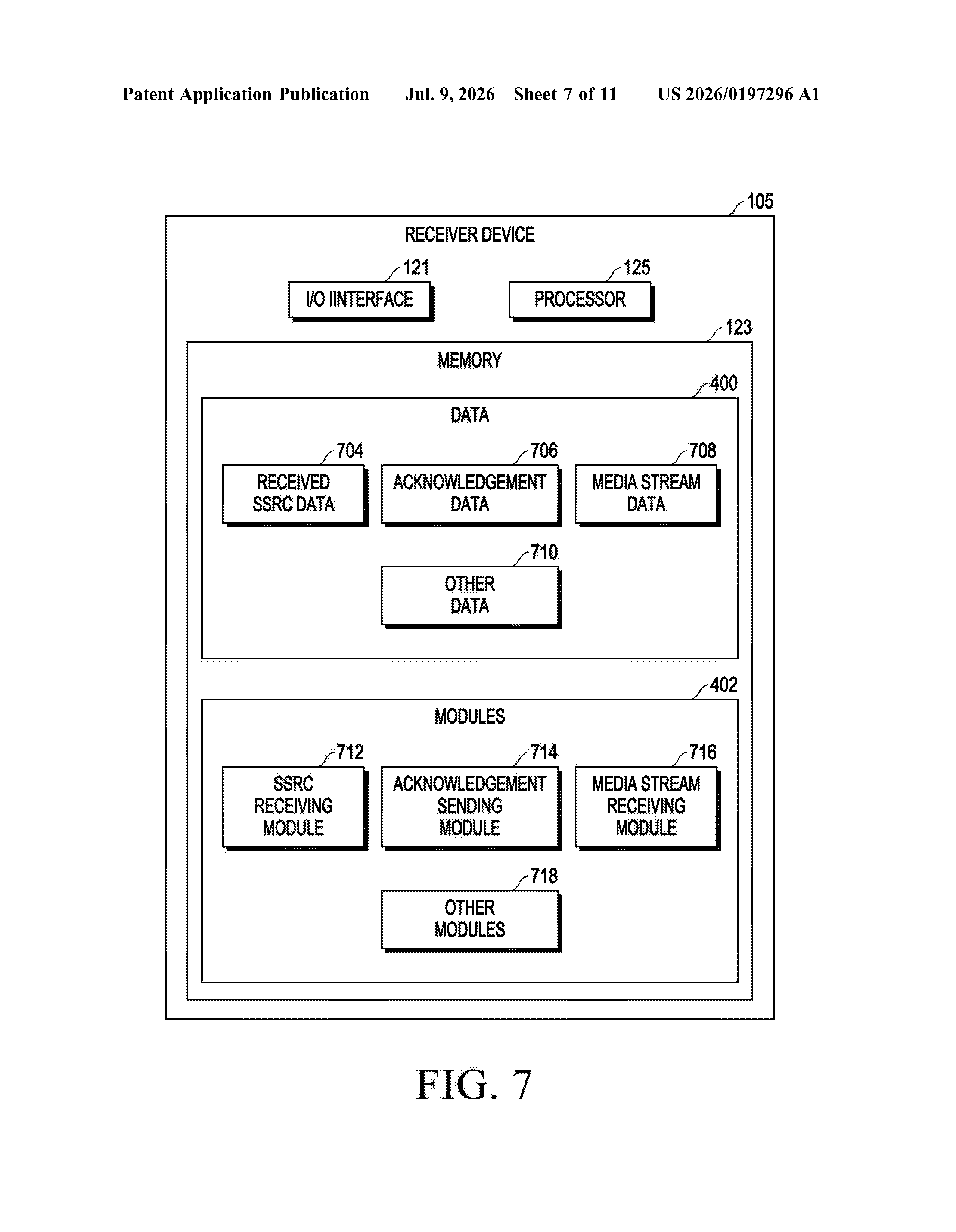
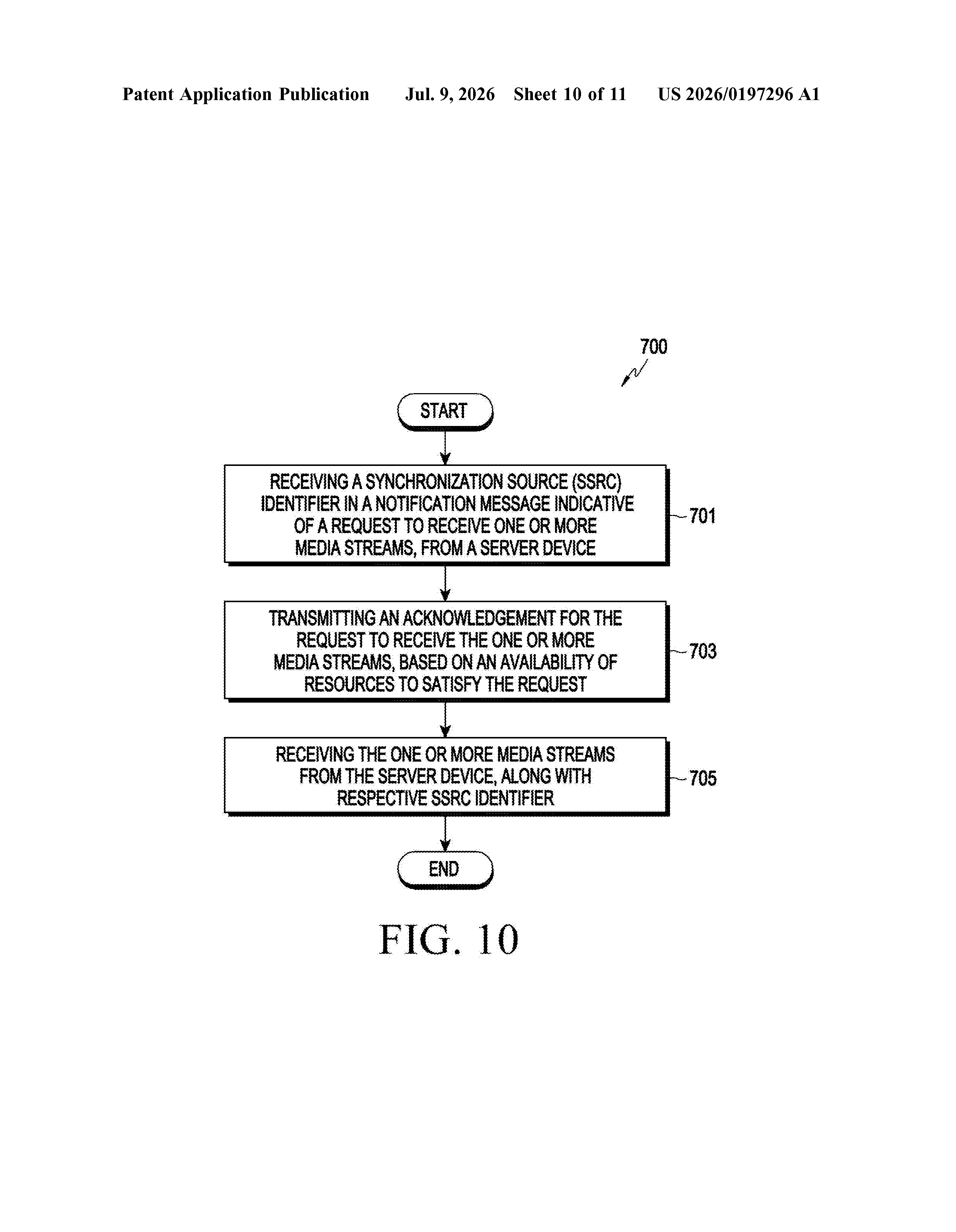
- The server sends a transmission granted message back to the sender with those assigned IDs, and separately notifies all receivers with the same IDs.
Because the server owns the ID assignment process, collisions are structurally impossible rather than just statistically unlikely.
What this means for first-responder communication systems
For first-responder networks, reliability is the entire point. A police body camera feed or a firefighter's situational video cannot afford to drop or scramble because of an ID number conflict. The current standard leaves collision resolution to the endpoints after the fact, which wastes time and can cause brief outages. Samsung's approach prevents the problem at the source rather than patching it afterward.
This is infrastructure-level work, not a consumer feature, but it directly affects how reliably real-time video and audio reach dispatchers and commanders during high-stakes situations. Samsung is a significant supplier of network equipment and devices to public safety agencies, so this filing fits squarely into its ongoing push into the government and enterprise 5G market.
This is narrow, unglamorous standards work, but it solves a real problem in a domain where real problems cost lives. The elegance is in moving ID assignment from a randomized, after-the-fact repair process to a deliberate, server-controlled one. It's the kind of patent that matters to network engineers and procurement officers, not general consumers.
Get our take in your Top Stories
Liked this breakdown? Add Patentlyze as a preferred source on Google, and our plain-English take shows up more often in your Top Stories the next time Samsung patent news breaks.
There are more where this came from
We read every patent application Big Tech publishes and send you the ones worth knowing. Plain English, free, every week.
The drawings
11 drawing sheets from US 2026/0197296 A1 · click any drawing to enlarge
Show the other 3 sheets
Want this weekly breakdown for a company we don't cover? Patentlyze Pro →