
Apple Patents a Welded Internal Grounding System for Its Devices
Apple has filed a patent for a very specific way of connecting the inside of a device's frame to its main circuit board using a ring of welded contact points, including one locked into each corner of the device.
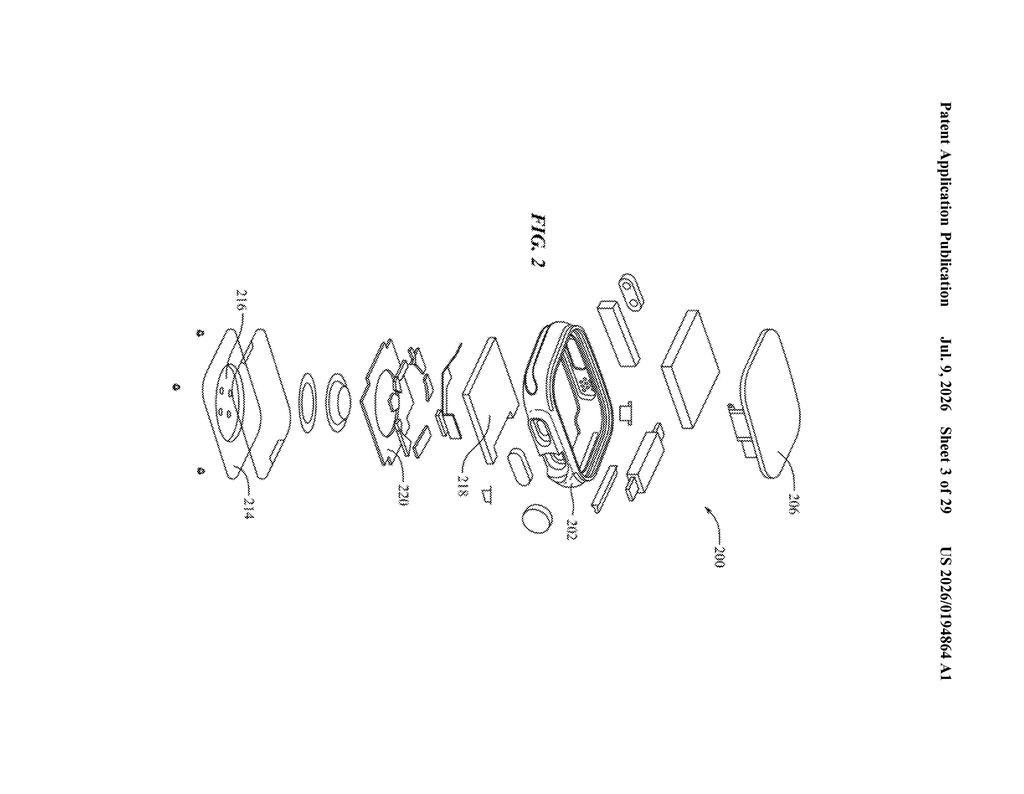
What Apple's internal conductor design actually does
Picture the metal frame around your phone's screen. Inside that frame, there's a lot of electrical activity happening, and the frame itself needs to stay electrically connected to the main circuit board buried inside the device. If that connection is loose or inconsistent, you can get interference, static, or hardware failures.
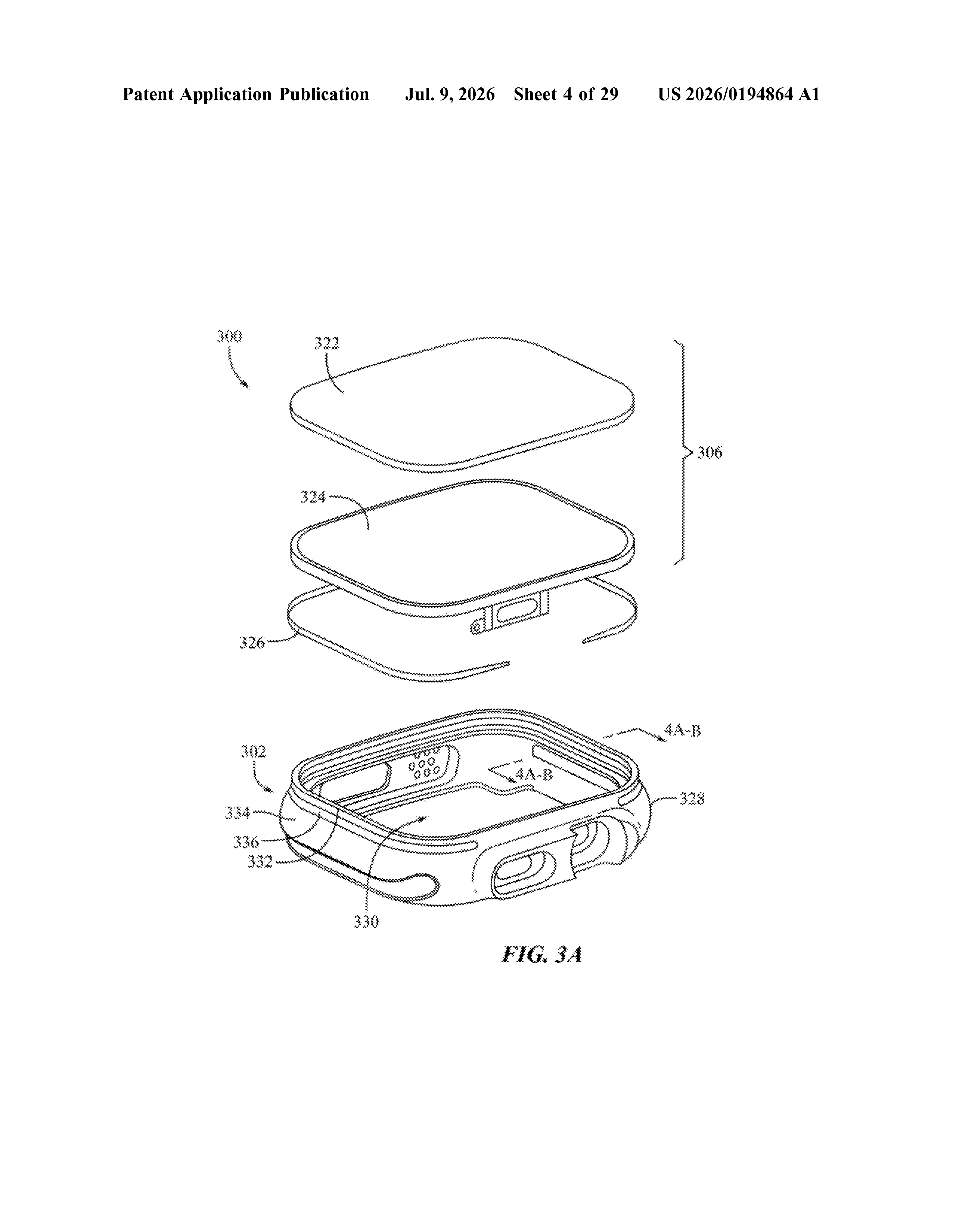
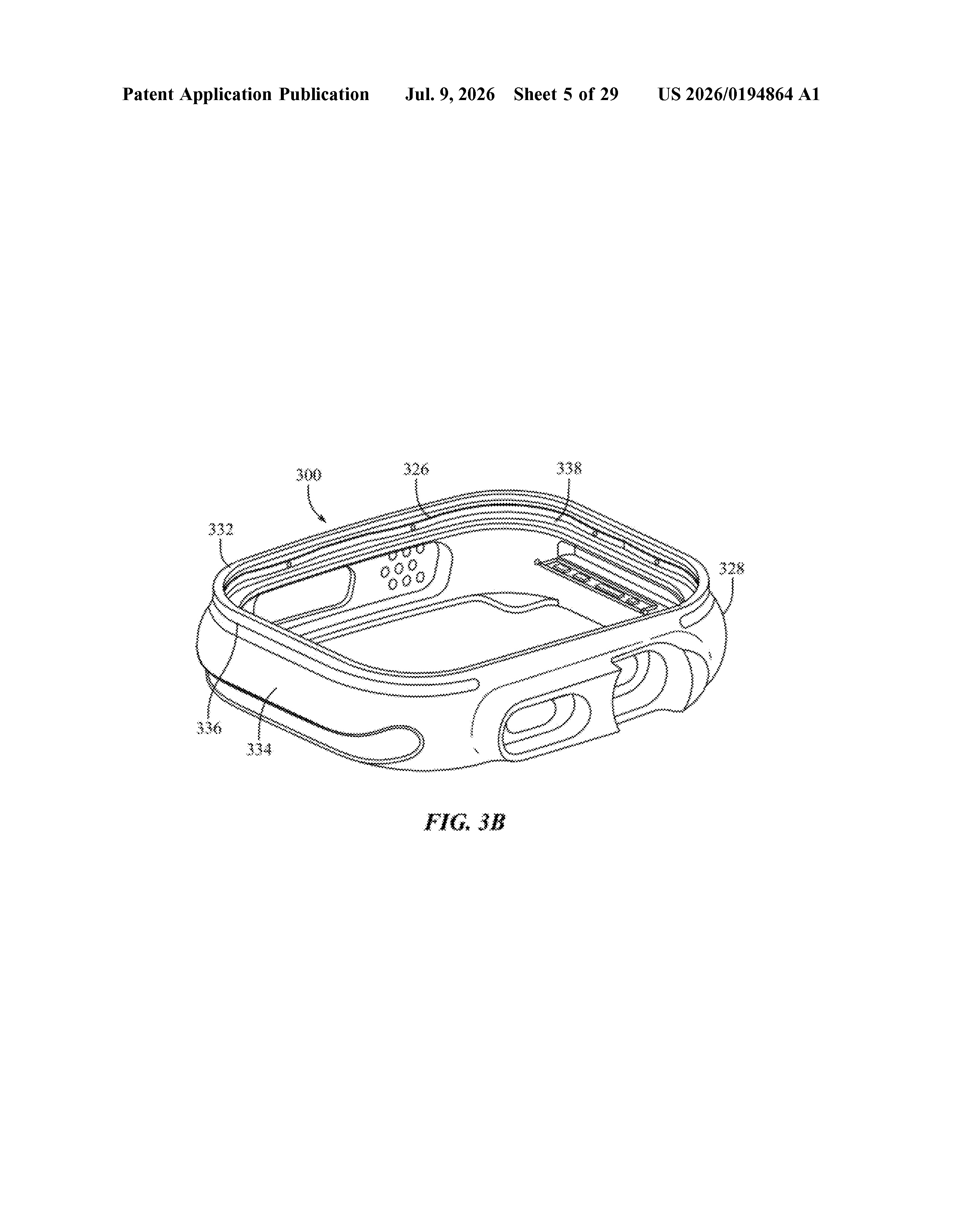
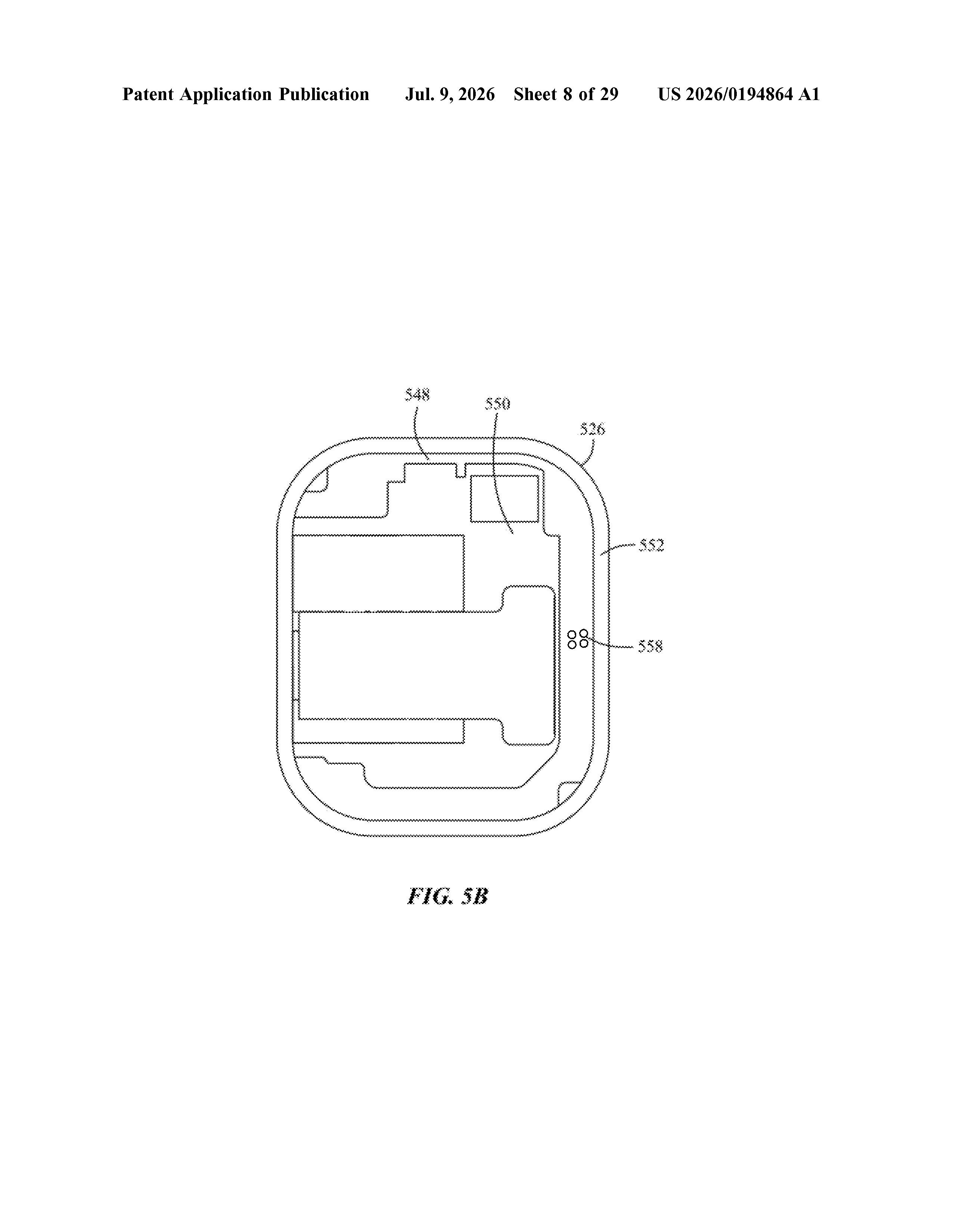
Apple's patent describes an elongated conductor (think of it as a thin metal strip or wire that wraps around the inside perimeter of the display) that's welded directly to the housing at multiple points, including specifically at all four corners. A small connector then bridges that strip down to the circuit board.
This sounds like plumbing, and honestly it kind of is. The goal is a more secure, consistent electrical ground connection throughout the device. Welding those corners, rather than just clipping or gluing, keeps the contact firm even as the device flexes or heats up over time.
How the welded contact points link display to circuit board
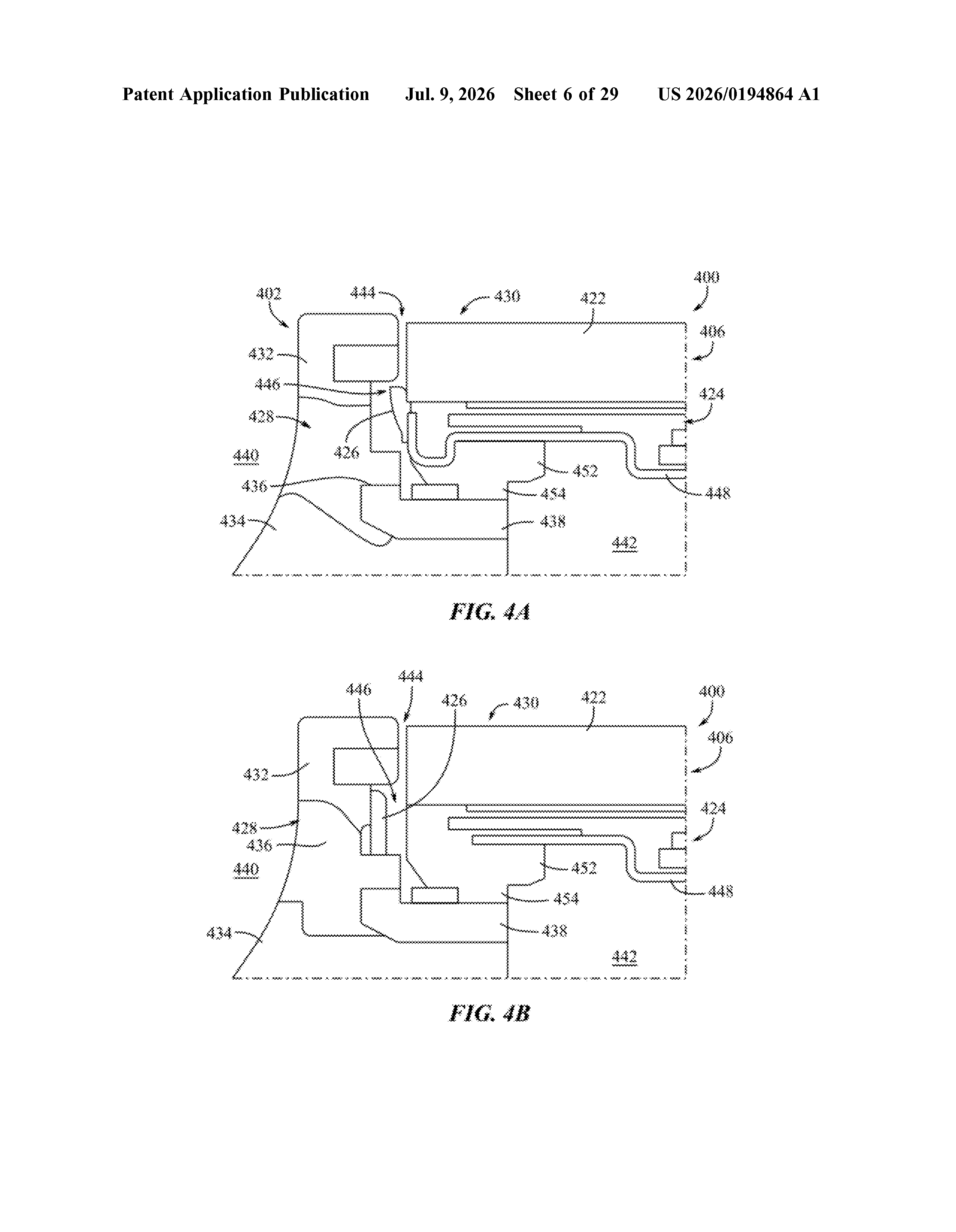
The patent describes an electronic device where a long, thin conductor wraps around the inside perimeter of a display assembly. This conductor serves as an electrical bridge between the device's sidewall (the outer frame) and the main printed circuit board (PCB) inside.
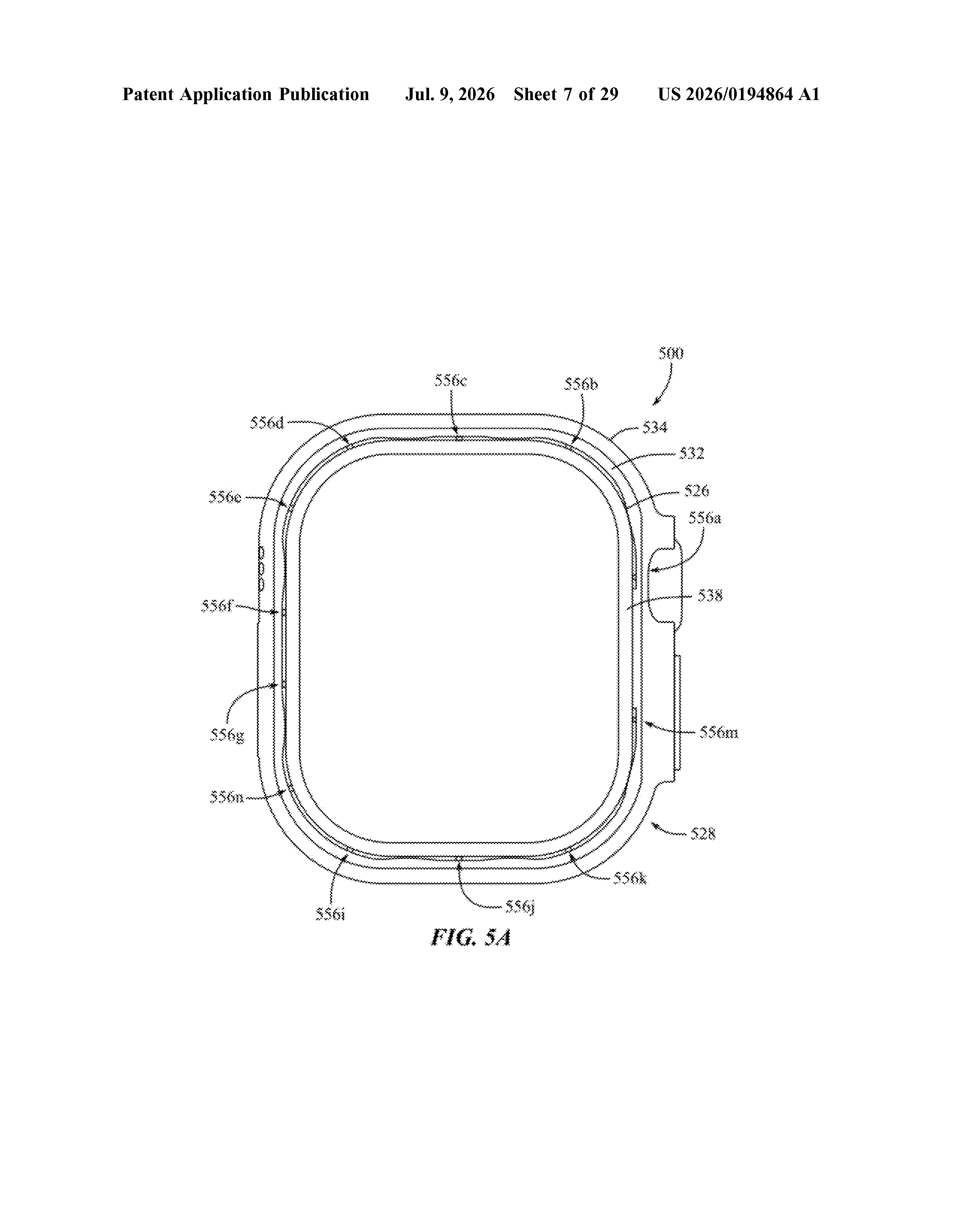
The key detail is how that conductor is attached. It has multiple contact points spaced around the perimeter, and each one is welded to the housing, not just pressed or clipped in. Crucially, there is a discrete welded contact point at each of the four corners of the device, which are structurally the most stress-prone spots.
A separate electrical connector then touches both the conductor and the PCB, completing the circuit. The PCB itself is described as including a continuous conductive element that runs all the way around its perimeter, suggesting the grounding is designed to be uniform across the entire board, not concentrated at one spot.
- Elongated conductor wraps the display perimeter
- Welded at multiple points, including all four corners
- Electrical connector bridges conductor to the PCB
- PCB has a continuous perimeter ground element
What this means for device build quality and reliability
For everyday users, this kind of internal architecture change is invisible but consequential. A more mechanically secure ground connection means the device is less likely to develop electrical noise or interference as it ages, bends slightly in a pocket, or goes through temperature changes. Welded joints hold more reliably than friction-fit contacts over the long term.
Corner-specific welding is the interesting call-out here. Corners are where device frames flex the most under stress, so anchoring the conductor there specifically suggests Apple is designing for durability under real-world conditions. This is the kind of internal detail that rarely shows up in a product announcement but often explains why one generation of a device feels more solid than the last.
This is a quiet manufacturing patent, not a feature announcement. It tells you Apple is engineering its internal grounding architecture with more precision than before, which matters for long-term device reliability. It's not exciting, but it's the kind of foundational work that separates durable hardware from hardware that degrades.
Get our take in your Top Stories
Liked this breakdown? Add Patentlyze as a preferred source on Google, and our plain-English take shows up more often in your Top Stories the next time Apple patent news breaks.
There are more where this came from
We read every patent application Big Tech publishes and send you the ones worth knowing. Plain English, free, every week.
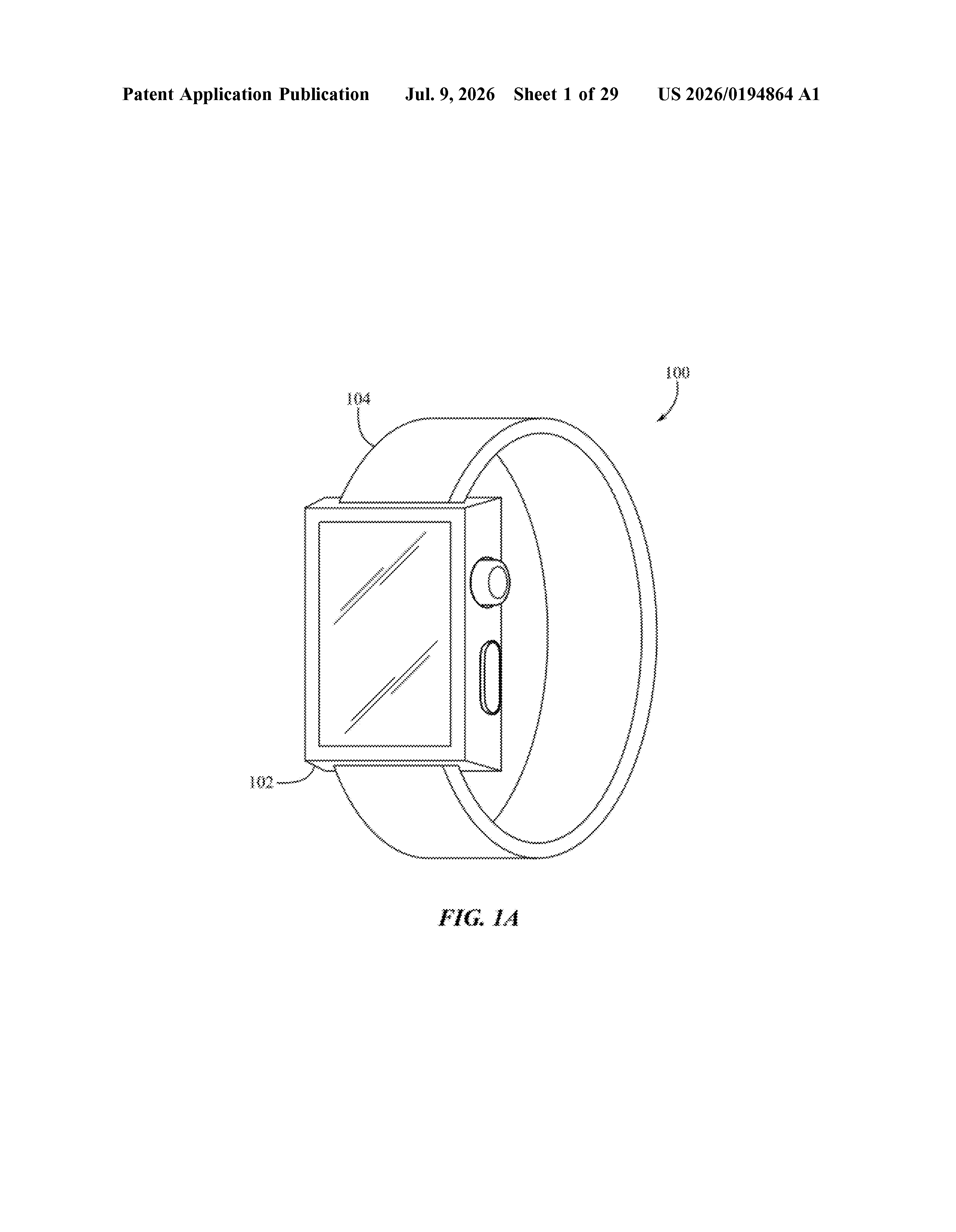
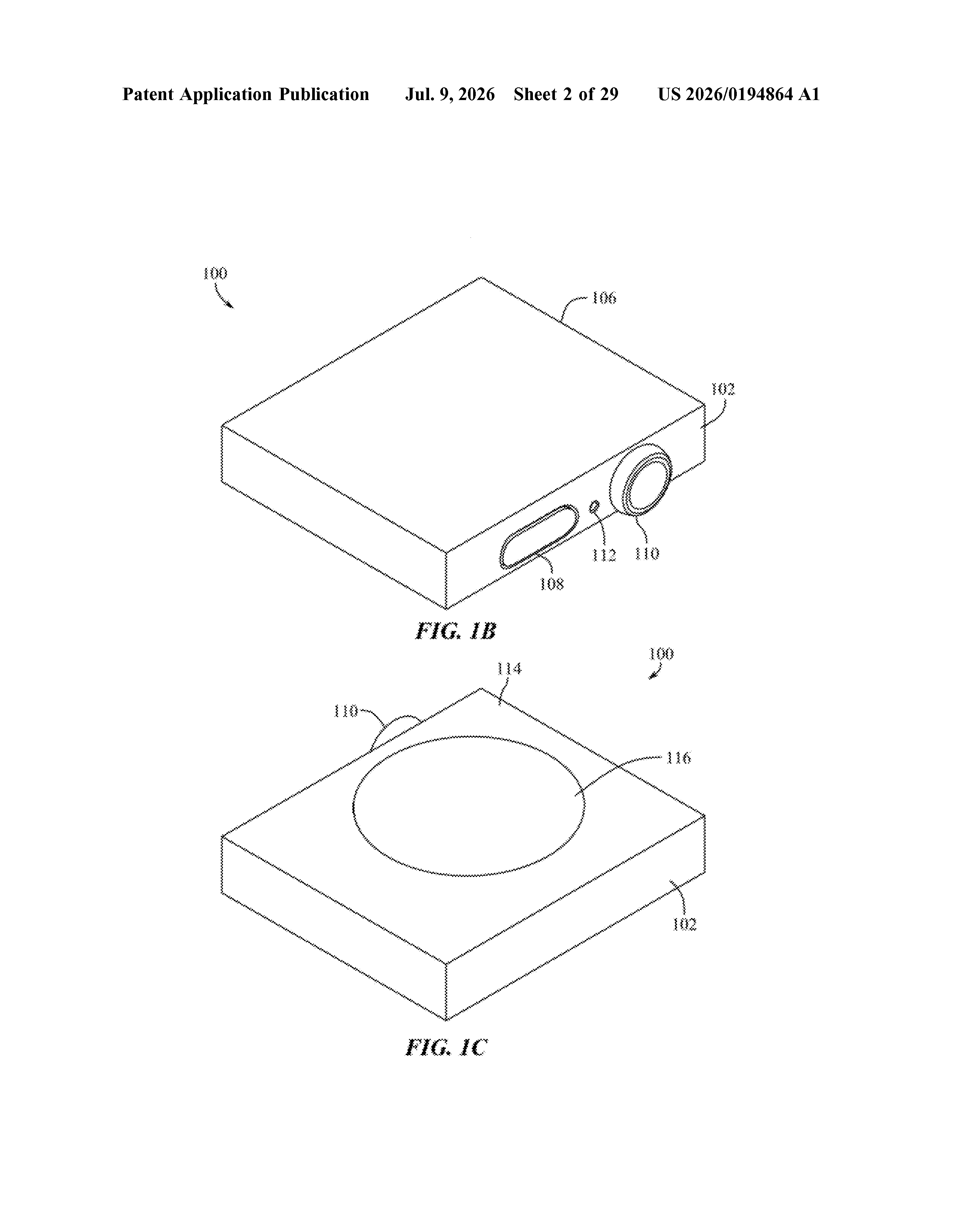
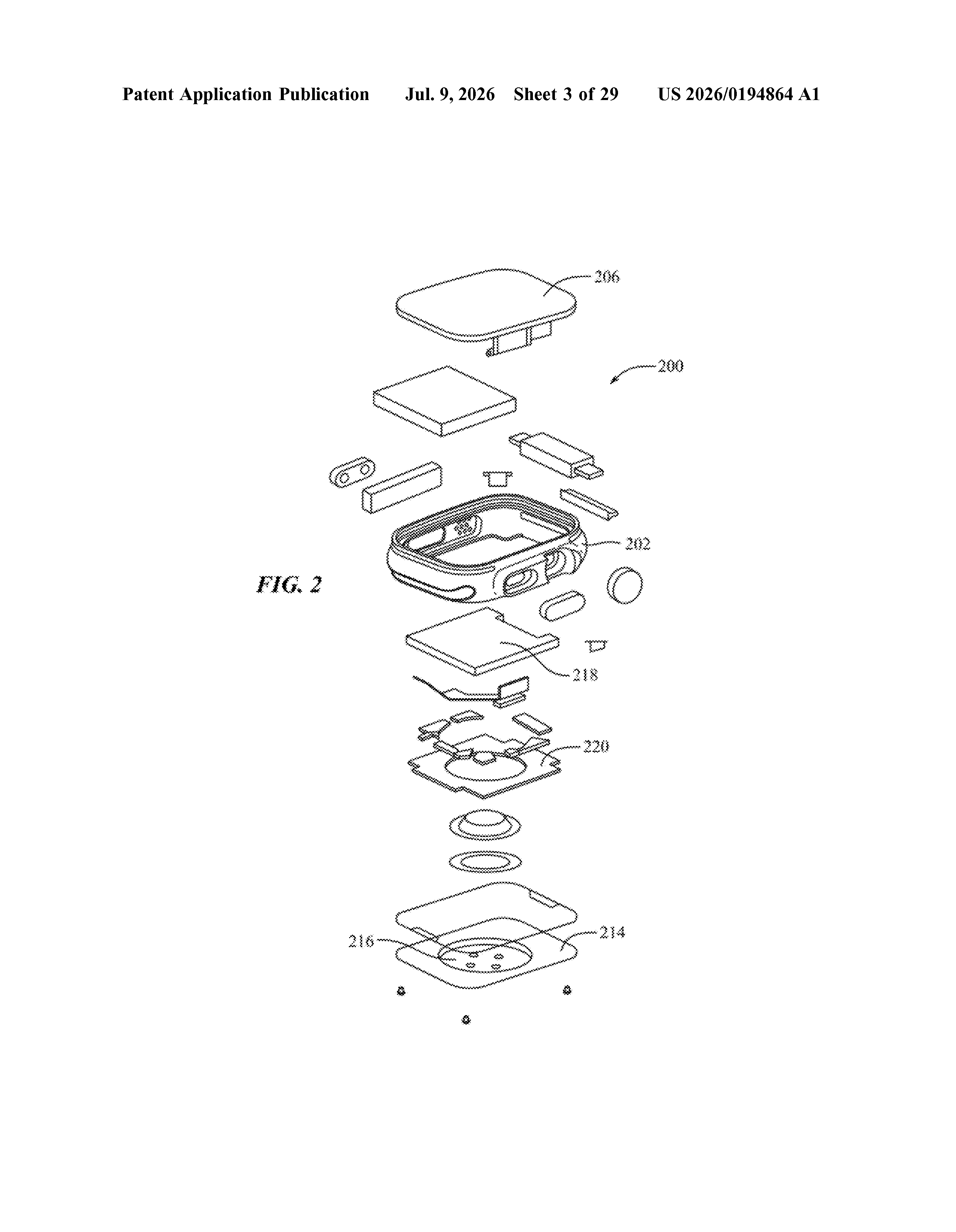
The drawings
29 drawing sheets from US 2026/0194864 A1 · click any drawing to enlarge
Want this weekly breakdown for a company we don't cover? Patentlyze Pro →