
Qualcomm Patents Technology That Keeps AR Glasses Streaming Smoothly Without Draining the Battery
Running AR or VR on a headset is brutally power-hungry, so the heavy computer-vision work gets pushed to a server. The catch: the network has no idea when to send the results back. Qualcomm's new patent tries to fix that.
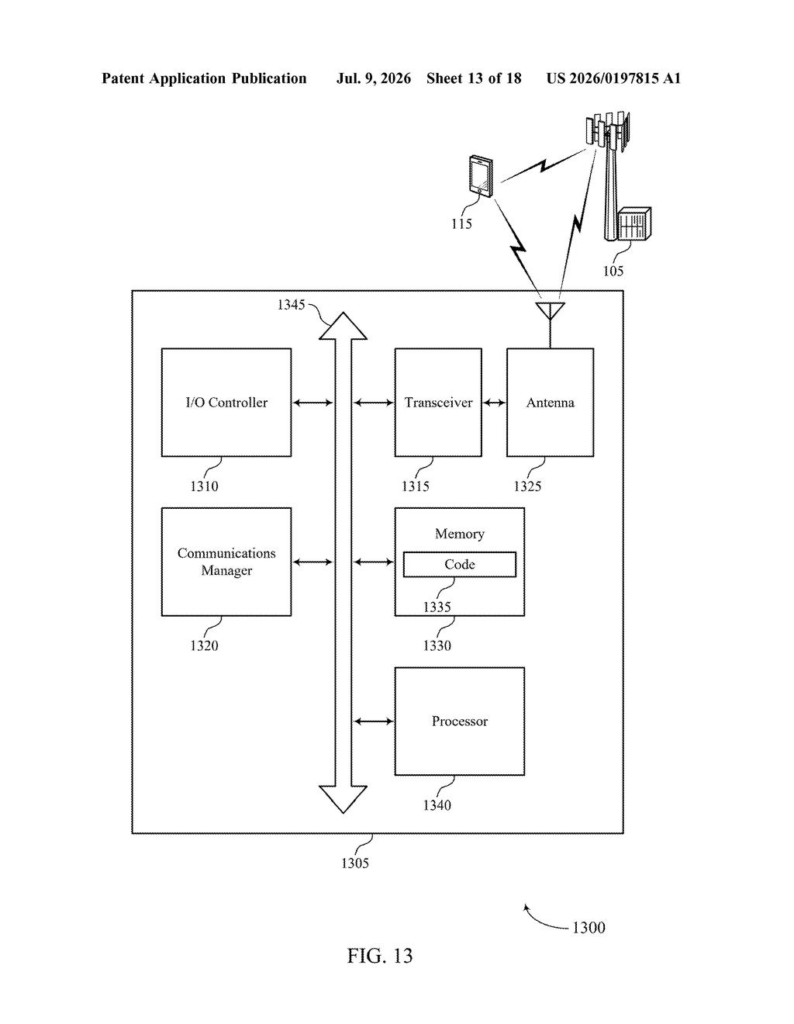
What Qualcomm's XR traffic timing patent actually does
Imagine you're wearing AR glasses that need to figure out where every object in your room is, in real time. That kind of processing is exhausting for a small battery-powered headset, so the glasses offload the work to a server in the cloud.
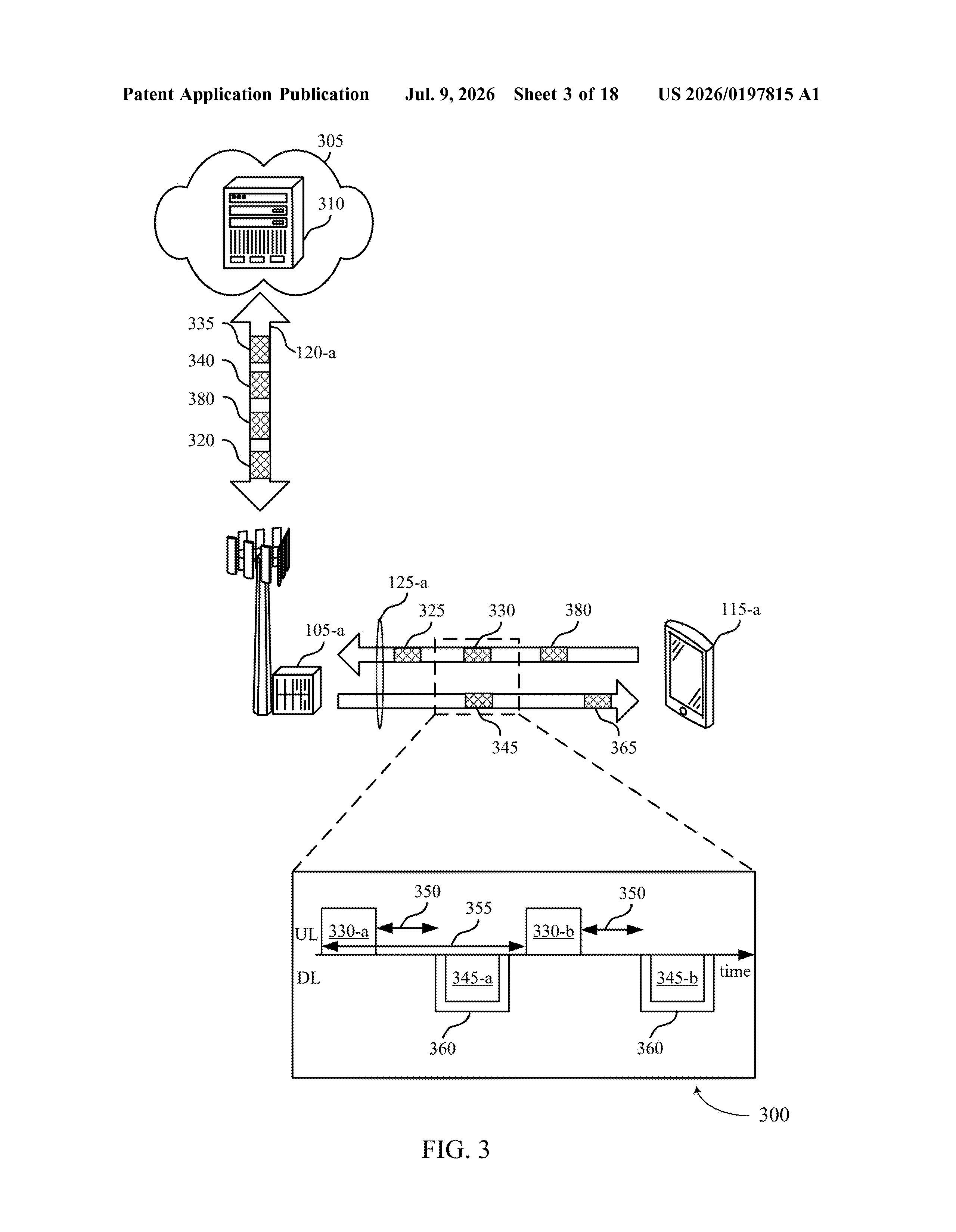
The problem is timing. The glasses send up a snapshot, the server does the heavy lifting, and the result comes back down. But the cellular network doesn't know when to expect any of this, so it either stays on and wastes power, or it dozes off and misses the incoming data entirely.
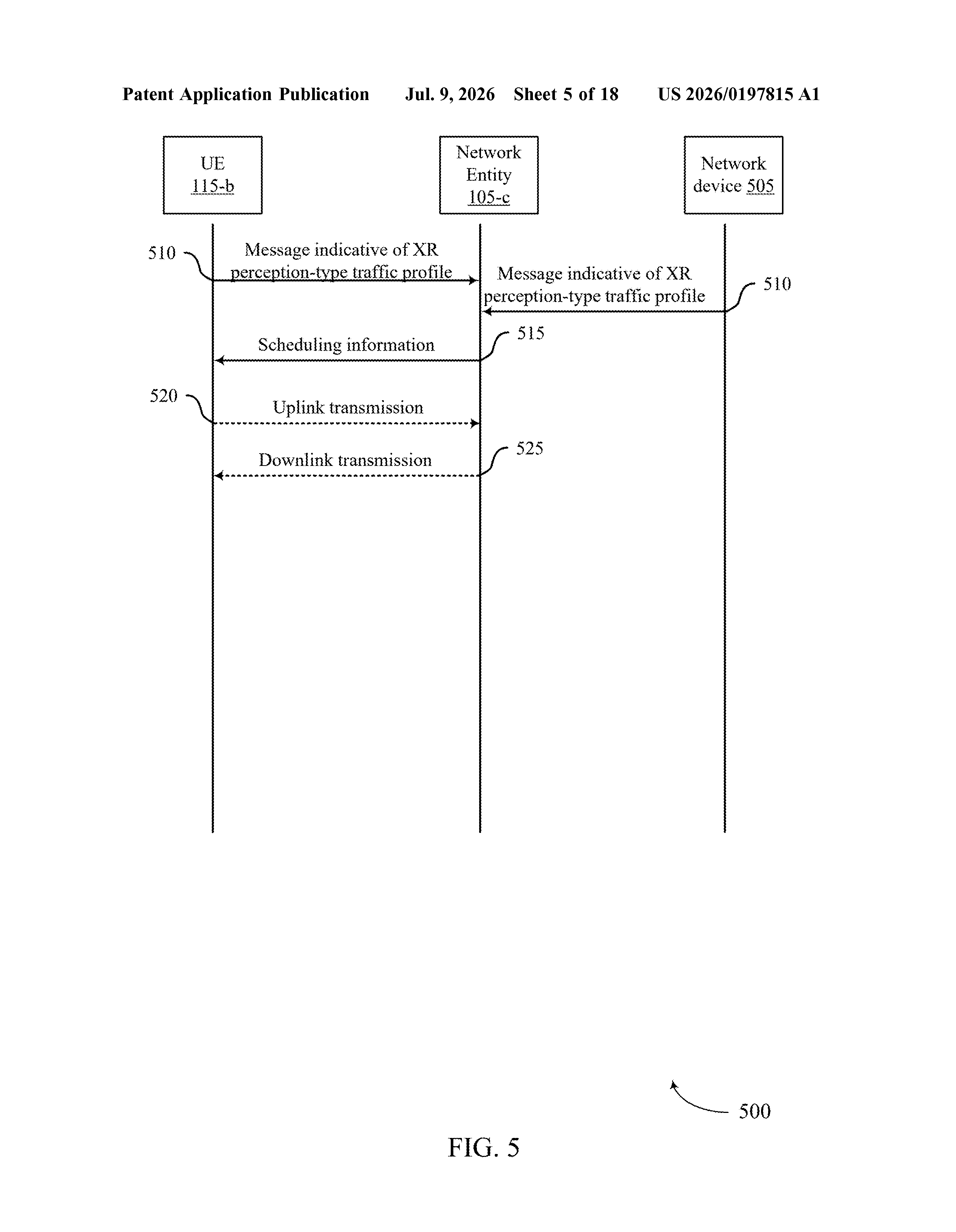
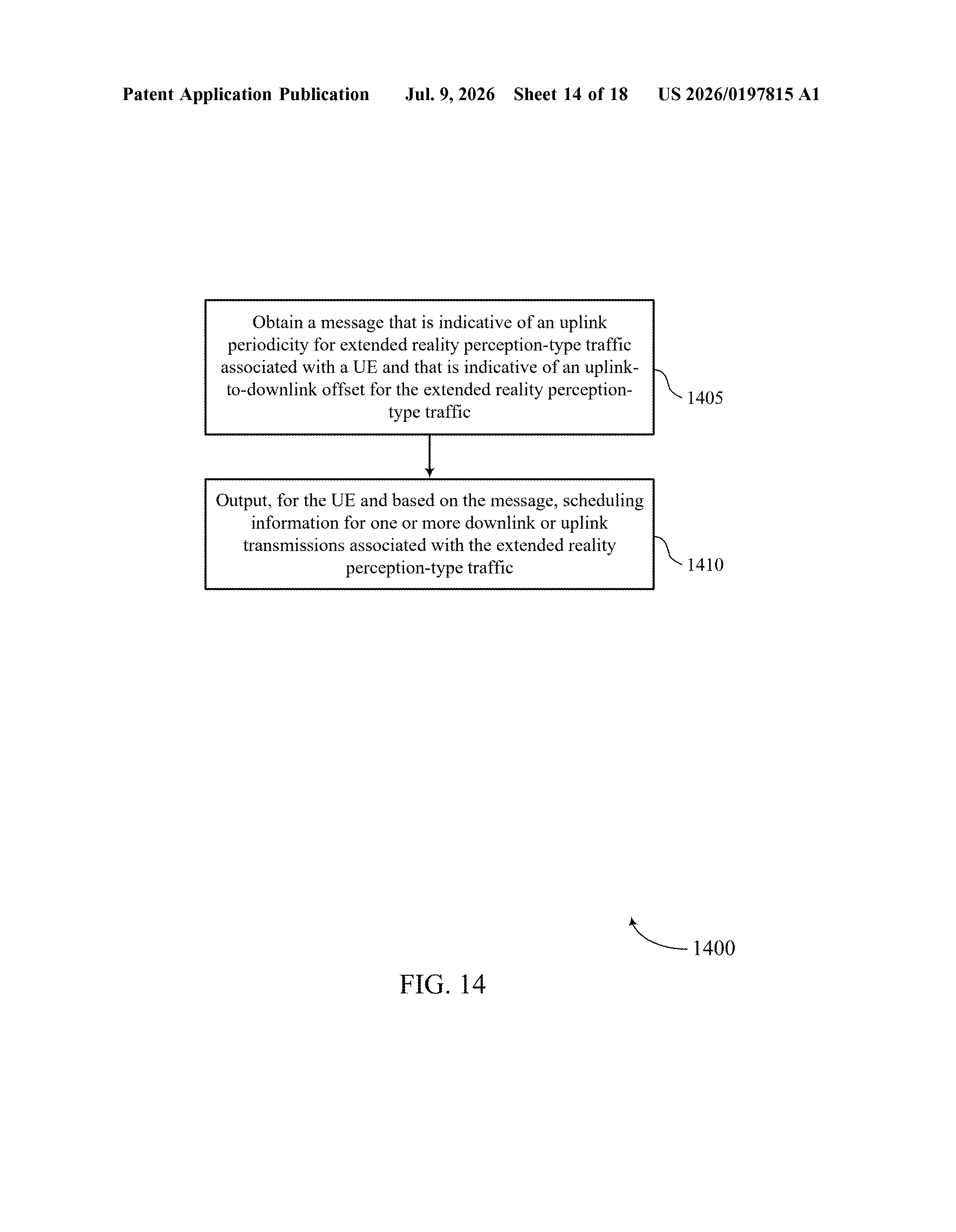
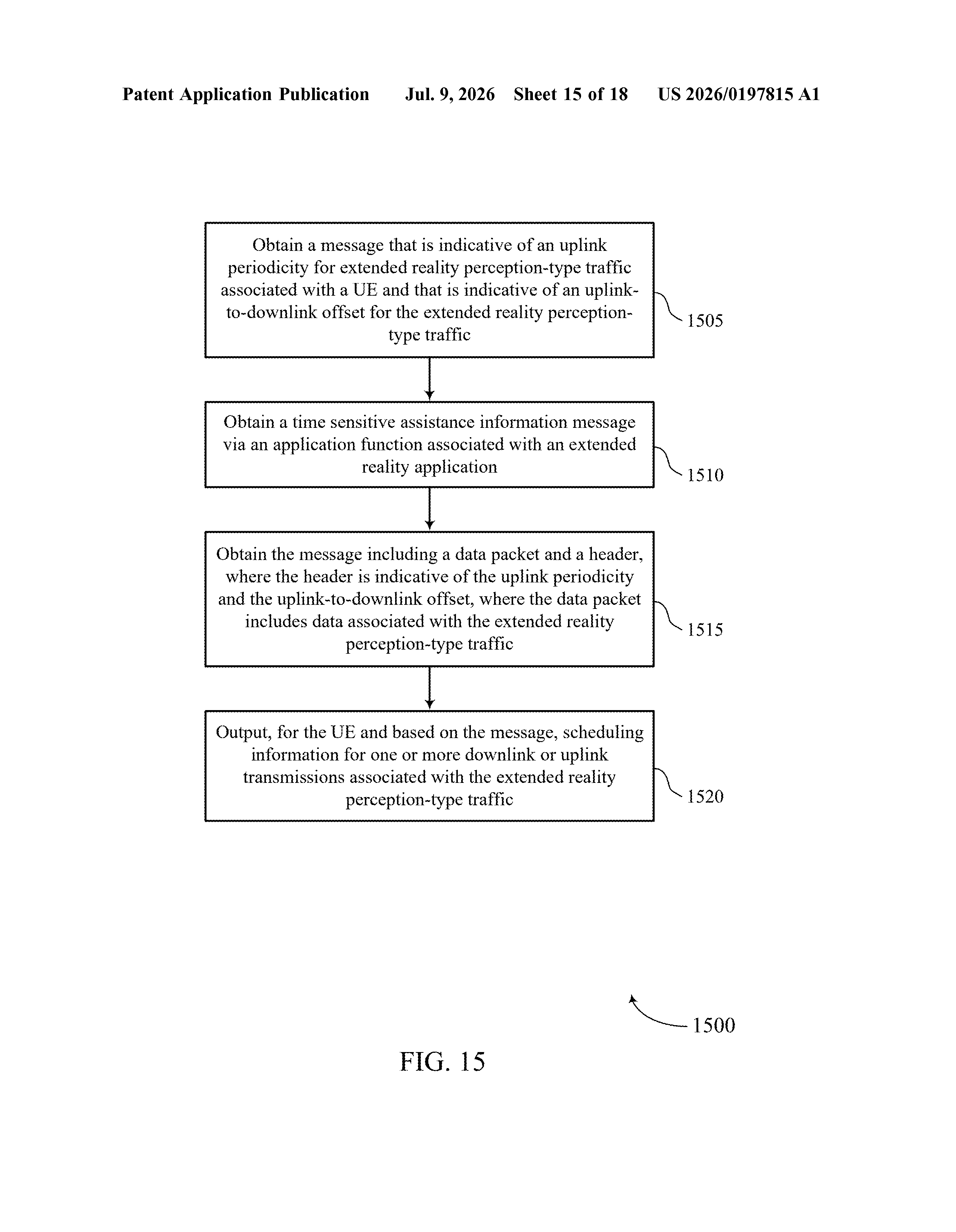
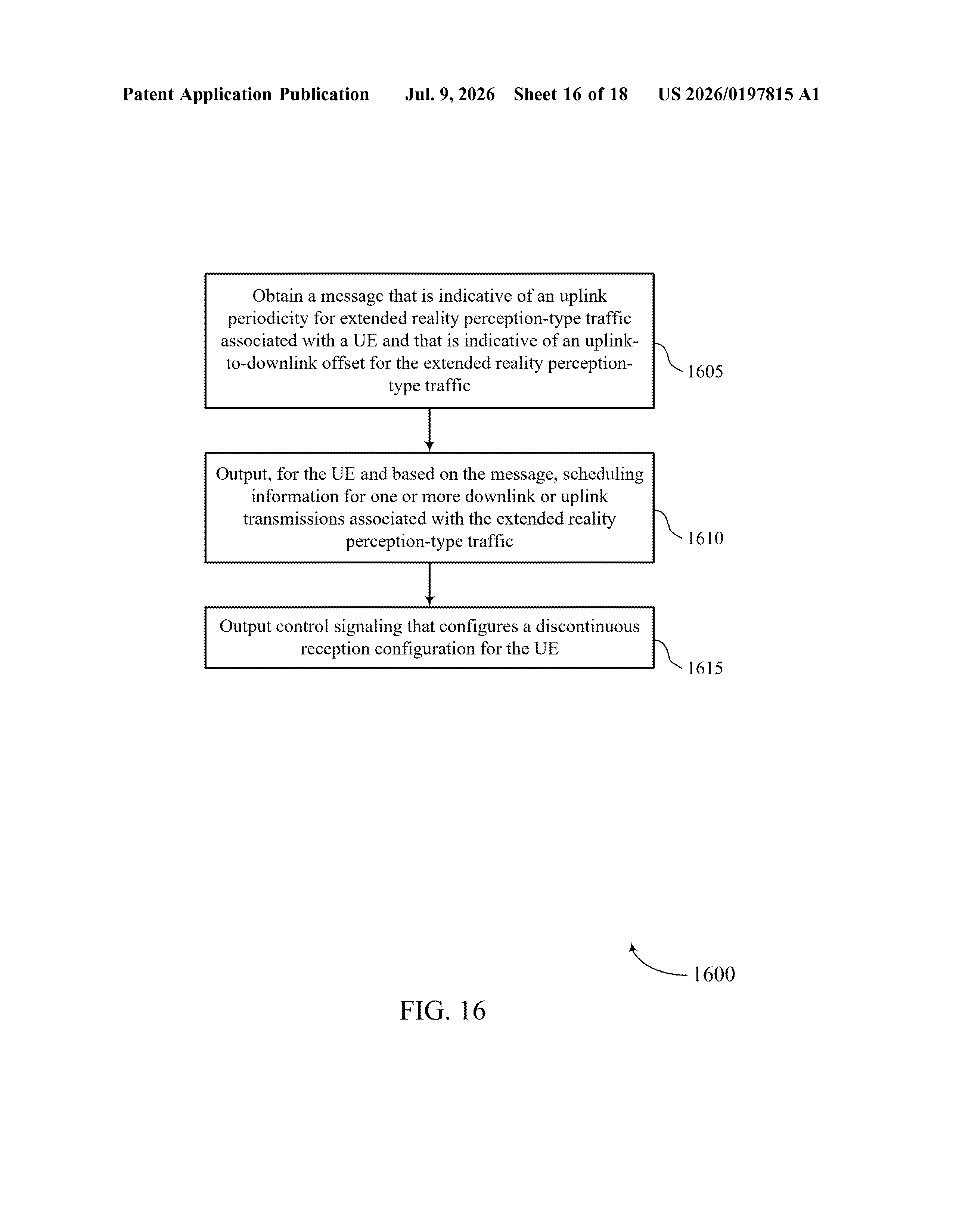
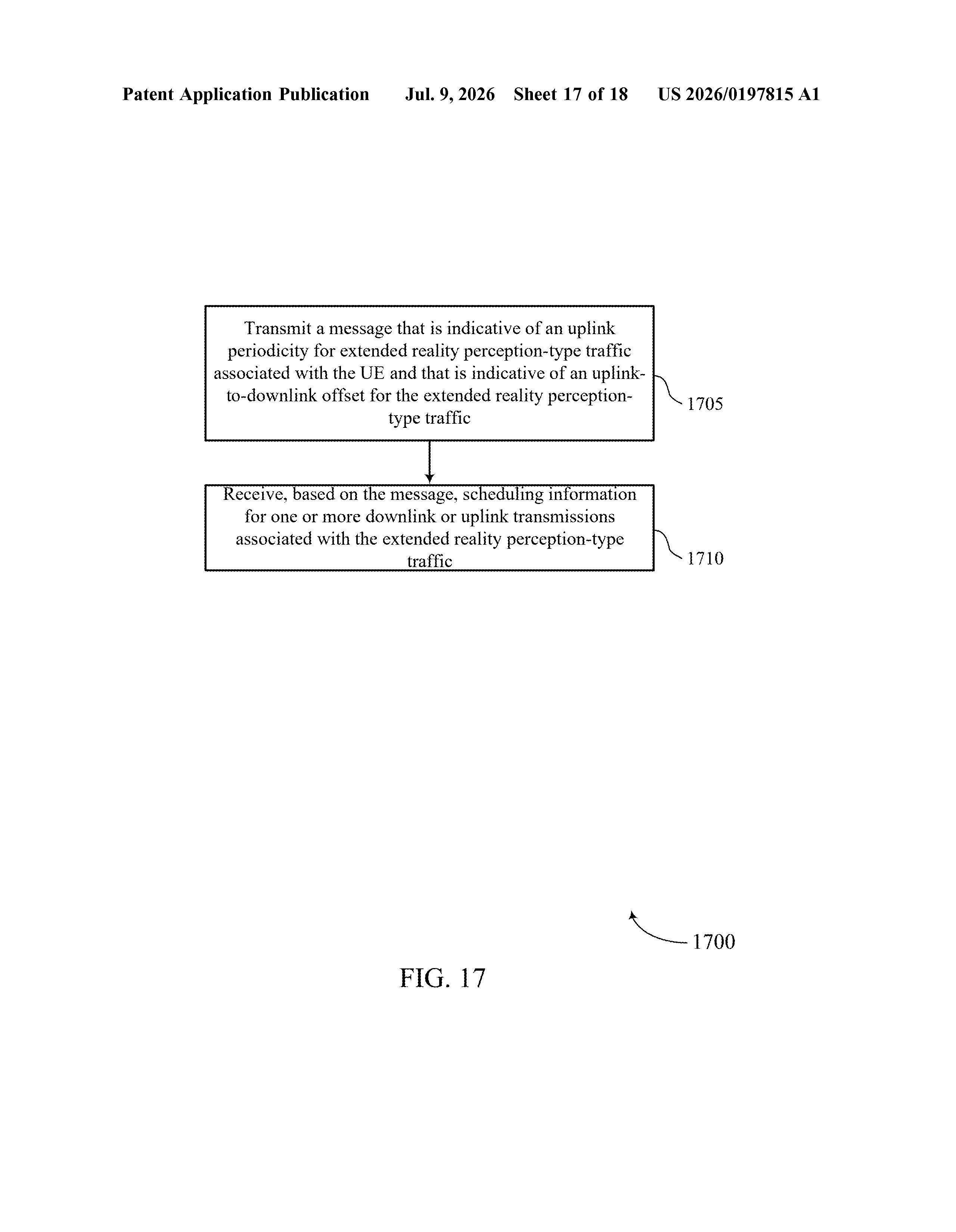
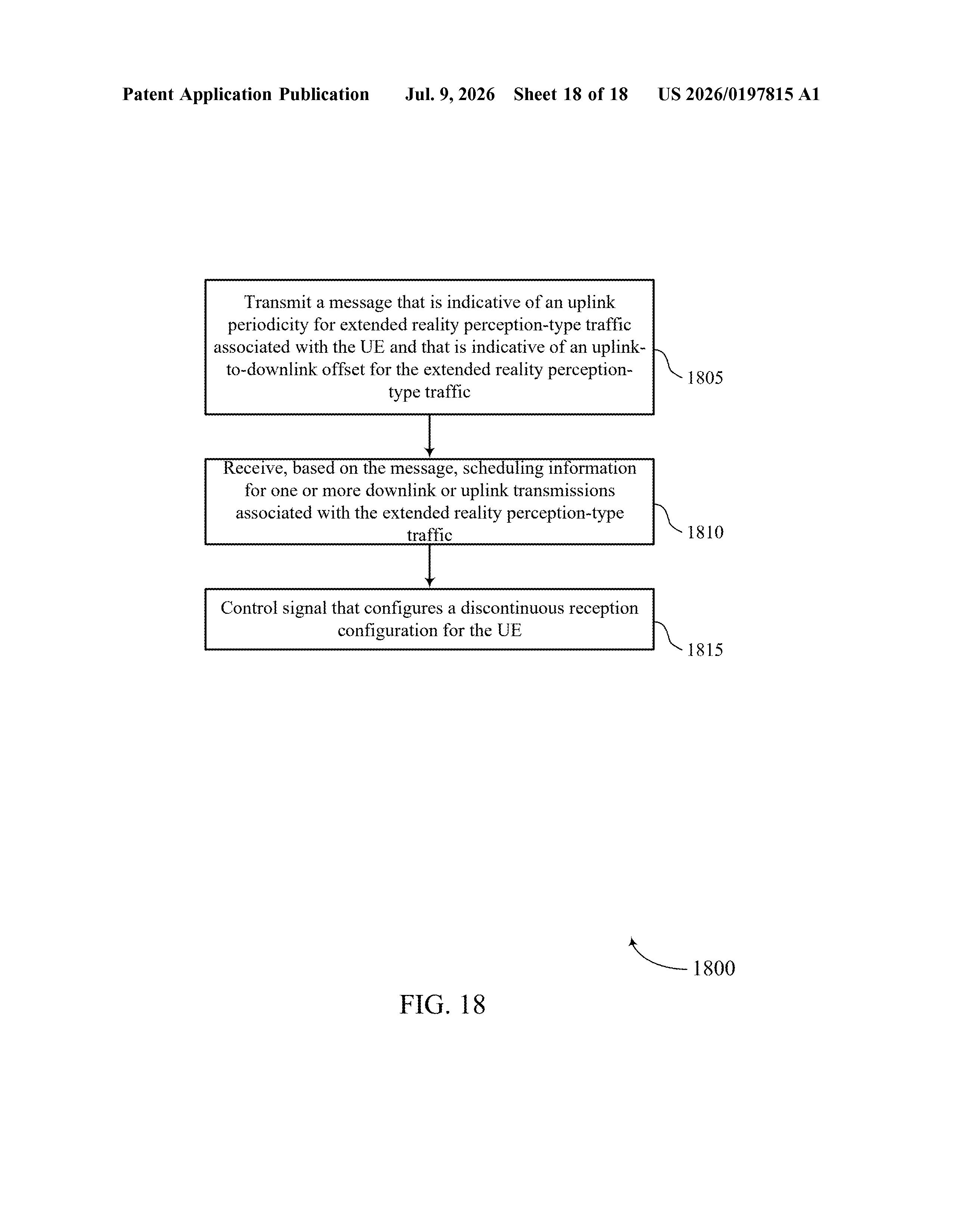
Qualcomm's patent describes a system where the network learns the rhythm of that back-and-forth: how often the headset sends data up, and how long it usually takes before the response arrives. With that information, the network can schedule its "awake" windows to match, saving battery and cutting delays.
How the network learns XR perception timing to schedule data
The patent focuses on a coordination problem between an XR device (a headset or phone running AR/VR) and the cellular network it connects through.
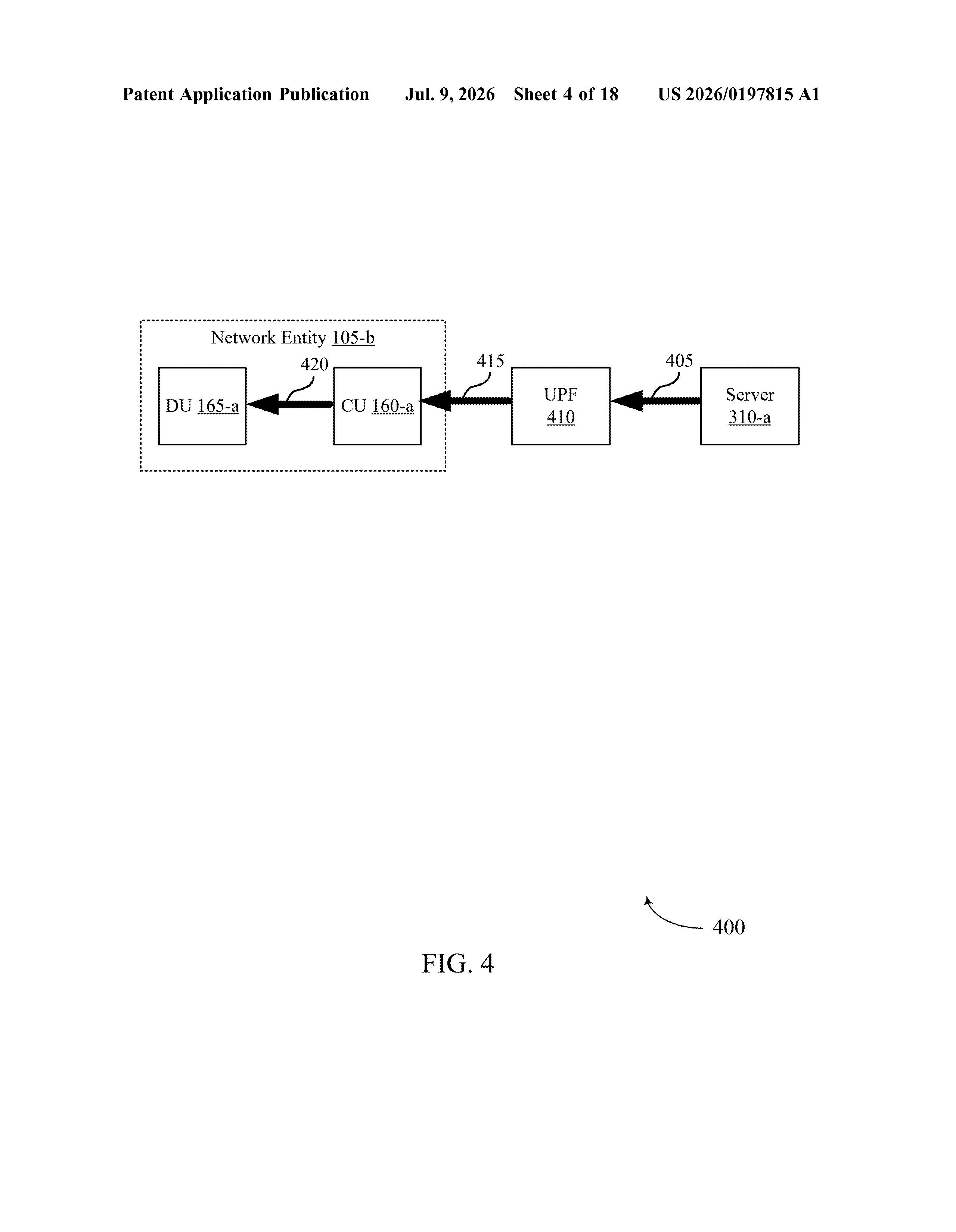
XR devices run perception algorithms (tasks like depth mapping, 3D scene reconstruction, and object tracking) that require serious compute. Those tasks are often offloaded to a remote server: the device sends raw sensor or image data upstream, the server processes it, and sends the computed result back downstream.
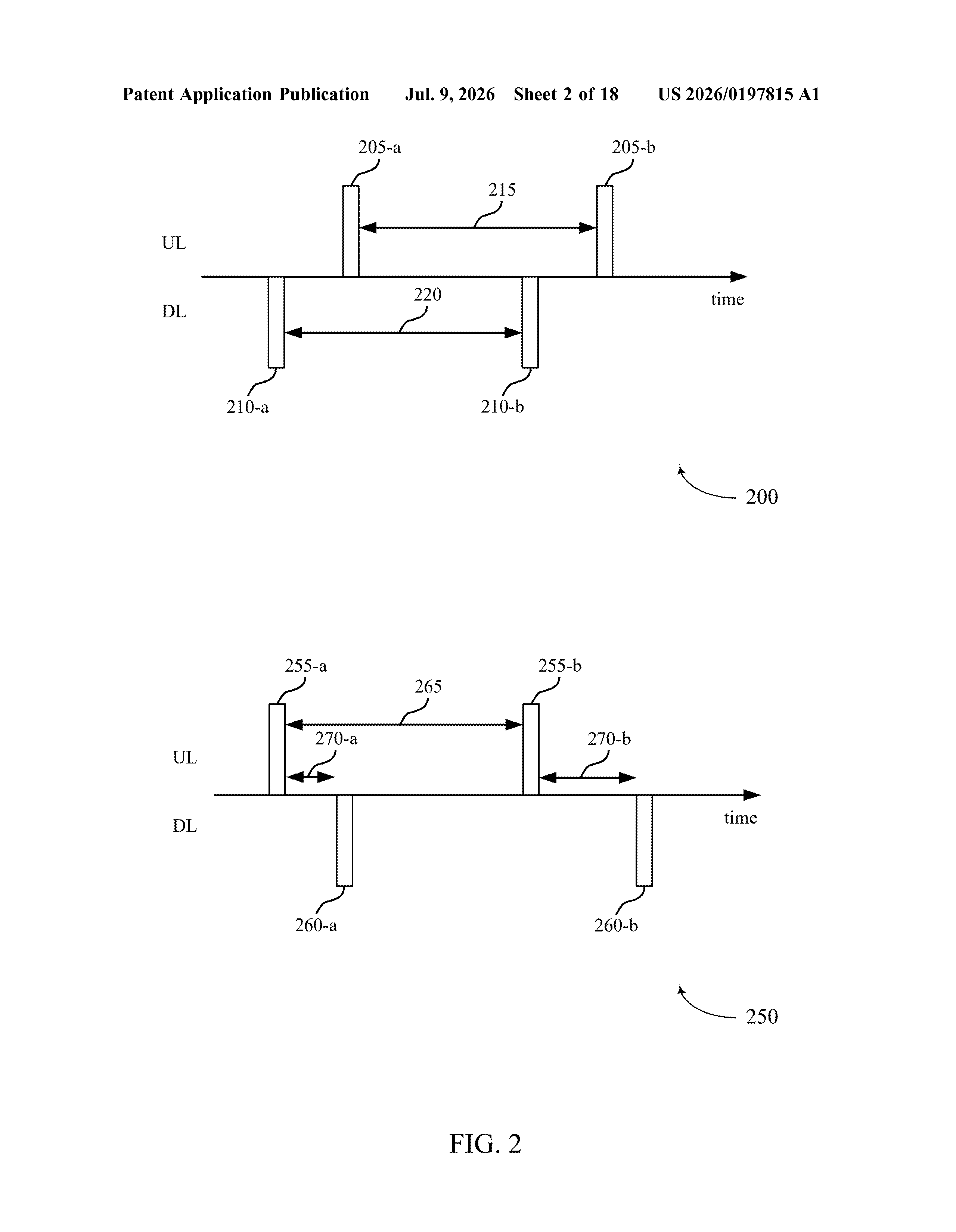
That creates a predictable traffic pattern with two key numbers:
- Uplink periodicity: how often the device sends a new chunk of data up (for example, every 16 milliseconds, tied to a camera frame rate)
- Uplink-to-downlink offset: the gap between sending data up and receiving the processed result back down (the server's compute time)
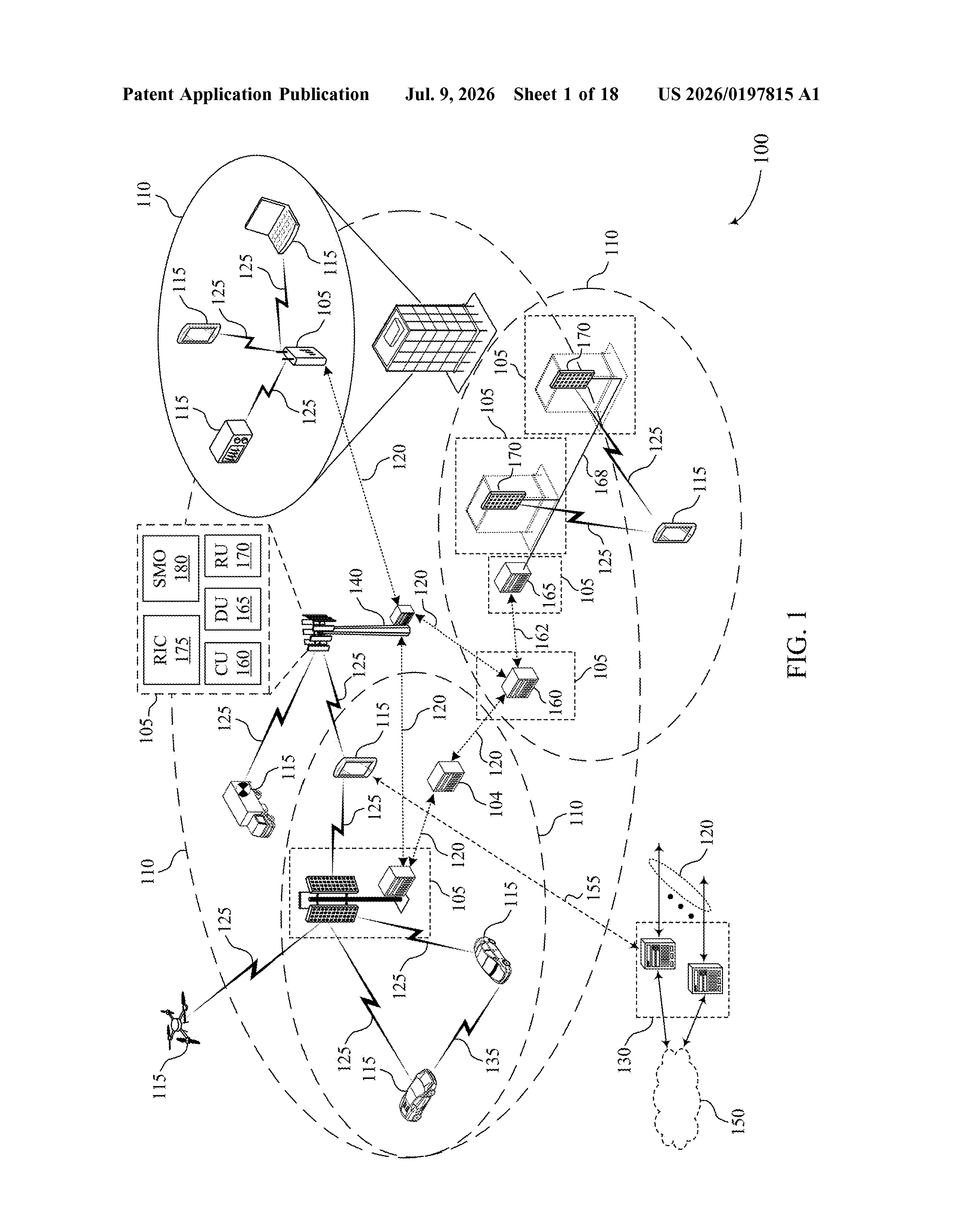
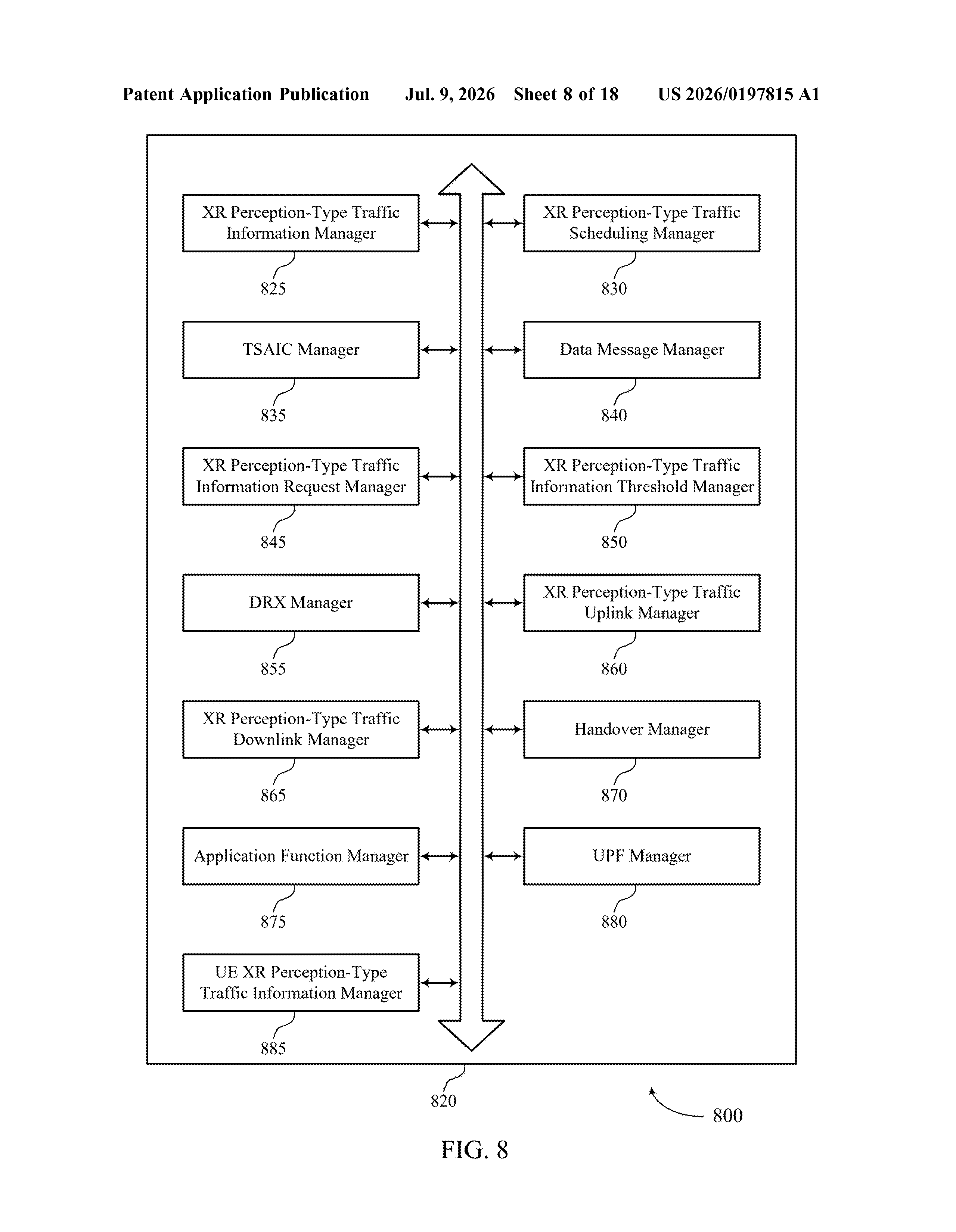
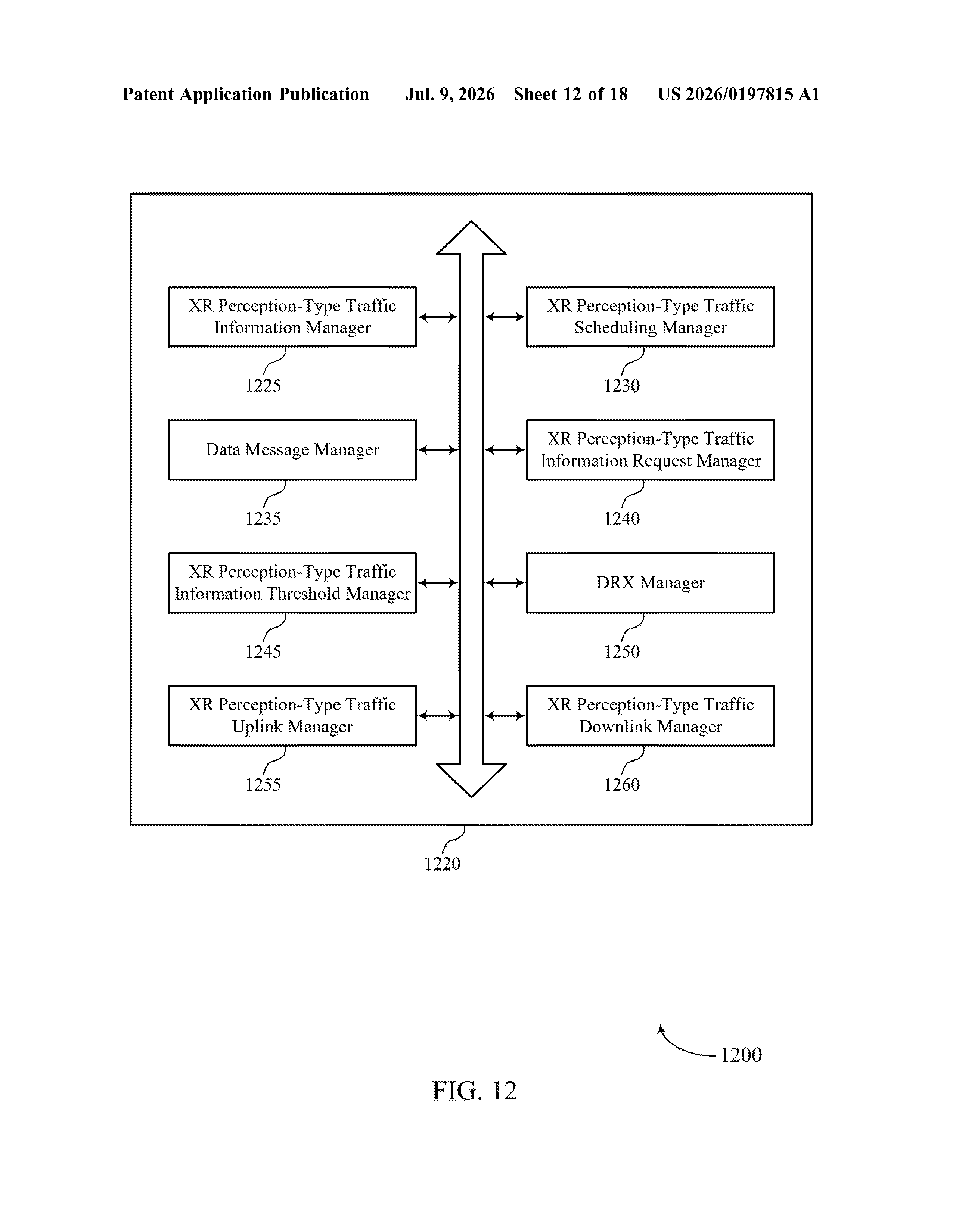
Qualcomm's invention has the network entity (a base station or core network node) collect this timing information and use it to schedule transmissions and configure a DRX (discontinuous reception) pattern. DRX is a standard power-saving technique where a device cycles between monitoring the network and sleeping. By aligning those sleep-wake cycles with the known XR traffic rhythm, the network avoids making the device wait awake unnecessarily or miss incoming data during a sleep window.
What this means for AR glasses and cloud-processed XR
AR and VR headsets live or die on two things: latency and battery life. Cloud-offloaded perception can help with compute load, but it introduces a wireless timing problem that current network scheduling wasn't designed to solve. This patent is Qualcomm's answer to that gap, proposing a formal signaling mechanism so the network can adapt to XR workloads rather than treating them like generic web traffic.
For you as a user, the payoff is an XR device that stays in sync with the network without burning through its battery staying permanently alert. As Qualcomm supplies modems to a huge range of device makers, a technique like this built into its chipsets and software stack could show up across many future AR and VR products.
This is genuinely useful infrastructure work, not a flashy consumer feature. The timing mismatch between cloud-offloaded XR processing and cellular scheduling is a real bottleneck, and formalizing a way to describe XR traffic rhythm to the network is a sensible approach. It's the kind of quiet modem-level optimization that separates a usable wireless AR product from one that stutters.
Get our take in your Top Stories
Liked this breakdown? Add Patentlyze as a preferred source on Google, and our plain-English take shows up more often in your Top Stories the next time Qualcomm patent news breaks.
There are more where this came from
We read every patent application Big Tech publishes and send you the ones worth knowing. Plain English, free, every week.
The drawings
18 drawing sheets from US 2026/0197815 A1 · click any drawing to enlarge
Show the other 10 sheets
Want this weekly breakdown for a company we don't cover? Patentlyze Pro →