
Google Patent Targets Real-Time Error Detection in Quantum Computing Systems
Quantum computers make a lot of mistakes, and fixing those mistakes fast enough is one of the hardest unsolved problems in the field. Google has filed a patent for a system that splits that error-detection job across many processors working in parallel, trying to keep up with the machine in real time.
What Google's quantum error-tracking system actually does
Imagine trying to proofread a document while someone is typing it faster than you can read. That's roughly the situation quantum computers create: they generate errors constantly, and the system watching for those errors has to catch and fix them while the computation is still running, or the whole calculation falls apart.
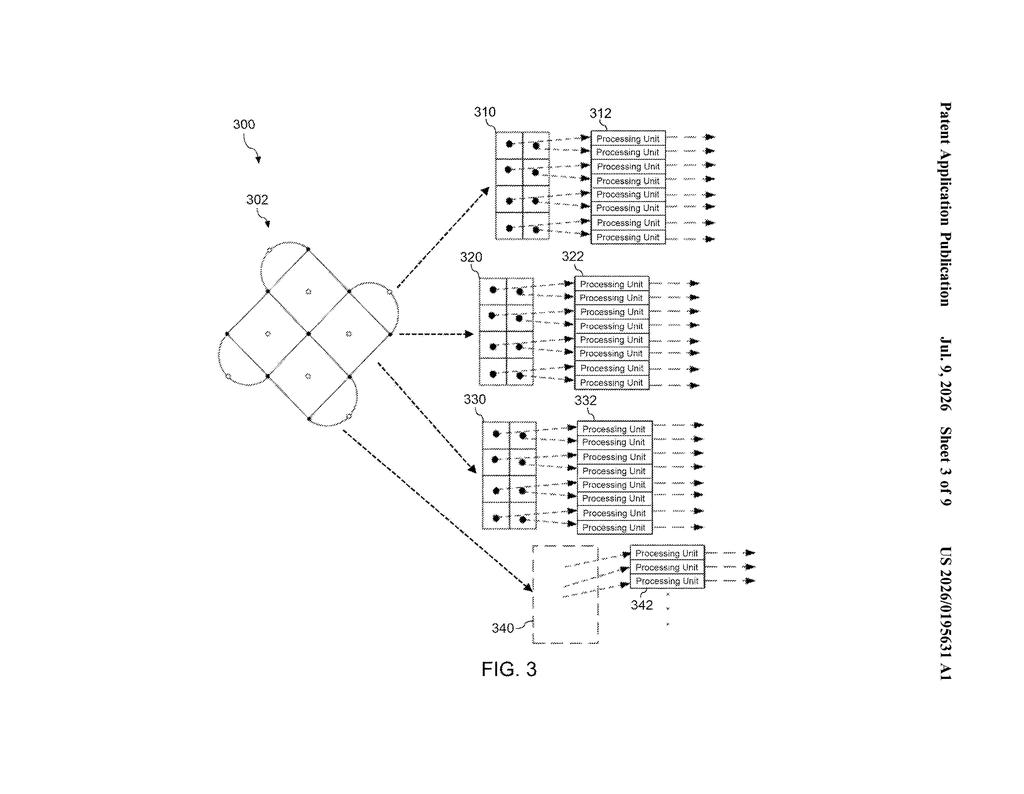
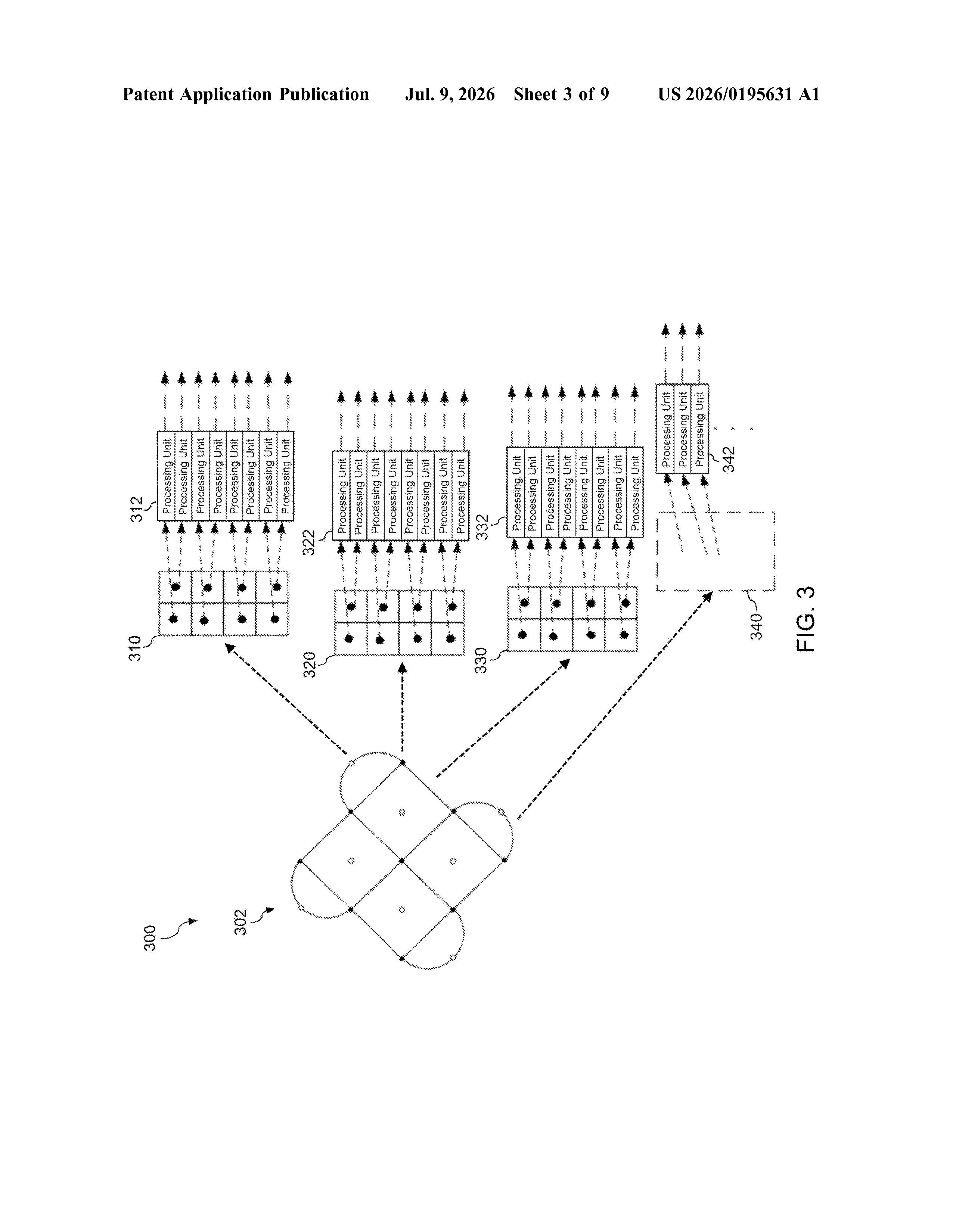
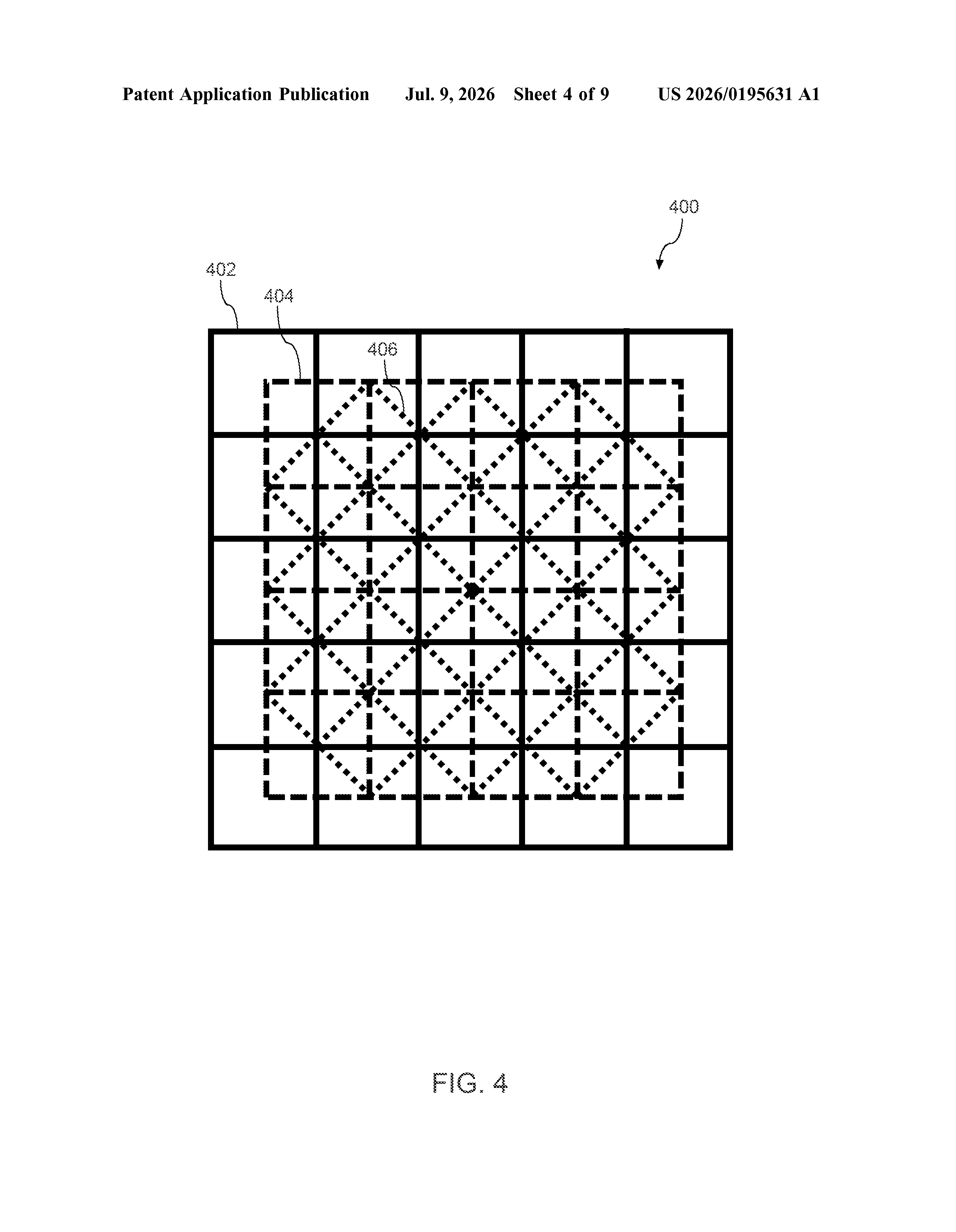
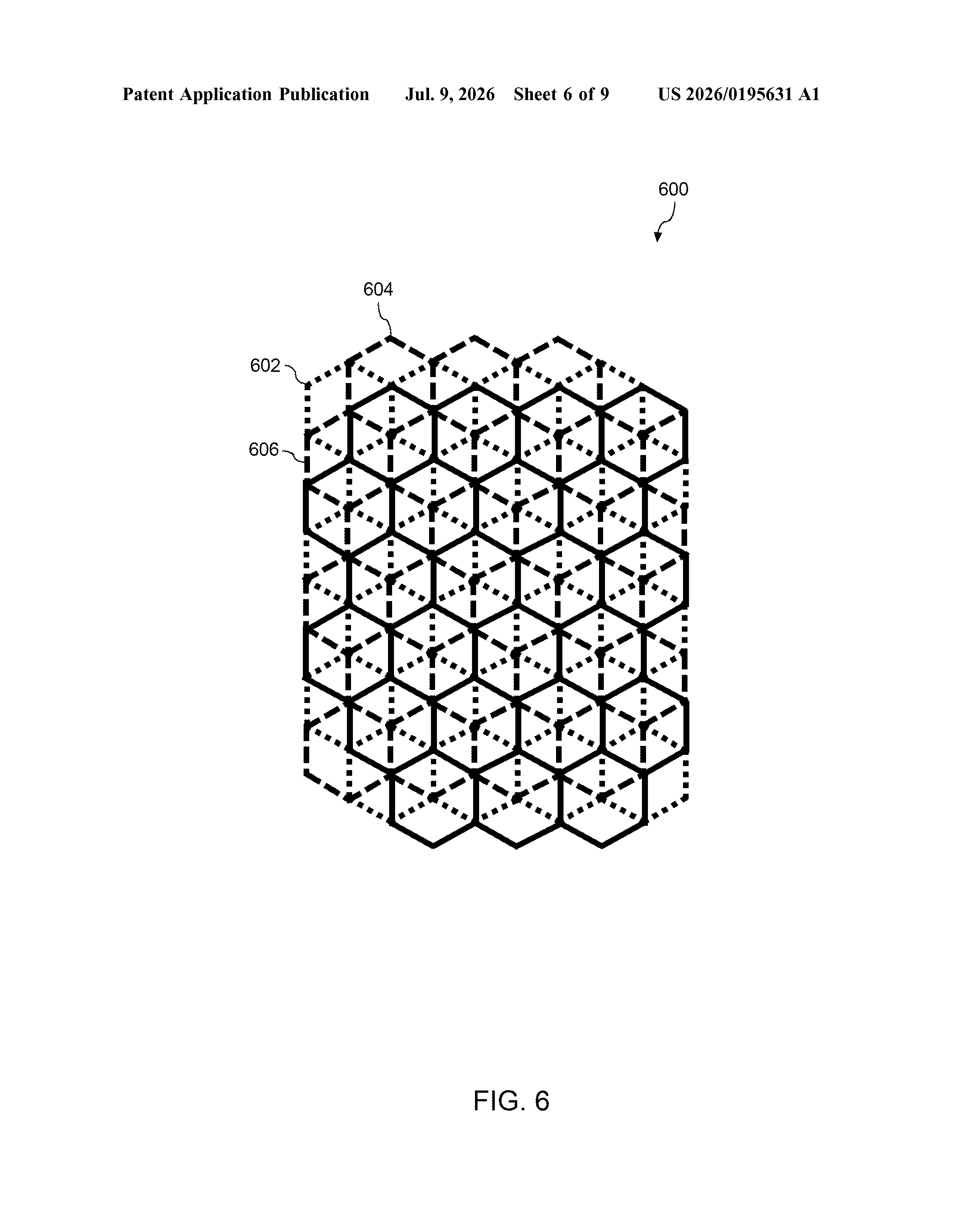
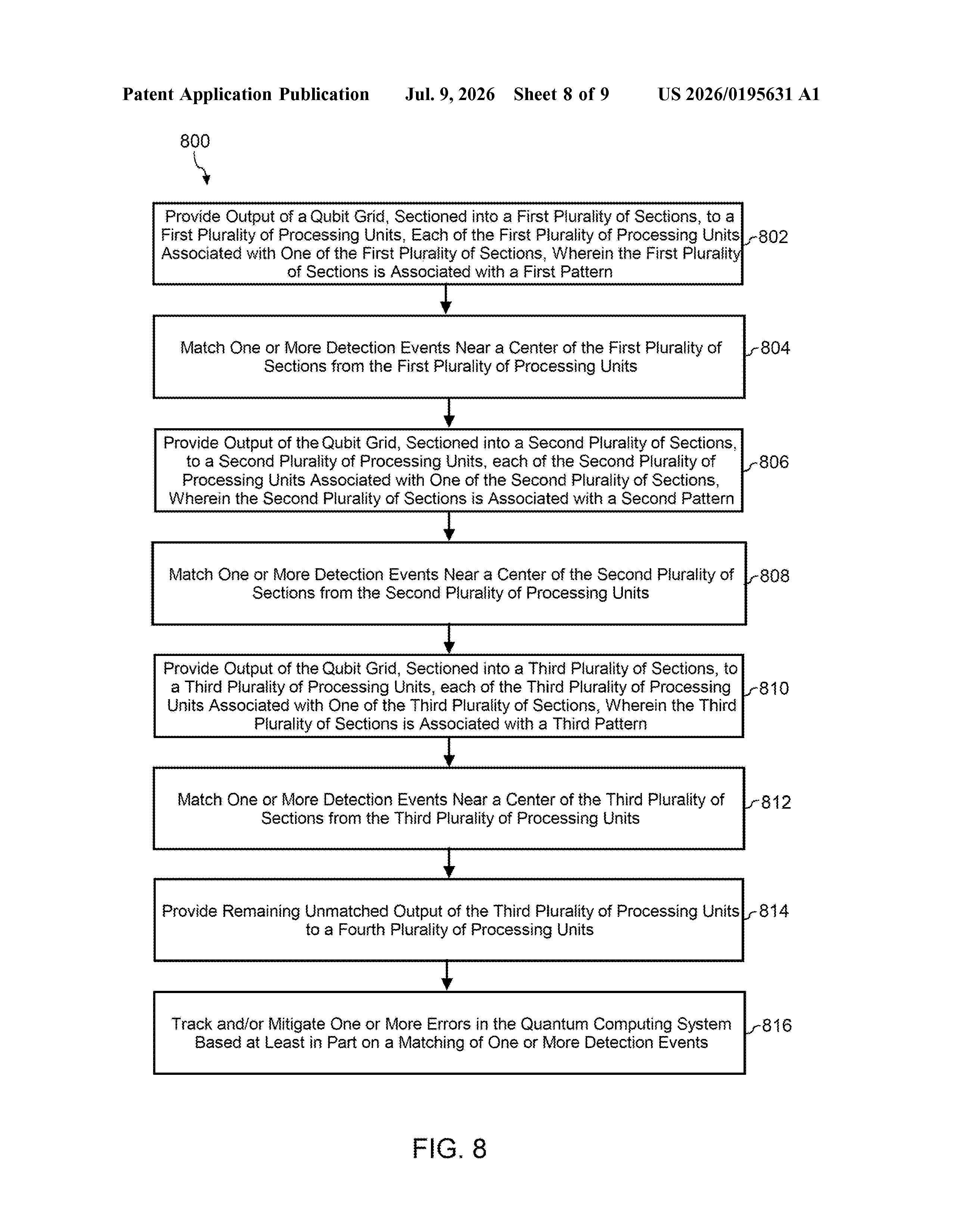
Google's patent describes a way to divide that proofreading job among many small processors at once. Instead of one processor scanning the entire quantum chip for errors, the chip's output is split into overlapping sections, each assigned to its own processor. Each processor focuses on matching error signals near the center of its section, then the system shifts the sections slightly and repeats, catching errors that fell near the edges last time.
The result is a kind of assembly-line error detection that can keep pace with a fast quantum processor, which a single sequential checker simply cannot do. This is the kind of behind-the-scenes plumbing that determines whether quantum computers can ever be practically useful.
How the sliding-pattern matching layers catch qubit errors
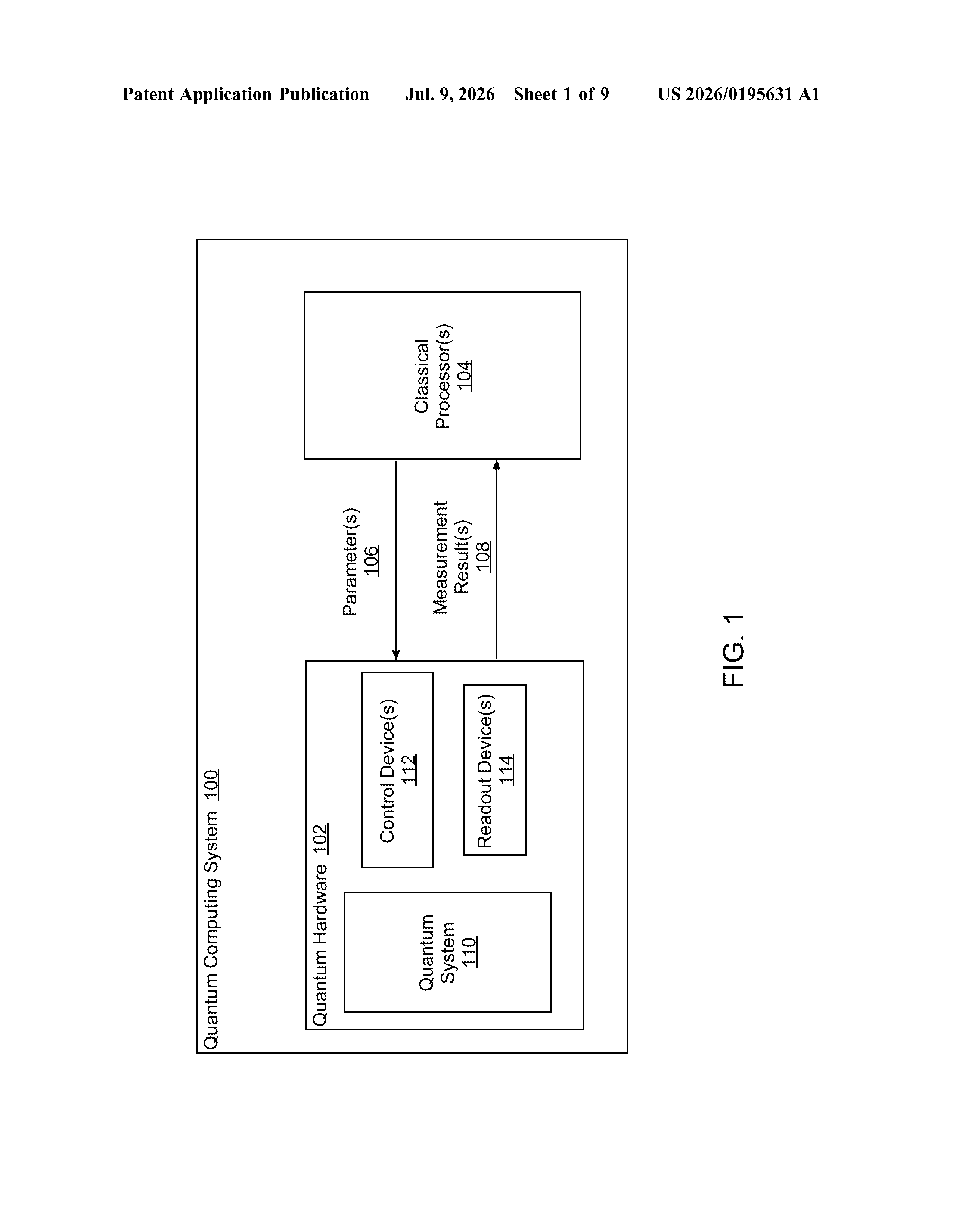
The patent describes a parallel streaming matching system designed to perform quantum error correction (finding and fixing the mistakes qubits make during computation) with low enough delay that it doesn't bottleneck the quantum processor itself.
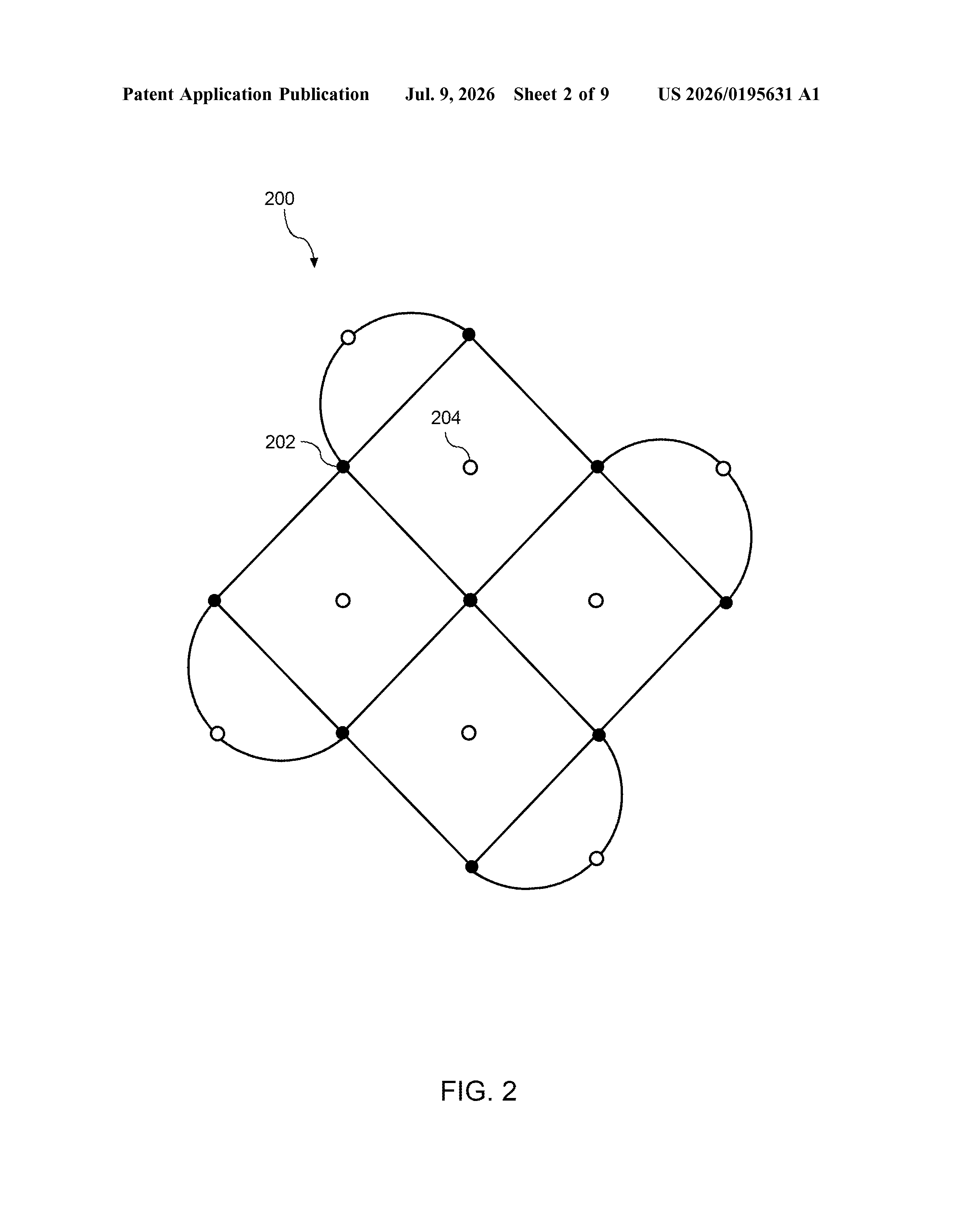
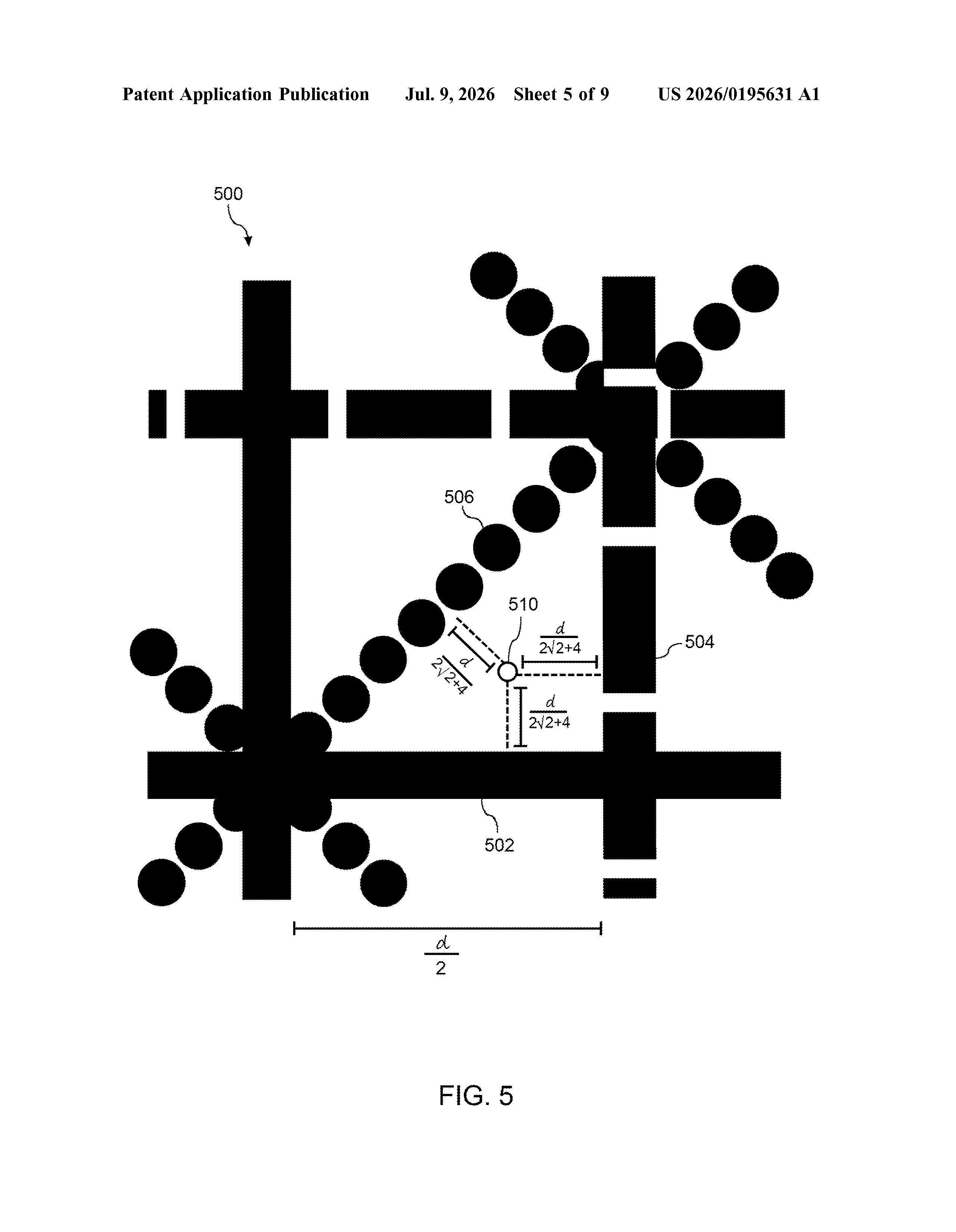
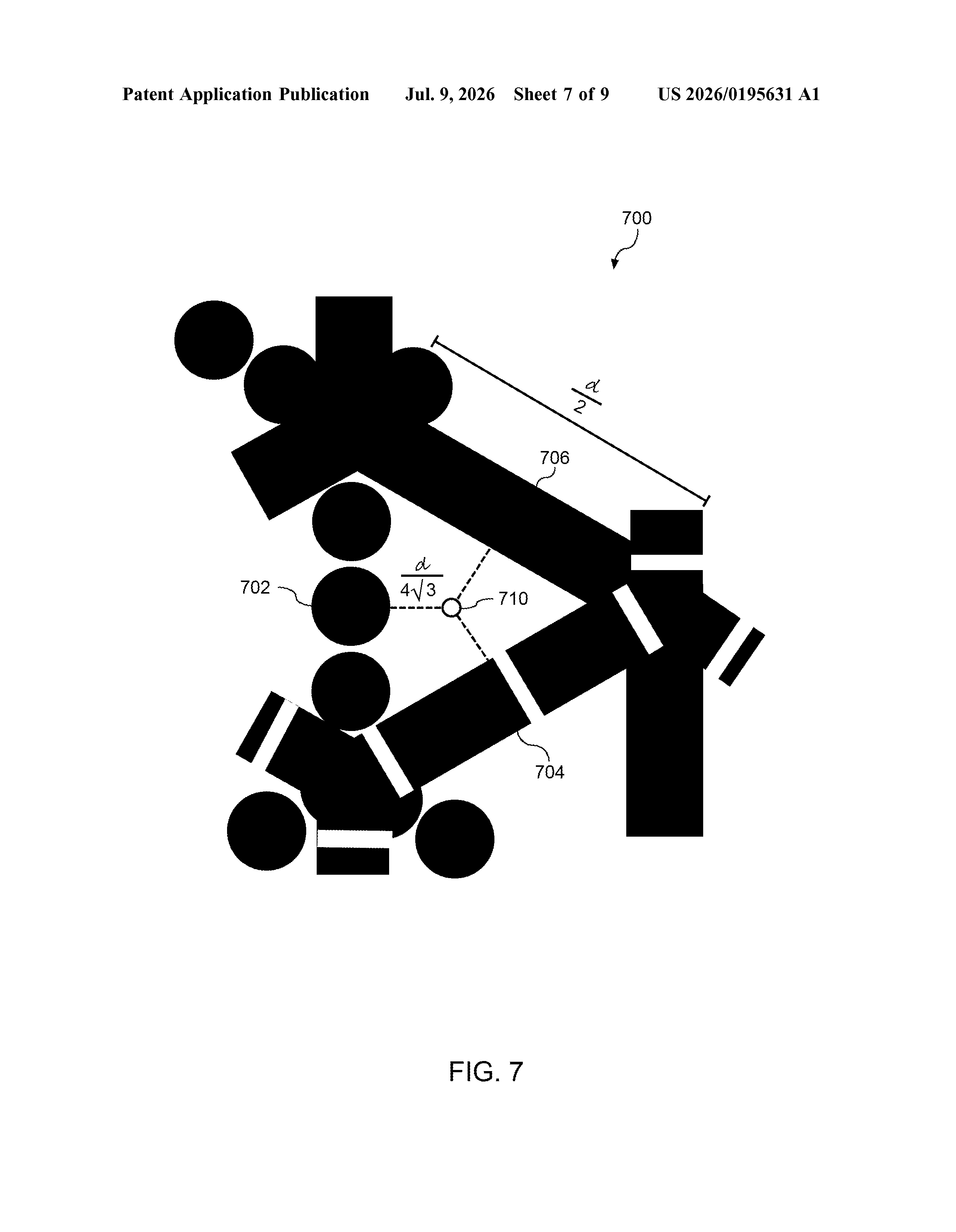
The core idea is a successive pattern structure: the qubits on a quantum chip are divided into sections, and each section is handed to a dedicated processing unit. That unit looks for detection events (signals that something went wrong) near the center of its assigned section. Focusing on the center matters because edge-region errors are ambiguous and are better handled in the next pass.
After one pass, the sections shift (think of sliding a window across the chip), creating a new set of sections with different centers. Errors that fell near the edges of the previous sections now fall near the center of a new section, so a different processor picks them up. The two-pattern approach ensures every detection event gets a fair shot at being matched cleanly.
- Layer 1: Divide qubits into Pattern A sections; each processor matches errors at its section's center.
- Layer 2: Divide qubits into Pattern B sections (offset from A); processors match the remaining edge events.
- Repeat continuously as the quantum computer runs.
The patent is authored by Austin Fowler, who is one of the main architects of the surface code, the leading error-correction scheme for near-term quantum hardware, which adds credibility to the practical relevance of this approach.
Why faster error correction is the key bottleneck in quantum computing
Error correction is widely considered the single biggest engineering obstacle between today's noisy quantum chips and the large-scale machines that could actually outperform classical computers on useful problems. The math of error correction is mostly solved; the challenge is doing it fast enough that the corrections arrive before the next round of errors piles on top.
A system like the one described here, if it works as claimed, could let quantum processors run longer and deeper computations without the error-correction step becoming the slowest part of the pipeline. For Google's quantum computing roadmap, which has publicly targeted fault-tolerant quantum computers as a multi-year goal, patents like this represent the low-level infrastructure work that makes the headline milestones possible.
This is genuinely important work, not flashy product news. Austin Fowler's involvement alone signals this isn't a defensive filing or a speculative idea: he helped invent the error-correction approach that most of the industry is building on. The parallel-section matching concept is a real engineering answer to a real bottleneck, and it's the kind of patent that tends to show up in actual hardware a few years later.
Get our take in your Top Stories
Liked this breakdown? Add Patentlyze as a preferred source on Google, and our plain-English take shows up more often in your Top Stories the next time Google patent news breaks.
There are more where this came from
We read every patent application Big Tech publishes and send you the ones worth knowing. Plain English, free, every week.
The drawings
9 drawing sheets from US 2026/0195631 A1 · click any drawing to enlarge
Want this weekly breakdown for a company we don't cover? Patentlyze Pro →