
Apple Files Patent Describing the Internal Build of an iPhone Charging Port
Apple has filed a patent that describes, in precise legal terms, exactly how the charging port on a mobile phone is physically constructed, from the metal frame around the opening down to the molded plastic floor the connector sits on.
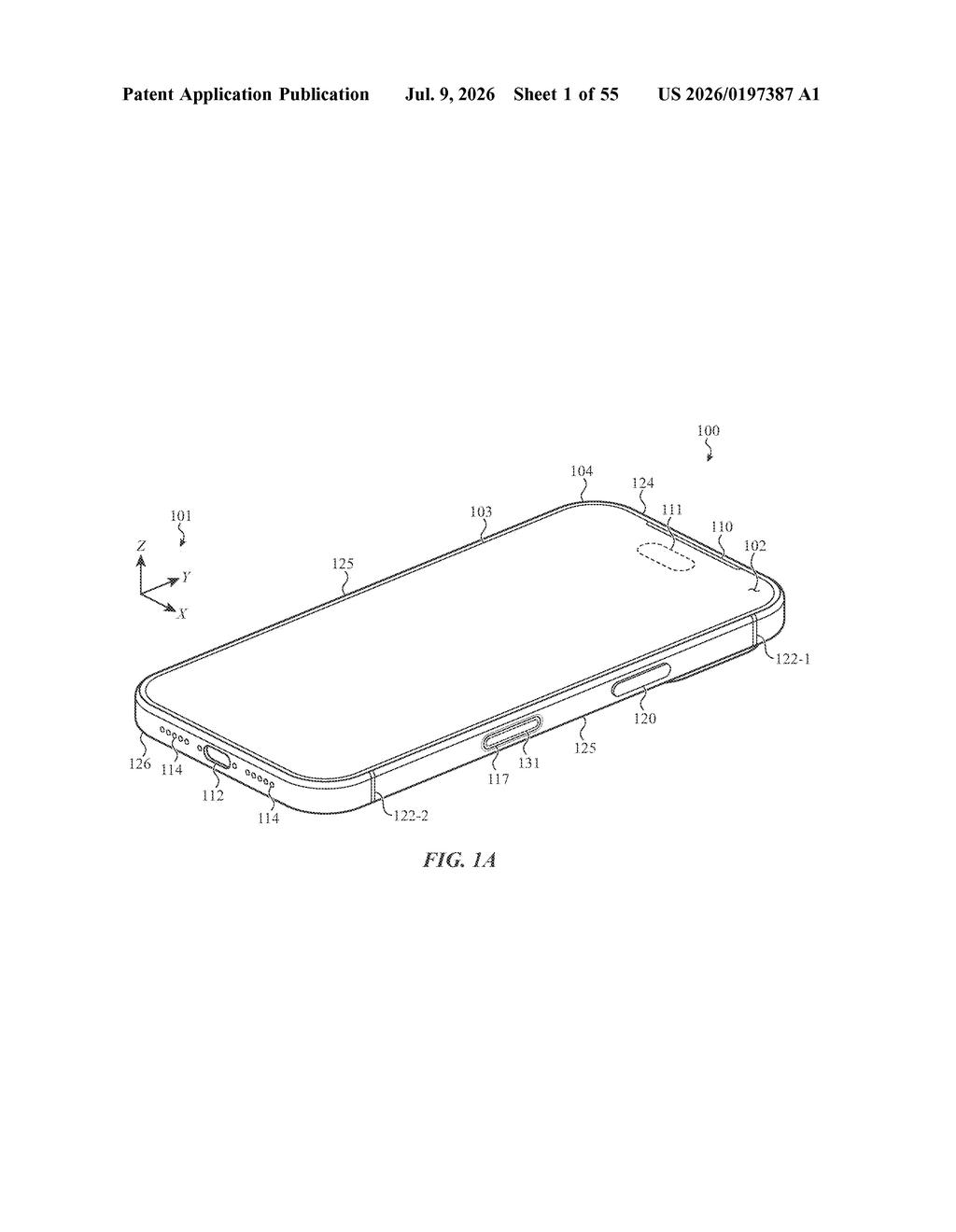
What Apple's charging port construction patent actually covers
Picture the small rectangular slot at the bottom of your phone where you plug in a charging cable. That port isn't just a hole in the metal frame. It's a carefully engineered pocket made of multiple layers, and Apple's patent describes exactly how those layers fit together.
The design starts with a metal segment that forms the bottom edge of the phone and creates the outer opening of the port. A tube-like structure extends inward from that metal piece to form the walls of the pocket. At the end of that tube, a molded plastic piece closes off the bottom and holds the actual electrical connector in place.
This kind of patent is essentially a legal description of a component Apple already builds and may be refining. It locks down the specific arrangement of metal, plastic, and connector so that the design is formally documented and protected.
How the metal frame, polymer shell, and connector fit together
The patent claims a specific layered construction for a smartphone charging port, breaking the assembly into three distinct parts:
- Metal segment: Forms the bottom edge of the phone's outer housing and provides the visible opening of the charging port. A tubular extension called a port structure projects inward from this metal piece and lines the interior walls of the port.
- Molded polymer structure: A plastic piece attached to the inner end of that metal tube, forming the floor (bottom surface) of the charging port cavity. It has a hole through which the electrical connector passes.
- Charging cable connector: The actual electrical component, anchored to the housing and threaded through the hole in the plastic floor so its contact pin extends up into the port where a cable plug can reach it.
The claim also includes a rear cover assembly (the back glass panel) and a front cover assembly (the screen side), both attached to this central housing structure, confirming this is a complete mobile phone construction claim rather than just an isolated port component.
What this means for iPhone durability and repairability
On its face, this is a manufacturing and structural patent, not a feature patent. It doesn't introduce wireless charging, a new port standard, or any user-visible capability. What it does is formally document one specific way to build a USB-C or Lightning-style port so the metal chassis, the interior polymer liner, and the electrical connector all work as an integrated unit rather than loosely assembled parts. That kind of tight integration can improve drop resistance and moisture sealing by reducing how much the port can flex or shift.
For you as a user, the practical angle is durability: a port that is mechanically anchored at multiple layers is less likely to wobble loose over time. It may also be relevant to repairability discussions, since the design separates the metal housing from the polymer connector seat, which could make port replacement more modular.
This is a structural housekeeping patent, not a product announcement. Apple files these kinds of manufacturing-detail patents constantly to protect the specific geometry of its internal components. It's worth a glance if you follow hardware construction closely, but there's nothing here that signals a new product direction or a charging technology shift.
Get our take in your Top Stories
Liked this breakdown? Add Patentlyze as a preferred source on Google, and our plain-English take shows up more often in your Top Stories the next time Apple patent news breaks.
There are more where this came from
We read every patent application Big Tech publishes and send you the ones worth knowing. Plain English, free, every week.
Want this weekly breakdown for a company we don't cover? Patentlyze Pro →