
Intel Patents Technology That Resizes Screen Content Based on Your Distance
Intel has patented a display system that watches how far you are from your screen and automatically makes text and other on-screen objects bigger or smaller to match. It's a simple idea, but one that nobody has baked directly into hardware at the chip level before.
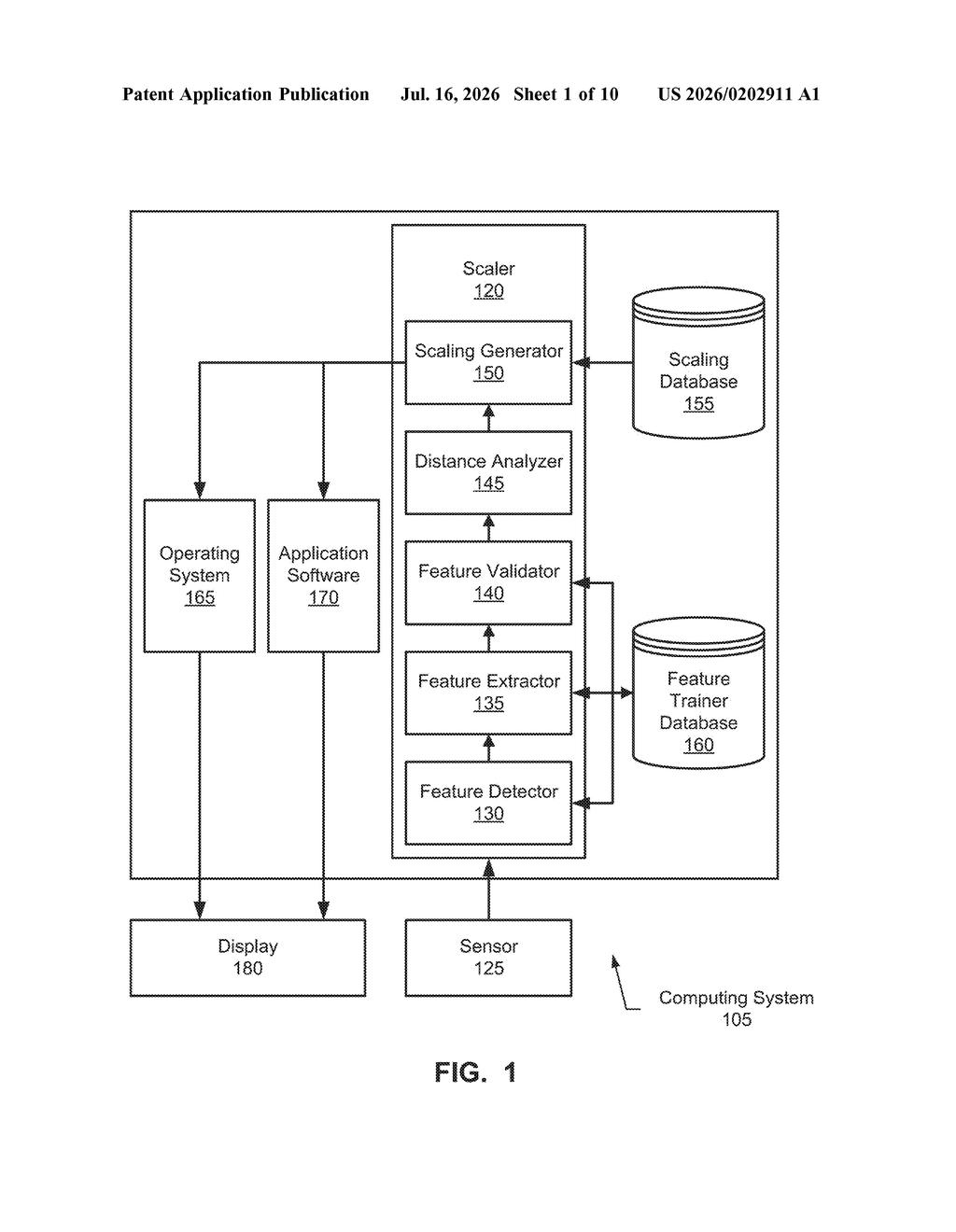
What Intel's distance-sensing display actually does
Imagine sitting across the room from your laptop. The text is tiny, but you don't want to get up and change the zoom setting manually. Intel's patent describes a system that would handle that for you automatically.
A sensor built into or connected to the device measures how far you are from the screen. The system then adjusts the size of what's shown, so text, icons, or other elements grow when you move away and shrink when you sit close. You wouldn't need to touch a settings menu at all.
The idea applies broadly, from personal computers to any display with a sensor attached. It's less about one flashy feature and more about making screens adapt to wherever you happen to be sitting.
How the sensor measures distance and triggers resizing
The patent describes a computing system with four main components: a display, a sensor that outputs a distance signal, stored instructions, and programmable circuitry (the chip logic that ties it all together).
The circuitry uses the sensor's signal to calculate how far a person is from the screen. Based on that distance, it tells the display to resize at least one on-screen object. The patent doesn't lock in a specific sensor type, so this could be an infrared sensor, a camera-based depth sensor, or similar proximity hardware.
The core loop is straightforward:
- Sensor detects distance to the user
- Chipset logic processes that reading
- Display adjusts object size accordingly in real time
The claim is written broadly, covering any computing system with these pieces, which means Intel is staking out a wide claim over the general approach rather than one specific implementation. That breadth is notable, and also exactly why patent examiners tend to push back on filings like this.
What this means for PC and TV display design
For everyday users, the appeal is obvious: screens that adapt to you rather than forcing you to fiddle with zoom sliders or accessibility settings every time you change where you're sitting. Older users, people with low vision, or anyone who occasionally works from the couch could benefit from this kind of automatic adjustment.
For Intel, the strategic angle is about embedding more intelligence into the hardware layer of PCs and displays, which fits the company's broader push to make its chips do more of the ambient computing work. Whether this ends up in a shipping product depends heavily on whether the claim survives examination in its current form, since the concept itself is quite broad.
This is a straightforward idea filed at a high level of generality, which makes it both easy to understand and hard to get approved without significant narrowing. Intel probably knows that. The value here is less about this specific patent holding up and more about staking ground in distance-aware UI adaptation as a category.
There are more where this came from
We read every patent application Big Tech publishes and send you the ones worth knowing. Plain English, free, every week.
Want this weekly breakdown for a company we don't cover? Patentlyze Pro →
Be the first to weigh in