
Google Files Patent for AI Mammogram Readings Compatible With Any Hospital Display
Google is patenting a system that runs mammograms through an AI model and then wraps the results in a format that any hospital display system can read, regardless of how old or new that equipment is.
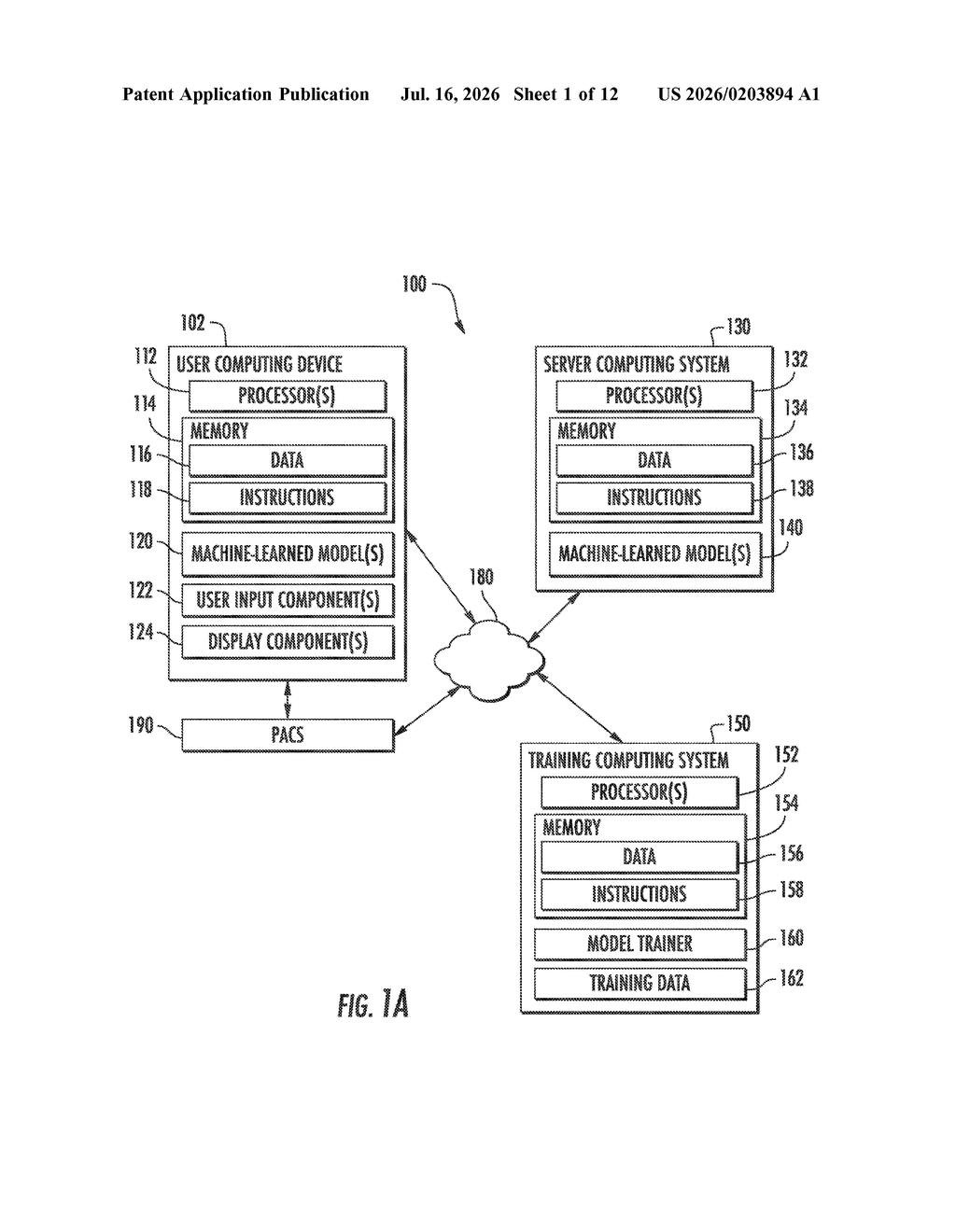
What Google's AI mammogram output actually does
Imagine a radiologist's workstation at a small rural hospital running decade-old software, and one at a brand-new urban medical center running the latest imaging suite. They're both looking at the same type of scan, but their screens speak very different technical languages.
Google's patent describes an AI system that reads mammogram X-rays, flags anything suspicious, and then packages that analysis in a universal format. The output includes the original images with markers drawn around potential problem areas, plus written notes about what the AI found. The goal is that this package works on any display system, not just the ones that happen to be compatible with Google's software.
In short, it's less about the AI doing the reading (though that's part of it) and more about making sure the AI's findings can actually be seen and used by the doctors and nurses at the other end, whatever equipment they're working with.
How the system annotates and stores its findings
The system takes in mammography image data (the raw X-ray files from a breast scan), then runs those images through a machine-learned model trained specifically to spot and classify abnormalities associated with potential cancer.
The model produces classification outputs that describe what it found and how concerning each finding is. Those outputs are then used to build a visual representation output, which contains two things:
- Annotated radiograph images: the original X-rays with markers or overlays drawn on the suspicious regions
- Text data: written descriptions of each detected abnormality tied to the predicted cancer classification
The assembled package is then stored in a medical image output file, a file format designed to be readable across a wide range of hospital display systems and clinical workstations. The key design goal stated in the patent is that this output should work on multiple different display types with different technical capabilities, which addresses a real interoperability problem in radiology: AI tools often only play nicely with specific, expensive, modern equipment.
What this means for AI diagnostics in hospitals
Hospital IT infrastructure is wildly uneven. A single health system might have imaging workstations from five different vendors installed across fifteen years. If an AI diagnostic tool only outputs results in a format that works on the newest hardware, most of those workstations can't use it. Google's approach is to make the AI's output format the flexible part, so the analysis reaches doctors wherever they are, not just in well-funded radiology departments.
For patients, this matters because earlier and wider access to AI-assisted mammogram review could mean abnormalities get flagged faster, particularly in settings that can't afford top-tier radiology equipment. It also signals that Google is building its medical AI tools with hospital adoption as a first-class design constraint, not an afterthought.
This patent is less dramatic than 'AI detects cancer' headlines suggest, but it might actually be more useful. The hard part of deploying medical AI isn't building the model, it's getting hospitals to plug it in. Solving the output compatibility problem is genuinely practical work, and Google filing a patent on it suggests they're thinking seriously about real-world clinical rollout, not just research demos.
There are more where this came from
We read every patent application Big Tech publishes and send you the ones worth knowing. Plain English, free, every week.
Want this weekly breakdown for a company we don't cover? Patentlyze Pro →
Be the first to weigh in