
Qualcomm Patents a Chip That Runs Two AI Processing Styles at Once
Running AI on a phone chip is a balancing act between speed and power. Qualcomm's new patent describes a chip design that tries to have it both ways by putting two very different types of AI processors on the same piece of silicon and letting them pass work directly to each other.
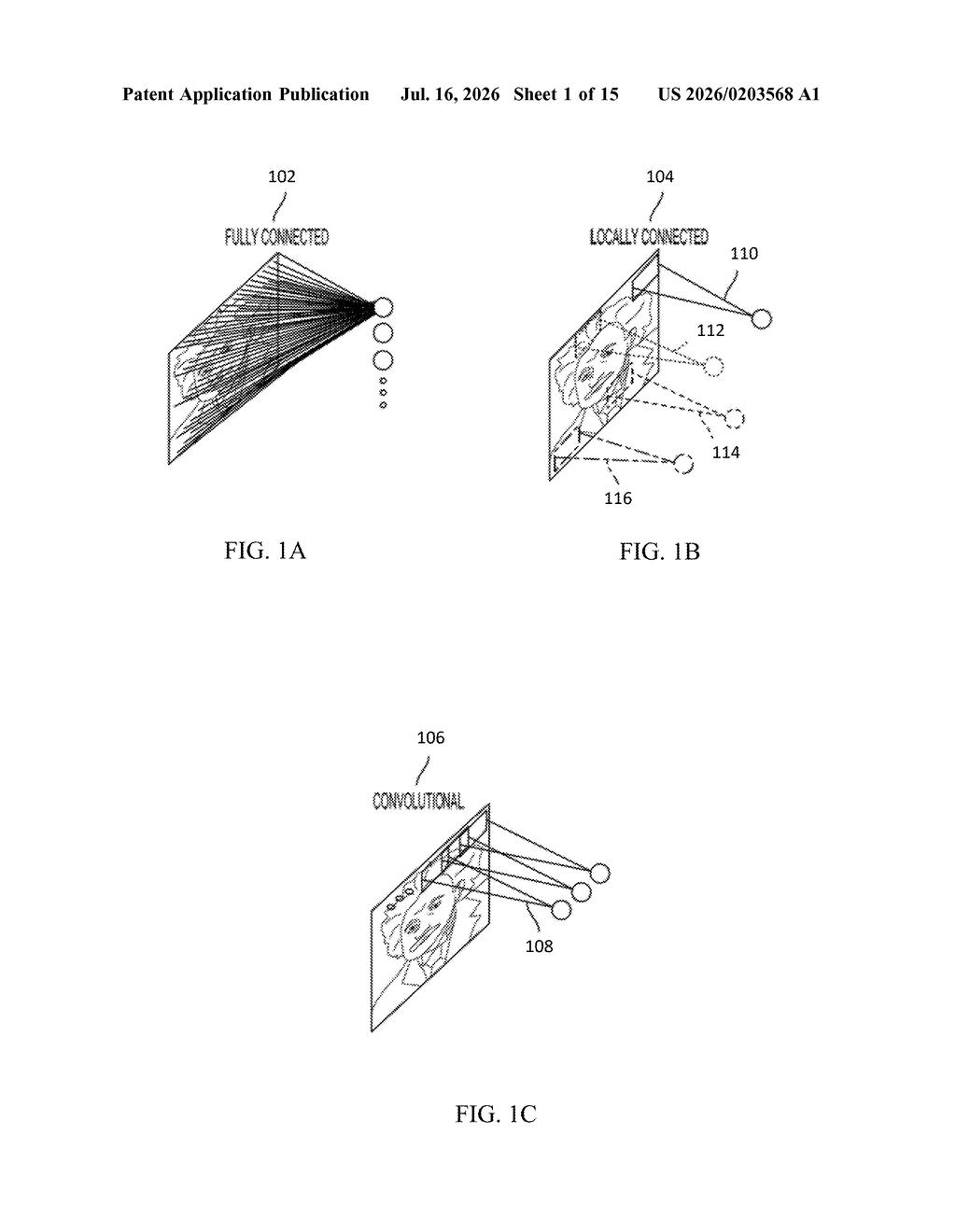
What Qualcomm's hybrid AI chip actually does
Imagine a kitchen with two types of cooks: one who works fast but burns through energy, and one who works slowly but barely uses any power. Most kitchens pick one or the other. Qualcomm's patent describes a kitchen that has both, and lets them hand dishes directly to each other without going through a central refrigerator every single time.
In practical terms, this is about the chip inside your phone that handles AI tasks, like transcribing your voice or recognizing faces in photos. The patent describes a design where two different styles of AI processor sit on the same chip and share a direct line between them, skipping the usual step of writing results to a shared memory pool and reading them back out again.
That skipped step sounds minor, but memory access is one of the biggest drains on both speed and battery life in AI chips. By letting the two processor types talk directly, Qualcomm is trying to get the best performance out of both without the usual penalty.
How the two processing units share data without shared memory
The patent combines two types of AI processing hardware on a single chip:
- NPU (Neural Processing Unit) processing elements: dedicated blocks of silicon designed to run neural network math quickly, the kind already found in modern Snapdragon chips.
- CIM (Compute-in-Memory) processing elements: a newer approach where the math happens inside the memory itself, rather than pulling data out to a separate calculator and pushing it back. This cuts down on the constant back-and-forth that wastes energy.
- A shared bus: a direct communication channel connecting both types of processors.
The key claim in the patent is about how these two sides talk to each other. Normally, when one processing block finishes its work and another needs to pick it up, the result gets written to a shared memory bank and then read back out by the next block. That write-then-read cycle costs time and power.
Qualcomm's design allows at least some data to travel directly between a CIM processing element and an NPU processing element without touching the shared memory. The chip still has shared memory for other tasks, but the critical handoff between these two processor types can bypass it entirely.
This kind of direct transfer matters most during the layered computation inside a neural network, where the output of one stage becomes the input of the next dozens of times in sequence.
What this means for AI running on your phone or laptop
For anyone using a phone or PC for on-device AI tasks, the practical benefit is a chip that can handle more demanding AI workloads without draining the battery as quickly. CIM is particularly efficient for the memory-heavy parts of running large models, while NPU blocks handle the parallel number-crunching. Letting them collaborate with fewer detours means the chip doesn't have to choose between the two approaches.
For Qualcomm specifically, this is a continuation of its push to make Snapdragon chips the go-to silicon for on-device AI in phones and laptops. A hybrid design that reduces memory bottlenecks could give Qualcomm an edge as AI models running locally on devices keep growing in size and complexity.
This is a focused, credible piece of chip architecture work rather than a flashy AI announcement. The specific claim about bypassing shared memory during processor handoffs is the kind of detail that actually moves performance numbers, and it signals that Qualcomm is thinking carefully about the real bottlenecks in on-device AI, not just adding more cores. Worth watching as Snapdragon roadmaps develop.
There are more where this came from
We read every patent application Big Tech publishes and send you the ones worth knowing. Plain English, free, every week.
Want this weekly breakdown for a company we don't cover? Patentlyze Pro →