
Qualcomm Patent Enables Nearby Devices to Detect Each Other Through Radio Signals
Your phone, tablet, and speakers could soon know exactly where they are relative to each other, and automatically adjust what they do based on that. Qualcomm has filed a patent describing a system where devices detect nearby playback, then use radio signals to figure out who's closest and at what angle.
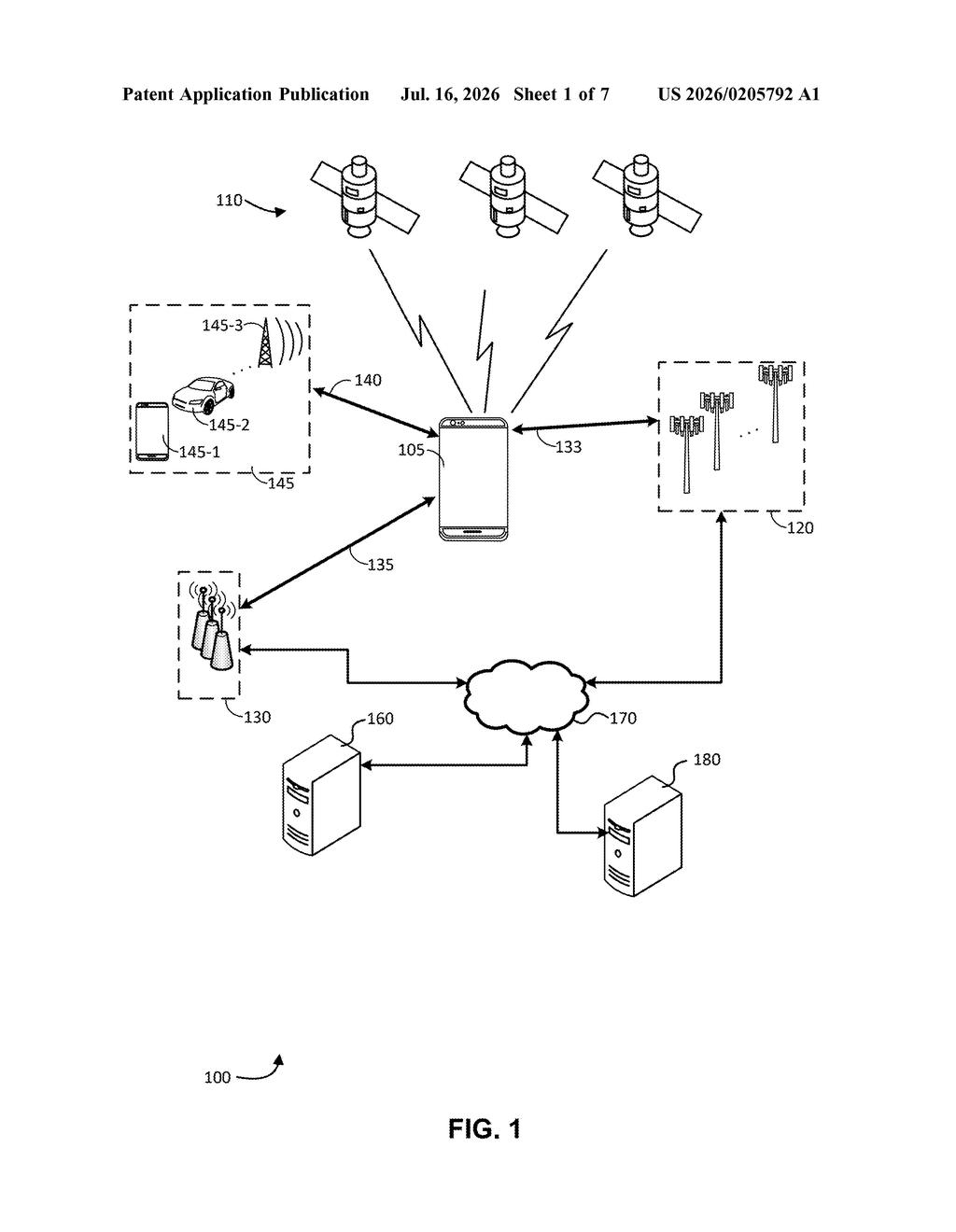
What Qualcomm's proximity-aware device system actually does
Imagine you're watching a video on your tablet and your phone is sitting a foot away. Normally, your phone has no idea your tablet exists, let alone that it's playing audio or video right next to it. Qualcomm's patent describes a way for nearby devices to sense each other's presence automatically, using the same radio signals they're already broadcasting.
Once a device notices that another gadget nearby is playing content, it listens for a kind of identification tag embedded in the radio signal. If both devices share common information in that tag, they know they're part of the same world, and the first device uses that signal to calculate how far away the second is, and at what angle.
Based on those measurements, a device can switch into a different operating mode. Think: automatically lower your phone's volume because a speaker is right next to you, or tell a smart home hub exactly where a playing device is sitting in the room. It's a way for your gadgets to build a small, real-time map of each other.
How radio signals measure distance and angle between devices
The patent describes a three-step loop: detect, measure, and act.
Detection happens first. The primary device, which the patent calls the "first device," uses its sensors or wireless radios to notice that a nearby "second device" is actively playing content. This could be triggered by audio, a wireless beacon, or some other signal the second device is emitting.
Measurement comes next. The first device listens for reference signals (standardized radio transmissions used for calibration purposes in wireless communications). If those signals carry metadata that both devices have in common, the first device uses the signals to estimate two things:
- Distance to the second device, calculated from how the radio signal behaves over the air
- Relative angle, meaning the direction the second device is coming from, calculated using the pattern of how the signal arrives at the antenna
Action follows from those measurements. The first device can switch into one of several preset operating modes based on proximity and direction. Alternatively, it can forward the second device's location data to a third device, such as a hub or controller, so that something else in the system can act on the information.
The patent also covers the scenario where a third device coordinates the whole exchange, making this a framework for multi-device coordination rather than just a simple two-gadget handshake.
What this could mean for multi-device audio and smart home setups
For consumers, the immediate appeal is automatic, location-aware behavior across a group of devices. A pair of earbuds could detect that a phone running audio is inches from your ear and suppress its own output. A smart display could tell a home hub where a playing device is physically located in a room, enabling better speaker routing or do-not-disturb logic without any manual setup.
For Qualcomm specifically, this is relevant because the company supplies the wireless chips inside a huge share of phones, earbuds, and connected home devices. A patent like this, which sits at the radio-signal layer, could become part of a chipset feature that device makers build on top of, giving Qualcomm a platform-level role in how device groups coordinate rather than just moving data.
This is a quiet but genuinely useful idea. The problem it solves, devices being oblivious to each other even when they're inches apart, is real and annoying. The approach of piggybacking on existing radio reference signals rather than adding new hardware is practical. Whether it amounts to a significant product feature depends entirely on whether Qualcomm can get device makers to build consistent behavior on top of it, which is the hard part.
There are more where this came from
We read every patent application Big Tech publishes and send you the ones worth knowing. Plain English, free, every week.
Want this weekly breakdown for a company we don't cover? Patentlyze Pro →
Be the first to weigh in