
New Patent Fights Fake Cell Tower Threats on 5G and 6G Networks
Fake cell towers, sometimes called "IMSI catchers" or "stingrays," can trick your phone into connecting to them and intercepting your calls and data. Samsung's new patent describes a way for phones to cryptographically check that a tower is who it claims to be before trusting it.
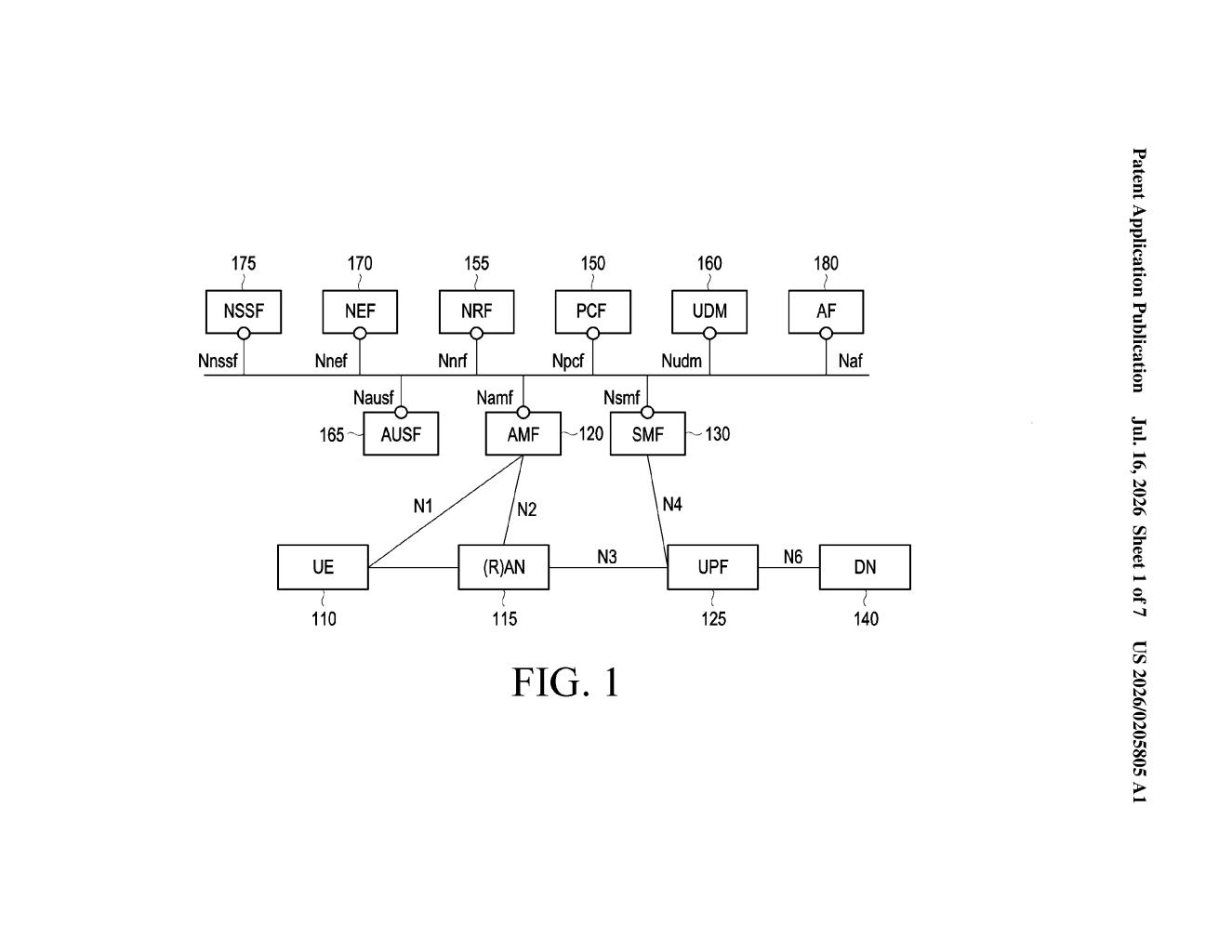
How Samsung's tower-verification idea protects your phone
Imagine getting a call from someone claiming to be your bank. You'd want proof it's actually them, not just their word for it. Your phone faces the same problem every time it connects to a cell tower: it usually just trusts whatever tower has the strongest signal, with no ID check.
Fake cell towers, used by criminals and surveillance operations, exploit exactly that blind trust. They mimic a real tower, your phone connects, and the attacker in the middle can see your traffic. Samsung's patent describes a system where your phone and the real tower exchange digital certificates (think of them like verified ID badges) before the connection is trusted. Both sides sign messages with private keys that only they hold, and both sides can check the other's signature against a public key.
If the tower can't produce a valid signature, your phone knows it's fake and can refuse to connect or warn you. The whole exchange is designed to happen automatically, without you needing to do anything.
How the public-key handshake confirms a tower's identity
The patent describes a mutual authentication protocol between a phone (called a UE, or User Equipment, in telecom language) and a base station (the cell tower).
Here's how the exchange works:
- Your phone holds a secret signing key (a private cryptographic key only your device knows) and a matching public key (a shareable version that others can use to verify your signatures).
- The base station does the same: it has its own secret key and a public key it shares with the phone.
- The phone sends the tower a challenge message asking it to prove its identity. The tower responds by signing the message with its secret key. The phone then checks that signature using the tower's public key.
- Critically, the phone also provides proof of ownership of its public key, so the tower can verify the phone isn't impersonating another device either.
The scheme is essentially the same approach HTTPS uses to prove a website is legitimate, applied to the cellular network layer. If the tower's signature doesn't check out, the phone can flag or reject the connection. The patent covers both the phone-side method and the corresponding behavior expected from a genuine base station.
What this means for 5G security and fake-tower attacks
Fake base station attacks (IMSI catchers, stingrays) are a real and documented threat used against journalists, activists, and ordinary people in countries around the world. Current 4G and early 5G deployments give phones little ability to actively challenge a tower's identity. This patent, if it made its way into 5G or 6G standards, would close that gap at the device level.
For you, the practical payoff would be a phone that silently refuses to hand your data to a rogue tower, the same way your browser refuses to load a website with a bad security certificate. Samsung filing this under a 5G/6G framing suggests it's positioning the idea for standards bodies like 3GPP, where getting a proposal adopted would mean the protection could spread across the whole industry, not just Samsung handsets.
This is genuinely worth paying attention to. Fake base station attacks aren't a theoretical threat, and the cellular industry has been frustratingly slow to add device-side verification. Samsung is one of the few companies that makes both handsets and network equipment, which gives it unusual leverage to push something like this through standards bodies. Whether it gets there is a long shot, but the direction is right.
There are more where this came from
We read every patent application Big Tech publishes and send you the ones worth knowing. Plain English, free, every week.
Want this weekly breakdown for a company we don't cover? Patentlyze Pro →
Be the first to weigh in