
IBM Patents a Digital Label That Tells the Cloud How to Handle Your Data
IBM wants to attach a smart instruction packet to every dataset before it gets sent off for cloud processing, so the data knows how it should be handled before any human has to intervene.
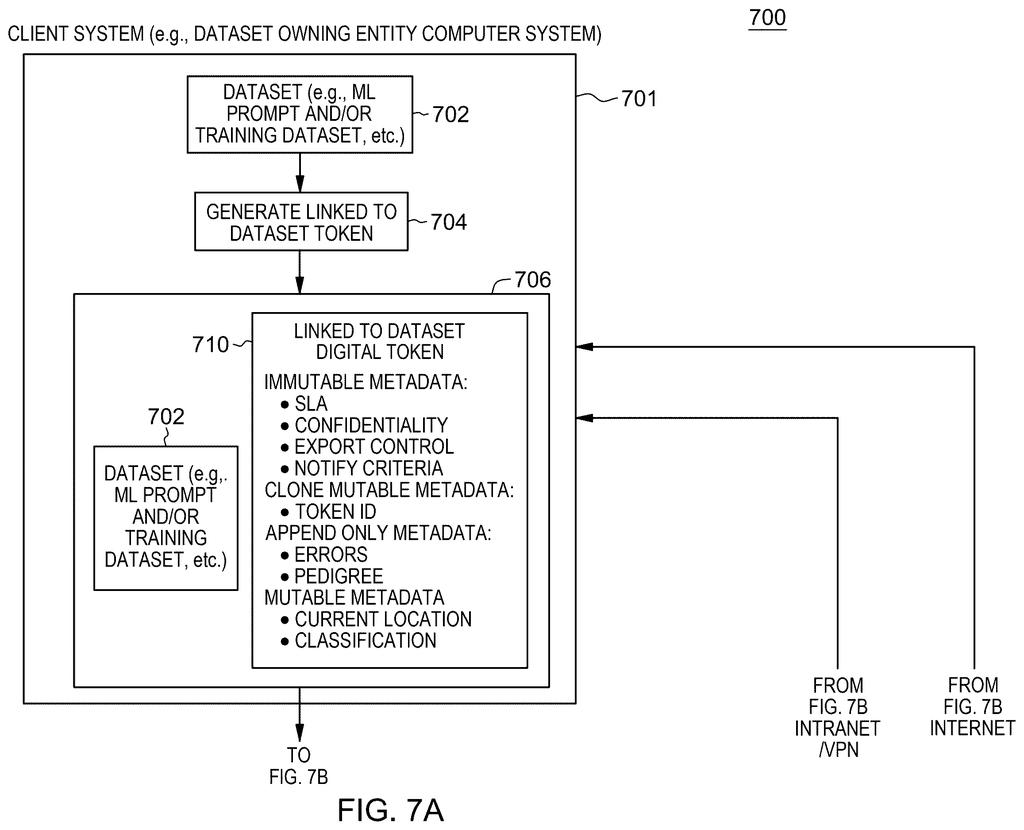
What IBM's dataset token system actually does
Imagine sending a package to a warehouse, but instead of calling ahead to explain what's inside and how to handle it, you tape a set of instructions directly to the box. That's essentially what IBM is patenting here.
When a company sends data to a cloud computing service for processing, someone usually has to configure how that data should be treated. IBM's idea is to create a digital token, a kind of attached rulebook, that travels with the dataset and tells the cloud system exactly what to do with it. The token contains decision-making rules and descriptive information about the data, so the processing environment can act on it without waiting for extra instructions.
The practical upside is that organizations could ship data to distributed cloud systems and have consistent, pre-defined rules applied automatically, without relying on the cloud provider to figure out the right approach on its own.
How the token carries logic and metadata with the data
The patent describes a method for creating a digital token that gets attached to a dataset before it is sent to a distributed computing environment (think: a network of cloud servers or microservices that process data in parallel).
Building the token involves two main steps:
- Incorporating decision-making logic, rules and conditional instructions that tell the processing system how to handle the data (for example, which service should process it, in what order, or under what security constraints).
- Generating metadata layers, descriptive information about the dataset, derived using that same decision-making logic, which gives the cloud system context about what it is receiving.
Once built, the token is linked to the dataset, creating a paired unit. When the dataset is transmitted, the token travels with it. The cloud environment reads the token and uses its embedded logic and metadata to govern how processing unfolds, rather than relying on external configuration or human intervention at the point of receipt.
The architecture is designed to work across distributed computing services, meaning the token can carry instructions that apply consistently even when the data touches multiple systems or nodes.
What this means for enterprise cloud data control
For large enterprises that regularly push sensitive or complex datasets to cloud environments, controlling how that data gets processed is as important as controlling where it goes. Today, that often requires upfront configuration work or close coordination with cloud providers. IBM's token approach would let organizations bake those controls directly into the data pipeline from the start.
This is squarely aimed at IBM's existing enterprise customer base, many of whom use IBM's own cloud and hybrid cloud infrastructure. A system like this fits naturally into compliance-heavy industries like banking, healthcare, and government, where rules about data handling are strict and auditable trails matter.
This is infrastructure plumbing, not a consumer-facing breakthrough. The idea of attaching metadata and processing rules to a dataset is not new in spirit, but packaging it as a structured, linked token that travels with the data through distributed systems is a concrete engineering approach worth watching. If IBM can make this work reliably across heterogeneous cloud environments, it solves a real operational headache for enterprise IT teams.
There are more where this came from
We read every patent application Big Tech publishes and send you the ones worth knowing. Plain English, free, every week.
The drawings
15 drawing sheets from US 2026/0212030 A1 · click any drawing to enlarge


Want this weekly breakdown for a company we don't cover? Patentlyze Pro →
Be the first to weigh in