
IBM Patents a System That Rewrites Training Instructions for Each Learner's Setup
IBM's new patent tackles one of the most persistent frustrations in remote training: one person is on a Mac, another is on a tablet, and the instructor's step-by-step guide fits neither of them perfectly.
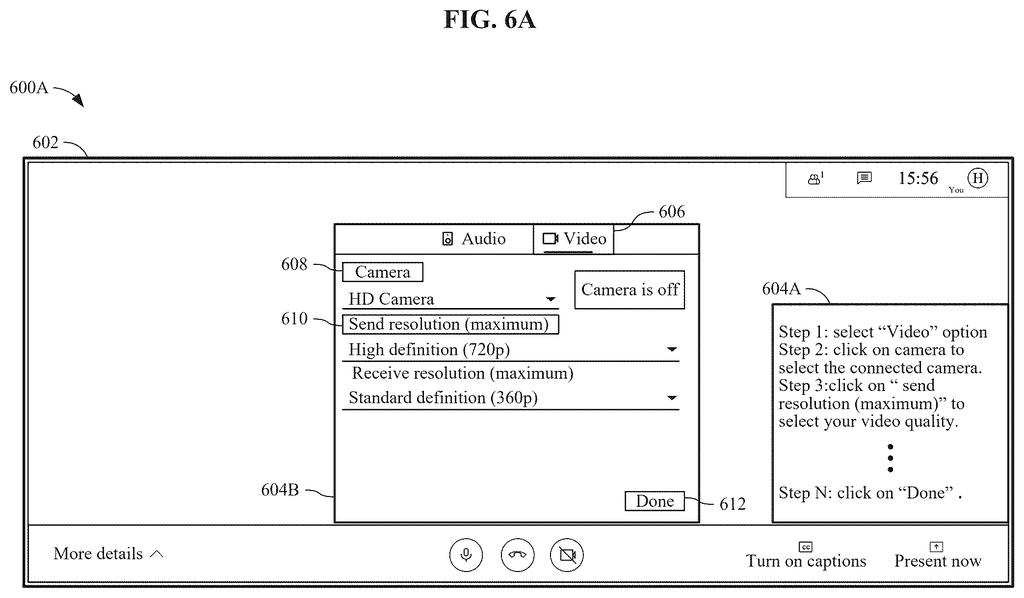
How IBM's adaptive training session patent works
Ever sat through a training session where the instructor says "click the menu in the top-right corner" but your screen looks completely different? That mismatch is exactly what this IBM patent is designed to fix.
The idea is to watch what a trainer does on their device, compare that setup to your device's setup, and then automatically rewrite the instructions so they match your screen, your software version, or your environment. Instead of one set of generic steps that may or may not fit your situation, you'd receive directions tailored to what's actually in front of you.
IBM uses a language model (the same category of AI that powers chatbots) to do the translation work. It reads the original instructions alongside the differences between the two environments and generates a new version that should make sense for the second user's specific context.
… applying, by the computer, a language model on the first set of instructional interactions, the first environment data, and the second environment data based on the detection of the first set of instructional interactions; generating, by the computer, a second set of instructional interactions …
Translation: The system uses AI to rewrite training materials by comparing the technical settings of two different users.
How the language model translates one environment's steps to another
The patent describes a computer-implemented method that runs during a live or recorded virtual training session. Here is the core flow:
- Environment scanning: The system collects "environment data" from two devices. This likely covers things like operating system, screen layout, installed software version, or interface state.
- Difference detection: It compares the two environments and flags where they diverge. Only when a difference is confirmed does the next step trigger.
- Interaction capture: The system records a "first set of instructional interactions" from the trainer's device. Think of this as logging the actual clicks, keystrokes, or on-screen steps the instructor performs.
- LLM translation: A language model (an AI that understands and generates text or instructions) takes those recorded steps, the trainer's environment data, and the learner's environment data, then generates a "second set of instructional interactions" adapted for the learner's specific setup.
The output is a translated set of instructions that the second user's device receives. The patent does not restrict this to one-to-one sessions; the structure implies it could scale to multiple learners with differing environments simultaneously.
Key distinction: the adaptation is triggered by detected environmental differences, not applied universally, so the system is not simply rewriting everything for every user regardless of need.
The first environment data and the second environment data are analyzed to determine the first environment is different from the second environment data. A first set of instructional interactions associated with at least one of the first user device or a first entity is detected.
Translation: The software checks if two users have different hardware or software setups before it decides how to teach them.
What this means for remote corporate training tools
Corporate learning and development software is a crowded market, and the standing complaint from IT teams running onboarding sessions is that no two employees start with identical setups. A system that automatically bridges those gaps could reduce the support burden on trainers and cut down the time new hires spend confused by instructions written for a different version of an app or a different operating system than the one they have.
IBM has a long history in enterprise software, and this patent fits squarely into the workflow-automation category where large companies pay significant licensing fees. It sits alongside latest Big Tech patents covering AI-driven enterprise productivity tools, a filing area that has seen a surge of activity as companies race to embed language models into back-office and training workflows. If granted, Claim 1 as written is broad enough to cover any virtual session platform that compares two device environments and uses an AI model to rewrite instructions accordingly.
Claim 1 is written at a high level of abstraction. It does not specify the type of environment data, the architecture of the language model, or the format of the instructional interactions. That breadth could make this a wide-reaching patent if granted, potentially covering a large slice of AI-assisted training software that detects device differences and adapts content in response. The practical consequence is that any enterprise e-learning vendor building adaptive instruction features would want to know whether their implementation falls inside this claim's boundary. The flip side is that examiners at the USPTO tend to push back hard on claims this abstract, especially when language-model applications are involved, so the path to grant will likely require narrowing.
There are more where this came from
We read every patent application Big Tech publishes and send you the ones worth knowing. Plain English, free, every week.
The drawings
9 drawing sheets from US 2026/0236136 A1 · click any drawing to enlarge


Want this weekly breakdown for a company we don't cover? Patentlyze Pro →
Be the first to weigh in