
IBM Patent Reveals AI That Identifies Which Class Combinations Improve Learning Outcomes
IBM has filed a patent for a system that watches how students respond to different teaching formats, then uses machine learning to predict which combination of sessions will actually stick.
How IBM's AI picks the right learning format mix
Imagine you're taking a corporate training program. Some of it is live video lectures, some is self-paced reading, and some is interactive simulations. You finish the course, but nobody really knows which parts helped you learn and which parts you just clicked through. IBM's patent tries to fix that.
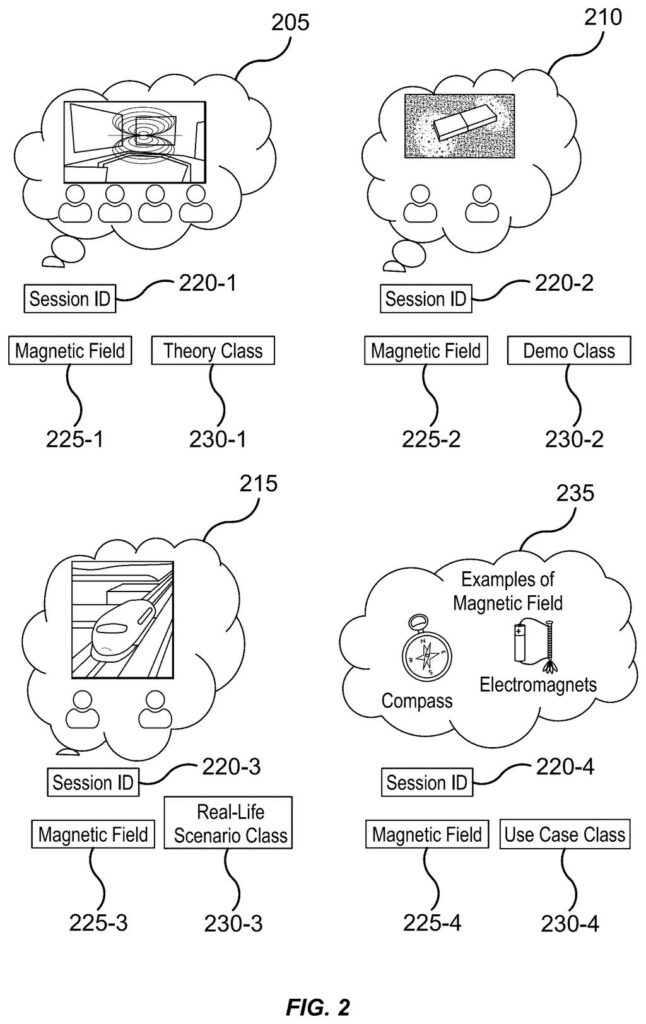
The system tags each session by both its format (video, text, simulation, etc.) and its topic, then tracks how individual learners perform across different combinations of those sessions. Over time, it builds a picture of what mixes tend to work, and for whom.
Once it has enough data, an AI model fills in the gaps, predicting how well a combination of sessions would work even if no one has tried that exact mix before. The system then groups similar combinations together and recommends the best blends for future learners.
How the ML model clusters and predicts session combos
The patent describes a pipeline with several moving parts:
- Mode tags label each educational session by delivery format, such as live instruction, video, text, or hands-on simulation.
- Content tags label sessions by subject matter, so the system knows what each one is teaching.
- Learner profiles record which combination of sessions a person attended and how well they performed, using effectiveness metrics (think quiz scores, completion rates, or knowledge-check results).
A machine learning model is then trained on those profiles to find correlations between session combinations and outcomes. The key step is using that model to predict effectiveness for combinations that no learner has tried yet, which solves a classic cold-start problem in recommendation systems.
Finally, the system uses clustering (grouping similar combinations based on predicted outcomes) to identify the best candidate mixes for packaging together. The result is a ranked list of session bundles that the platform can offer to new learners.
What this means for corporate and online education
Corporate training and online education platforms spend enormous amounts of money producing content with little evidence of what actually works together. This kind of system could, in theory, let a platform like IBM's own SkillsBuild or any enterprise learning management system stop guessing and start optimizing based on real outcome data.
For you as a learner, the promise is that your training program would stop being a generic playlist and start being something shaped by what has worked for people like you. The catch, as with all AI-driven personalization, is that the quality of the output depends entirely on the quality and volume of the input data. Small programs with few participants may not generate enough signal to make the predictions meaningful.
This is a well-scoped but fairly incremental patent. IBM is essentially describing a recommendation engine applied to education, which is not a new idea, but the specific combination of format tagging, outcome tracking, and ML-driven gap-filling for untested session combinations gives it a concrete angle. It reads more like a product specification for an enterprise LMS feature than a foundational research claim.
There are more where this came from
We read every patent application Big Tech publishes and send you the ones worth knowing. Plain English, free, every week.
The drawings
7 drawing sheets from US 2026/0212775 A1 · click any drawing to enlarge


Want this weekly breakdown for a company we don't cover? Patentlyze Pro →
Be the first to weigh in