
Samsung Patents AI That Adjusts How Light or Dark Each Pixel Looks
Most cameras apply a single brightness formula to an entire photo. Samsung's new patent describes a system where a neural network picks a different formula for each pixel, then blends several of them together based on what that pixel actually contains.
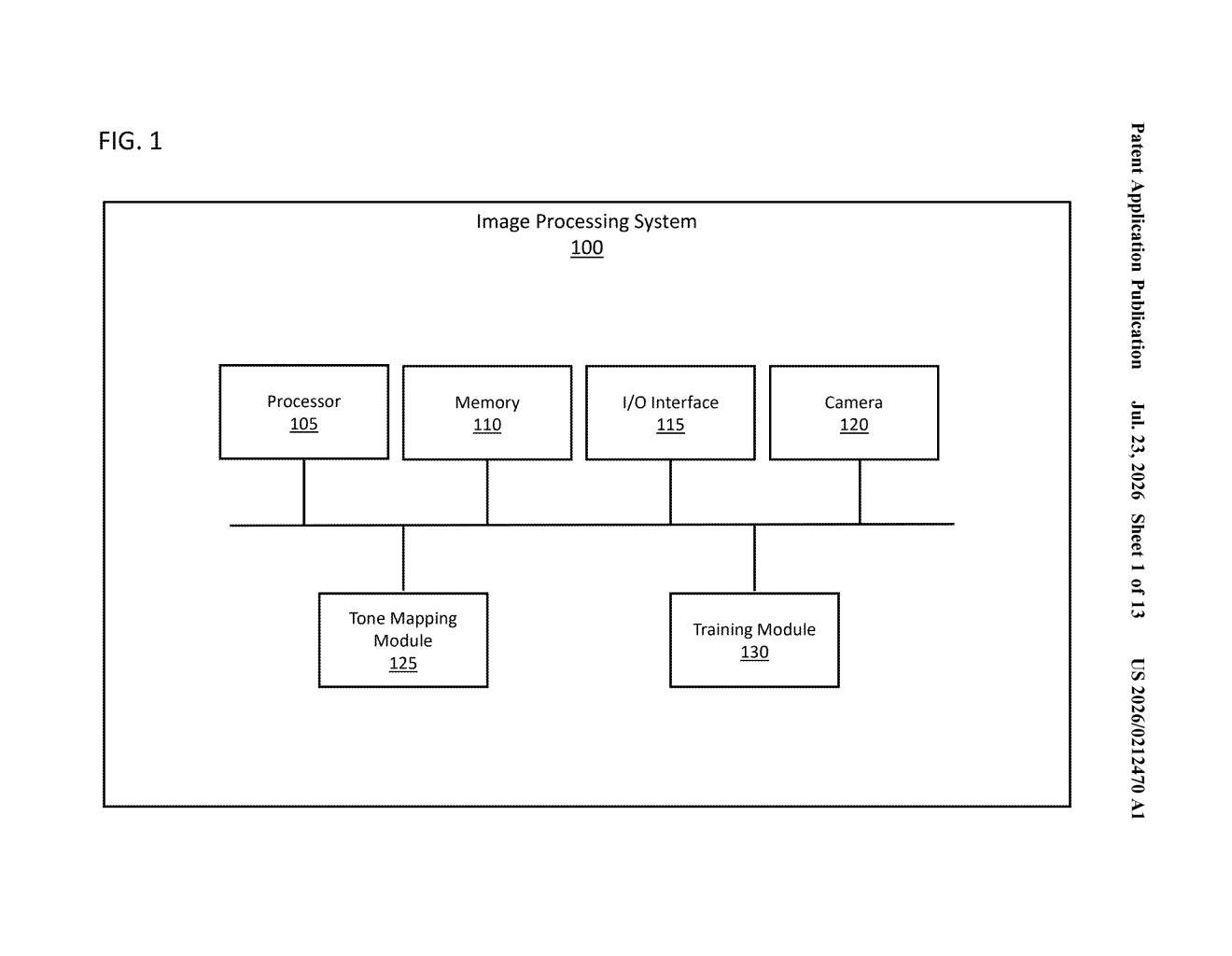
What Samsung's per-pixel brightness AI actually does
Imagine taking a photo of someone standing in front of a bright window. The sky outside is almost white, your friend's face is in shadow, and the lamp in the corner is somewhere in between. Getting all three to look natural in one shot is genuinely hard, because the rule that makes the sky look right will wash out the face, and vice versa.
Samsung's patent describes a system where an AI doesn't apply one brightness rule to the whole image. Instead, it generates several different brightness curves, then figures out how much weight each curve should carry for each individual pixel. A pixel in the shadow zone gets a different blend than the one blown out by the window.
The system also takes in tuning parameters, which are basically dials a manufacturer or user can set to control the overall look, like how punchy or natural the final photo should feel. The AI factors those preferences in while it's doing the blending, not as an afterthought.
How the neural networks split and blend the tone curves
The patent describes a pipeline with two types of neural network models working in parallel.
First neural network group: A set of separate models each generate their own tone mapping curve (a graph that translates the original brightness of a pixel into an output brightness). Each model produces a different curve, optimized for different parts of the tonal range, like deep shadows, midtones, or highlights.
Second neural network: A different model looks at the same pixel data and produces weight factors, essentially a score for how much each curve from the first group should contribute to that particular pixel's final value. Think of it like a DJ fading between multiple audio tracks, but for brightness.
- Input: raw pixel values plus at least one tuning parameter (a style or intent setting)
- Processing: multiple tone curves generated, weights calculated per pixel
- Output: a blended, tone-mapped pixel value for every point in the image
The tuning parameter feeds into both sets of models, so the blend is always anchored to a human-defined intent rather than purely algorithmic guesswork.
What this means for Galaxy camera photo quality
Tone mapping is one of the most consequential steps in computational photography, the step that decides whether a high dynamic range scene looks stunning or muddy. Current approaches often apply a global curve or break the image into rough zones. A per-pixel, weighted blend of multiple AI-generated curves is a more precise approach that could close the gap between what your eye sees and what the sensor captures.
For Samsung, which competes closely with Apple and Google on camera quality, better tone mapping is a meaningful differentiator. If this ships in a Galaxy device, the most obvious place to feel it would be in tricky mixed-light scenes, exactly the shots that make or break a camera reputation.
This is a real engineering bet, not a trivial filing. Running multiple neural networks in parallel per frame requires serious on-device compute, and Samsung's Exynos and Snapdragon-based chips are increasingly built for exactly that workload. The tuning-parameter design also suggests Samsung wants to give itself (or users) meaningful creative control over the final look, which is the kind of detail that separates a research paper from a shipping feature.
Which company should we read for you?
We track 17 companies here. Pro is the same weekly breakdown for any company you choose, delivered privately. Type a name and we'll scope it and send you a quote.
Get one Big Tech patent every Sunday
Plain English, intelligent commentary, no hype. Free.
Editorial commentary on a publicly published patent application. Not legal advice.