
Samsung Patents AI Defect Detection Method Using Synthetically Generated Flaw Images
Finding defects on a production line is only as good as your training data. Samsung's new patent tackles a core frustration in factory AI: there are never enough real examples of flaws to teach a model what to look for.
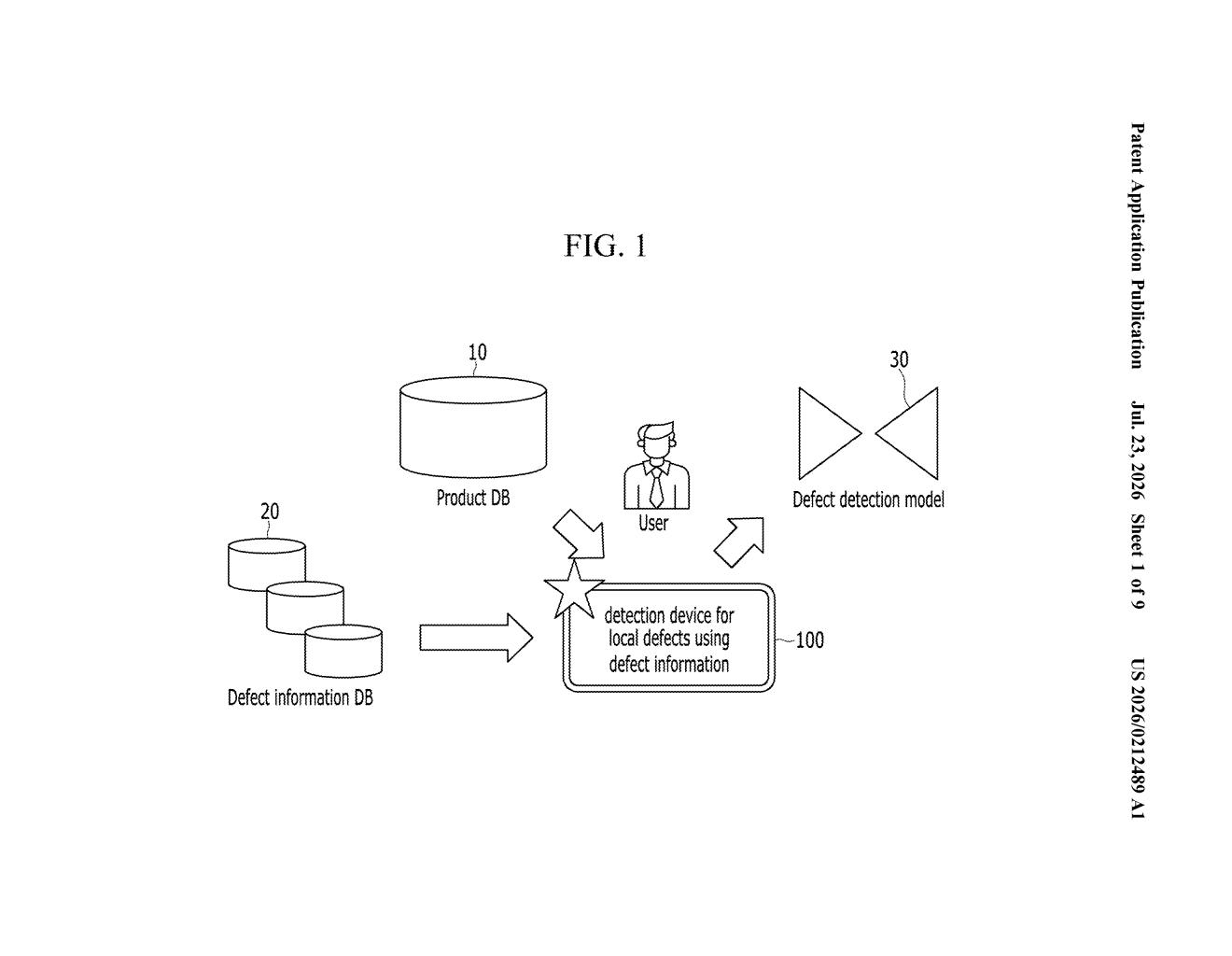
How Samsung teaches AI to find defects without real examples
Imagine you're training a new quality-control inspector, but defective products are so rare that they barely ever see one. That's the problem facing AI systems on modern manufacturing lines, where a chip or screen might come out perfectly fine 99.9% of the time.
Samsung's patent describes a system that invents defect images. It takes a photo of a good product, then digitally adds a flaw based on known defect information. The result is a library of realistic-looking bad examples that can be used to train an AI inspector without waiting for real failures to pile up.
Before those fake images get used for training, a built-in quality check decides whether each one is convincing enough. Two AI models compare notes: if they disagree about whether the image looks normal, the fake defect is considered realistic. If both models agree it looks fine, the image gets filtered out. Only the believable fakes make it into the training set.
How the two-model validity check filters bad training images
The system is built around three linked components working in sequence.
Defect image generation: Starting from a clean reference photo (the "normal image"), the device synthesizes a new image that includes an artificial flaw drawn from a database of defect information. Think of it as digitally stamping a scratch, bubble, or discoloration onto an otherwise perfect surface.
Validity checking via model disagreement: Here's the clever part. Two AI models are shown the synthesized image. The first model was trained on both normal and defective images, so it recognizes flaws. The second model was trained only on normal images, so it expects everything to look fine. If the second model outputs a value that matches the first model closely, that means the fake defect looks too much like a normal image and is probably not convincing. A large difference between their outputs signals that the defect looks real enough to fool a well-trained model, making it useful training data.
Defect detection model training: Only validated synthetic images feed into the final stage, where a defect detection model learns to flag problems in real production images. This closes the loop: the system generates its own training examples, checks them for realism, and trains itself.
What this means for Samsung's chip and display manufacturing
Samsung manufactures some of the most complex products in the world, including OLED displays and advanced memory chips, where even microscopic defects can cause failures. Getting enough real defect images to train a reliable AI inspector is genuinely hard, because the whole point of good manufacturing is that defects are rare. A self-generating training pipeline sidesteps that bottleneck entirely.
This also matters because the validity filter is built-in rather than manual. Quality control teams currently have to hand-label images and vet synthetic data themselves. If Samsung can automate that vetting step, the same approach could apply anywhere it runs high-volume production lines, from semiconductor fabs to display panels to smartphone assembly.
This is practical, unglamorous engineering that solves a real problem. The two-model disagreement trick for filtering synthetic training data is genuinely interesting and not an obvious solution. Whether it ships as a standalone tool or gets folded into Samsung's internal factory automation is the only real open question.
Which company should we read for you?
We track 17 companies here. Pro is the same weekly breakdown for any company you choose, delivered privately. Type a name and we'll scope it and send you a quote.
Get one Big Tech patent every Sunday
Plain English, intelligent commentary, no hype. Free.
Editorial commentary on a publicly published patent application. Not legal advice.