
Samsung Patents a Protruding-Tip Electrode Structure for OLED Displays
Getting electricity to flow reliably through ultra-thin OLED layers is one of the trickiest parts of display manufacturing. Samsung's latest patent tackles that problem with a cleverly shaped metal tip built right into the pixel wall.
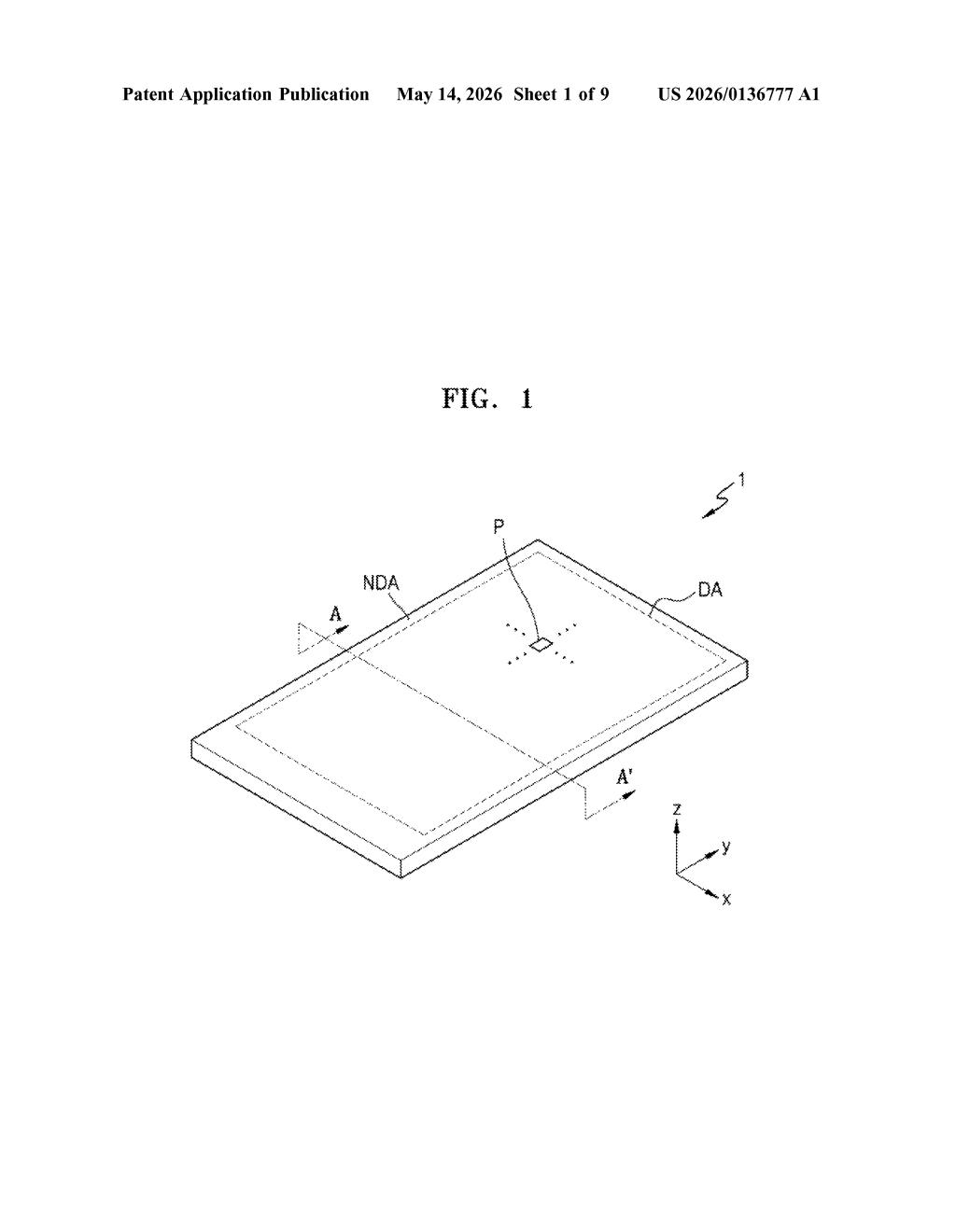
What Samsung's layered OLED pixel bank actually does
Imagine each pixel in your phone's display as a tiny well. The walls of that well — called the bank layer — keep each pixel's light-emitting material contained. The problem is making sure electricity flows efficiently from those walls into the organic material that actually makes the light.
Samsung's patent describes a bank layer that includes a small metal protrusion — a tiny outward-pointing tip — built into the wall structure. That tip is designed to make better physical and electrical contact with the layers stacked on top of it, reducing resistance and improving how uniformly each pixel lights up.
A protective cover layer wraps the metal tip to prevent it from causing short circuits. It's a structural tweak, not a screen revolution, but these kinds of precise engineering details are exactly what separates premium OLED panels from cheaper alternatives.
How the tip electrode bridges the organic stack gap
The patent describes a display apparatus — almost certainly an OLED panel — built around a multi-part pixel boundary structure. Here's how the stack works:
- Pixel electrode: The bottom conductor for each individual pixel.
- Organic bank layer: A non-conducting wall that defines the pixel opening and covers the edge of the pixel electrode to prevent electrical shorting at the edges.
- Auxiliary electrode: A three-part conductive structure sitting on or near the bank. It includes a first sub-electrode (the base), a second sub-electrode with a tip that protrudes outward toward the pixel center, and a cover electrode that wraps the second sub-electrode to insulate or protect the exposed metal.
The intermediate layer — which contains the organic light-emitting material — is deposited on top of both the bank and the auxiliary electrode. The opposite (top) electrode then caps the whole structure.
The protruding tip geometry is the key invention here. When the intermediate layer is deposited, it tends to thin out or become discontinuous near sharp edges — a known failure mode in OLED fabrication. The tip shape appears designed to create a controlled, reliable contact point between the auxiliary electrode and the opposite electrode through or around that organic layer, improving lateral current distribution (spreading electricity evenly across each pixel).
What this means for OLED efficiency and manufacturing yield
Uneven current flow in OLED pixels causes brightness non-uniformity and accelerates burn-in — the ghosting effect you might have noticed on older OLED phones. By engineering a more reliable electrical contact point directly into the bank structure, Samsung Display could improve both the uniformity and longevity of its panels without changing the underlying chemistry.
This kind of incremental structural patent is bread-and-butter work for a display manufacturer competing at the bleeding edge. If it ships, you'd likely never know it's there — but your display would look better for longer. It's also the type of IP that matters in licensing negotiations with rival panel makers.
This is genuinely interesting display engineering, even if it won't make headlines. The protruding-tip auxiliary electrode is a real solution to a real fabrication challenge — organic layer thinning at bank edges is a documented yield and reliability problem. Samsung Display files aggressively in this space, and patents like this are exactly how they maintain manufacturing advantages over BOE and LG Display.
There are more where this came from
We read every patent application Big Tech publishes and send you the ones worth knowing. Plain English, free, every week.
Want this weekly breakdown for a company we don't cover? Patentlyze Pro →