
Samsung Patents a Dual Organic Layer OLED Encapsulation Stack
The biggest enemy of an OLED screen isn't scratches — it's moisture and oxygen sneaking through the display stack. Samsung's latest patent tweaks the internal sandwich of protective layers in a way that could make future OLEDs more resilient without adding bulk.
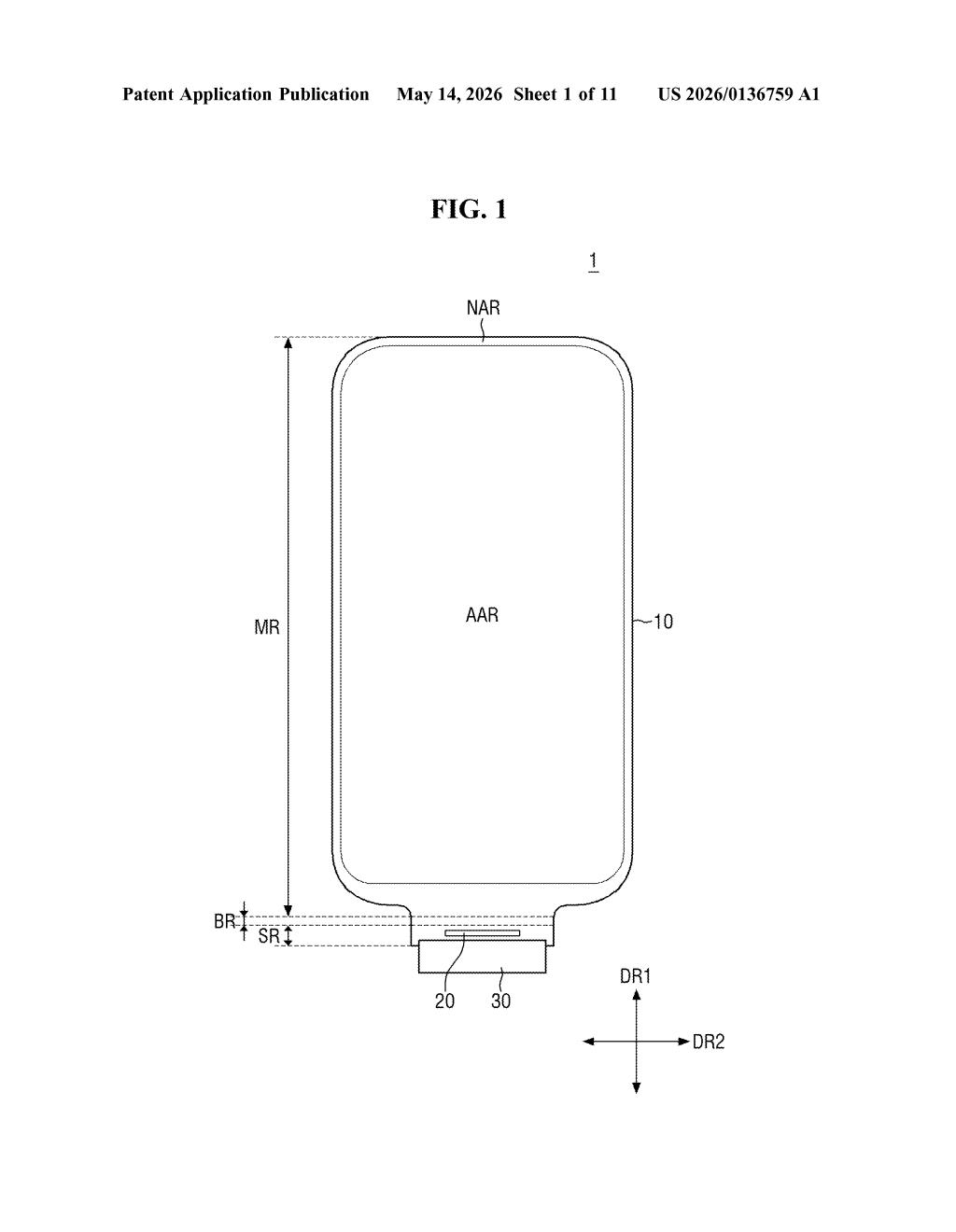
What Samsung's layered OLED moisture barrier actually does
Imagine your phone's OLED screen as a delicate cake — beautiful and vibrant, but sensitive to the environment. The layers of frosting keeping that cake fresh are called encapsulation layers, and they're the only thing standing between your display's organic pixels and the moisture and oxygen that would destroy them.
Samsung's patent describes a specific recipe for that protective sandwich: two inorganic layers (think hard, dense barriers) with two organic layers in between. The clever part is that those two organic layers are not identical — the outer one is engineered to have a higher ring parameter, meaning its molecular structure is more tightly cross-linked and rigid.
The result is a stack where the inner organic layer stays flexible and stress-absorbing while the outer one forms a denser shield. You probably wouldn't notice this in daily use, but it could mean your screen holds up better over years of flexing, bending, or just sitting in a humid pocket.
How the ring parameter difference protects the OLED stack
The patent describes an OLED display stack built from the substrate up: a first electrode, an organic light-emitting layer, a second electrode, then the critical encapsulation layer, and finally a touch layer on top.
The encapsulation layer itself is where the invention lives. It follows this order from bottom to top:
- First inorganic layer — deposited directly on the second electrode as a hard moisture barrier
- First organic layer — a flexible buffer that planarizes the surface and absorbs mechanical stress
- Second organic layer — sits on top of the first organic layer but has a higher ring parameter (meaning its polymer chains form more closed, cyclic structures, making it denser and less permeable)
- Second inorganic layer — the outer hard cap that seals everything in
The ring parameter is the key differentiator here. In polymer chemistry, a higher ring parameter indicates more cyclic (ring-shaped) molecular structures, which typically translates to greater rigidity, lower moisture permeability, and better chemical resistance. By grading the organic layers — softer inside, harder outside — Samsung creates a stack that balances flexibility with barrier performance.
The touch layer sits entirely above this encapsulation structure, meaning the sensitive organic emitters are fully sealed before any touch-sensing components are introduced.
What this means for thinner, tougher Samsung displays
OLED longevity is one of the last remaining pain points for the technology — especially in foldable and rollable form factors where the encapsulation stack gets physically stressed thousands of times per day. A smarter encapsulation design that uses graduated rigidity rather than uniform layers could meaningfully extend the lifespan of flexible displays without requiring new deposition equipment or exotic materials.
For Samsung Display, which supplies OLED panels to Apple, Google, and its own Galaxy line, incremental improvements to encapsulation are competitive moat territory. Thinner, tougher barriers mean thinner overall devices and fewer warranty failures — both of which matter enormously at Samsung's production scale.
This is deep-in-the-stack materials engineering — not glamorous, but exactly the kind of incremental patent that compounds into real product advantages over time. Samsung Display files a lot of encapsulation-related IP, and this one is more specific and technically grounded than many. It's worth a note if you follow display tech, but don't expect a press release about it.
There are more where this came from
We read every patent application Big Tech publishes and send you the ones worth knowing. Plain English, free, every week.
Want this weekly breakdown for a company we don't cover? Patentlyze Pro →