
Patent: Smaller Camera Design Captures Images Without a Traditional Lens
Modern lensless cameras skip the glass entirely and use a patterned mask instead, but that mask has always been bulky. Sony's latest patent describes a way to shrink it down without sacrificing the image quality on the other side.
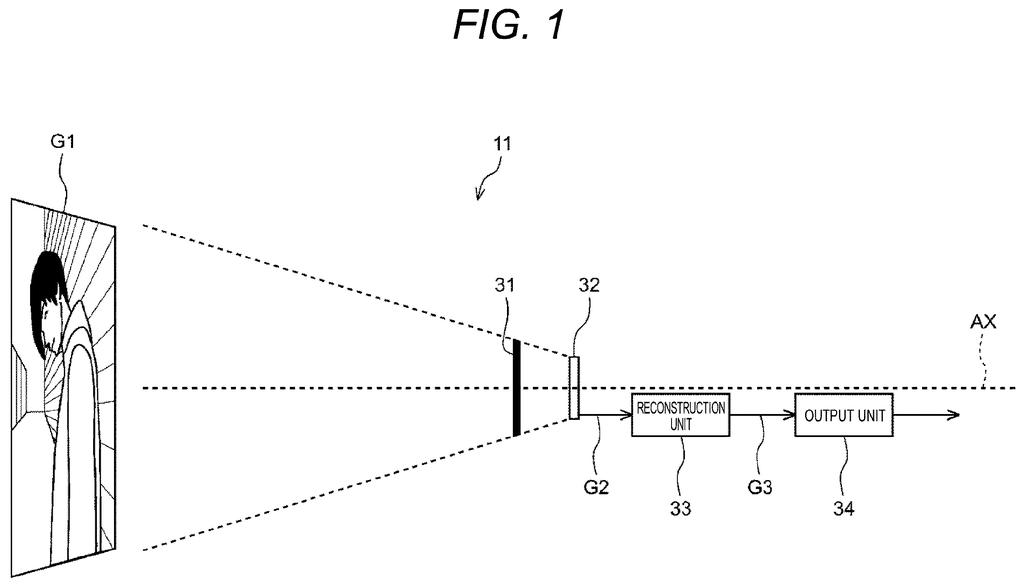
What Sony's shrinking lensless camera mask actually does
A regular camera uses a glass lens to focus light onto a sensor. A lensless camera replaces that lens with a flat, patterned screen called a mask, which scrambles incoming light in a very specific way. Software then unscrambles the result to produce a recognizable photo. The trick is that the software only works correctly if the mask creates a very precise scramble pattern.
The problem is that the masks good enough to produce that precise pattern tend to be large. Sony's patent describes a mask that concentrates and redirects light through a smaller physical area while still producing the exact same scramble pattern that a much bigger mask would create. Think of it like folding a long road map into a small square without losing any of the detail.
The payoff is a lensless camera that can be made thinner and smaller than current designs, which is the main barrier keeping the technology out of everyday thin devices.
How the mask bends light to fake a bigger pattern
A lensless camera works by placing a modulation mask in front of the image sensor. That mask has a mix of transparent and opaque patches arranged in a pattern that creates a known point spread function (a technical term for how a single point of light gets spread or smeared across the sensor). The sensor records that smeared image, and a reconstruction unit (essentially a software algorithm) reverses the smearing to recreate the original scene.
The catch is that the quality of the final image depends heavily on how well-designed that pattern is. The best-performing patterns require physically large masks with many tiny transparent and opaque regions spread across a wide area.
Sony's patent introduces a mask that does two things at once:
- It condenses incoming light through a smaller set of transmission regions using micro-optical structures, effectively squeezing the light path.
- It changes the optical path of that condensed light so the sensor still receives the same scrambled pattern it would have from a much larger, conventional mask.
The result is a mask that is physically reduced in size but still produces the same point spread function as the larger reference mask it is replacing. The reconstruction software doesn't need to change at all because, from the sensor's perspective, nothing has changed.
What thinner lensless cameras could mean for wearables
Lensless cameras are attractive for any device where thickness is a hard constraint: think medical capsules, smart glasses, or ultra-thin sensors embedded in clothing or wearables. The mask has been the main obstacle because shrinking it naively degrades image quality. Sony's approach separates physical size from optical performance, which is the key design problem this whole field has been stuck on.
For you as a consumer, the near-term implication is that devices that currently can't fit a usable camera (because they're too thin for a lens and too small for a conventional lensless mask) could eventually get one. Sony has a large imaging sensor business and has been exploring lensless designs for years, so this isn't purely academic research.
This is a real engineering problem with a real solution, not a speculative stretch. Lensless cameras have been a credible research direction for over a decade, and mask size has consistently been the practical sticking point. Sony filing this now, through its core group corporation, suggests the imaging division sees a path to a product. It's worth watching.
There are more where this came from
We read every patent application Big Tech publishes and send you the ones worth knowing. Plain English, free, every week.
The drawings
19 drawing sheets from US 2026/0222664 A1 · click any drawing to enlarge


Want this weekly breakdown for a company we don't cover? Patentlyze Pro →