
Patent: Google AI Learns From Its Own Errors to Improve Future Predictions
Google is patenting a way to attach a second, specialized system to an existing AI model, one whose entire job is to catch and fix whatever the main model gets wrong.
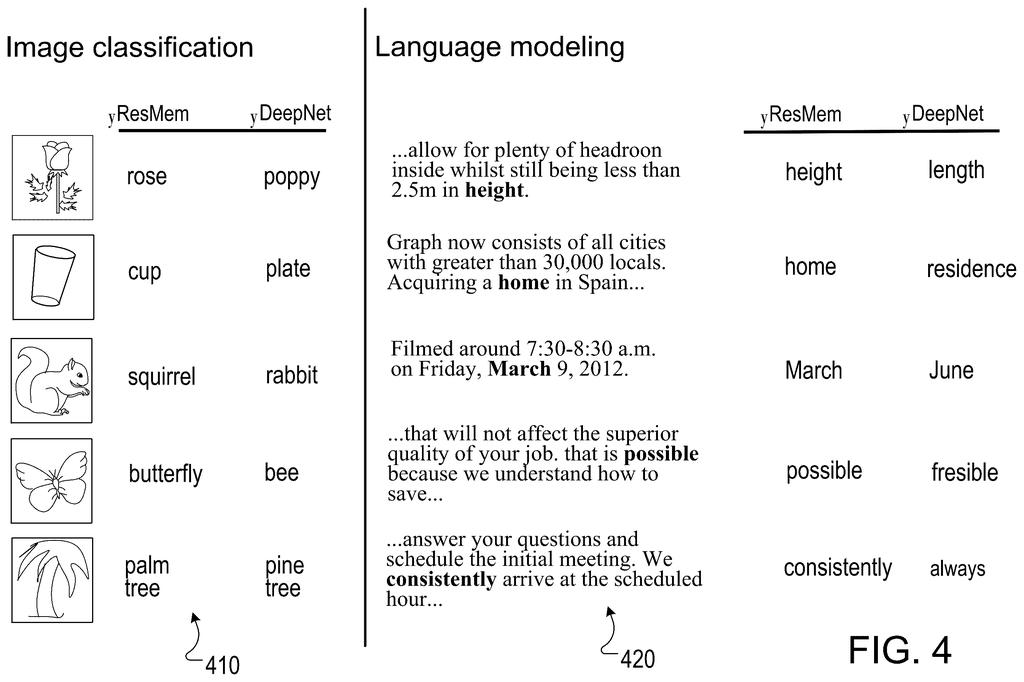
How Google's second-pass AI corrects the first one
Imagine a spell-checker that doesn't just flag errors but also has a separate assistant dedicated to fixing the specific kinds of mistakes that particular spell-checker keeps making. That's roughly the idea here.
Google's patent describes a technique where a standard AI model makes its best prediction as usual. Then a second, smaller system, called a residual regressor, looks at the same input and estimates how wrong the first model probably is. The final answer combines both outputs, patching the main model's blind spots in real time.
The key insight is that you don't need to retrain your existing AI from scratch. You add the correction layer on top of an already-trained model, which is faster and cheaper than rebuilding it. Think of it like attaching a co-pilot who specializes in catching the captain's habitual errors.
How the residual regressor catches the main model's errors
The patent describes a two-stage inference pipeline. When a new input arrives, the system runs it through two separate components simultaneously:
- Deep neural network (the main model): Processes the input and produces a predicted output the way any standard AI would.
- Residual regressor (the correction layer): Also processes the input, but its goal is to estimate the residual (the gap or error) between what the main model predicts and the correct answer).
- Combination step: The two outputs are added together to produce the final result.
The residual regressor is trained specifically on the errors that the main model makes, so it learns the shape of those mistakes rather than the task itself. This approach is called residual memorization because the correction system, in effect, "memorizes" the patterns of the original model's failures.
Because the main network stays frozen, the technique can be applied to a deployed model without expensive retraining. The correction layer is trained separately and bolted on afterward.
What a built-in correction layer means for AI accuracy
For Google, which deploys AI models at enormous scale across Search, Translate, and other products, even small improvements in prediction accuracy matter. A plug-on correction layer that doesn't require retraining an entire model could let engineers patch known weaknesses quickly, without the months-long cost of a full training run.
For users, the practical effect is that AI answers, translations, or recommendations could become more reliable in the specific areas where a model has historically struggled. The patent also has implications for AI development broadly: if correction layers become a standard tool, teams could ship a good-enough model faster and iterate on the error-fixing layer separately, rather than waiting for a perfect model.
This is a genuinely practical idea in AI engineering. The "train a corrector on the residuals" concept has academic roots, and Google patenting a specific system-level implementation suggests they want to own the infrastructure version of it. It won't make headlines the way a new large language model does, but the teams maintaining production AI systems will find it interesting.
There are more where this came from
We read every patent application Big Tech publishes and send you the ones worth knowing. Plain English, free, every week.
The drawings
4 drawing sheets from US 2026/0221132 A1 · click any drawing to enlarge


Want this weekly breakdown for a company we don't cover? Patentlyze Pro →
Be the first to weigh in