
Samsung Patents 5G Location Tracking That Stays Accurate Through Signal-Boosting Hardware
Every time a 5G signal bounces through a repeater before reaching your phone, the network loses a small but meaningful amount of precision about where you actually are. Samsung's new patent targets exactly that gap.
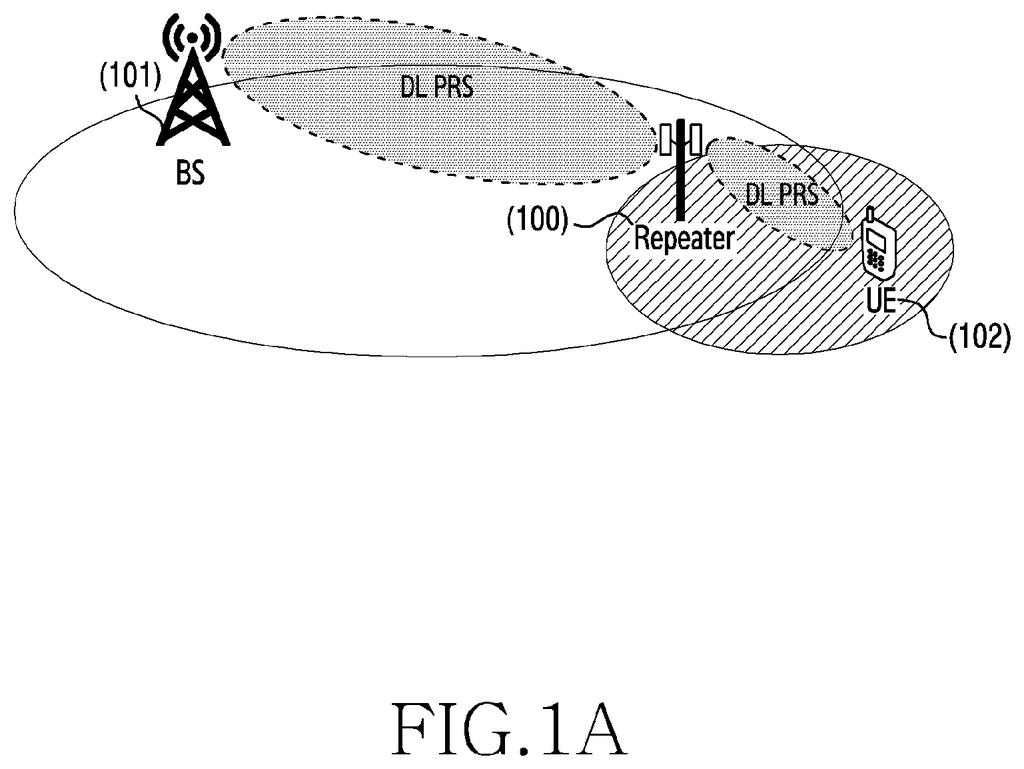
How Samsung corrects location errors caused by 5G repeaters
Imagine your phone asking the network "where am I?" To answer, the network measures how long a radio signal takes to travel from a cell tower to your device. But in many buildings and dense city blocks, that signal doesn't travel in a straight line. It passes through a repeater, a box that amplifies and re-broadcasts the signal to extend coverage. Each repeater adds its own tiny delay, and if the network doesn't account for that delay, your calculated position ends up being off.
Samsung's patent describes a system where the network sends your phone a bundle of correction data alongside the positioning signal. That bundle includes exactly how much delay the repeater adds internally, how much delay the cell tower itself adds, and how long the signal takes to travel from the tower to the repeater. Your phone uses all three figures to strip out the artificial delays and calculate a much more accurate position.
The result is that location services work properly even in environments where repeaters are common, like shopping malls, underground stations, or large office buildings.
How the TEG delay data corrects the positioning math
The patent describes a positioning method for 5G terminals that corrects for the timing distortions introduced by repeaters sitting between a base station and a phone.
The core mechanism relies on what the patent calls Timing Error Group (TEG) information. A TEG is essentially a declared range of internal processing delay for a given piece of hardware. The patent defines three separate delay parameters that the location server packages into "assistance data" and sends to the phone:
- Repeater TEG: the delay introduced inside the repeater itself
- Base station TEG: the delay introduced inside the cell tower's own hardware
- Propagation delay: the travel time of the signal between the base station and the repeater
The phone receives a Downlink Positioning Reference Signal (DL PRS), a known radio pattern specifically designed for timing measurements, through the repeater. It takes a raw timing measurement from that signal, then applies the three correction values from the assistance data to produce an accurate distance estimate. That corrected figure is either sent back to the location server as a raw measurement or used locally to calculate a final position, which is then reported.
The protocol used between the phone and the location server is the standard LTE Positioning Protocol (LPP), meaning this approach is designed to slot into existing 5G standards rather than require new infrastructure from scratch.
What this means for indoor and dense-urban 5G location
Repeaters are everywhere in the places where accurate indoor positioning matters most: hospitals, airports, stadiums, and large retail spaces. Current positioning systems often treat a repeater as invisible, which means any delay it adds gets misread as extra distance, throwing off location calculations by meters. For applications like emergency call routing, asset tracking in warehouses, or navigation inside large buildings, that kind of error is a real problem.
Samsung supplying this correction framework through the existing LPP protocol is significant because it means no new radio hardware is required. The fix is a software and standards change, which makes it far more likely to end up in deployed networks. If this approach gets folded into 3GPP standards, it could improve the location accuracy of every 5G phone that passes through a repeater-covered zone.
This is a focused, practical engineering patent rather than a flashy concept. The problem it addresses (repeater-induced positioning error) is real and genuinely underserved in current 5G deployments. The value here depends almost entirely on whether Samsung can get the TEG framework adopted into 3GPP standards, which is where the company's standards muscle actually matters.
There are more where this came from
We read every patent application Big Tech publishes and send you the ones worth knowing. Plain English, free, every week.
The drawings
12 drawing sheets from US 2026/0223047 A1 · click any drawing to enlarge


Want this weekly breakdown for a company we don't cover? Patentlyze Pro →
Be the first to weigh in