
Samsung Patents a Dual-Mode Sub-Pixel Display for Smarter Power Saving
Samsung is patenting a display architecture where every single pixel contains two completely separate sets of light-emitting elements — one optimized for low power, one for full quality — and a hardware switch routes current to whichever set the device needs.
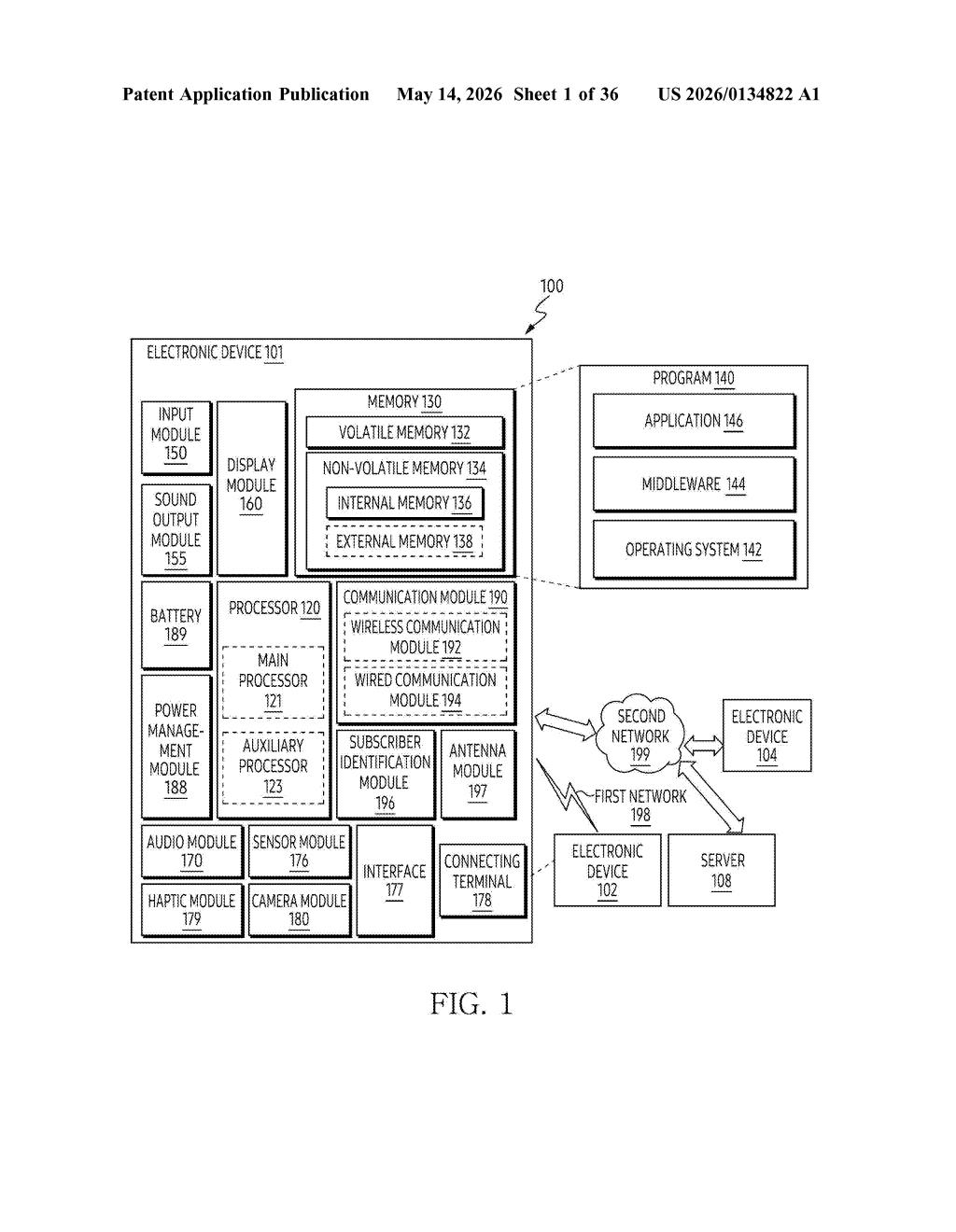
What Samsung's switchable sub-pixel display actually does
Imagine your phone's always-on display, the one that quietly shows the time and notifications while you're not actively using it. Right now, most phones dim the same pixels they use for everything else, which isn't perfectly efficient. Samsung's new patent takes a different approach: build two entirely different sets of tiny lights directly into each pixel from the start.
In low-power mode — think always-on clock or ambient display — your screen would light up using a dedicated first element inside each sub-pixel, engineered to sip power. When you actually want to use your phone for real, a hardware switch flips the circuit over to the second set of elements, which are built for full-quality output.
The clever part is that one shared transistor drives both sets. You're not doubling the electronics needed to make this work — you're just adding a switch and a second light source within the same tiny pixel footprint.
How the switch routes current between LED paths per mode
Each sub-pixel in this display contains three main components: a first light-emitting element (for low-power mode), a set of second light-emitting elements (for normal or full-quality mode), and a single driving transistor that supplies current to whichever path is active.
The key innovation is a switch positioned between the driving transistor's drain and both sets of light-emitting elements. The drain is the output terminal of the transistor — think of it as the tap that current flows out of. By placing a switch at this junction, the circuit can redirect current down one of two distinct electrical paths without needing separate transistors for each.
The display driver circuit receives a mode signal from the main processor and uses that signal to configure the switch accordingly:
- First path (low-power mode): current flows through only the first, low-draw light-emitting element
- Second path (normal mode): current is rerouted through the second set of light-emitting elements, which are presumably capable of higher brightness or color accuracy
Because both paths share one driving transistor per sub-pixel, the pixel circuit doesn't need to be dramatically redesigned — the transistor's drive logic remains largely the same, and the switch handles mode selection at the output stage.
What this means for always-on displays and battery life
Always-on displays are one of the few features that genuinely changes how people use smartphones daily — glanceable information without a full wake. The problem is always battery cost. This architecture bakes power optimization into the hardware itself, rather than relying solely on software dimming or refresh-rate tricks, which have real limits.
For Samsung specifically, this fits squarely into the Galaxy lineup's ongoing battle for all-day battery life without sacrificing display quality. If the low-power element can be tuned independently of the full-mode element, you potentially get better always-on quality at lower energy cost — not just a dimmed version of the normal screen. That's a meaningful difference for wearables and foldables too, where screen-on time is especially constrained.
This is a genuinely interesting pixel architecture patent — it's not just a software trick or a tweaked algorithm, it's a structural change to how sub-pixels are wired. The shared-transistor approach keeps complexity manageable, which suggests Samsung's engineers were thinking about manufacturability, not just theoretical elegance. It's worth watching whether this shows up in Galaxy Watch or Galaxy S display specs in the next couple of years.
There are more where this came from
We read every patent application Big Tech publishes and send you the ones worth knowing. Plain English, free, every week.
Want this weekly breakdown for a company we don't cover? Patentlyze Pro →