
Qualcomm Patents a Way to Run Multiple AI Personalities in Parallel
Instead of swapping between different AI versions depending on the task, Qualcomm's patent describes running several at once and blending their answers together based on what kind of input the model is looking at.
What Qualcomm's parallel AI adapter system actually does
Imagine you had three advisors: one who specializes in casual conversation, one in technical writing, and one in creative fiction. Instead of picking just one, you could ask all three and blend their answers based on which type of question you're asking. That's roughly the idea here.
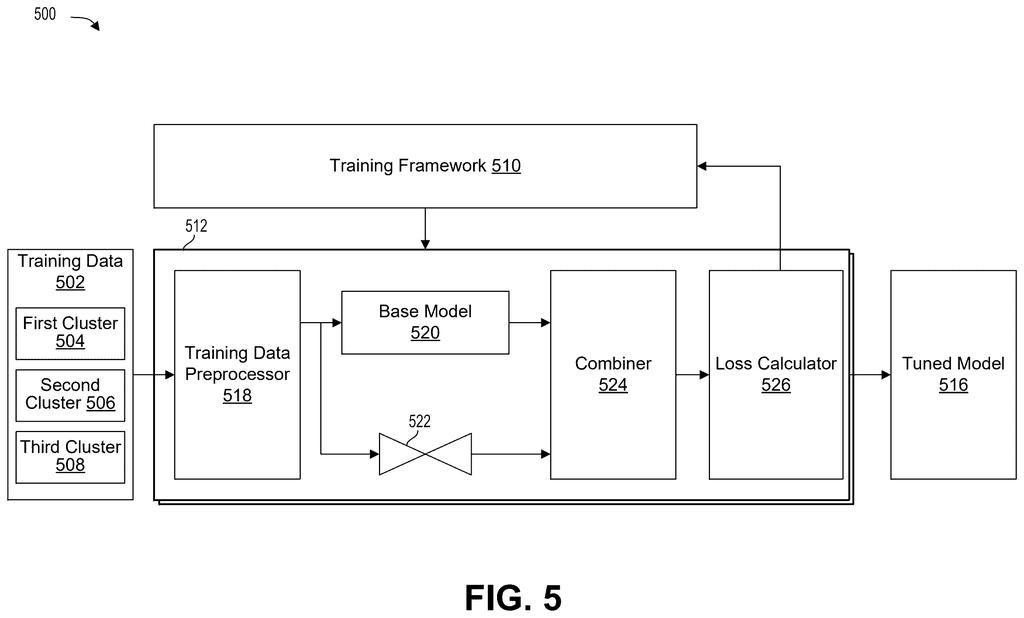
Qualcomm's patent describes an AI system that runs a base model alongside multiple smaller add-on modules, called adapters, at the same time. The system figures out what "kind" of input it's dealing with, then weights each adapter's contribution accordingly before combining everything into a single answer.
The practical goal is a single AI model that can handle many different tasks well, without needing to be fully retrained or physically switched out. For devices like phones and chips that need to run AI locally without a cloud connection, that kind of efficiency is important.
Systems and techniques are described herein for configuring machine learning models with parallel low rank adapters.
Translation: The patent covers methods for running several model tweaks at the same time.
How the cluster-weighted blending of adapters works
The patent describes a system built around a base AI model plus several low-rank adapters (small, lightweight add-on modules that specialize a model for a particular task or style without retraining the whole thing from scratch) running in parallel rather than one at a time.
When the system receives input, it first generates embeddings (numerical representations of the input's meaning) and uses those to calculate probability scores for several clusters (conceptual groupings that represent different categories of input, such as technical questions versus casual conversation). These scores tell the system how much each adapter's output should matter for this particular input.
The base model and each adapter each produce their own output value independently. The system then combines those values using the cluster probability scores as weights, blending the results into a single combined output. No single adapter dominates; each contributes proportionally based on how well its specialty fits the input.
- Base model output: the general-purpose answer
- Adapter 1 output: a specialized perspective (e.g., technical domain)
- Adapter 2 output: another specialized perspective (e.g., conversational tone)
- Final output: a weighted blend of all three
… combine the plurality of output values based on the plurality of probability values into a combined value; and output content generated based on the combined value.
Translation: The system blends the different outputs together to create the final response.
What this means for AI running on phones and chips
On-device AI, the kind that runs on a phone processor or a dedicated chip without sending data to a server, has strict memory and compute limits. Loading and unloading different specialized models for different tasks wastes time and resources. Qualcomm's approach lets a single loaded model cover multiple task types simultaneously by blending adapter outputs, which could translate to faster responses and lower power use on your device.
This also matters for Qualcomm's broader AI chip strategy. The company sells processors into phones, PCs, and embedded devices, and has been competing aggressively to make on-device AI inference practical. A system that gets more task coverage out of one loaded model is exactly the kind of efficiency gain that would differentiate a Qualcomm-powered device from one relying solely on cloud AI.
This is a genuinely interesting architecture patent, not just incremental. Blending adapter outputs dynamically based on input type is a cleaner solution than the common approach of picking one adapter and hoping it fits. Whether it ships in a Snapdragon product anytime soon is another question, but the underlying idea is sound and the efficiency angle is real for on-device AI.
There are more where this came from
We read every patent application Big Tech publishes and send you the ones worth knowing. Plain English, free, every week.
The drawings
8 drawing sheets from US 2026/0228540 A1 · click any drawing to enlarge


Want this weekly breakdown for a company we don't cover? Patentlyze Pro →