
Nvidia Patents Technology That Changes Lighting on People in Video Without Flickering
Nvidia has filed a patent for a system that uses AI to relight people or objects in video in real time, keeping the effect looking consistent frame to frame instead of flickering like older approaches.
What Nvidia's AI video relighting actually does
Every time a video call app tries to improve how you look on camera, it has to make a lighting decision on every single frame, dozens of times per second. If those decisions don't agree with each other, you get a flickering, unstable effect that looks worse than no correction at all.
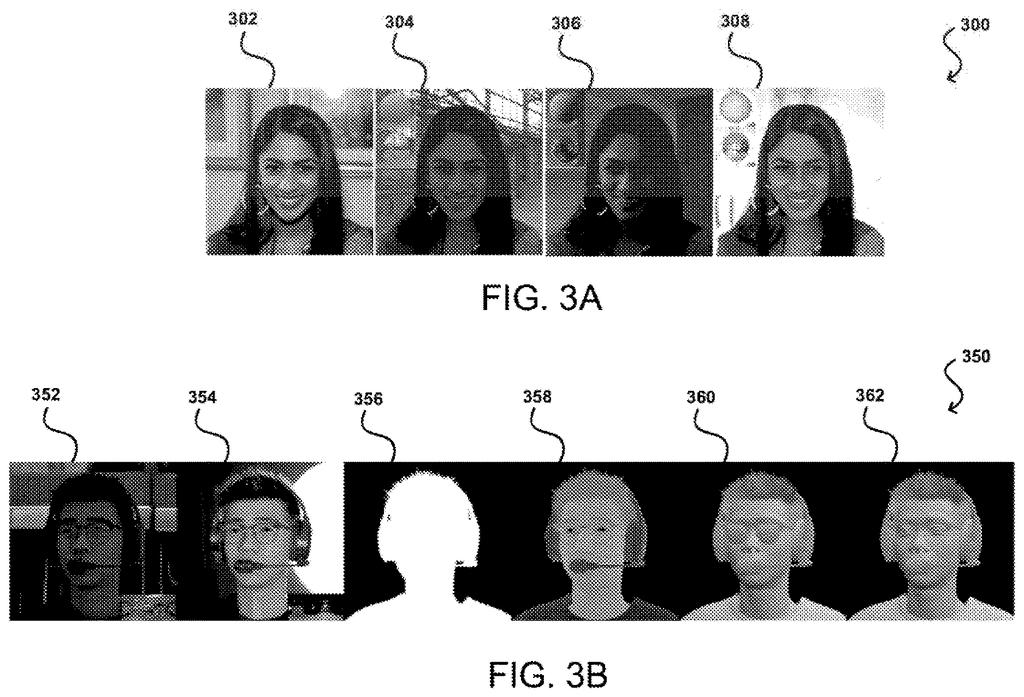
Nvidia's patent describes a system that uses neural networks trained partly on computer-generated synthetic images to apply a lighting effect to people or objects in video. The key addition is a component that specifically ensures the lighting stays consistent from one frame to the next, so the result looks smooth rather than jittery.
In plain terms: you point a camera at someone, tell the system what kind of light you want, and it adjusts the video to match, without the result looking like a broken strobe effect. That last part, the stability, is what separates this from earlier attempts.
… one or more neural networks include one or more sub-networks to provide temporal stability of the lighting effect between the frames.
Translation: The system uses specialized AI layers to ensure that lighting changes look smooth and do not flicker as the video plays.
How the network keeps lighting stable across frames
Neural network-based relighting is not new, but keeping the effect stable across a moving video sequence is the hard part. Nvidia's patent addresses this directly by building temporal stability (frame-to-frame consistency) into the network architecture itself, not as an afterthought.
The system works roughly like this:
- The neural network is trained using synthetically generated images of objects or people, meaning computer-rendered scenes where the lighting is known precisely. This gives the model a controlled training ground it could never get from real-world footage alone.
- At inference time (when it's actually running on video), the network applies a desired lighting effect to each frame.
- One or more sub-networks are dedicated specifically to enforcing temporal stability, meaning they compare adjacent frames and ensure the lighting doesn't jump or flicker between them.
The claim covers a processor running this whole pipeline on video sequences, not just still images. That distinction matters: still-image relighting is a solved problem at this point; video relighting that holds up under motion is considerably harder and much more commercially useful.
… one or more neural networks are used to cause a lighting effect to be applied to one or more objects within one or more images based, at least in part, on synthetically generated images of the one or more objects.
Translation: The technology uses computer generated models to calculate how light should realistically fall on people in a video.
What this means for video calls and virtual production
For anyone who has used a video call app with a virtual background or a beauty filter, you have probably noticed that these effects can look jittery when you move. That is exactly the failure this patent targets. A stable, AI-driven relighting system would let video conferencing apps, streaming tools, or film production software apply virtual lighting that actually holds up, looking like the light was really there instead of being pasted on frame by frame.
Nvidia is well positioned to build this into hardware and software it already sells to creators, enterprise customers, and broadcasters. The synthetic-training approach is also notable because it sidesteps the enormous cost of capturing real video under thousands of lighting conditions. This kind of AI imaging work sits squarely in the stream of Big Tech patent news around neural rendering and computational video production that has been accelerating across the industry.
The flickering-lighting problem is one of those things that sounds minor until you see it in a product demo, at which point it looks terrible and you cannot unsee it. Nvidia's decision to bake temporal stability directly into the sub-network architecture, rather than applying it as a post-processing patch, is the technically sound way to solve this. If this makes it into products like NVIDIA Broadcast or downstream video tools, the person who benefits is the one who never notices the lighting adjustment at all, which is the whole point.
There are more where this came from
We read every patent application Big Tech publishes and send you the ones worth knowing. Plain English, free, every week.
The drawings
56 drawing sheets from US 2026/0237124 A1 · click any drawing to enlarge


Want this weekly breakdown for a company we don't cover? Patentlyze Pro →
Be the first to weigh in